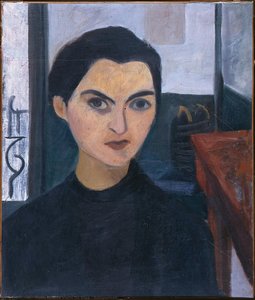
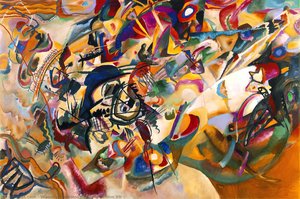
Modern: original voices

99 Famous Modern Painters Who Shaped the Movement

Pablo Picasso (1881–1973) is the most famous Modern painter, whose singular vision gave us Guernica and The Old Guitarist. Next stand Andy Warhol, Frida Kahlo, Salvador Dalí and Piet Mondrian. These 99 painters, from Maurice Denis (born 1870) to Anselm Kiefer (born 1945), came from 26 countries.

Our selection. Artists whose works our catalogue attaches to Modern, in the order of our fame ranking. Artists born after 1955 with no Wikidata identifier stay out until verified. The Wikipedia figure counts our 32 languages with an article on the artist.

  1. Guernica by Pablo Picasso1Pablo Picasso
  2. Marilyn Diptych by Andy Warhol2Andy Warhol
  3. Frida Kahlo - `The Two Fridas` by Frida Kahlo3Frida Kahlo

In brief

Modern in brief

  • 99Artists
  • 1870–1945Years of birth
  • 26Countries of birth
  • 17Women
  • 3Living artists
  • 29,146Works in our catalogue
Cities with most births
Paris (4), New York City (3), Dresden (2), Manhattan (2)

One artist at a time

99 Modern Painters and their signature works

1of 99

Pablo Picasso

Spanish Born in Málaga Cubism, Surrealism Wikipedia in 32/32 languages

Pablo Picasso

In 1937, the news of the bombing of Guernica reached him, a devastating attack on a town in the Basque Country. In 1967, he gifted the city of Chicago an untitled monumental sculpture made of COR-TEN steel. The ripples of his creative life reached far beyond the walls of his studios in Paris and the South of France.

Where to see To walk through the halls of the Musée Picasso in Paris is to enter a sanctuary where the artist's restless spirit remains palpable.

Signature works · The 100 signature works

2of 99

Andy Warhol

American Born in Pittsburgh Pop Art Wikipedia in 32/32 languages

Andy Warhol

He embraced the silkscreen printing process to achieve a flattened, mechanical aesthetic that mirrored the mass production of the consumer goods he depicted. He frequently used a Polaroid Big Shot to capture his subjects, a practice that informed his visual language of immediacy and repetition. He did not merely observe the media age; he interrogated the very nature of what it means to be seen within it.

Where to see The Andy Warhol Museum in Pittsburgh holds the most significant concentration of his work, standing as the largest museum in the United States dedicated to a single artist.

Signature works · The 100 signature works

3of 99

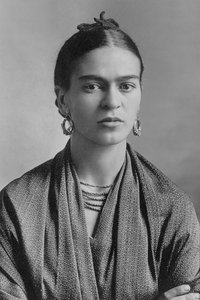
Frida Kahlo

Mexican Born in Coyoacán Surrealism, Mexican folk art, Realism Wikipedia in 32/32 languages

Frida Kahlo

Their lives move between the studios of Mexico and the urban landscapes of San Francisco, California, and New York City. Amidst this emotional turbulence, a personal transformation occurs; around 1935, she drops the "e" from her name, transitioning from Frieda to Frida. She did not merely paint; she constructed a visual language of identity that resonated far beyond the borders of Mexico.

Signature works · The 100 signature works

4of 99

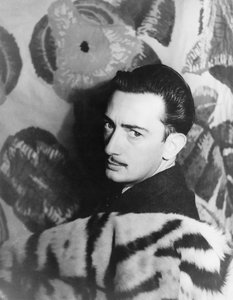
Salvador Dalí

Spanish Born in Figueres Surrealism Wikipedia in 32/32 languages

Salvador Dalí

His early training was shaped by the textures of Impressionism and the precise draftsmanship of the Renaissance masters. By 1929, he had joined the Surrealist group, a move that signaled a shift toward the irrational.

Where to see To find his traces, one can travel to Figueres, Spain, where the Dalí Theatre-Museum sits.

Signature works · The 100 signature works

5of 99

Piet Mondrian

Born in Amersfoort Wikipedia in 32/32 languages

Piet Mondrian

Mondrian strips away the accidental details of the physical world to reach for a structural truth. His technique relies on precise, clean lines and flat areas of color that refuse to suggest depth or texture. In 1965, this aesthetic crossed into the realm of high fashion.

Where to see The search for Mondrian’s visual logic leads to several key institutions across Europe and North America.

Signature works · The 100 signature works

6of 99

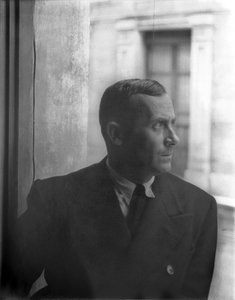
Joan Miró

Spanish Born in Barcelona ['Surrealism', 'Fauvism', 'Expressionism'] Wikipedia in 32/32 languages

Joan Miró

His work often defies easy classification, frequently interpreted as Surrealist but driven by a deeply personal style that resists any single "ism." He moves through media with a feverish energy, experimenting with painting, pastel, printmaking, sculpture, ceramics, collage, muralism, and tapestry. This versatility allows him to escape the constraints of traditional representation. This was followed by the establishment of the Fundació Pilar i Joan Miró in Palma de Mallorca in 1981.

Where to see The most concentrated encounter with his creative output occurs on the Montjuïc hill in Barcelona, Spain.

Signature works · The 100 signature works

7of 99

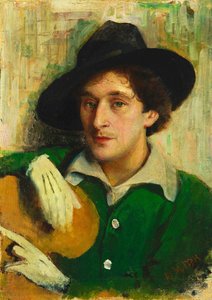
Marc Chagall

Russian-French Born in Liozna Expressionism, Cubism, Fauvism, Surrealism Wikipedia in 32/32 languages

Marc Chagall

He absorbs the fragmented structures of Cubism and the intense color of Fauvism, yet he filters these avant-garde movements through a deeply personal lens. The result is a style that bridges Expressionism and abstraction. Paris arrives in 1910 or 1911, a sudden shift from the provincial constraints of the Russian Empire.

Where to see The legacy of his vision remains anchored in several key institutions across the globe.

Signature works · The 100 signature works

8of 99

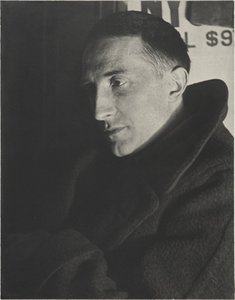
Marcel Duchamp

French American Born in Blainville-Crevon ['Cubism', 'Dadaism', 'Conceptual Art'] Wikipedia in 31/32 languages

Marcel Duchamp

He found himself drawn to the ideas of Paul Cézanne, whose approach to form and structure left a mark on his developing vision. It was during this time that he produced Coffee Mill, a work that signaled his growing interest in the mechanical and the conceptual. The ripples from his provocations reached far beyond the small circles of the avant-garde, eventually reshaping the very foundations of how we perceive creativity.

Where to see To follow the traces of his restless intellect, one might travel to the Philadelphia Museum of Art.

Signature works · The 100 signature works

9of 99

Paul Klee

German and Swiss Born in Münchenbuchsee Expressionism, Cubism, Surrealism Wikipedia in 31/32 languages

Paul Klee

Klee was a natural draftsman who possessed a deep, almost scientific understanding of color theory. He was also a prolific printmaker, utilizing zinc-plate etchings and lithographs to expand his visual language.

Where to see To find the traces of his prolific output, one might travel to Bern, Switzerland.

Signature works · The 100 signature works

10of 99

Jackson Pollock

American Born in Cody Abstract Expressionism Wikipedia in 31/32 languages

Jackson Pollock

He moved away from the traditional easel, choosing instead to lay his canvases directly upon the floor. He did not merely apply paint; he dripped, splashed, and flung it from above, letting the liquid fall in unpredictable patterns. He was among the first American painters to be recognized as a peer of the great 20th-century European masters, proving that a new, visceral language could emerge from the soil of the United States.

Where to see In New York City, the Museum of Modern Art holds several of his canvases, allowing viewers to stand before the sprawling, uncentered compositions that defined his era.

Signature works · The 100 signature works

11of 99

Kazimir Malevich

Born in Kyiv Wikipedia in 31/32 languages

Kazimir Malevich

He was a frequent participant in the era's defining exhibitions, including the second exhibition of the Soyuz Molodyozhi group in St. By 1912, his presence in the art scene was firmly established through his involvement with the Donkey's Tail collective in Moscow. This shift in consciousness helped shape the trajectories of artists such as El Lissitzky and Alexander Rodchenko, who navigated the intersection of abstraction and the social realities of their time.

Where to see The physical presence of his radical geometry can be found in several major institutions across the globe.

Signature works · The 100 signature works

12of 99

Amedeo Modigliani

Italian Born in Livorno Expressionism Wikipedia in 32/32 languages

Amedeo Modigliani

In 1906, the pull of Paris became too strong to resist. In 1907, he also attended the Paul Gauguin retrospective at the Salon d'Automne, an event that left a mark on his developing vision.

Where to see In the United States, the Metropolitan Museum of Art in New York holds significant pieces, including a portrait of Jeanne Hebuterne from 1918.

Signature works · The 100 signature works

13of 99

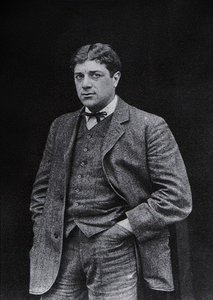
Georges Braque

French Born in Argenteuil ['Fauvism', 'Cubism', 'Analytical Cubism', 'Synthetic Cubism'] Wikipedia in 31/32 languages

Georges Braque

Braque’s approach to the canvas was defined by a restless curiosity regarding the physical properties of his materials. He moved beyond the traditional boundaries of oil painting by introducing elements that challenged the illusion of depth. The results of this synthesis are visible in his 1908 work, Houses at L'Estaque.

Signature works · The 100 signature works

14of 99

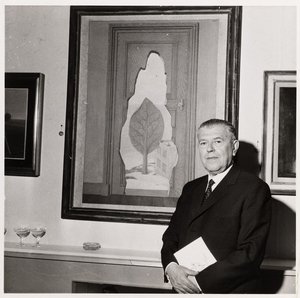
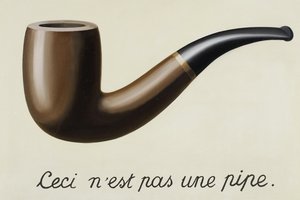
René Magritte

Belgian Born in Lessines Surrealism Wikipedia in 32/32 languages

René Magritte

Magritte’s early forays into painting around 1915 were marked by an Impressionistic sensibility. The 1914 painting The Song of Love left a lasting impression on him, introducing a sense of dreamlike tension that resonated deeply.

Where to see The preservation of his visual puzzles is distributed across several major institutions, ensuring his presence remains felt in both Europe and the Americas.

Signature works · The 100 signature works

15of 99

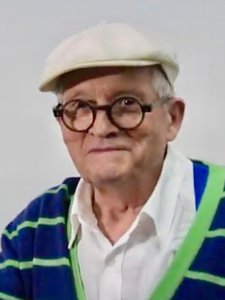
David Hockney

British Born in Bradford Wikipedia in 23/32 languages

David Hockney

Born in Bradford, United Kingdom, David Hockney grew up in a household of five children. He later moved to London to study at the Royal College of Art, graduating in 1962 with a Gold Medal distinction.

Signature works · The 100 signature works

16of 99

Egon Schiele

Austrian Born in Tulln an der Donau Austrian Expressionism Wikipedia in 32/32 languages

Egon Schiele

He moves through the city's artistic circles, eventually meeting Gustav Klimt. He works across Vienna, Krems, Klosterneuburg, Neulengbach, and Prague. Schiele emerges from the early 20th century as a leading figure in Austrian Expressionism.

Where to see The weight of Schiele’s output is felt most heavily in Vienna.

Signature works · The 100 signature works

17of 99

Max Ernst

German Born in Brühl ['Dada', 'Surrealism'] Wikipedia in 30/32 languages

Max Ernst

In 1911, he became part of the Die Rheinischen Expressionisten group. A significant turning point occurred in 1912 when he visited the Sonderbund exhibition in Cologne. Seeing the works of Pablo Picasso, Vincent van Gogh, and Paul Gauguin changed his perspective.

Where to see Finding the traces of Max Ernst's restless imagination requires a trip through several major cultural hubs.

Signature works · The 100 signature works

18of 99

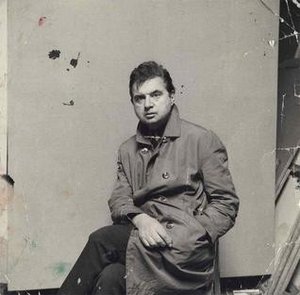
Francis Bacon

Irish Born in Dublin Expressionism, Cubism, Surrealism Wikipedia in 30/32 languages

Francis Bacon

His colors were often smeared and violent, used to strip away any sense of decorative comfort. Three Studies for Figures at the Base of a Crucifixion (1944).

Signature works · The 100 signature works

19of 99

Gerhard Richter

German Born in Dresden Wikipedia in 28/32 languages

Gerhard Richter

After dropping out of school at age fifteen, Richter enters the industrial landscape of post-war Germany. From 1957 to 1961, he remains within the academy's structure, working as a master trainee. In 1972, he represented West Germany at the Venice Biennale, a moment that solidified his standing on the international stage.

Where to see The physical presence of Richter’s practice spans major institutional collections across Europe.

Signature works · The 100 signature works

20of 99

Willem de Kooning

Dutch-American Born in Rotterdam Abstract Expressionism Wikipedia in 30/32 languages

Willem de Kooning

The evenings belong to the Academie van Beeldende Kunsten en Technische Wetenschappen. From his teenage years until 1924, he attends these classes in Rotterdam, balancing the demands of work with the study of formal art. He moves through a landscape of ideas, absorbing the influence of Stuart Davis and John Graham, whose presence helps steer his vocabulary away from literal depiction.

Teacher of Robert Rauschenberg #57

Signature works · The 100 signature works

21of 99

Jasper Johns

American Born in Augusta Wikipedia in 24/32 languages

Jasper Johns

This method allows for a physical depth that sits on the canvas, sometimes incorporating collage and newsprint directly into the wax. These layers do not suggest a quick, spontaneous gesture. Later, in 2011, he received the Presidential Medal of Freedom.

Where to see To see his paintings and sculptures in person, one might travel to New York City.

Signature works · The 100 signature works

22of 99

Roy Lichtenstein

American Born in Manhattan Pop Art Wikipedia in 28/32 languages

Roy Lichtenstein

Lichtenstein strips away the visible brushstroke, replacing the artist's hand with the cold, calculated language of mass production. Texture is achieved through a deliberate, systematic application of Ben-Day dots. He did not merely participate in the Pop Art movement; he helped originate it, establishing a visual vocabulary that remains a primary reference point for how we consume images in a media-saturated age.

Signature works · The 100 signature works

23of 99

Georgia O'Keeffe

American Born in Sun Prairie American modernism Wikipedia in 31/32 languages

Georgia O'Keeffe

Georgia O'Keeffe was born on November 15, 1887, in a farmhouse near Sun Prairie, Wisconsin. Her father, Francis Calyxtus O'Keeffe, and her mother, Ida Totto O'Keeffe, raised her in this rural setting. His methods moved her away from the constraints of strict realism.

Where to see To see her paintings in person, one can travel to Santa Fe, New Mexico, where The Georgia O'Keeffe Museum holds a significant portion of her output.

Signature works · The 100 signature works

24of 99

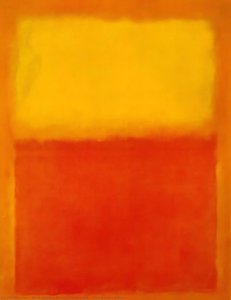
Mark Rothko

American Born in Daugavpils ['Color Field painting', 'Abstract Expressionism']

Mark Rothko

The move to New York City in 1923 brought a shift in focus. By 1940, he made the decision to change his name to Mark Rothko. His paintings are recognized as some of the most significant works of 20th-century art, often found in the permanent collections of major institutions like the Museum of Modern Art in New York and the Tate Modern in London.

Where to see To stand before his canvases is to experience the weight of color in a quiet room.

Signature works · The 100 signature works

26of 99

Franz Marc

German Born in Kreuzstraße German Expressionism Wikipedia in 31/32 languages

Franz Marc

Marc’s early output reflects the heavy weight of academic painting and Impressionism. His time in France, specifically during visits to Paris in 1903 and 1907, acted as a catalyst for this departure. It was in Paris that he encountered the work of Vincent van Gogh.

Where to see The Franz Marc Museum in Kochel am See, Germany, functions as a primary site for his legacy, housing over 150 of his works.

Signature works · The 100 signature works

27of 99

Diego Rivera

Mexican Born in Guanajuato Mexican Muralism, Social Realism Wikipedia in 31/32 languages

Diego Rivera

Diego Rivera emerged from a family of modest means in Guanajuato, Mexico, born on December 8, 1886. His early environment was marked by a significant loss when his twin brother, Carlos, died at the age of two. Rivera remains a central figure in the history of post-revolutionary Mexico.

Where to see Here, the Detroit Industry Murals occupy a central place, capturing the mechanical pulse of labor and the grit of the industrial era.

Signature works · The 100 signature works

28of 99

Fernand Léger

French Born in Argentan ['Cubism', 'Tubism', "Section d'Or", 'Purism', 'Dadaism', 'Constructivism'] Wikipedia in 27/32 languages

Fernand Léger

He moved away from the soft, blended shadows of the past, choosing instead to build his compositions through a language of robust, geometric strength. By 1909, his presence in the creative circles of Paris grew as he met figures such as Alexander Archipenko, Jacques Lipchitz, Marc Chagall, and Robert Delaunay.

Where to see To encounter the physical presence of his vision, one might travel to the south of France, specifically to Biot in the Alpes-Maritimes.

Signature works · The 100 signature works

29of 99

Giorgio de Chirico

Italian Born in Volos Metaphysical art Wikipedia in 29/32 languages

Giorgio de Chirico

He achieved this through a deliberate use of long, dramatic shadows that stretch across empty spaces, creating a sense of heavy, expectant silence. The light in these scenes often feels unnatural, casting a glow that does not quite match the stillness of the objects it touches. In 1974, he was elected to the French Académie des Beaux-Arts, a recognition of the profound impact his vision had on the trajectory of modern art.

Signature works · The 100 signature works

30of 99

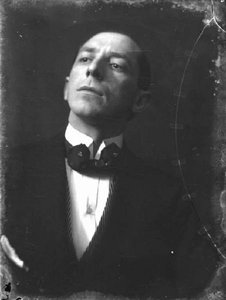
Umberto Boccioni

Born in Reggio Calabria Wikipedia in 28/32 languages

Umberto Boccioni

Born in Reggio Calabria, Italy, on October 19, 1882, his early development was defined by a rigorous technical education. His move to Rome in 1899 marked a significant shift toward formal academic training. The fragmentation of form and the emphasis on dynamism helped shape the foundations of Constructivism and later informed the developments of Abstract Expressionism.

Signature works · The 100 signature works

31of 99

Oskar Kokoschka

Austrian, Czech, British Born in Pöchlarn Expressionism, Viennese Avant-Garde Wikipedia in 29/32 languages

Oskar Kokoschka

He developed a nervously animated style, using bold lines and imagery that drew inspiration from Medieval compositions. He was a leading figure of the Expressionist movement, moving away from simple visual accuracy to capture something much deeper. He believed that art should maintain a connection to the concrete world, a philosophy that helped shape the development of Expressionism in Vienna and across Europe.

Signature works · The 100 signature works

32of 99

Yayoi Kusama

Japanese Born in Matsumoto Wikipedia in 25/32 languages

Yayoi Kusama

Born in Matsumoto, Japan, Yayoi Kusama began creating art as a child, often drawing pumpkins and responding to vivid hallucinations. Seeking greater artistic freedom, she moved to the United States in 1958, eventually settling in New York City.

Signature works · The 100 signature works

33of 99

Ernst Ludwig Kirchner

German Born in Aschaffenburg German Expressionism Wikipedia in 32/32 languages

Ernst Ludwig Kirchner

His early years were marked by the frequent movements of his family, dictated by the career of his father, Ernst Kirchner, a chemical technician in the paper industry. After obtaining his school-leaving certificate in 1901, he enrolled at the university in Dresden to study architecture. Kirchner remains a central figure of the German Expressionist movement, a presence that helped define the visual language of a transformative era.

Where to see The physical presence of Kirchner’s vision is scattered across several major institutions, reflecting the international reach of his influence.

Signature works · The 100 signature works

34of 99

Juan Gris

Spanish Born in Madrid Cubism, Synthetic Cubism, Analytical Cubism Wikipedia in 31/32 languages

Juan Gris

He does not simply break an object apart; he reconstructs it through a series of intersecting planes. In many of his works, he moves away from the chaotic, shattering abstraction seen in earlier Cubism, opting instead for a more organized and legible structure. His work grew from the foundations laid by Paul Cézanne, specifically the way the older painter explored the underlying structure of form and space.

Where to see Tracing the physical presence of his work requires a trip through several major collections.

Signature works · The 100 signature works

35of 99

Arshile Gorky

Armenian-American Born in Dilkaya Abstract Expressionism, Surrealism Wikipedia in 24/32 languages

Arshile Gorky

His practice was not confined to the classroom; he spent much of his time at the Museums of Fine Arts, Boston, studying the old masters. His early paintings show the influence of Impressionism and Post-Impressionism. He acted as a bridge, connecting the Surrealist painters of Europe to the emerging American movement.

Where to see To see the physical traces of his hand, one might travel to Washington, D.C.

Signature works · The 100 signature works

36of 99

Jean Dubuffet

French Born in Le Havre Art Brut Wikipedia in 23/32 languages

Jean Dubuffet

In 1962, a chance doodle made during a telephone conversation sparked the development of the Hourloupe style. The Hourloupe cycle is characterized by flat, interlocking forms that appear to weave through one another. By championing the concept of Art Brut, he redirected the gaze of the art world toward the unrefined expressions of children, prisoners, and the mentally ill.

Signature works · The 100 signature works

37of 99

André Derain

French Born in Chatou ['Fauvism', 'New Classicism'] Wikipedia in 28/32 languages

André Derain

In March 1906, the art dealer Ambroise Vollard saw a new direction for the artist and sent him to London. The artist produced a series of thirty paintings during this period, turning his attention to the Thames and the heavy architecture of the city. The ripples of the Fauvist movement, which André Derain helped establish alongside Henri Matisse, reached far beyond the initial shock of their color choices.

Signature works · The 100 signature works

38of 99

Robert Delaunay

French Born in Paris Orphism, Cubism Wikipedia in 27/32 languages

Robert Delaunay

He initially engaged with Neo-Impressionism, or Divisionism, absorbing its principles of applying small, distinct dots of color to create a shimmering effect. Simultaneous Contrasts: Sun and Moon, exemplifies this approach, showcasing Delaunay’s masterful manipulation of color to convey a sense of energy and movement. This belief informed his series of paintings depicting the Eiffel Tower, where he deconstructed the iconic structure into a network of intersecting planes and vibrant hues.

Teacher of Lyonel Feininger #87

Signature works · The 100 signature works

39of 99

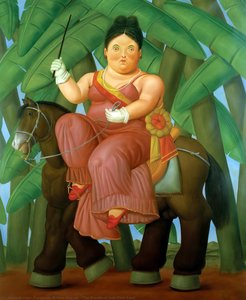
Fernando Botero

Colombian Born in Medellín Boterismo Wikipedia in 28/32 languages

Fernando Botero

In 1952, Botero used the money earned from his gallery sales to sail toward Europe. He spent time in the Prado Museum, where he would sit and copy the works of Goya and Velázquez. In 2000, he gave 208 art pieces to the Bank of the Republic.

Where to see His presence is felt in the quiet corners of Bogotá, specifically within the La Candelaria neighborhood.

Signature works · The 100 signature works

40of 99

Otto Dix

German Born in Untermhaus ['Neue Sachlichkeit', 'Dadaism', 'Expressionism'] Wikipedia in 28/32 languages

Otto Dix

The environment shaping Otto Dix is one of stark industrial labor and quiet, poetic undertones. His father, Franz Dix, works in an iron foundry, a setting defined by heavy toil. His presence in the permanent collections of major institutions, such as the Museum of Modern Art in New York, confirms his lasting importance.

Where to see The physical presence of Dix’s vision remains scattered across major international institutions.

Signature works · The 100 signature works

41of 99

Tamara de Lempicka

Polish Born in Warsaw Art Deco, Cubism Wikipedia in 30/32 languages

Tamara de Lempicka

Her success was cemented during the 1925 Exposition Internationale des Arts Décoratifs et Industriels Modernes in Paris, an event that helped push the Art Deco aesthetic into the mainstream. She moved through the high-society circles of Paris and later the celebrity landscapes of the United States, always maintaining a sense of controlled, architectural grace. The outbreak of World War II necessitated a move to the United States in 1939, where her work, so deeply tied to the pre-war European aesthetic, faced a changing artistic landscape.

Pupil of Maurice Denis #73

Signature works · The 100 signature works

42of 99

Maurice de Vlaminck

French Born in Paris Fauvism, Post-Impressionism Wikipedia in 26/32 languages

Maurice de Vlaminck

Vlaminck is considered a key figure in the Fauve movement (1904-1908), characterized by its intense use of color and simplified forms. Alongside André Derain and Henri Matisse, he was part of this revolutionary group that challenged traditional artistic conventions. Vincent van Gogh: A profound influence on Vlaminck was Vincent van Gogh.

Signature works · The 100 signature works

43of 99

Chaim Soutine

French Born in Smilavičy Expressionism Wikipedia in 26/32 languages

Chaim Soutine

While often categorized as an Expressionist, to label Soutine solely within this framework feels limiting. His style was profoundly individual, a compelling synthesis of traditional European painting —particularly the Dutch Masters like Rembrandt and Chardin, and the Realism of Courbet—filtered through a lens of raw emotional intensity.

Signature works · The 100 signature works

44of 99

Max Beckmann

German Born in Leipzig Expressionism, New Objectivity Wikipedia in 27/32 languages

Max Beckmann

Born into a middle-class family in Leipzig, Germany, Max Beckmann showed an early inclination toward drawing. By 1912, he was already tackling ambitious subjects that required a command of large-scale composition. While he often resisted the labels placed upon him, his work is widely considered a cornerstone of the German Expressionism movement.

Where to see Finding the physical traces of Beckmann's life requires traveling through the cities that shaped his exile and his later years.

Signature works · The 100 signature works

45of 99

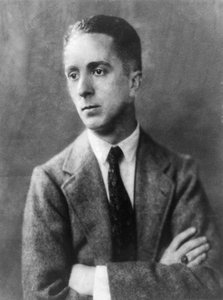
Norman Rockwell

American Born in New York City Wikipedia in 27/32 languages

Norman Rockwell

In 1916, he produced his first cover for The Saturday Evening Post, a beginning that would expand into a nearly fifty-year association with the magazine. Parallel to his work for the magazine, Rockwell maintained a deep, sixty-four-year relationship with the Boy Scouts of America. His ability to mirror the American experience granted his work a broad popular appeal across the United States, creating a shared visual language for a changing nation.

Signature works · The 100 signature works

46of 99

Raoul Dufy

French Born in Le Havre Fauvism Wikipedia in 27/32 languages

Raoul Dufy

By the 1920s, Dufy had fully blossomed into a master of what became known as his “stenographic” style. He painted orchestras, racecourses, and seascapes with an effervescent quality that captured the spirit of the Jazz Age. Despite facing health challenges later in life due to rheumatoid arthritis, Dufy continued to paint with unwavering dedication until his death in 1953.

Signature works · The 100 signature works

47of 99

Victor Vasarely

Hungarian-French Born in Pécs Op Art, Kinetic Art, Geometric Abstraction Wikipedia in 27/32 languages

Victor Vasarely

He did not rely on traditional light sources or classical chiaroscuro to create form. In works like Torony-Nagy, the intersection of crisp white lines with deep blues and emerald greens creates a rhythmic optical vibration. In 1982, his work traveled into space when serigraphs were included aboard the French-Soviet spacecraft Salyut 7.

Where to see Tracing the physical presence of his work requires traveling across several locations in France and Hungary.

Signature works · The 100 signature works

48of 99

Friedensreich Hundertwasser

Austrian Born in Vienna Organic architecture, Spiral art Wikipedia in 29/32 languages

Friedensreich Hundertwasser

Difficult Beginnings: Hundertwasser’s early life was marked by hardship, particularly during the Nazi era. The Spiral Motif: The spiral became a central motif in Hundertwasser’s work, symbolizing growth, harmony, and the cyclical nature of life – a direct contrast to the rigid geometry he despised. Champion of Ecological Causes: Hundertwasser was a passionate environmental activist who campaigned tirelessly for ecological awareness and sustainable practices.

Signature works · The 100 signature works

49of 99

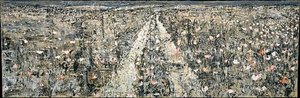
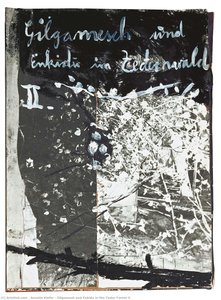
Anselm Kiefer

German Born in Donaueschingen Neo-Expressionism Wikipedia in 23/32 languages

Anselm Kiefer

As his career progressed, Kiefer’s international recognition grew through works that challenged the boundaries between painting, sculpture, and installation.

Pupil of Joseph Beuys #60

Signature works · The 100 signature works

50of 99

Niki de Saint Phalle

French-American Born in Neuilly-sur-Seine Nouveau Réalisme, Surrealism Wikipedia in 26/32 languages

Niki de Saint Phalle

Educated in both France and the United States – including a period in New York City – Saint Phalle demonstrated early on a refusal to conform, famously painting the fig leaves of sculptures red at her convent school, a gesture hinting at the iconoclasm that would define her career. Saint Phalle’s distinctive style—a vibrant fusion of Surrealism, Pop Art, and outsider art—created a unique visual language that resonated with audiences worldwide.

Signature works · The 100 signature works

51of 99

H.R. Giger

Swiss Born in Chur Biomechanical Surrealism Wikipedia in 24/32 languages

H.R. Giger

At the heart of Giger’s art lies a complex and unsettling vision—a world where humanity has merged with machinery. He often depicted figures caught in states of metamorphosis, suggesting a constant process of becoming and decay. The Giger Bar in Chur, Switzerland, and the Museum HR Giger Bar in Gruyères, France, are testament to his enduring fascination with biomechanical design—immersive environments that transport visitors into his surreal world.

Signature works · The 100 signature works

52of 99

Louise Bourgeois

French-American Born in 6th arrondissement of Paris Abstract Expressionism, Surrealism Wikipedia in 27/32 languages

Louise Bourgeois

Bourgeois’s arrival in New York City in 1938, following her marriage to art historian Robert Goldwater, marked a pivotal moment in her artistic development. Immersed in the vibrant art scene of post-war America, she became associated with the Abstract Expressionist movement, yet always maintained a distinct and intensely personal voice. As both a French and American artist, her contributions enrich the artistic traditions of both nations.

Signature works · The 100 signature works

53of 99

Zdzisław Beksiński

Polish Born in Sanok Surrealism Wikipedia in 25/32 languages

Zdzisław Beksiński

Born in 1929 in Sanok, Poland, Beksiński emerged as one of the most profound architects of the subconscious, crafting a visual language that transcends mere horror to touch upon the existential dread of the human condition. He tapped into a collective psyche, reflecting the anxieties of a post-war Europe and the deeper, more primal fears of mortality and oblivion.

Signature works · The 100 signature works

54of 99

Lucian Freud

British Born in Berlin Realism, Figurative art Wikipedia in 23/32 languages

Lucian Freud

He favored large hogs-hair brushes, applying paint with a physicality mirroring the subject matter itself. This created a textured surface, almost sculptural in quality, where every brushstroke revealed the weight and substance of flesh. Lucian Freud’s 60-year career left an indelible mark on British portraiture, challenging conventional notions of beauty and representation.

Signature works · The 100 signature works

55of 99

Henry Moore

British Born in Castleford Modernism, Abstract sculpture Wikipedia in 29/32 languages

Henry Moore

However, Moore wasn't simply a follower of trends; he synthesized these influences into something uniquely his own. A pivotal moment came during a visit to Mexico in 1925, where he encountered pre-Columbian sculptures – particularly those of the Aztec civilization.

Signature works · The 100 signature works

56of 99

Man Ray

American Born in Philadelphia Dada, Surrealism

Man Ray

His experimental films, such as Le Retour à la Raison (1923) and L'Étoile de Mer (1928), were characterized by their surreal imagery, unconventional editing techniques, and rejection of narrative conventions.

Signature works · The 100 signature works

58of 99

Balthus

French-Polish Born in Paris Classical, Figurative Wikipedia in 20/32 languages

Balthus

Born in Paris on February 29, 1908, into a family steeped in intellectual and artistic circles, his life was marked by an early immersion in culture and a deliberate rejection of prevailing artistic trends. His influence can be seen in the work of numerous contemporary artists, including Jan Saudek, Will Barnet, Duane Michals, and John Currin, who share his interest in figurative painting, psychological realism, and the exploration of complex emotional states.

Signature works · The 100 signature works

59of 99

Alberto Giacometti

Swiss Born in Borgonovo Surrealism, Existentialism

Alberto Giacometti

Giacometti's formal artistic journey began at the Geneva School of Fine Arts, but it was his move to Paris in 1922 that truly ignited his creative fire. The early years were marked by an exploration of Cubism, dismantling and reassembling forms in a manner reflective of the era’s intellectual ferment. Giacometti’s artistic contributions were recognized with increasing acclaim throughout his career, culminating in the Grand Prize for Sculpture at the Venice Biennale in 1962.

Signature works · The 100 signature works

60of 99

Joseph Beuys

German Born in Krefeld Fluxus, Performance Art Wikipedia in 28/32 languages

Joseph Beuys

He radically challenged conventional notions of creativity and authorship, emphasizing participation and social engagement.

Teacher of Anselm Kiefer #49

Signature works · The 100 signature works

61of 99

George Grosz

German Born in Berlin Berlin Dada, New Objectivity Wikipedia in 28/32 languages

George Grosz

The boy who would eventually dissect the soul of Berlin first learned the weight of loss in the Pomeranian town of Stolp, in the Free State of Prussia. Following this tragedy, he moved with his mother and sisters to the Wedding district of Berlin.

Signature works · The 100 signature works

62of 99

Jean Arp

German-French Born in Strasbourg Dada, Surrealism Wikipedia in 29/32 languages

Jean Arp

His work was featured in the first surrealist exhibition at the Galerie Pierre in Paris in 1925, solidifying his connection to this movement that delved into the realm of dreams and the subconscious. However, Arp didn't simply adopt Surrealism wholesale; he infused it with his own unique sensibility. He received increasing recognition in the post-World War II era, culminating in the Grand Prize for Sculpture at the Venice Biennale in 1954, and major retrospective exhibitions at the Museum of Modern Art in New York (1958) and the Musée National d’Art Moderne in Paris (1962).

Signature works · The 100 signature works

63of 99

Francis Picabia

French Born in Paris Cubism, Dada, Surrealism Wikipedia in 26/32 languages

Francis Picabia

His relentless experimentation, his rejection of convention, and his willingness to embrace contradiction paved the way for generations of artists who followed. His work anticipated many of the key developments in 20th-century art, from Pop Art to Conceptualism.

Signature works · The 100 signature works

64of 99

Claes Oldenburg

Swedish-American Born in Malmö Pop Art Wikipedia in 25/32 languages

Claes Oldenburg

To encounter the work of Claes Oldenburg is to witness a delightful subversion of reality, where the mundane is elevated to the monumental and the familiar becomes strangely surreal. Born in Stockholm, Sweden, in 1929, Oldenburg possessed an uncanny ability to strip the ordinary of its invisibility. Collaborative Vision: His partnership with Coosje van Bruggen demonstrated how shared creative voices could push the boundaries of scale and environmental integration.

Signature works · The 100 signature works

65of 99

Remedios Varo

Spanish-Mexican Born in Anglès Para-Surrealism Wikipedia in 19/32 languages

Remedios Varo

In the quiet corners of her studio, Remedios Varo worked with a meticulousness that mirrored the technical drawings of her father, a hydraulic engineer. Her upbringing in Anglès, Spain, provided a foundation of duality. She moved through the world with a curious eye, absorbing the landscapes of her frequent relocations and the formal training she received at the Real Academia de Bellas Artes de San Fernando in Madrid.

Signature works · The 100 signature works

66of 99

Theo van Doesburg

Dutch Born in Utrecht De Stijl, Neoplasticism Wikipedia in 27/32 languages

Theo van Doesburg

While celebrated as a painter, van Doesburg’s artistic pursuits were remarkably diverse. He was a prolific writer, poet, and critic, using his pen to articulate the theoretical underpinnings of De Stijl and challenge conventional notions of art. De Stijl, though relatively short-lived as a cohesive movement, exerted an enormous influence on subsequent artistic developments, including Bauhaus design, Minimalism, and Constructivism.

Signature works · The 100 signature works

67of 99

Andrew Wyeth

American Born in Chadds Ford Township Regionalism, Realism Wikipedia in 23/32 languages

Andrew Wyeth

Regionalism: Wyeth is often associated with the American Regionalist movement, which emphasized depictions of rural America during the 1930s. Egg Tempera and Watercolor: Wyeth primarily used egg tempera for his larger works, a medium known for its luminosity and detail. Birth and Background: Andrew Newell Wyeth was born on July 12, 1917, in Chadds Ford, Pennsylvania, to illustrator N.C.

Signature works · The 100 signature works

68of 99

Vladimir Tatlin

Ukrainian/Russian Born in Moscow Constructivism Wikipedia in 26/32 languages

Vladimir Tatlin

Vladimir Yevgrafovich Tatlin, born in Kharkiv, Ukraine in 1885, was more than just an artist; he was a philosophical architect of a new world order, a pivotal figure who shattered the conventions of early 20th-century art and laid the foundations for Constructivism. The ripples of his ideas were felt in Germany’s Bauhaus school, where similar explorations of form, function, and materials took place, as well as in various other forms of modern design.

Signature works · The 100 signature works

70of 99

László Moholy-Nagy

Hungarian Born in Bácsborsód Constructivism, Bauhaus Wikipedia in 29/32 languages

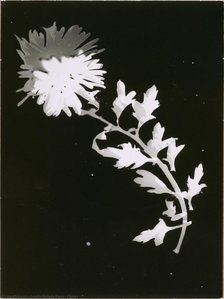
László Moholy-Nagy

Joining the Bauhaus: In 1923, Moholy-Nagy joined the Bauhaus school in Weimar, Germany, initially co-teaching the preliminary course with Josef Albers and eventually replacing Johannes Itten as head of the metal workshop. Shifting the Bauhaus Direction: His arrival marked a shift away from Expressionism towards a more Constructivist and design-oriented approach, aligning with the school’s original aims. Education and War Service: He initially studied law in Budapest before serving in World War I, sustaining a serious injury.

Signature works · The 100 signature works

71of 99

Aubrey Beardsley

British Born in Brighton Art Nouveau, Decadent art Wikipedia in 27/32 languages

Aubrey Beardsley

beardsley's black ink drawings were influenced by japanese woodcuts, depicting the grotesque, the decadent, and the erotic. his work is characterized by elaborate composition, refined lines, and exploration of themes such as sexual identity. beardsley's contribution to the development of art nouveau was significant, despite his tragically short life.

Signature works · The 100 signature works

73of 99

Maurice Denis

French Born in Granville Nabis, Symbolism Wikipedia in 26/32 languages

Maurice Denis

Throughout his career, Denis’s style underwent a fascinating evolution. While remaining committed to the principles of symbolism and spiritual expression, he experimented with various techniques and influences. He was also a prolific writer and art critic, articulating his aesthetic theories in numerous essays and articles.

Teacher of Tamara de Lempicka #41

Signature works · The 100 signature works

74of 99

Frank Stella

American Born in Malden ['Minimalism', 'Post-Painterly Abstraction'] Wikipedia in 22/32 languages

Frank Stella

Frank Stella, who passed away on May 4, 2024, at the age of 87, was a towering figure in American art, a relentless innovator whose career spanned seven decades and challenged conventional notions of painting, sculpture, and architectural design. His commission for the BMW Art Car Project in 1976 showcased his ability to adapt his distinctive drawing style to an unconventional canvas: a 3.0 CSL racing car.

Signature works · The 100 signature works

75of 99

Leonora Carrington

British-Mexican Born in Clayton-le-Woods Surrealism Wikipedia in 22/32 languages

Leonora Carrington

Leonora Carrington’s art is a captivating tapestry woven with threads of mythology, folklore, alchemy, Kabbalah, and deeply personal symbolism. Arca de Noé (1967), a vibrant depiction of Noah’s Ark teeming with fantastical creatures, exemplifies her exploration of creation and renewal. Her close friendship and collaborative spirit with fellow Surrealist Remedios Varo fostered an exchange of ideas centered on alchemy, Mayan mysticism, and esoteric knowledge.

Signature works · The 100 signature works

76of 99

Maria Prymachenko

Ukrainian Born in Bolotnia Naive art, Folk art Wikipedia in 26/32 languages

Maria Prymachenko

Primachenko’s art is often described as “naive,” a term that can be deceptively limiting. This led to an invitation to participate in experimental workshops at the Kyiv Museum of Ukrainian Art, marking a pivotal moment in her artistic journey. The recent attacks on Ivankiv Historical and Local History Museum, which housed many of her paintings, have only served to underscore the importance of preserving her legacy—a cultural treasure that embodies the heart and soul of a nation.

Signature works · The 100 signature works

77of 99

David Alfaro Siqueiros

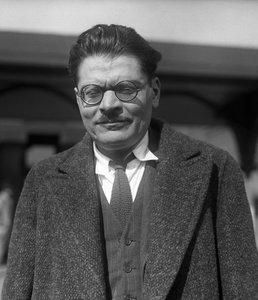
Mexican Born in Chihuahua City Social Realism, Muralism Wikipedia in 24/32 languages

David Alfaro Siqueiros

As one of the “big three” Mexican muralists – alongside Diego Rivera and José Clemente Orozco – he played an instrumental role in establishing Mexican muralism as a significant artistic movement, transforming public spaces into canvases for social commentary.

Signature works · The 100 signature works

78of 99

Sonia Delaunay

French Born in Odesa Orphism & Abstract Art Wikipedia in 24/32 languages

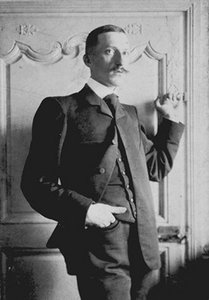
Sonia Delaunay

Sonia Delaunay, born Sarah Ilinitchna Stern in 1885 within the vibrant atmosphere of Kiev, Ukraine, remains a monumental figure whose brushstrokes helped redefine the boundaries of modern art. The seeds of her genius were sown during her studies at the Saint Petersburg Academy of Arts, where she developed a rigorous technical foundation. The historical significance of Sonia Delaunay lies in her refusal to accept the boundaries between "high art" and "applied art." Her career was a continuous dialogue between the canvas, the loom, and the stage.

Signature works · The 100 signature works

79of 99

Sigmar Polke

German Born in Oleśnica ['Capitalist Realism', 'Neo-Expressionism'] Wikipedia in 22/32 languages

Sigmar Polke

His early life was marked by displacement; as a child, he fled with his family first to Thuringia and then, seeking refuge from Communist rule, to West Germany in 1953. He stands as one of the most important and influential artists of the postwar era, bridging Pop art, Conceptual art, and Neo-Expressionism.

Signature works · The 100 signature works

80of 99

Giacomo Balla

Italian Born in Turin Divisionism and Futurism Wikipedia in 25/32 languages

Giacomo Balla

Futurism: A pivotal moment was his embrace of Futurism after meeting Filippo Tommaso Marinetti. Later Work: In later years, he distanced himself from the more radical aspects of Futurism, returning to a more traditional figurative style. Historical Significance: As a founding member of the Futurist movement, Balla played a vital role in developing its aesthetic principles and promoting its influence across various art forms.

Signature works · The 100 signature works

81of 99

Richard Hamilton

British Born in London Pop Art Wikipedia in 21/32 languages

Richard Hamilton

His formal training began at the Royal Academy School of Art, where he encountered fellow students who shared his growing fascination with popular culture—a nascent interest that would define his career trajectory. He later refined his skills at the Slade School of Art under the tutelage of William Coldstream, solidifying his technical foundation while simultaneously challenging conventional artistic boundaries. Notably, his design for the album cover of The Beatles ’ ‘The White Album’, a limited-edition print with a unique serial number on each copy, exemplifies his ability to seamlessly integrate art into popular culture.

Signature works · The 100 signature works

82of 99

Helen Frankenthaler

American Born in Manhattan Abstract Expressionism, Color Field Wikipedia in 19/32 languages

Helen Frankenthaler

While celebrated for her pioneering work with stain painting, Helen Frankenthaler was an artist of relentless experimentation. Throughout her career, Frankenthaler fearlessly explored diverse media, including ceramics, sculpture, tapestry, and printmaking – particularly woodcuts. Frankenthaler’s impact on the art world was recognized early in her career with inclusion in the influential “Fifteen Unknowns” exhibition in 1950 and her first solo show at Tibor de Nagy Gallery in 1951.

Signature works · The 100 signature works

83of 99

Natalia Goncharova

Russian Born in Nagaevo-Karbonier Rayonism, Cubo-Futurism Wikipedia in 22/32 languages

Natalia Goncharova

In 1915, she began a fruitful collaboration with Sergei Diaghilev's Ballets Russes, designing costumes and sets that brought a new level of visual spectacle to the stage. Following the Russian Revolution, Goncharova settled in Paris in 1921, continuing to work as a designer and painter. This period witnessed Goncharova’s early engagement with the Russian art world, marked by participation in exhibitions and recognition—a silver medal for sculpture in 1903 signaled her rising talent.

Signature works · The 100 signature works

84of 99

Yves Tanguy

French-American Born in 8th arrondissement of Paris Surrealism Wikipedia in 26/32 languages

Yves Tanguy

His father, a retired naval captain of Breton origin, passed away when Tanguy was eight, leading to a childhood spent moving between relatives in Brittany. A pivotal moment arrived in 1923 when, while riding a bus through Paris, he glimpsed paintings by Giorgio de Chirico. He died unexpectedly on January 15, 1955, and, true to his enigmatic nature, requested that his ashes be scattered on the beach at Douarnenez in Brittany, alongside those of Kay Sage after her passing in 1963, returning him to the land that had first inspired his unique vision.

Signature works · The 100 signature works

86of 99

Cy Twombly

American Born in Lexington Abstract Expressionism, Postmodern Wikipedia in 21/32 languages

Cy Twombly

Throughout the 1960s, Twombly’s style began to coalesce around a distinctive vocabulary of scribbled lines, gestural marks, and fragmented words on expansive canvases. Cold Stream (1966), with its swirling loops and bold text, is a powerful example of this evocative style. He paved the way for painters like Jean-Michel Basquiat, Anselm Kiefer, Francesco Clemente, and Julian Schnabel, who embraced a similar spirit of experimentation and emotional intensity.

Signature works · The 100 signature works

87of 99

Lyonel Feininger

German-American Born in New York City Expressionism, Cubism Wikipedia in 23/32 languages

Lyonel Feininger

Early Marine Paintings: During summer vacations on the island of Usedom (1909-1918), Feininger created numerous marine paintings depicting the Baltic Sea, showcasing his evolving style. Photographic Works: Between 1928 and the mid-1950s, Feininger produced a substantial body of photographic works, demonstrating his versatility as an artist. First Solo Exhibition: His first solo exhibition at the Sturm Gallery in Berlin (1917) was a pivotal moment, establishing him as a prominent figure in the art world.

Pupil of Robert Delaunay #38

Signature works · The 100 signature works

88of 99

Amrita Sher-Gil

Hungarian-Indian Born in Budapest Modern Indian art, Avant-garde Wikipedia in 20/32 languages

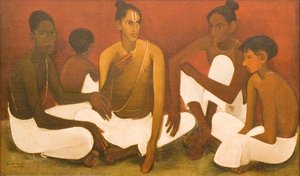
Amrita Sher-Gil

Amrita Sher-Gil’s style is instantly recognizable for its bold use of color, simplified forms, and expressive figures. She didn’t merely depict what she saw; she imbued her paintings with emotion, creating works that are both visually stunning and deeply moving. She is rightfully regarded as a pioneer of modern Indian painting, bridging Western artistic techniques with indigenous traditions and paving the way for future generations of artists.

Signature works · The 100 signature works

89of 99

Karel Appel

Dutch Born in Amsterdam CoBrA, Expressionism

Karel Appel

Appel’s artistic journey truly ignited with the formation of the CoBrA group in 1948 – an acronym derived from Copenhagen, Brussels, and Amsterdam, representing the movement's core cities. Alongside Corneille, Constant, Jan Nieuwenhuys, and Christian Dotremont, Appel spearheaded a radical departure from established artistic norms. The foundation now serves as his official estate and image archive, represented in the U.S. by The Artists Rights Society.

Signature works · The 100 signature works

91of 99

Aleksandr Rodchenko

Born in Saint Petersburg

Aleksandr Rodchenko

Early Influences: Rodchenko was profoundly impacted by the avant-garde movements of Cubism and Futurism, which shaped his abstract and austere style. His artistic journey involved a constant questioning of traditional art forms and a search for new modes of expression suited to the modern age. He initially experimented with painting, exploring various styles before finding his unique voice.

Signature works · The 100 signature works

92of 99

Paula Rego

Portuguese Born in Lisbon Surrealism, Expressionism, Feminist Art Wikipedia in 18/32 languages

Paula Rego

As a prominent member of The London Group and an Associate Artist at the National Gallery, she occupied a central position in the British modernist movement. Her exhibitions at prestigious institutions like the Calouste Gulbenkian Foundation and the Tate solidified her reputation on the international stage, ensuring that her vision reached far beyond the borders of the UK and Portugal.

Signature works · The 100 signature works

93of 99

Josef Albers

German-American Born in Bottrop Geometric abstraction Wikipedia in 27/32 languages

Josef Albers

His tenure as head of the design department at Yale University, from 1950 until his retirement in 1958, cemented his reputation as a profoundly influential teacher.

Signature works · The 100 signature works

94of 99

František Kupka

Czech Born in Opočno ['Realism', 'Symbolism', 'Orphism', 'Cubism', 'Abstraction'] Wikipedia in 24/32 languages

František Kupka

The move to Paris in 1894 changed the direction of his work. The paintings from this era show a departure from the representational style he had practiced in Prague and Vienna. His creative output is often viewed alongside the works of Piet Mondrian and Wassily Kandinsky, marking a shift toward a visual language that prioritized the interaction of color and shape over the depiction of the physical world.

Where to see To see his canvases in person, one might travel to New York City.

Signature works · The 100 signature works

95of 99

Paula Modersohn-Becker

German Born in Dresden Expressionism Wikipedia in 24/32 languages

Paula Modersohn-Becker

Paula Modersohn-Becker, a name that resonates with quiet power in the annals of early modern art, was an artist who dared to look inward. Immersing herself in the vibrant art scene of the French capital, she encountered the works of Paul Cézanne, Paul Gauguin, Vincent van Gogh, and other Post-Impressionist masters.

Signature works · The 100 signature works

96of 99

Kurt Schwitters

Born in Hanover Wikipedia in 25/32 languages

Kurt Schwitters

The devastation of World War I profoundly impacted his artistic direction. “In the war, things were in terrible turmoil…everything had broken down and new things had to be made out of the fragments; and this is Merz.”. While associated with Dadaism, Schwitters maintained a distinct artistic identity.

Signature works · The 100 signature works

97of 99

José Clemente Orozco

Mexican Born in Ciudad Guzmán Mexican Muralism Wikipedia in 25/32 languages

José Clemente Orozco

Orozco’s mastery lay not only in his ability to convey powerful emotions but also in his innovative use of fresco technique. Omnisciencia, painted in 1925, exemplifies this approach—a powerful exploration of social justice rendered with vibrant expressionism and layered symbolism. His murals can be found in prominent locations around the world, including the Baker-Berry Library at Dartmouth College in Hanover, New Hampshire, where his Epic of American Civilization stands as a testament to his artistic vision and intellectual depth.

Signature works · The 100 signature works

98of 99

Carlo Carrà

Italian Born in Quargnento Futurism, Metaphysical art Wikipedia in 23/32 languages

Carlo Carrà

A sojourn to Paris at the turn of the century, decorating pavilions for the Exposition Universelle, exposed him to burgeoning currents of contemporary French art, a crucial awakening that broadened his horizons beyond Italian provincialism. Returning to Milan in 1901, Carrà honed his skills, eventually enrolling at the Brera Academy in 1906, studying under Cesare Tallone. He was pivotal in both Futurism and Metaphysical Painting, pushing boundaries and challenging norms.

Signature works · The 100 signature works

99of 99

Maria Helena Vieira da Silva

Portuguese-French Born in Lisbon Abstract Art, Art Informel Wikipedia in 17/32 languages

Maria Helena Vieira da Silva

Vieira da Silva’s artistic development was shaped by a diverse range of influences. The fragmented forms and spatial distortions of Cubism also left an indelible mark, informing her approach to composition and the depiction of space.

Signature works · The 100 signature works

Signature works

Signature Modern works

  1. Guernica by Pablo Picasso

    Guernica

    Pablo Picasso

    1937 · Museo Nacional Centro de Arte Reina Sofía, Madrid

  2. Marilyn Diptych by Andy Warhol

    Marilyn Diptych

    Andy Warhol

    1962

  3. Frida Kahlo - `The Two Fridas` by Frida Kahlo

    Frida Kahlo - `The Two Fridas`

    Frida Kahlo

    1939

  4. Rainy Taxi (Mannequin Rotting in a Taxi-Cab) by Salvador Dalí

    Rainy Taxi (Mannequin Rotting in a Taxi-Cab)

    Salvador Dalí

    1938

  5. Composition with Red, Blue and Yellow by Piet Mondrian

    Composition with Red, Blue and Yellow

    Piet Mondrian

    1930

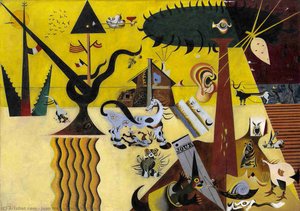
  6. The Tilled Field by Joan Miró

    The Tilled Field

    Joan Miró

    1924 · Solomon R. Guggenheim Museum, New York City

  7. The Birthday by Marc Chagall

    The Birthday

    Marc Chagall

    1915

  8. L.H.O.O.Q, Mona Lisa with moustache by Marcel Duchamp

    L.H.O.O.Q, Mona Lisa with moustache

    Marcel Duchamp

    1919

A timeline

Modern through its signature works

  1. 1906
  2. 1912
  3. 1913
  4. 1915
  5. 1915
  6. 1915
  7. 1919
  8. 1923
  9. 1925
  10. 1930
  11. 1936
  12. 1938
  13. 1942
  14. 1944

Figures

The figures

Every name

List of 99 famous Modern painters, every name

  1. 1Pablo PicassoPablo PicassoSpanish · 1881–1973
  2. 2Andy WarholAndy WarholAmerican · 1928–1987
  3. 3Frida KahloFrida KahloMexican · 1907–1954
  4. 4Salvador DalíSalvador DalíSpanish · 1904–1989
  5. 5Piet MondrianPiet Mondrian1872–1944
  6. 6Joan MiróJoan MiróSpanish · 1893–1983
  7. 7Marc ChagallMarc ChagallRussian-French · 1887–1985
  8. 8Marcel DuchampMarcel DuchampFrench American · 1887–1968
  9. 9Paul KleePaul KleeGerman and Swiss · 1879–1940
  10. 10Jackson PollockJackson PollockAmerican · 1912–1956
  11. 11Kazimir MalevichKazimir Malevich1879–1935
  12. 12Amedeo ModiglianiAmedeo ModiglianiItalian · 1884–1920
  13. 13Georges BraqueGeorges BraqueFrench · 1882–1963
  14. 14René MagritteRené MagritteBelgian · 1898–1967
  15. 15David HockneyDavid HockneyBritish · 1937–2026
  16. 16Egon SchieleEgon SchieleAustrian · 1890–1918
  17. 17Max ErnstMax ErnstGerman · 1891–1976
  18. 18Francis BaconFrancis BaconIrish · 1909–1992
  19. 19Gerhard RichterGerhard RichterGerman · born 1932
  20. 20Willem de KooningWillem de KooningDutch-American · 1904–1997
  21. 21Jasper JohnsJasper JohnsAmerican · born 1930
  22. 22Roy LichtensteinRoy LichtensteinAmerican · 1923–1997
  23. 23Georgia O'KeeffeGeorgia O'KeeffeAmerican · 1887–1986
  24. 24Mark RothkoMark RothkoAmerican · 1903–1970
  25. 25Edward HopperEdward HopperAmerican · 1882–1967
  26. 26Franz MarcFranz MarcGerman · 1880–1916
  27. 27Diego RiveraDiego RiveraMexican · 1886–1957
  28. 28Fernand LégerFernand LégerFrench · 1881–1955
  29. 29Giorgio de ChiricoGiorgio de ChiricoItalian · 1888–1978
  30. 30Umberto BoccioniUmberto Boccioni1882–1916
  31. 31Oskar KokoschkaOskar KokoschkaAustrian, Czech, British · 1886–1980
  32. 32Yayoi KusamaYayoi KusamaJapanese · 1929–2026
  33. 33Ernst Ludwig KirchnerErnst Ludwig KirchnerGerman · 1880–1938
  34. 34Juan GrisJuan GrisSpanish · 1887–1927
  35. 35Arshile GorkyArshile GorkyArmenian-American · 1904–1948
  36. 36Jean DubuffetJean DubuffetFrench · 1901–1985
  37. 37André DerainAndré DerainFrench · 1880–1954
  38. 38Robert DelaunayRobert DelaunayFrench · 1885–1941
  39. 39Fernando BoteroFernando BoteroColombian · 1932–2023
  40. 40Otto DixOtto DixGerman · 1891–1969
  41. 41Tamara de LempickaTamara de LempickaPolish · 1898–1980
  42. 42Maurice de VlaminckMaurice de VlaminckFrench · 1876–1958
  43. 43Chaim SoutineChaim SoutineFrench · 1893–1943
  44. 44Max BeckmannMax BeckmannGerman · 1884–1950
  45. 45Norman RockwellNorman RockwellAmerican · 1894–1978
  46. 46Raoul DufyRaoul DufyFrench · 1877–1953
  47. 47Victor VasarelyVictor VasarelyHungarian-French · 1906–1997
  48. 48Friedensreich HundertwasserFriedensreich HundertwasserAustrian · 1928–2000
  49. 49Anselm KieferAnselm KieferGerman · born 1945
  50. 50Niki de Saint PhalleNiki de Saint PhalleFrench-American · 1930–2002
  51. 51H.R. GigerH.R. GigerSwiss · 1940–2014
  52. 52Louise BourgeoisLouise BourgeoisFrench-American · 1911–2010
  53. 53Zdzisław BeksińskiZdzisław BeksińskiPolish · 1929–2005
  54. 54Lucian FreudLucian FreudBritish · 1922–2011
  55. 55Henry MooreHenry MooreBritish · 1898–1986
  56. 56Man RayMan RayAmerican · 1890–1976
  57. 57Robert RauschenbergRobert RauschenbergAmerican · 1925–2008
  58. 58BalthusBalthusFrench-Polish · 1908–2001
  59. 59Alberto GiacomettiAlberto GiacomettiSwiss · 1901–1966
  60. 60Joseph BeuysJoseph BeuysGerman · 1921–1986
  61. 61George GroszGeorge GroszGerman · 1893–1959
  62. 62Jean ArpJean ArpGerman-French · 1886–1966
  63. 63Francis PicabiaFrancis PicabiaFrench · 1879–1953
  64. 64Claes OldenburgClaes OldenburgSwedish-American · 1929–2022
  65. 65Remedios VaroRemedios VaroSpanish-Mexican · 1908–1963
  66. 66Theo van DoesburgTheo van DoesburgDutch · 1883–1931
  67. 67Andrew WyethAndrew WyethAmerican · 1917–2009
  68. 68Vladimir TatlinVladimir TatlinUkrainian/Russian · 1885–1953
  69. 69Georges RouaultGeorges RouaultFrench · 1871–1958
  70. 70László Moholy-NagyLászló Moholy-NagyHungarian · 1895–1946
  71. 71Aubrey BeardsleyAubrey BeardsleyBritish · 1872–1898
  72. 72Alexander CalderAlexander CalderScottish-American · 1898–1976
  73. 73Maurice DenisMaurice DenisFrench · 1870–1943
  74. 74Frank StellaFrank StellaAmerican · 1936–2024
  75. 75Leonora CarringtonLeonora CarringtonBritish-Mexican · 1917–2011
  76. 76Maria PrymachenkoMaria PrymachenkoUkrainian · 1908–1997
  77. 77David Alfaro SiqueirosDavid Alfaro SiqueirosMexican · 1896–1974
  78. 78Sonia DelaunaySonia DelaunayFrench · 1885–1979
  79. 79Sigmar PolkeSigmar PolkeGerman · 1941–2010
  80. 80Giacomo BallaGiacomo BallaItalian · 1871–1958
  81. 81Richard HamiltonRichard HamiltonBritish · 1922–2011
  82. 82Helen FrankenthalerHelen FrankenthalerAmerican · 1928–2011
  83. 83Natalia GoncharovaNatalia GoncharovaRussian · 1881–1962
  84. 84Yves TanguyYves TanguyFrench-American · 1900–1955
  85. 85Dorothea TanningDorothea TanningAmerican · 1910–2012
  86. 86Cy TwomblyCy TwomblyAmerican · 1928–2011
  87. 87Lyonel FeiningerLyonel FeiningerGerman-American · 1871–1956
  88. 88Amrita Sher-GilAmrita Sher-GilHungarian-Indian · 1913–1941
  89. 89Karel AppelKarel AppelDutch · 1921–2006
  90. 90Barnett NewmanBarnett NewmanAmerican · 1905–1970
  91. 91Aleksandr RodchenkoAleksandr Rodchenko1891–1956
  92. 92Paula RegoPaula RegoPortuguese · 1935–2022
  93. 93Josef AlbersJosef AlbersGerman-American · 1888–1976
  94. 94František KupkaFrantišek KupkaCzech · 1871–1957
  95. 95Paula Modersohn-BeckerPaula Modersohn-BeckerGerman · 1876–1907
  96. 96Kurt SchwittersKurt Schwitters1887–1948
  97. 97José Clemente OrozcoJosé Clemente OrozcoMexican · 1883–1949
  98. 98Carlo CarràCarlo CarràItalian · 1881–1966
  99. 99Maria Helena Vieira da SilvaMaria Helena Vieira da SilvaPortuguese-French · 1908–1992

Questions

Your questions

Read

Stories on OriginalUniqueArt.com

Other movements

Famous artists of other movements

Other periods

Famous artists across the periods

Famous paintings

Masterpieces that inspire us, by movement

Discover more

More artists to discover