Neoclassicist, one artist at a time

100 Famous Neoclassicist Artists Who Shaped the Movement

Jacques-Louis David (1748–1825) is the most famous Neoclassicist artist, whose singular vision gave us The Death of Marat and The Oath of the Horatii. Next stand Jean-Auguste-Dominique Ingres, Élisabeth Louise Vigée Le Brun, Joshua Reynolds and Antonio Canova. These 100 artists, from Jonathan Richardson the Elder (born 1667) to Herbert James Draper (born 1863), came from 16 countries.

Our selection. Artists whose works our catalogue attaches to Neoclassicist, in the order of our fame ranking. Artists born after 1955 with no Wikidata identifier stay out until verified. The Wikipedia figure counts our 32 languages with an article on the artist.

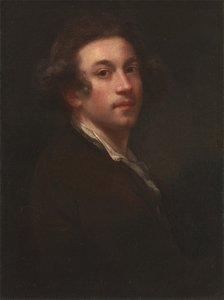
  1. The Death of Marat by Jacques-Louis David1Jacques-Louis David
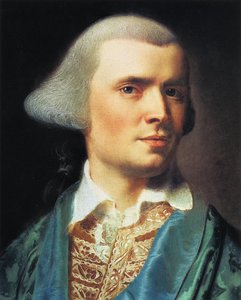
  2. The Vow of Louis XIII by Jean-Auguste-Dominique Ingres2Jean-Auguste-Dominique Ingres
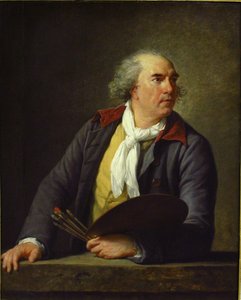
  3. Self Portrait with Her Daughter, Julie by Élisabeth Louise Vigée Le Brun3Élisabeth Louise Vigée Le Brun

In brief

Neoclassicist in brief

  • 100Artists
  • 1667–1863Years of birth
  • 16Countries of birth
  • 5Women
  • 15,323Works in our catalogue
Cities with most births
Paris (13), Rome (3), London (3), Dublin (3)
Museums holding the most key works
The Louvre (17), Metropolitan Museum of Art (14), Hermitage Museum (7), Detroit Institute of Arts (6)

One artist at a time

100 Neoclassicist Artists and their signature works

1of 100

Jacques-Louis David

French Born in Paris Neoclassicism Wikipedia in 31/32 languages

Jacques-Louis David

He maintained a close friendship with Maximilien Robespierre, a connection that placed him at the very center of the era's most intense political machinations. The Lictors Returning to Brutus the Bodies of his Sons (1789). His influence reached into the radical shifts of the modern era, finding unexpected echoes in the work of Henri Matisse and Pablo Picasso.

Where to see The physical presence of David’s oeuvre is scattered across the major repositories of European and international art.

Pupil of Joseph Marie Vien #19 · Teacher of Christoffer Wilhelm Eckersberg #29, Jean-Baptiste Isabey #74

Signature works · The 100 signature works

2of 100

Jean-Auguste-Dominique Ingres

French Born in Montauban Neoclassicism Wikipedia in 32/32 languages

Jean-Auguste-Dominique Ingres

Having won the Grand Prix de Rome in 1801, Ingres arrives in Rome to begin a residency that will define his middle years. His presence in Italy is long-lasting, eventually leading to his appointment as the Director of the Academy of France in Rome in 1834. When he died in 1867, the landscape of French art had shifted.

Where to see The traces of his hand remain scattered across major global institutions.

Pupil of Jacques-Louis David #1 · Teacher of Hippolyte Flandrin #54

Signature works · The 100 signature works

3of 100

Élisabeth Louise Vigée Le Brun

French Born in Paris Rococo and Neoclassical Wikipedia in 30/32 languages

Élisabeth Louise Vigée Le Brun

Louise Élisabeth Vigée Le Brun enters a city defined by the strict hierarchies of the Ancien Régime. She is born to Jeanne Maisin, a hairdresser from a peasant background, and Louis Vigée, a portraitist, pastellist, and member of the Académie de Saint-Luc. Portrait of Marie-Gabrielle de Gramont, Comtesse de Caderousse (1784).

Where to see Vigée Le Brun remains a pioneer for women in the arts, having navigated a professional landscape almost exclusively reserved for men.

Signature works · The 100 signature works

4of 100

Joshua Reynolds

British Born in Plympton Grand Style Wikipedia in 31/32 languages

Joshua Reynolds

Between 1750 and 1752, Reynolds traveled to Italy. He returned to England with a clear vision for how British art could move beyond simple likenesses. His works remain central to the study of this era, held in significant collections such as the National Gallery and the National Portrait Gallery Collection.

Pupil of Thomas Hudson #67

Signature works · The 100 signature works

5of 100

Antonio Canova

Italian Born in Possagno Neoclassicism Wikipedia in 30/32 languages

Antonio Canova

Defining Neoclassicism: Canova’s work is characterized by its elegant forms, idealized figures, and a return to the aesthetic principles of ancient Greece and Rome. International Acclaim: Commissions from across Europe, including a statue of Theseus and the Minotaur for Girolamo Zulian (Venetian ambassador to Rome), cemented his status as one of the most celebrated artists in Europe. Monumental Commissions: He received prestigious commissions for tombs, most notably the elaborate Tomb of Pope Clement XIII in St.

Signature works · The 100 signature works

6of 100

Anton Raphael Mengs

German-Bohemian Born in Ústí nad Labem Neoclassical painting Wikipedia in 27/32 languages

Anton Raphael Mengs

While rooted in the Baroque tradition – evident in his dramatic use of light and shadow and his mastery of illusionistic techniques – Mengs courageously embraced the emerging principles of Neoclassicism, paving the way for artists like Jacques-Louis David and Antonio Canova.

Signature works · The 100 signature works

7of 100

Angelica Kauffmann

Swiss Born in Chur Neoclassical Painting Wikipedia in 27/32 languages

Angelica Kauffmann

Born Maria Anna Angelika Kauffmann on October 30, 1741, in Chur, Switzerland, her life was a masterful composition of cultural fluency and artistic ambition. In 1768, she achieved the extraordinary distinction of being named one of the two female founding members of the Royal Academy of Art in London, alongside Mary Moser.

Signature works · The 100 signature works

8of 100

Antoine-Jean Gros

French Born in Paris Neoclassicism & Romanticism Wikipedia in 26/32 languages

Antoine-Jean Gros

The influence of Venetian masters like Titian and Veronese, with their rich color palettes and dynamic compositions, became increasingly apparent. His portraits, such as Equestrian Portrait of Prince Boris Yusupov, demonstrate a remarkable ability to capture both physical likeness and psychological depth. Following Napoleon’s downfall, Gros faced a period of artistic uncertainty.

Pupil of Jacques-Louis David #1

Signature works · The 100 signature works

9of 100

Bertel Thorvaldsen

Born in Copenhagen Wikipedia in 29/32 languages

Bertel Thorvaldsen

Rome proved to be the ideal environment for Thorvaldsen’s artistic development. He immersed himself in the study of classical antiquity, meticulously copying ancient sculptures and absorbing their principles of form and proportion. However, he gradually moved away from Canova’s more flamboyant style towards a greater emphasis on simplicity and restraint.

Signature works · The 100 signature works

10of 100

Anne-Louis Girodet

French Born in Montargis Neoclassicism & Romanticism Wikipedia in 23/32 languages

Anne-Louis Girodet

They can be found in prestigious museums such as the Musée Girodet in his hometown of Montargis, dedicated to his life and work, and the Louvre in Paris, ensuring that his legacy endures for generations to come.

Pupil of Jacques-Louis David #1

Signature works · The 100 signature works

11of 100

Thomas Lawrence

British Born in Bristol Regency portraiture Wikipedia in 22/32 languages

Thomas Lawrence

His personal life was marked by tumultuous relationships, most notably with Sally and Maria Siddons, daughters of the celebrated actress Sarah Siddons.

Signature works · The 100 signature works

12of 100

John Singleton Copley

American-born British Born in Boston Neo-Classicism, Rococo Wikipedia in 22/32 languages

John Singleton Copley

He did not merely replicate the decorative flourishes of his predecessors; he tempered them with a rigorous, Neo-Classical vision. His work avoids the superficiality often found in purely decorative styles by grounding every composition in anatomical accuracy and psychological depth.

Signature works · The 100 signature works

13of 100

Benjamin West

American Born in Springfield Township Neoclassical, Romanticism Wikipedia in 19/32 languages

Benjamin West

The Death of General Wolfe (1770), arguably his most famous work, exemplifies this revolutionary approach. Other notable pieces like Thetis Bringing the Armor to Achilles, The Three Sisters, The Fright of Astyanax, and The Cave of Despair demonstrate his versatility and mastery across a range of mythological and historical themes. Born in 1738 amidst the burgeoning landscape of colonial Pennsylvania, Benjamin West emerged as a pivotal figure in the transatlantic art world, a painter who skillfully navigated the currents of Neoclassicism and Romanticism while forging a uniquely American artistic identity.

Teacher of John Trumbull #24

Signature works · The 100 signature works

14of 100

Robert Adam

Scottish Born in Kirkcaldy Neoclassical Wikipedia in 29/32 languages

Robert Adam

Born in Kirkcaldy, Scotland, on July 3rd, 1728, Robert Adam emerged from a family already deeply entrenched in the world of architecture. However, it was a journey beyond Scotland’s borders – the Grand Tour of 1754-1757 – that truly catalyzed Adam’s artistic evolution.

Pupil of Giovanni Battista Piranesi #63

Signature works · The 100 signature works

15of 100

Pompeo Batoni

Italian Born in Lucca Baroque and Neoclassicism Wikipedia in 19/32 languages

Pompeo Batoni

Batoni's style drew inspiration from classical antiquity, French Rococo, Bolognese Classicism, and artists such as Nicolas Poussin, Claude Lorrain, and especially Raphael. His work can be found in various museums, including the Pinacoteca di Brera in Milan, Italy.

Signature works · The 100 signature works

16of 100

Gilbert Stuart

American Born in North Kingstown Neoclassical Wikipedia in 19/32 languages

Gilbert Stuart

Stuart's career faced challenges during the American Revolution, prompting him to relocate to England in 1775. His most famous work is the unfinished portrait of George Washington, known as the Athenaeum Portrait (begun in 1796). Cosmo Alexander provided early training in technique and composition.

Teacher of Thomas Sully #42

Signature works · The 100 signature works

17of 100

Karl Friedrich Schinkel

Prussian Born in Neuruppin Neoclassical, Gothic Revival Wikipedia in 30/32 languages

Karl Friedrich Schinkel

Karl Friedrich Schinkel, born in Neuruppin, Germany, in 1781, occupies a singular position within the annals of 19th-century art and architecture. The devastating fire that ravaged Neuruppin in 1787, tragically claiming his father’s life while Schinkel was still a young boy, cast a long shadow over his formative years. He received early mentorship under Friedrich Gilly and his father David Gilly, both influential architects in Berlin, absorbing their classical principles while simultaneously encountering more experimental ideas – a crucial blend that shaped his developing aesthetic sensibilities.

Signature works · The 100 signature works

18of 100

George Romney

British Born in Dalton-in-Furness Romanticism, Neoclassicism Wikipedia in 22/32 languages

George Romney

Romney’s approach to the canvas was defined by a delicate balance between meticulous detail and expressive brushwork. Portrait of Sir Chaloner Ogle, 1st Baronet (1782). His ability to navigate the shifting social hierarchies of the Georgian era ensured his presence in the most fashionable salons of the time. 1763: Jacob Morland of Capplethwaite. 1765: Portrait of a Lady. 1767: Portrait of a Girl.

Where to see The distribution of Romney’s surviving canvases reflects the geographic arc of his life, from his northern roots to his eventual prominence in the capital.

Signature works · The 100 signature works

19of 100

Joseph Marie Vien

Spanish Born in Montpellier Still-life painting Wikipedia in 15/32 languages

Joseph Marie Vien

Itō Jakuchū (1716-1800) stands as a pivotal figure in Japanese art history, a master painter who pushed the boundaries of traditional ukiyo-e style with radical experimentation and a profound appreciation for nature. The impact of Itō Jakuchū’s work extended far beyond his own lifetime.

Teacher of Jacques-Louis David #1

Signature works · The 100 signature works

20of 100

Karl Bryullov

Born in Saint Petersburg Wikipedia in 27/32 languages

Karl Bryullov

He felt a strong pull towards Italy from an early age, and his artistic development was significantly shaped by Italian Renaissance masters. After completing his studies, he moved to Rome in 1821, where he spent over a decade honing his skills. His work demonstrates influences from artists like Raphael, Michelangelo, and Caravaggio, particularly in their dramatic use of light and shadow and mastery of anatomical detail.

Signature works · The 100 signature works

21of 100

Hubert Robert

French Born in Paris Romanticism, Neoclassicism Wikipedia in 21/32 languages

Hubert Robert

His father, Nicolas Robert, held a position within the household of a prominent figure, a connection that would eventually facilitate the young man's movement through the upper echelons of French society. This early stability provided the foundation for a formal education, which he pursued through the structured environment of the Collège de Navarre.

Where to see The preservation of Robert’s prolific output is spread across several major international institutions, reflecting the reach of his influence during the late eighteenth century.

Signature works · The 100 signature works

22of 100

François Gérard

French Born in Rome Rococo Wikipedia in 25/32 languages

François Gérard

Born into a family of modest means, he initially supported himself through printmaking and engraving, skills honed during his apprenticeship with Jean de Jullienne, a prominent publisher and dealer in prints. He frequently depicted scenes from classical mythology, reimagining these narratives with a distinctly Rococo sensibility – softening the harshness of ancient tales with delicate colors, graceful figures, and sensual undertones.

Pupil of Jacques-Louis David #1 · Teacher of Joseph Karl Stieler #36

Signature works · The 100 signature works

23of 100

Pierre Narcisse Guérin

French Born in Paris Neoclassical Wikipedia in 23/32 languages

Pierre Narcisse Guérin

His influence can be traced through the works of legendary painters such as: Eugène Delacroix, who drew upon Guérin’s dramatic compositions and emotional intensity to pioneer the Romantic movement. Henry Scheffer, a talented pupil who carried forward the refined Neoclassical elegance taught by his master. When he unveiled The Return of Marcus Sextus at the Salon of 1799, the impact was nothing short of electric.

Pupil of Jean-Baptiste Regnault #39

Signature works · The 100 signature works

24of 100

John Trumbull

American Born in Lebanon Historical painting Wikipedia in 18/32 languages

John Trumbull

In 1780, he embarked on a journey to London, seeking tutelage under the esteemed Benjamin West, an American expatriate who had achieved prominence as a history painter. West recognized Trumbull’s potential and encouraged him to focus on scenes from the War of Independence, suggesting smaller-scale works and miniature portraits – a practical approach that allowed Trumbull to hone his skills while establishing a clientele.

Pupil of Benjamin West #13

Signature works · The 100 signature works

25of 100

Samuel Finley Breese Morse

American Born in Charlestown Romanticism Wikipedia in 32/32 languages

Samuel Finley Breese Morse

Samuel Finley Breese Morse, a name inextricably linked to the dawn of modern communication, was far more than just the inventor of the telegraph and Morse code. After graduating from Yale College with honors in 1810, Morse embarked on a career as a painter, supporting himself through portrait commissions while simultaneously nurturing his artistic ambitions. Morse secured funding from Congress for the construction of an experimental telegraph line between Washington D.C. and Baltimore, which successfully transmitted its first message – “What hath God wrought?” – in 1844.

Signature works · The 100 signature works

26of 100

Charles Willson Peale

American Born in Chester Neoclassical painting Wikipedia in 18/32 languages

Charles Willson Peale

Peale’s early life was marked by financial hardship following his father’s death. He received initial training from John Hesselius and briefly studied with John Singleton Copley, demonstrating an early aptitude for portraiture. The founding of Peale's American Museum was a pioneering effort that helped establish the museum as an important institution for education and scientific exploration.

Signature works · The 100 signature works

27of 100

Pierre-Paul Prud'hon

French Born in Cluny Neoclassicism & Romanticism Wikipedia in 21/32 languages

Pierre-Paul Prud'hon

Revolutionary Allegories: Prud’hon's work gained prominence during the French Revolution, producing vignettes, book illustrations, and allegorical paintings that resonated with republican ideals. Bridging Styles: Prud'hon skillfully navigated the evolving artistic trends of his time, incorporating elements of both Neoclassicism and Romanticism into his work. Madame Georges Anthony and Her Two Sons (1796): An early example of his portraiture skills, showcasing a refined elegance.

Signature works · The 100 signature works

28of 100

Henry Raeburn

Scottish Born in Stockbridge Portraiture, Realism Wikipedia in 17/32 languages

Henry Raeburn

Raeburn's portraits are not merely representations of individuals; they are psychological studies rendered in oil paint. He possessed an extraordinary ability to convey the personality, status, and even the mood of his subjects. His appointment as Portrait Painter to King George IV in Scotland in 1822 – shortly before his death in 1823 – was the ultimate acknowledgment of his artistic achievements.

Signature works · The 100 signature works

29of 100

Christoffer Wilhelm Eckersberg

Danish Born in Blåkrog Neoclassical, Realism Wikipedia in 22/32 languages

Christoffer Wilhelm Eckersberg

Christoffer Wilhelm Eckersberg, born in 1783 in the small Duchy of Schleswig – a landscape that would forever imprint itself upon his artistic sensibility – stands as a monumental figure in the history of Danish art. Christoffer Wilhelm Eckersberg's historical significance lies not only in his own artistic achievements but also in his transformative impact on Danish painting as a whole.

Pupil of Nicolai Abildgaard #30, Jacques-Louis David #1

Signature works · The 100 signature works

30of 100

Nicolai Abildgaard

Danish Born in Copenhagen Neoclassical & Romanticism Wikipedia in 26/32 languages

Nicolai Abildgaard

His talent quickly became apparent; from 1764 to 1767, he consistently earned accolades and medallions recognizing his burgeoning skill. During these formative years at the Academy, Abildgaard benefited from the tutelage of Johan Edvard Mandelberg and Johannes Wiedewelt, absorbing their techniques and perspectives while simultaneously forging his own unique path. Abildgaard served as director of the Academy during 1789–1791 and again from 1801 until his death in Copenhagen on November 14th, 1809.

Teacher of Christoffer Wilhelm Eckersberg #29

Signature works · The 100 signature works

31of 100

Joseph Siffred Duplessis

French Born in Carpentras Rococo, Neoclassicism Wikipedia in 17/32 languages

Joseph Siffred Duplessis

Returning to France, Duplessis initially settled in Lyon before establishing himself in Paris around 1752. Exhibiting ten portraits, Duplessis finally garnered significant acclaim, notably from the influential critic Denis Diderot. However, he re-emerged after the turmoil, serving as curator at the newly established museum at Versailles from 1796 until his death in 1802.

Signature works · The 100 signature works

32of 100

John William Godward

Born in Wimbledon Wikipedia in 21/32 languages

John William Godward

Early Training: Godward received formal art training, though specific details remain scarce due to the destruction of his personal papers. Key Influences: He was heavily influenced by Sir Lawrence Alma-Tadema and Frederic Leighton, both prominent figures in Victorian Neo-Classicism.

Signature works · The 100 signature works

33of 100

Johann Zoffany

Born in Frankfurt Wikipedia in 15/32 languages

Johann Zoffany

Zoffany quickly attracted the attention of King George III and Queen Charlotte, becoming a favored portraitist of the royal family. He was also popular with Austrian imperial family and created a baron of the Holy Roman Empire in 1776 by Empress Maria Theresa.

Signature works · The 100 signature works

34of 100

Anselm Feuerbach

German Born in Speyer Neoclassical Wikipedia in 21/32 languages

Anselm Feuerbach

Anselm Feuerbach (1829-1880) stands as a monumental figure in the tapestry of German Romanticism and Neoclassicism, embodying a rare and harmonious fusion of these two powerful artistic currents. After honing his skills at the Munich Academy, Feuerbach sought inspiration beyond German borders, establishing himself in Antwerp to master the vibrant Venetian colorism under Gustave Wappers. By weaving together the structural rigor of Neoclassicism with the soulful lyricism of Romanticism, Feuerbach secured his place as one of the most significant painters of the 19th century, leaving behind a legacy that celebrates the eternal dialogue between humanity and myth.

Signature works · The 100 signature works

35of 100

Marcello Bacciarelli

Italian Born in Rome ['Late-Baroque', 'Neoclassicism'] Wikipedia in 23/32 languages

Marcello Bacciarelli

Neoclassicism: Bacciarelli’s style embraced classical elements, as demonstrated in his allegorical paintings like Strength, Reason, Belief, and Justice. Baroque Influence: His earlier works reveal influences from the Baroque style, characterized by dramatic lighting and intense colors, a testament to his training under Marco Benefial.

Signature works · The 100 signature works

36of 100

Joseph Karl Stieler

German Born in Mainz Neoclassical Wikipedia in 19/32 languages

Joseph Karl Stieler

Serving as the Royal Court Painter from 1820 until 1855, he became the visual chronicler of an era.

Pupil of François Gérard #22

Signature works · The 100 signature works

37of 100

François André Vincent

French Born in Paris Neoclassical Wikipedia in 19/32 languages

François André Vincent

Born in Paris in 1746 into a lineage of artistic distinction—his father, François-Elie Vincent, was a renowned miniaturist—Vincent was destined for a life defined by the brush and the canvas. Living and working within the historic Palazzo Mancini, Vincent immersed himself in the study of Raphael and the sculptural precision of ancient masters. His contributions to the institutionalization of art were equally significant, as he stood as a founding figure of the Académie des Beaux-Arts, helping to shape the pedagogical standards for generations of French painters.

Pupil of Joseph Marie Vien #19 · Teacher of Charles Meynier #100

Signature works · The 100 signature works

38of 100

Carle Vernet

French Born in Bordeaux Neoclassical, Battle scenes Wikipedia in 18/32 languages

Carle Vernet

Recognizing the power of visual propaganda, Napoleon commissioned him to document his military campaigns with a series of meticulously detailed drawings. Works like The Battle of Marengo (1804), now housed at Versailles, stand as testaments to this period – vast canvases teeming with soldiers, cavalry charges, and the chaos of battle rendered with remarkable precision and dramatic intensity. Carle Vernet died in Paris in 1836, leaving behind a rich legacy of paintings, drawings, and prints – a testament to his extraordinary talent and enduring influence on French art history.

Signature works · The 100 signature works

39of 100

Jean-Baptiste Regnault

British Born in Paris Landscape painting Wikipedia in 19/32 languages

Jean-Baptiste Regnault

As a teacher and a prominent member of the artistic community, his influence rippled through the next generation of painters, including artists like Guérin and Lorimier. Academic Legacy: His role in shaping the aesthetic standards of the French Academy and influencing the trajectory of 19th-century European art. In the vibrant and turbulent landscape of late 18th-century French art, few figures commanded as much respect for their technical precision and classical grace as Jean-Baptiste Baron Regnault.

Pupil of Joseph Marie Vien #19 · Teacher of Louis Hersent #96

Signature works · The 100 signature works

40of 100

William Salter

British Portrait painting

William Salter

Born in 1804 in the quiet town of Honiton, Devon, Salter’s early life was rooted in the traditional English landscape, yet his artistic spirit was destined for much larger stages. The zenith of Salter’s career arrived in 1836 with the unveiling of his most ambitious and celebrated undertaking: The Waterloo Banquet.

Signature works · The 100 signature works

41of 100

Louis Léopold Boilly

French Born in La Bassée Genre painting, Portraiture Wikipedia in 19/32 languages

Louis Léopold Boilly

Boilly's artistic journey began early; he produced works as young as twelve. This period saw him create over three hundred small portrait paintings. Family Influence: His son, Alphonse Boilly, became a professional engraver and apprenticed in New York with Asher Brown Durand.

Signature works · The 100 signature works

42of 100

Thomas Sully

British-American Born in Horncastle Romanticism, Neoclassicism Wikipedia in 13/32 languages

Thomas Sully

While West was a significant figure in his own right, it was the influence of Thomas Lawrence that truly captivated Sully. He quickly established himself in Philadelphia, becoming a leading portraitist and capturing the likenesses of prominent figures like Thomas Jefferson, John Quincy Adams, and Andrew Jackson – men who shaped the nation's destiny. He ventured into historical painting with works like The Passage of the Delaware (1819), a grand depiction of Washington's iconic crossing – a piece that demonstrated his ability to handle large-scale compositions and imbue them with dramatic power.

Pupil of Gilbert Stuart #16

Signature works · The 100 signature works

43of 100

Rembrandt Peale

American Born in Bucks County Neoclassicism Wikipedia in 10/32 languages

Rembrandt Peale

The very bestowal of the name “Rembrandt,” echoing the Dutch master Harmenszoon van Rijn, signaled Charles Willson Peale's aspirations for his son—a hope that he would carry forward a tradition of artistic excellence.

Signature works · The 100 signature works

44of 100

Herbert James Draper

British Born in London Neoclassical Wikipedia in 16/32 languages

Herbert James Draper

Other notable works from this period include Ulysses and the Sirens (1909), The Kelpie (1903), and Ariadne, each demonstrating his mastery of form, composition, and evocative storytelling. Beyond canvas, Draper also lent his talents to decorative projects, notably contributing to the ceiling decoration of Drapers' Hall in London, showcasing his versatility as an artist. Draper enjoyed considerable fame during his lifetime, regularly exhibiting at the Royal Academy from 1890 onwards and becoming a sought-after portrait painter among London’s elite.

Signature works · The 100 signature works

45of 100

Joseph Anton Koch

Austrian Born in Elbigenalp Neoclassicism & Romanticism Wikipedia in 15/32 languages

Joseph Anton Koch

Influenced by the monumental compositions of masters like Nicolas Poussin and Claude Lorrain, Koch developed a unique way of organizing space, where dramatic lighting and vast, rugged terrains created a sense of awe. Cultural Bridge: He acted as a vital link between the classical traditions of Rome and the emerging nationalistic landscape movements in Austria and Germany.

Signature works · The 100 signature works

46of 100

Jean-Antoine Houdon

French Born in Versailles Neoclassical Realism

Jean-Antoine Houdon

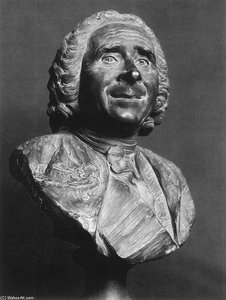
Neoclassical Realism: Houdon's sculptures are characterized by their exceptional realism and attention to detail, rooted in classical principles but infused with a commitment to portraying subjects as they truly were. Even in his later years, Houdon continued to create significant works, demonstrating an unwavering commitment to his craft until his death in Paris on July 15, 1828.

Signature works · The 100 signature works

47of 100

William Beechey

British Born in Burford Portraiture, Neoclassical Wikipedia in 14/32 languages

William Beechey

Sir William Beechey, born December 12, 1753, in the quaint Oxfordshire town of Burford, embarked on a life that would see him become a prominent figure in British portraiture. Despite his uncle's aspirations, Beechey gravitated towards painting, an inclination that ultimately led him to London and admission into the Royal Academy Schools in 1772. His works continue to be celebrated for their technical skill and insightful portrayals of prominent figures from the late 18th and early 19th centuries, including Lord Nelson, John Kemble, and Sarah Siddons.

Signature works · The 100 signature works

48of 100

Adélaïde Labille-Guiard

French Born in Paris Rococo to Neoclassicism Wikipedia in 20/32 languages

Adélaïde Labille-Guiard

Adélaïde Labille-Guiard (1749–1803) stands as a remarkable figure in the history of French art, not merely for her exquisite portraits but also for her courageous challenge to the restrictive conventions that governed women’s roles within the artistic world. She defied societal expectations, navigated institutional barriers, and ultimately paved the way for future generations of female painters.

Pupil of François André Vincent #37

Signature works · The 100 signature works

49of 100

Johann Heinrich Wilhelm Tischbein

British Born in Haina English School; Moral & Satirical Engravings/Paintings

Johann Heinrich Wilhelm Tischbein

tischbein's contributions to german art are undeniable. his work has been featured in various museums, including the schackgalerie in munich, which is dedicated to late romanticism. this museum, with its extraordinary collection of paintings, offers a unique insight into 19th-century german art.

Signature works · The 100 signature works

51of 100

Guillaume Guillon Lethiere

French Born in Sainte-Anne Neoclassical Wikipedia in 15/32 languages

Guillaume Guillon Lethiere

He continued to produce significant works like Philoctetes on the Island of Lemnos (1798), showcasing his mastery of anatomical precision and classical narrative, and The Sleep of Venus (1802), revealing a more lyrical side to his Neoclassical sensibility.

Signature works · The 100 signature works

52of 100

Andrea Appiani

Italian Born in Milan Neoclassical Wikipedia in 16/32 languages

Andrea Appiani

He is often distinguished from his great-nephew, Andrea Appiani (a historical painter in Rome), by the title “the elder.” His work continues to be studied and admired for its elegance, technical skill, and embodiment of Neoclassical ideals.

Signature works · The 100 signature works

53of 100

David Allan

Scottish Born in Alloa Neoclassicism & Rococo Wikipedia in 14/32 languages

David Allan

His association with the Foulis Academy, a prominent center for artistic training in Edinburgh, further solidified his role in shaping Scottish art during this period.

Signature works · The 100 signature works

54of 100

Hippolyte Flandrin

French Born in Lyon Neoclassical Wikipedia in 16/32 languages

Hippolyte Flandrin

Jean-Hippolyte Flandrin (1809–1864) remains a luminous figure in the pantheon of French Neoclassicism, an artist whose brush captured the profound intersection of spiritual devotion and classical grace. Born in Lyon, France, Flandrin’s journey was initially marked by a tension between familial duty and artistic destiny. Classical Form and Emotional Depth: While his figures possess the idealized perfection of antiquity, they are imbued with a palpable, human vulnerability.

Pupil of Louis Hersent #96, Jean-Auguste-Dominique Ingres #2

Signature works · The 100 signature works

55of 100

John Hoppner

British Born in Whitechapel Wikipedia in 15/32 languages

John Hoppner

Hoppner’s technical identity is inseparable from his command of color. The shadow of Joshua Reynolds looms large over Hoppner’s method.

Where to see Hoppner’s presence in major international collections confirms his reach beyond the British Isles.

Signature works · The 100 signature works

56of 100

John Peter Russell

Australian Born in Darlinghurst Impressionism Wikipedia in 16/32 languages

John Peter Russell

Following his death in 1930, Russell’s work fell into obscurity for decades.

Signature works · The 100 signature works

58of 100

Jacques Laurent Agasse

Swiss Born in Geneva Romanticism Wikipedia in 16/32 languages

Jacques Laurent Agasse

Jacques Laurent Agasse (1767-1849) stands as a singular figure in the annals of Swiss art history, celebrated primarily for his unparalleled dedication to capturing the essence of equine anatomy and portraying animals with breathtaking realism. He championed the idea that artists could elevate their craft by grounding it in anatomical knowledge—a concept that foreshadowed developments in later academic painting and influenced generations of animal artists.

Signature works · The 100 signature works

59of 100

Anton Graff

Swiss Born in Winterthur Neoclassical painting Wikipedia in 19/32 languages

Anton Graff

As a teacher at the Dresden Art Academy, he nurtured the talents of future generations of artists, including Emma Körner, Philipp Otto Runge, and Karl Ludwig Kaaz.

Signature works · The 100 signature works

60of 100

Fyodor Alekseyev

Russian Born in Saint Petersburg Neoclassical Wikipedia in 16/32 languages

Fyodor Alekseyev

Fedor Yakovlevich Alekseev (1753-1824) stands as a cornerstone of 18th-century Russian art, recognized primarily for his breathtaking depictions of Moscow and St. A celebrated figure in the Petersburg art scene, Zabolotsky instilled in Alekseev the rigorous principles of Neoclassicism and the necessity of meticulous observation. Whether documenting the Stock Exchange or the view from the Fortress of St.

Signature works · The 100 signature works

61of 100

Jean-Baptiste Pigalle

French Born in Tournus Baroque & Neoclassical

Jean-Baptiste Pigalle

He honed his skills in Lyon before moving to Paris, immersing himself in the study of live models at the Royal Academy – though his early efforts weren’t universally acclaimed, hinting at the independent spirit that would define his trajectory.

Signature works · The 100 signature works

62of 100

Auguste Couder

French Born in London Neoclassical, Historical painting Wikipedia in 13/32 languages

Auguste Couder

Couder skillfully synthesized the contrasting strengths of his mentors, forging a style that resonated with the artistic currents of his time. The Neoclassical foundation laid by David provided the structural backbone for his compositions, while Regnault’s emphasis on dramatic effect infused them with a palpable sense of energy and emotion. This period saw Couder honing his skills in portraiture too, demonstrating an exceptional ability to capture not only physical likeness but also the inner character of his subjects.

Signature works · The 100 signature works

63of 100

Giovanni Battista Piranesi

Born in Mogliano Veneto

Giovanni Battista Piranesi

He utilized various etching, engraving, and burnishing techniques to achieve a level of intricate detail that brought stone and shadow to life. His approach to chiaroscuro was particularly dramatic, using stark contrasts between light and deep shadow to define the heavy textures of Roman masonry. When Giovanni Battista Piranesi died in Rome in 1778, he left behind a visual language that had already begun to reshape how Europe perceived the Italian landscape.

Signature works · The 100 signature works

64of 100

Marguerite Gérard

French Born in Grasse Genre painting, Rococo Wikipedia in 15/32 languages

Marguerite Gérard

Marguerite quickly became an unofficial apprentice, initially honing her skills by studying Fragonard’s drawings and creating etchings based on his work. Historians believe she was the primary artist behind five of these works, with Fragonard likely offering guidance or producing duplicates for instructional purposes. Her style reveals a clear debt to 17th-century Dutch masters like Gerard ter Borch and Gabriel Metsu, artists renowned for their meticulous attention to detail, subtle use of light, and finely blended brushstrokes.

Signature works · The 100 signature works

65of 100

Louis Jean François Lagrenée

French Born in Paris Rococo, Neoclassical

Louis Jean François Lagrenée

Their collaborative spirit and mutual influence enriched the French art scene of the 18th century, solidifying their place as key figures in the transition from Rococo elegance to Neoclassical grandeur. Louis-Jean-François: Known for his archaeological explorations and refined mythological scenes. In later life, Lagrenée held important positions – drawing professor and general inspector at the Gobelins tapestry manufactory – demonstrating the esteem in which he was held within the artistic community.

Signature works · The 100 signature works

66of 100

Johann Georg Edlinger

Austrian Born in Graz Rembrandtian portraiture

Johann Georg Edlinger

Johann (Josef) Georg Edlinger, born in the Austrian city of Graz on March 1st, 1741, emerged from a modest background—his father was a gardener named Josef Edlinger, and his mother, Therese. While not initially destined for an artistic path, young Johann’s innate creative abilities were recognized early by his parents, who provided him with initial lessons in their hometown. His portraits are not merely representations of physical likeness; they strive to capture the inner character and expressive qualities of his sitters.

Signature works · The 100 signature works

67of 100

Thomas Hudson

Born in Devon Wikipedia in 12/32 languages

Thomas Hudson

From 1745 to 1755, he was arguably London’s most successful portraitist. Workshop Practice: He operated a bustling workshop with numerous assistants, including the specialist drapery painter Joseph van Aken, allowing him to fulfill a high volume of commissions. Continental Exposure: In 1748, he traveled to the Low Countries, followed by Italy in 1752.

Teacher of Joshua Reynolds #4

Signature works · The 100 signature works

68of 100

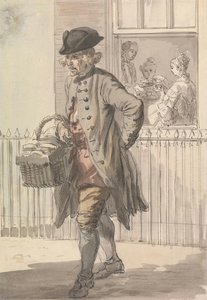
Paul Sandby

English Born in Nottingham Landscape Painting

Paul Sandby

Born in Nottingham to Thomas Sandby, a textile worker, Paul’s early life was marked by self-education and an innate fascination with observation—qualities that would prove instrumental in shaping his extraordinary career as both a mapmaker and painter. His brother Thomas, also a draughtsman, fostered this artistic inclination, encouraging experimentation and fostering a collaborative spirit. His legacy is found in: The development of the English watercolor tradition: Establishing the technical foundations for future masters of the medium.

Signature works · The 100 signature works

69of 100

Fyodor Stepanovich Rokotov

Russian Born in Moscow Psychological Portrait

Fyodor Stepanovich Rokotov

In the grand, sweeping tapestry of eighteenth-century Russian art, where many painters sought to capture the sheer opulence of the Romanov era through gilded frames and theatrical grandeur, Fyodor Stepanovich Rokotov emerged as a singular, introspective voice.

Signature works · The 100 signature works

70of 100

Gavin Hamilton

Scottish Born in Lanarkshire Neoclassical Wikipedia in 10/32 languages

Gavin Hamilton

Among his most celebrated contributions to the art world are masterpieces that continue to captivate audiences with their dramatic intensity: The Oath of Brutus: A cornerstone of Neoclassical painting, this work depicts a pivotal moment of Roman civic duty, utilizing vibrant color and meticulous detail to convey the weight of political sacrifice. This environment fostered a deep connection to the theories of Johann Joachim Winckelmann, whose veneration of idealized beauty and noble simplicity became the guiding light for Hamilton’s brush.

Signature works · The 100 signature works

71of 100

Joseph Benoit Suvée

Danish Born in Bruges Neoclassical, History painting Wikipedia in 10/32 languages

Joseph Benoit Suvée

In the grand tapestry of eighteenth-century European art, few threads shimmer with as much academic precision and dramatic grace as those woven by Joseph-Benoît Suvée. Born in Bruges in 1743, Suvée emerged from his Flemish roots to become a defining voice of the Neoclassical era. Though the tides of art history eventually moved toward Romanticism and beyond, the significance of Joseph-Benoît Suvée remains anchored in his role as a bridge between eras.

Signature works · The 100 signature works

72of 100

Thomas Phillips

British Born in Dudley Romanticism Wikipedia in 11/32 languages

Thomas Phillips

Thomas Phillips, born in Dudley, Worcestershire, in 1770, emerged from relatively modest beginnings to become a prominent figure in the British art scene of the late 18th and early 19th centuries. In 1791, Phillips formally enrolled as a student at the Royal Academy, marking the beginning of his formal artistic education and his integration into the established art world. He published Lectures on the History and Principles of Painting in 1833, offering insights into his artistic philosophy and pedagogical approach.

Signature works · The 100 signature works

73of 100

Anselm Friedrich Feuerbach

German Born in Speyer Neoclassicism, Romanticism

Anselm Friedrich Feuerbach

His artistic journey was one of constant synthesis, drawing inspiration from diverse sources and forging a unique path. Initially influenced by the Düsseldorf school’s emphasis on classical forms, he increasingly gravitated towards the allure of the Italian Renaissance and the emotional intensity of French Romanticism during his time in Antwerp and Paris. He bridged a critical gap between classical traditions and the evolving artistic trends of his time, influencing a generation of German artists with his emphasis on technical skill and idealized forms.

Signature works · The 100 signature works

74of 100

Jean-Baptiste Isabey

French Born in Nancy First Empire, Restoration, Portraiture Wikipedia in 17/32 languages

Jean-Baptiste Isabey

While his large-scale compositions commanded attention, Isabey achieved unparalleled renown through his mastery of the miniature. Whether working on a tiny head for a breast-pin or a sweeping portrait of an Emperor, his technique balanced grandeur with meticulous precision. Isabey's influence extended through his family and his studio, leaving behind a legacy that touched upon many facets of French art: Artistic Lineage: He mentored and influenced subsequent generations, including his son, Eugène Louis Gabriel Isabey, who became a notable Romantic painter.

Pupil of Jacques-Louis David #1

Signature works · The 100 signature works

75of 100

Jens Juel

English Born in Balslev Parish English school Wikipedia in 17/32 languages

Jens Juel

In Switzerland, residing at the home of his friend Charles Bonnet, Juel’s reputation flourished. These international experiences infused his Danish roots with a cosmopolitan sophistication, making him a bridge between Northern European tradition and the broader European Enlightenment. In the golden age of Danish Neoclassicism, few names command as much reverence as Jens Juel.

Signature works · The 100 signature works

76of 100

Johann Baptist von Lampi the Elder

Austrian-Italian Born in Romeno Neoclassical Wikipedia in 14/32 languages

Johann Baptist von Lampi the Elder

Born in 1751 in Romen and steeped in an environment of profound artistic heritage, Lampi’s life was inextricably linked to the traditions of the masters. As his career progressed, Lampi’s work began to reflect a fascinating tension between the fading echoes of the Baroque and the rising tide of Romanticism.

Signature works · The 100 signature works

77of 100

François Marius Granet

French Born in Aix-en-Provence Tonal Painting Wikipedia in 12/32 languages

François Marius Granet

In 1793, Granet joined the volunteers of Aix at the siege of Toulon, not as a soldier but as a decorator in the arsenal. A pivotal encounter with the young Comte de Forbin proved transformative; upon Forbin’s invitation, Granet journeyed to Paris in 1797, entering the prestigious studio of Jacques-Louis David. He was appointed director of the Académie de France in Rome in 1829, a testament to his growing reputation.

Pupil of Jacques-Louis David #1

Signature works · The 100 signature works

79of 100

Lemuel Francis Abbott

English Born in Leicestershire Portrait painting Wikipedia in 13/32 languages

Lemuel Francis Abbott

Beyond his celebrated depiction of Nelson, Abbott’s portfolio serves as a window into the social and intellectual fabric of his time. He was a sought-after portraitist for a diverse array of luminaries, ranging from the scientific brilliance of astronomer Sir William Herschel to the literary and naval elite. This skill is perhaps most famously realized in his portrait of Horatio Nelson, 1st Viscount Nelson.

Signature works · The 100 signature works

80of 100

Sarah Goodridge

American Born in Templeton Portrait miniatures Wikipedia in 14/32 languages

Sarah Goodridge

Sarah Goodridge (1788–1853) was not merely a painter; she was a pioneer who navigated the rigid social constraints of her era to become one of the most accomplished miniaturists of her time.

Signature works · The 100 signature works

81of 100

Étienne Maurice Falconet

French Born in Paris Baroque, Rococo, Neoclassical

Étienne Maurice Falconet

His ability to master both the massive and the miniature is reflected in a diverse body of work that includes: Pygmalion and Galatea: A stunning marble sculpture capturing the mythical moment Aphrodite breathes life into stone, embodying the essence of artistic creation.

Signature works · The 100 signature works

82of 100

George Dawe

English Born in St James's Neoclassicism and Romanticism

George Dawe

In many respects, his work can be viewed through the lenses of both Neoclassicism and Romanticism: Neoclassical Precision: In works such as his portrait of Dmitry V. Anatomical Depth: Driven by a desire to master the human form, Dawe undertook rigorous studies of anatomy, even performing dissections in his own home. In this vibrant imperial capital, he found himself at the center of a monumental undertaking: the creation of the Military Gallery of the Winter Palace.

Signature works · The 100 signature works

83of 100

Alexandre Denis Abel de Pujol

French Neoclassical

Alexandre Denis Abel de Pujol

From David, Pujol inherited far more than mere technical prowess; he absorbed a commitment to the dramatic power of historical narrative and a meticulous attention to detail. His stylistic language became one of clarity, balance, and idealized figures, all imbued with a deep sense of moral significance that would define his approach to the monumental canvases of his era. As a member of the prestigious Institut de France and an officer of the Légion d'honneur, he stood at the pinnacle of his profession, recognized for his contributions to the national identity of France.

Signature works · The 100 signature works

84of 100

Jan Adam Kruseman

Dutch Born in Haarlem Realism Wikipedia in 10/32 languages

Jan Adam Kruseman

Jan Adam Kruseman (February 12, 1804 – March 17, 1862) stands as a pivotal figure in 19th-century Dutch art history —a painter celebrated for his meticulous portraits that captured the essence of aristocratic life and established him as one of the era’s foremost realist artists. Born into a family steeped in artistic tradition, Kruseman's lineage included prominent painters like Cornelis Kruseman, shaping his early exposure to artistic pursuits and fostering an unwavering dedication to craft.

Signature works · The 100 signature works

85of 100

Benjamin Wilson

British Born in Leeds Neoclassical Portraiture Wikipedia in 14/32 languages

Benjamin Wilson

The breadth of Wilson's contributions to British art remains a cornerstone of eighteenth-century history. Beyond his individual paintings, Wilson's significance lies in his role as a bridge between eras. His formative years were marked by an encounter with the opulent decorations of Jacques Parmentier at Leeds Grammar School, a moment that ignited a lifelong passion for the visual arts.

Signature works · The 100 signature works

86of 100

Adolf Ulrik Wertmüller

Swedish Born in Stockholm Neoclassical Painting Wikipedia in 10/32 languages

Adolf Ulrik Wertmüller

Adolf Ulrik Wertmüller (1751-1811) stands as a pivotal figure in Swedish art history, recognized primarily for his elegant portraits—particularly those depicting royalty—and his groundbreaking exploration of female nudes within the burgeoning neoclassical movement.

Pupil of Joseph Marie Vien #19

Signature works · The 100 signature works

88of 100

Massimo d'Azeglio

Italian Born in Turin Romanticism Wikipedia in 17/32 languages

Massimo d'Azeglio

Following a brief military commission, he defied his conservative family's expectations by dedicating himself to painting. He spent several years in Rome, studying under Martin Verstappen and immersing himself in the Roman landscape. He continued to advocate for reconciliation between the Vatican and the newly unified Kingdom of Italy.

Signature works · The 100 signature works

91of 100

Sir Martin Archer Shee

Irish Born in Dublin Neoclassical

Sir Martin Archer Shee

While celebrated primarily as a portraitist, Shee’s oeuvre extended beyond capturing individual likenesses. He ventured into historical and literary subjects, demonstrating versatility and intellectual depth. Interestingly, his descendant George Archer-Shee inspired Terence Rattigan's poignant play, “The Winslow Boy,” adding another layer to the family’s historical significance.

Signature works · The 100 signature works

92of 100

Jean Baptiste Ii Lemoyne

Born in Paris

Jean Baptiste Ii Lemoyne

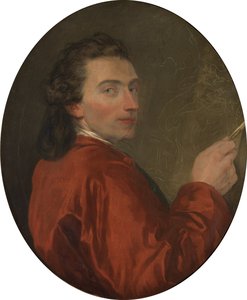
A notable event illustrating this dynamic occurred at the Salon of 1750, where Lemoyne exhibited a pastel portrait of La Tour, only to find La Tour exhibiting his own self-portrait – perhaps a deliberate demonstration of artistic superiority. Early Influences: Laurent Cars (engraving), Gabriel Huquier (printselling).

Signature works · The 100 signature works

93of 100

Charles Lock Eastlake

British Born in Plymouth Neoclassical, Romanticism Wikipedia in 11/32 languages

Charles Lock Eastlake

Born in the coastal reaches of Plymouth, Sir Charles Lock Eastlake was a man whose life was an intricate tapestry of artistic creation and scholarly devotion. As the son of an Admiralty lawyer, his early years were steeped in the traditions of England, yet his spirit wandered toward the sublime landscapes of the Mediterranean.

Signature works · The 100 signature works

95of 100

William Hamilton

British Born in Chelsea Rococo Painting Style

William Hamilton

His travels through Italy, where he studied under the Venetian artist Antonio Zucchi, expanded his visual vocabulary, allowing him to infuse his work with the classical grandeur of Rome and the luminous light of the Mediterranean.

Signature works · The 100 signature works

96of 100

Louis Hersent

French Born in Paris Neoclassicism Wikipedia in 14/32 languages

Louis Hersent

Hersent's work embodies the core tenets of Neoclassicism: a reverence for antiquity, an emphasis on order and reason, and a commitment to technical precision. Paintings like The Duc D'Orléans, Duke Of Chartres And Nemours, exemplify this approach, presenting a commanding figure radiating both power and refinement. Born in Paris in 1777, Hersent’s artistic journey unfolded against a backdrop of revolutionary upheaval and imperial grandeur, ultimately solidifying his place as a master of Neoclassical portraiture and historical painting.

Pupil of Jacques-Louis David #1, Jean-Baptiste Regnault #39 · Teacher of Hippolyte Flandrin #54

Signature works · The 100 signature works

97of 100

Augustus Saint-Gaudens

Irish-American Born in Dublin Beaux-Arts sculpture

Augustus Saint-Gaudens

The pursuit of artistic mastery led Saint-Gaudens across the Atlantic to Europe in 1867. He returned to New York in 1875, equipped not just with technical skill but a refined artistic vision. This blend of Irish and French heritage would subtly inform Saint-Gaudens’s artistic sensibility—a unique fusion of classical ideals and an emerging American identity.

Signature works · The 100 signature works

98of 100

James Barry

Irish Born in Cork Neoclassical

James Barry

The young Margaret came from a family touched by both artistic sensibility – her aunt being the celebrated Irish artist James Barry RA – and financial instability following her father’s dismissal from his post. A complex conspiracy involving her mother, Mary-Ann Bulkley, General Francisco de Miranda, Dr. The extraordinary secret of James Barry's true identity remained concealed until after his death in 1865.

Signature works · The 100 signature works

99of 100

James Peale

American Born in Chestertown Neoclassical Wikipedia in 9/32 languages

James Peale

Peale’s artistic development was significantly influenced by his brother's decision to relinquish his miniature portrait practice, allowing James to fully dedicate himself to this demanding art form.

Signature works · The 100 signature works

Signature works

Signature Neoclassicist works

  1. The Death of Marat by Jacques-Louis David

    The Death of Marat

    Jacques-Louis David

    1793 · Musées Royaux des Beaux-Arts, Brussels

  2. The Vow of Louis XIII by Jean-Auguste-Dominique Ingres

    The Vow of Louis XIII

    Jean-Auguste-Dominique Ingres

    1824 · Cathedral of Notre-Dame, Montauban

  3. Self Portrait with Her Daughter, Julie by Élisabeth Louise Vigée Le Brun

    Self Portrait with Her Daughter, Julie

    Élisabeth Louise Vigée Le Brun

    1789

  4. Lady Dorothea Harrison (1702–1773) by Joshua Reynolds

    Lady Dorothea Harrison (1702–1773)

    Joshua Reynolds

    1758 · Guildhall Art Gallery, London

  5. Cupid and Psyche by Antonio Canova

    Cupid and Psyche

    Antonio Canova

    1793 · The Louvre, Paris

  6. Charles IV as Prince by Anton Raphael Mengs

    Charles IV as Prince

    Anton Raphael Mengs

    1765 · Museo del Prado, Madrid

  7. Hebe by Angelica Kauffmann

    Hebe

    Angelica Kauffmann

    1770 · Te Papa, Wellington

A timeline

Neoclassicist through its signature works

  1. 1758
  2. 1761
  3. 1765
  4. 1772
  5. 1773
  6. 1780
  7. 1787
  8. 1789
  9. 1793
  10. 1795
  11. 1799
  12. 1803
  13. 1810
  14. 1814

Figures

The figures

Every name

List of 100 famous Neoclassicist artists, every name

  1. 1Jacques-Louis DavidJacques-Louis DavidFrench · 1748–1825
  2. 2Jean-Auguste-Dominique IngresJean-Auguste-Dominique IngresFrench · 1780–1867
  3. 3Élisabeth Louise Vigée Le BrunÉlisabeth Louise Vigée Le BrunFrench · 1755–1842
  4. 4Joshua ReynoldsJoshua ReynoldsBritish · 1723–1792
  5. 5Antonio CanovaAntonio CanovaItalian · 1757–1822
  6. 6Anton Raphael MengsAnton Raphael MengsGerman-Bohemian · 1728–1779
  7. 7Angelica KauffmannAngelica KauffmannSwiss · 1741–1807
  8. 8Antoine-Jean GrosAntoine-Jean GrosFrench · 1771–1835
  9. 9Bertel ThorvaldsenBertel Thorvaldsen1770–1844
  10. 10Anne-Louis GirodetAnne-Louis GirodetFrench · 1767–1824
  11. 11Thomas LawrenceThomas LawrenceBritish · 1769–1830
  12. 12John Singleton CopleyJohn Singleton CopleyAmerican-born British · 1738–1815
  13. 13Benjamin WestBenjamin WestAmerican · 1738–1820
  14. 14Robert AdamRobert AdamScottish · 1728–1792
  15. 15Pompeo BatoniPompeo BatoniItalian · 1708–1787
  16. 16Gilbert StuartGilbert StuartAmerican · 1755–1828
  17. 17Karl Friedrich SchinkelKarl Friedrich SchinkelPrussian · 1781–1841
  18. 18George RomneyGeorge RomneyBritish · 1734–1802
  19. 19Joseph Marie VienJoseph Marie VienSpanish · 1716–1809
  20. 20Karl BryullovKarl Bryullov1799–1852
  21. 21Hubert RobertHubert RobertFrench · 1733–1808
  22. 22François GérardFrançois GérardFrench · 1770–1837
  23. 23Pierre Narcisse GuérinPierre Narcisse GuérinFrench · 1774–1833
  24. 24John TrumbullJohn TrumbullAmerican · 1756–1843
  25. 25Samuel Finley Breese MorseSamuel Finley Breese MorseAmerican · 1791–1872
  26. 26Charles Willson PealeCharles Willson PealeAmerican · 1741–1827
  27. 27Pierre-Paul Prud'honPierre-Paul Prud'honFrench · 1758–1823
  28. 28Henry RaeburnHenry RaeburnScottish · 1756–1823
  29. 29Christoffer Wilhelm EckersbergChristoffer Wilhelm EckersbergDanish · 1783–1853
  30. 30Nicolai AbildgaardNicolai AbildgaardDanish · 1743–1809
  31. 31Joseph Siffred DuplessisJoseph Siffred DuplessisFrench · 1725–1802
  32. 32John William GodwardJohn William Godward1861–1922
  33. 33Johann ZoffanyJohann Zoffany1733–1810
  34. 34Anselm FeuerbachAnselm FeuerbachGerman · 1829–1880
  35. 35Marcello BacciarelliMarcello BacciarelliItalian · 1731–1818
  36. 36Joseph Karl StielerJoseph Karl StielerGerman · 1781–1858
  37. 37François André VincentFrançois André VincentFrench · 1746–1816
  38. 38Carle VernetCarle VernetFrench · 1758–1836
  39. 39Jean-Baptiste RegnaultJean-Baptiste RegnaultBritish · 1754–1829
  40. 40William SalterWilliam SalterBritish · 1804–1875
  41. 41Louis Léopold BoillyLouis Léopold BoillyFrench · 1761–1845
  42. 42Thomas SullyThomas SullyBritish-American · 1783–1872
  43. 43Rembrandt PealeRembrandt PealeAmerican · 1778–1860
  44. 44Herbert James DraperHerbert James DraperBritish · 1863–1920
  45. 45Joseph Anton KochJoseph Anton KochAustrian · 1768–1839
  46. 46Jean-Antoine HoudonJean-Antoine HoudonFrench · 1741–1828
  47. 47William BeecheyWilliam BeecheyBritish · 1753–1839
  48. 48Adélaïde Labille-GuiardAdélaïde Labille-GuiardFrench · 1749–1803
  49. 49Johann Heinrich Wilhelm TischbeinJohann Heinrich Wilhelm TischbeinBritish · 1751–1829
  50. 50John RamageJohn RamageIrish-American · 1748–1802
  51. 51Guillaume Guillon LethiereGuillaume Guillon LethiereFrench · 1760–1832
  52. 52Andrea AppianiAndrea AppianiItalian · 1754–1817
  53. 53David AllanDavid AllanScottish · 1744–1796
  54. 54Hippolyte FlandrinHippolyte FlandrinFrench · 1809–1864
  55. 55John HoppnerJohn HoppnerBritish · 1758–1810
  56. 56John Peter RussellJohn Peter RussellAustralian · 1858–1930
  57. 57Jonathan Richardson the ElderJonathan Richardson the ElderEnglish · 1667–1745
  58. 58Jacques Laurent AgasseJacques Laurent AgasseSwiss · 1767–1849
  59. 59Anton GraffAnton GraffSwiss · 1736–1813
  60. 60Fyodor AlekseyevFyodor AlekseyevRussian · 1755–1824
  61. 61Jean-Baptiste PigalleJean-Baptiste PigalleFrench · 1725–1805
  62. 62Auguste CouderAuguste CouderFrench · 1789–1873
  63. 63Giovanni Battista PiranesiGiovanni Battista Piranesi1720–1778
  64. 64Marguerite GérardMarguerite GérardFrench · 1761–1837
  65. 65Louis Jean François LagrenéeLouis Jean François LagrenéeFrench · 1756–1827
  66. 66Johann Georg EdlingerJohann Georg EdlingerAustrian · 1741–1819
  67. 67Thomas HudsonThomas Hudson1701–1779
  68. 68Paul SandbyPaul SandbyEnglish · 1798–1863
  69. 69Fyodor Stepanovich RokotovFyodor Stepanovich RokotovRussian · 1730–1808
  70. 70Gavin HamiltonGavin HamiltonScottish · 1723–1798
  71. 71Joseph Benoit SuvéeJoseph Benoit SuvéeDanish · 1743–1807
  72. 72Thomas PhillipsThomas PhillipsBritish · 1770–1845
  73. 73Anselm Friedrich FeuerbachAnselm Friedrich FeuerbachGerman · 1829–1880
  74. 74Jean-Baptiste IsabeyJean-Baptiste IsabeyFrench · 1767–1855
  75. 75Jens JuelJens JuelEnglish · 1745–1802
  76. 76Johann Baptist von Lampi the ElderJohann Baptist von Lampi the ElderAustrian-Italian · 1751–1830
  77. 77François Marius GranetFrançois Marius GranetFrench · 1775–1849
  78. 78Vincenzo CamucciniVincenzo CamucciniItalian · 1771–1844
  79. 79Lemuel Francis AbbottLemuel Francis AbbottEnglish · 1760–1802
  80. 80Sarah GoodridgeSarah GoodridgeAmerican · 1788–1853
  81. 81Étienne Maurice FalconetÉtienne Maurice FalconetFrench · 1716–1791
  82. 82George DaweGeorge DaweEnglish · 1781–1829
  83. 83Alexandre Denis Abel de PujolAlexandre Denis Abel de PujolFrench · 1825–1861
  84. 84Jan Adam KrusemanJan Adam KrusemanDutch · 1804–1862
  85. 85Benjamin WilsonBenjamin WilsonBritish · 1721–1788
  86. 86Adolf Ulrik WertmüllerAdolf Ulrik WertmüllerSwedish · 1751–1811
  87. 87Georges RougetGeorges RougetFrench · 1783–1869
  88. 88Massimo d'AzeglioMassimo d'AzeglioItalian · 1798–1866
  89. 89Francisco Bayeu Y SubiasFrancisco Bayeu Y SubiasSpanish · 1734–1795
  90. 90William Henry PyneWilliam Henry PyneEnglish · 1769–1843
  91. 91Sir Martin Archer SheeSir Martin Archer SheeIrish · 1769–1850
  92. 92Jean Baptiste Ii LemoyneJean Baptiste Ii Lemoyne1704–1778
  93. 93Charles Lock EastlakeCharles Lock EastlakeBritish · 1793–1865
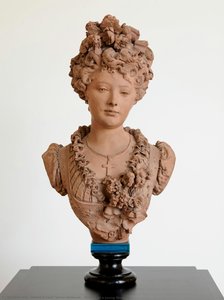
  94. 94Albert Ernest Carrier BelleuseAlbert Ernest Carrier BelleuseFrench · 1824–1887
  95. 95William HamiltonWilliam HamiltonBritish · 1751–1801
  96. 96Louis HersentLouis HersentFrench · 1777–1860
  97. 97Augustus Saint-GaudensAugustus Saint-GaudensIrish-American · 1848–1907
  98. 98James BarryJames BarryIrish · 1799–1865
  99. 99James PealeJames PealeAmerican · 1749–1831
  100. 100Charles MeynierCharles MeynierFrench · 1763–1832

Questions

Your questions

Read

Stories on OriginalUniqueArt.com

Other movements

Famous artists of other movements

Other periods

Famous artists across the periods

Famous paintings

Masterpieces that inspire us, by movement

Discover more

More artists to discover