The Evolving Landscape of Art as an Alternative Asset
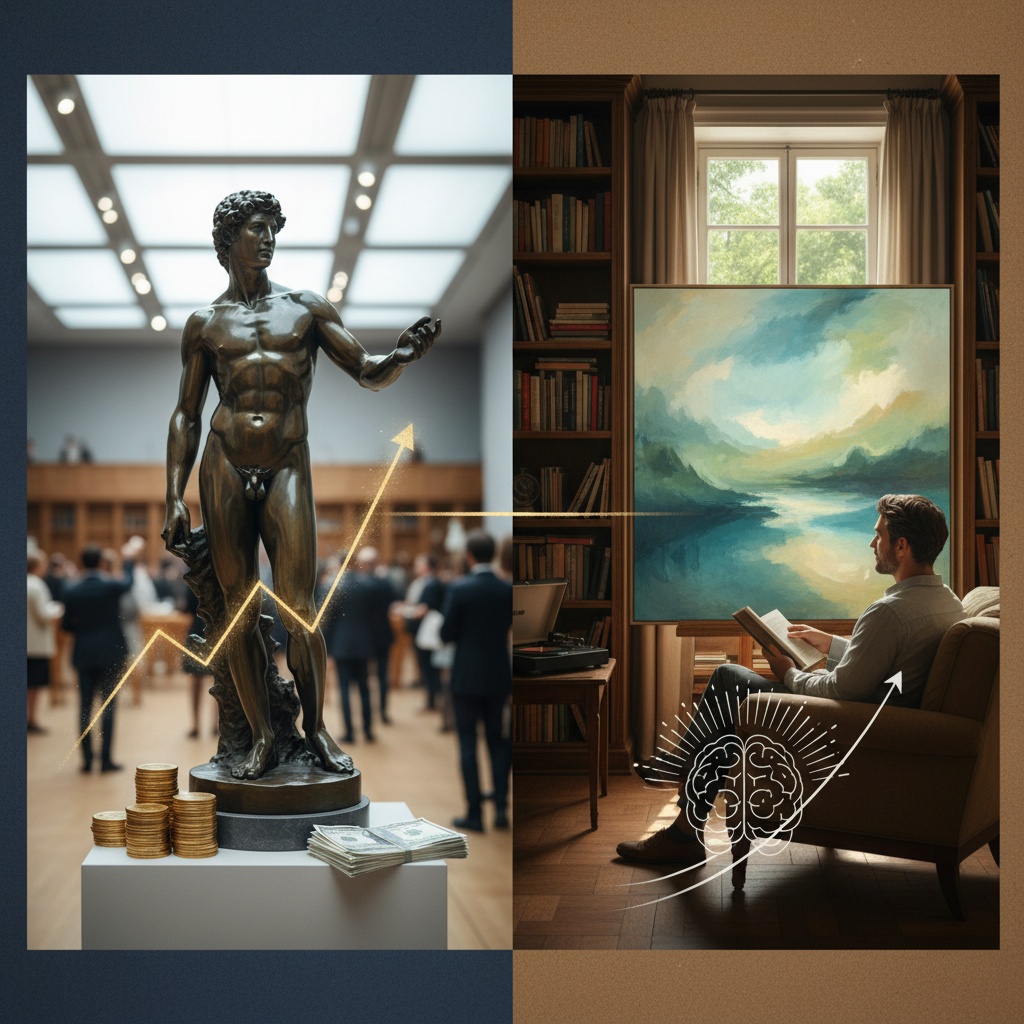
For centuries, art has held a position beyond mere aesthetic appeal; it’s been a repository of cultural memory, a symbol of power, and increasingly, a sophisticated component of the modern investment portfolio. While traditionally viewed as a passion pursuit, the art market has undergone a significant transformation in recent decades, solidifying its status as a legitimate alternative asset class. This shift isn't simply about rising prices – though auction records continue to shatter expectations – but a fundamental change in how art is perceived: less as an extravagance and more as a tangible store of value capable of weathering economic storms and offering unique diversification benefits. The rise of globalization, coupled with increased wealth concentration, has fueled demand for rare and exceptional works, driving both public and private market activity. However, understanding this evolving landscape requires moving beyond the headlines and delving into the nuances of financial performance, cultural significance, and the expertise needed to navigate its complexities.
Financial Performance: Analyzing Returns, Risk & Market Dynamics
The appeal of art as an investment lies in its historically demonstrated resilience. Unlike stocks or bonds, which are subject to macroeconomic fluctuations, high-quality artworks often maintain – and even increase – their value during periods of economic uncertainty. Data from Artprice and Mei Moses indices consistently reveal competitive long-term returns, comparable to those achieved by traditional asset classes. However, it’s crucial to acknowledge that art investment isn't without its risks. Liquidity can be a significant challenge; selling a painting or sculpture often requires time and access to the right networks. Authentication is paramount – a misattributed work can lose substantial value overnight. Furthermore, market taste is subjective and prone to shifts, meaning an artist’s popularity (and therefore the value of their works) isn't guaranteed. A thorough understanding of art valuation methodologies—considering provenance, condition, historical significance, and aesthetic quality—is essential for mitigating these risks. The financialization of art, explored in recent research, highlights the increasing role of investment funds and securitization processes, which while broadening access to the market, also introduce new layers of complexity.
Cultural Capital Accumulation: Beyond Monetary Value
The allure of art extends far beyond purely financial considerations. Owning a significant artwork confers what sociologist Pierre Bourdieu termed “cultural capital”—a collection of social assets that promote status and mobility within stratified societies. This isn’t simply about bragging rights; it's about participating in a shared cultural dialogue, supporting artistic innovation, and preserving heritage for future generations. A carefully curated collection can serve as a powerful symbol of discernment, taste, and intellectual curiosity. Museums play a vital role in this process, validating artists and movements through acquisitions and exhibitions. The prestige associated with museum recognition often translates into increased market value, creating a virtuous cycle where cultural significance drives financial appreciation. Moreover, art fosters creativity, inspires innovation, and enriches the lives of those who engage with it—intangible benefits that are difficult to quantify but profoundly impactful.
Case Studies in High-Value Art Investment: Impressionism and Contemporary Examples
To illustrate the dynamics of art investment, consider the enduring appeal of Impressionism. Artists like Monet, Renoir, and Degas faced harsh criticism during their lifetimes, yet their works now command astronomical prices. The initial investment in these artists was relatively modest, but their subsequent recognition—fueled by changing aesthetic sensibilities and critical acclaim—led to exponential growth in value. Today, contemporary art presents similar opportunities, though identifying future masters requires a keen eye and deep market knowledge. Artists like Kudzanai Chiurai, whose work explores themes of identity and postcolonialism, represent a new generation of creators poised for significant recognition. Betty Tichich’s poignant portraits of Galveston life, capturing the character of local businesses, demonstrate how artistic merit can be found beyond established canons. These examples underscore the importance of identifying artists with unique voices, compelling narratives, and potential for lasting cultural impact.
Navigating the Art Market: Expert Guidance for Elite Collectors
The art market is a complex ecosystem populated by collectors, dealers, auction houses, advisors, and critics. For elite collectors seeking to build a truly valuable portfolio, expert guidance is indispensable. OriginalUniqueArt Our team of art historians and consultants offers personalized support throughout the entire process, leveraging deep market knowledge and established networks. We assist with everything from valuation and authentication to framing and shipping, ensuring a seamless experience for our clients. Furthermore, we offer custom reproduction services, allowing collectors to recreate masterpieces or transform personal photos into unique artworks. Whether you’re seeking to diversify your investment portfolio, enhance your living space, or simply celebrate the beauty of art, OriginalUniqueArt provides the expertise and resources needed to achieve your goals. The key is patience, diligence, and a genuine appreciation for the artistry itself—for in the end, the most rewarding investments are those that resonate on both an emotional and intellectual level.