


A Royal Legacy in Stone and Gold
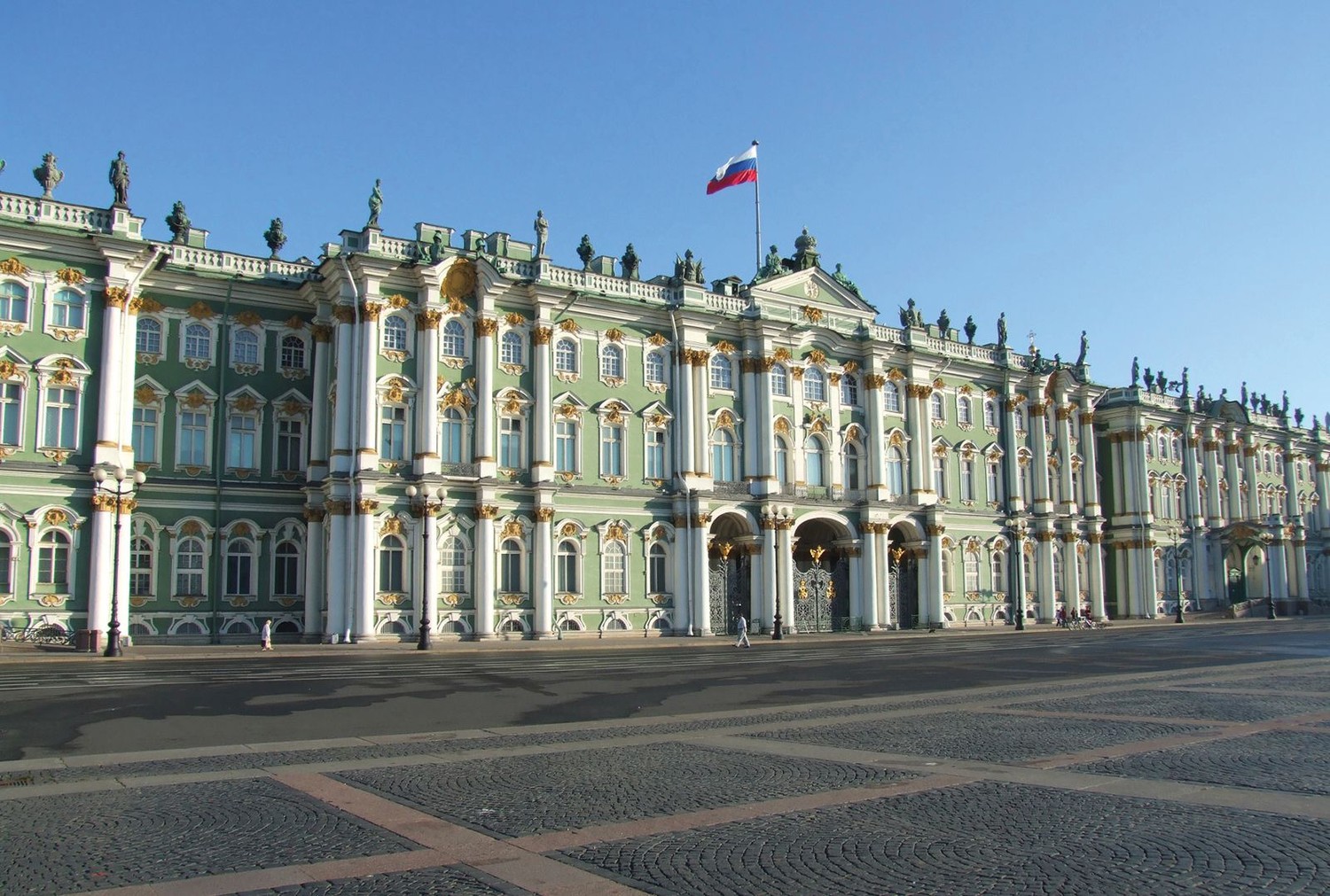
The Winter Palace rises along the Palace Embankment, a heavy presence of imperial power overlooking the Neva River. Its walls, shaped by Francesco Bartolomeo Rastrelli, hold the weight of the Romanov dynasty within gilded corridors and vast, sun-drenched halls. What began as a private sanctuary for Catherine the Great has expanded into a sprawling complex of interconnected structures. The Small Hermitage, the Old Hermitage, and the New Hermitage each offer a different architectural rhythm, from the commanding presence of the General Staff Building to the Greek Revival elegance designed by Leo von Klenze. Walking through these spaces, one feels the transition from a private courtly retreat to a massive repository of human achievement.
The architecture itself tells a story of shifting ambitions. The Winter Palace, once the official residence of Russian emperors, provides a backdrop of immense scale and decorative intensity. Within its rooms, the light catches on polished marble and heavy drapery, mirroring the grandeur of the era. This is a place where history is etched into the very foundations, from the 18th-century origins of the Small Hermitage to the later additions that completed this monumental ensemble.
The Weight of the Collection
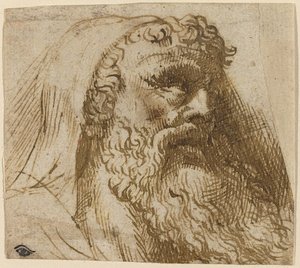
Inside these halls, the sheer volume of objects creates a dense landscape of visual information. The collection spans millennia, bringing together fragments of ancient civilizations with the heavy oils of the European masters. One might encounter the sharp, geometric forms of African masks or the shimmering gold of Scythian burial mounds, all existing alongside the profound psychological depth of Dutch portraiture. The presence of Rembrandt’s work, particularly his use of chiaroscuro to sculpt faces from shadow, provides a quiet, intense counterpoint to the more expansive landscapes found elsewhere in the galleries.
The diversity of the holdings is immense, ranging from the delicate to the monumental:
- Ancient Egyptian antiquities and Greek pottery that trace early trade networks.
- Renaissance works by Raphael and Titian, where technical precision meets humanist ideals.
- The 17th-century Dutch Golden Age, featuring the meticulous light of Vermeer.
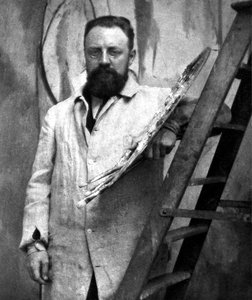
- Modernist expressions, such as the Fauvist color experiments of Henri Matisse in Woman in Green with a Century.
- A vast array of archaeological finds, including mammoth ivory carvings and Byzantine icons.
Beyond the painted canvases, the museum houses an incredible breadth of material culture. There are thousands of pieces of porcelain, heavy weaponry from the Middle Ages, and a massive numismatic collection. Even the living history of the building is present in the colony of Hermitage cats that reside in the basement, a tradition dating back to 1745 when Empress Elizabeth ordered them to manage the palace's rodent population. Their presence adds a layer of lived reality to the surrounding splendor.


