Early Modern: original voices

100 Famous Early Modern Painters Who Shaped the Movement

Rembrandt (1606–1669) is the most famous Early Modern painter, whose singular vision gave us Isaac and Rebecca, known as and Night Watch. Next stand Caravaggio, Diego Velázquez, Francisco Goya and Peter Paul Rubens. These 100 painters, from Caravaggio (born 1571) to Thomas Lawrence (born 1769), came from 11 countries.

Our selection. Artists whose works our catalogue attaches to Early Modern, in the order of our fame ranking. Artists born after 1955 with no Wikidata identifier stay out until verified. The Wikipedia figure counts our 32 languages with an article on the artist.

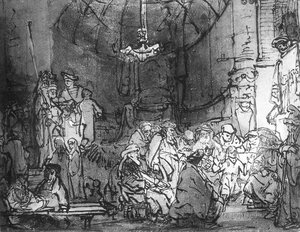
  1. Isaac and Rebecca, known as by Rembrandt1Rembrandt
  2. Sick Bacchus by Caravaggio2Caravaggio
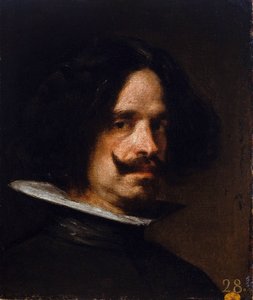
  3. The Surrender of Breda (Las Lanzas) by Diego Velázquez3Diego Velázquez

In brief

Early Modern in brief

  • 100Artists
  • 1571–1769Years of birth
  • 11Countries of birth
  • 6Women
  • 33,430Works in our catalogue
Cities with most births
Paris (8), Venice (8), Leiden (5), Antwerp (5)
Museums holding the most key works
The Louvre (23), Metropolitan Museum of Art (18), National Gallery (13), Rijksmuseum (8)

One artist at a time

100 Early Modern Painters and their signature works

1of 100

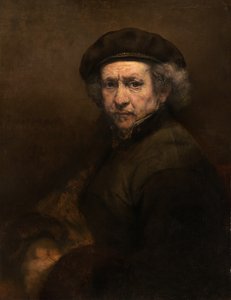
Rembrandt

Dutch Born in Leiden Dutch Golden Age Wikipedia in 32/32 languages
Rembrandt

Rembrandt had a way of making light feel like a physical presence in a room. He became a master of chiaroscuro, using the sharp contrast between deep shadows and bright highlights to create a sense of drama and weight.

Where to see His legacy is spread across many collections, with the National Gallery in London holding sixteen of his works.

Teacher of Gerrit Dou #91, Carel Fabritius #50

Signature works · The 100 signature works

2of 100

Caravaggio

Born in Milan Baroque, Tenebrism, Chiaroscuro Wikipedia in 32/32 languages

Caravaggio

Through a technique known as tenebrism, Caravaggio employs violent contrasts between light and dark to command the viewer's attention. Instead, he brings the people of the Roman streets—the laborers and the outcasts—into the realm of the sacred. His influence ripples through the works of giants like Peter Paul Rubens and Rembrandt, whose own handling of light and shadow owes a debt to his radical naturalism.

Where to see The physical remnants of his vision are scattered across Europe’s most significant institutions.

Signature works · The 100 signature works

3of 100

Diego Velázquez

Spanish Born in Seville Spanish Baroque / Spanish Golden Age Wikipedia in 31/32 languages

Diego Velázquez

In his early years, Velázquez worked within the boundaries of an idealizing style, one rooted in the strictures of Catholic propriety. Christ in the House of Martha and Mary. Édouard Manet found deep inspiration in the composition of Las Meninas, a work that continues to challenge how we perceive the relationship between the viewer and the painted scene.

Where to see To stand before a Velázquez is to encounter the quiet weight of history.

Signature works · The 100 signature works

4of 100

Francisco Goya

Spanish Born in Fuendetodos ['Rococo', 'Romanticism', 'Modernism'] Wikipedia in 32/32 languages

Francisco Goya

Between 1819 and 1823, he painted the Black Paintings directly onto the plaster. These murals, including Saturn Devouring His Son and Asmodea, deal with madness and existential dread. Later, the visceral, distorted energy found in the paintings of Francis Bacon carries echoes of the darkness Goya explored.

Signature works · The 100 signature works

5of 100

Peter Paul Rubens

Flemish Born in Siegen Baroque Wikipedia in 32/32 languages

Peter Paul Rubens

In 1600, Rubens left the Low Countries for Italy, a move that fundamentally altered his visual language. He took the anatomical precision of Michelangelo and the coloristic depth of Titian, stripping away the static qualities of the High Renaissance to create something more muscular and immediate. This ability to command space and movement ensured his influence reached far beyond the borders of the Southern Netherlands.

Teacher of Anthony van Dyck #17

Signature works · The 100 signature works

6of 100

Johannes Vermeer

Dutch Born in Delft Dutch Golden Age Wikipedia in 32/32 languages

Johannes Vermeer

Vermeer found his purpose in the quietude of domestic life. He did not simply paint a room; he captured how light moves through it, hitting a ceramic jug or a piece of bread with a clarity that feels almost scientific. When the light finally faded for Vermeer in Delft in December 1675, he was only forty-three.

Where to see In Amsterdam, the Rijksmuseum holds The Milkmaid, where the light settles on the earthenware and the bread.

Signature works · The 100 signature works

7of 100

Nicolas Poussin

French Born in Le Havre French Baroque, French Classicism

Nicolas Poussin

He did not stay in France to find his voice; instead, he spent most of his working life in Rome, a city that provided the necessary intellectual and physical landscape for his evolution. This transition was driven by a deep engagement with the classical ruins and the scholarly circles of the Eternal City. Artists such as Jacques-Louis David and Paul Cézanne acknowledged their debt to his intellectual depth and his preference for line over color.

Signature works · The 100 signature works

8of 100

Artemisia Gentileschi

Italian Born in Rome Baroque Wikipedia in 32/32 languages

Artemisia Gentileschi

Gentileschi’s work is firmly rooted in the traditions of the Italian Baroque, shaped by the revolutionary approach of Caravaggio. She adopted the use of tenebrism, employing a dramatic contrast between light and dark to heighten emotional intensity. Artemisia Gentileschi is recognized among the most accomplished artists of the 17th century.

Where to see The physical presence of her art remains scattered across Europe, a map of her movement and the enduring demand for her vision.

Signature works · The 100 signature works

9of 100

William Blake

British Born in London Romanticism Wikipedia in 32/32 languages

William Blake

This method was not merely a technical choice but a spiritual one; he claimed the process was revealed to him through a visionary experience following the death of his brother, Robert. Working alongside his wife, Catherine, who assisted in the printing and coloring, he managed the entire production from the initial etching to the final stitching of the books. As the decades passed, his influence moved through the Symbolist and Modernist movements, finding resonance in their shared interest in subjective experience and spiritual depth.

Where to see The physical remnants of Blake’s vision are scattered across several major institutions, reflecting the global reach of his influence.

Signature works · The 100 signature works

10of 100

Jacques-Louis David

French Born in Paris Neoclassicism Wikipedia in 31/32 languages

Jacques-Louis David

He maintained a close friendship with Maximilien Robespierre, a connection that placed him at the very center of the era's most intense political machinations. The Lictors Returning to Brutus the Bodies of his Sons (1789). His influence reached into the radical shifts of the modern era, finding unexpected echoes in the work of Henri Matisse and Pablo Picasso.

Where to see The physical presence of David’s oeuvre is scattered across the major repositories of European and international art.

Pupil of Joseph Marie Vien #80

Signature works · The 100 signature works

11of 100

Jean-Antoine Watteau

French Born in Valenciennes Rococo Wikipedia in 31/32 languages

Jean-Antoine Watteau

By employing a delicate layering of colors, he achieved a shimmering effect, as if the very light of the scene were caught in a moment of transition. This method allowed him to build a world that felt both present and fleeting, a quality that defined his unique approach to the canvas. Even in his most quiet works, the legacy of his vision remains clear: The Country Dance.

Signature works · The 100 signature works

12of 100

Frans Hals

Born in Antwerp Wikipedia in 32/32 languages

Frans Hals

This technique imbued his paintings with a sense of immediacy and vitality, capturing the personality and character of his subjects in a way that was revolutionary for its time. His portraits weren’t simply likenesses; they were psychological studies. However, it's likely he was aware of the work of earlier Flemish painters like Pieter Bruegel the Elder.

Teacher of Judith Leyster #87

Signature works · The 100 signature works

13of 100

Élisabeth Louise Vigée Le Brun

French Born in Paris Rococo and Neoclassical Wikipedia in 30/32 languages

Élisabeth Louise Vigée Le Brun

Louise Élisabeth Vigée Le Brun enters a city defined by the strict hierarchies of the Ancien Régime. She is born to Jeanne Maisin, a hairdresser from a peasant background, and Louis Vigée, a portraitist, pastellist, and member of the Académie de Saint-Luc. Portrait of Marie-Gabrielle de Gramont, Comtesse de Caderousse (1784).

Where to see Vigée Le Brun remains a pioneer for women in the arts, having navigated a professional landscape almost exclusively reserved for men.

Signature works · The 100 signature works

14of 100

Claude Lorrain

Born in Chamagne Wikipedia in 29/32 languages

Claude Lorrain

Luminous Sunlight: A defining feature of Claude’s work is his masterful depiction of light. Classical Influences: His compositions often draw inspiration from classical antiquity, incorporating Roman ruins, mythological figures, and architectural elements. He also studied the works of Italian Renaissance masters like Titian and Raphael.

Signature works · The 100 signature works

15of 100

William Hogarth

English Born in London Modern moral subjects Wikipedia in 31/32 languages

William Hogarth

He does not merely paint; he constructs narratives. This approach finds its peak in his development of "modern moral subjects," a method where he uses visual storytelling to critique the social fabric. The 18th century sees the emergence of a distinctly British school of art, a movement helped into being by Hogarth's refusal to rely on Continental models.

Where to see The physical traces of Hogarth's social critiques remain scattered across major institutions.

Signature works · The 100 signature works

16of 100

Georges de la Tour

French Born in Vic-sur-Seille French Baroque Wikipedia in 26/32 languages

Georges de la Tour

The origins of Georges de La Tour remain partially obscured by the shadows of the early seventeenth century. Other theories suggest he may have sought instruction under Jacques Bellange in Nancy, or perhaps traveled to the Netherlands during the early stages of his professional life. The specific nuances of his style—the way he used light to bridge the gap between Caravaggism and French Classicism —were largely lost to the broader historical memory.

Where to see The presence of his canvases is felt across several major institutions, scattered between the quiet halls of Europe and the expansive galleries of the Americas.

Signature works · The 100 signature works

17of 100

Anthony van Dyck

Flemish Born in Antwerp Baroque Wikipedia in 32/32 languages

Anthony van Dyck

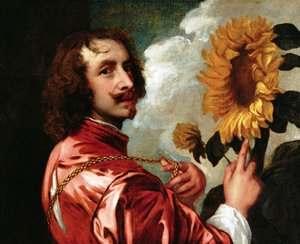
By his late teens, van Dyck had already achieved success as an independent painter, a feat that provided the momentum necessary for his departure from the Low Countries. Between 1621 and late 1627, he traveled through Italy, a period that would refine his ability to navigate the complex social hierarchies of European nobility. The trajectory of van Dyck’s career was fundamentally shaped by his time in the studio of Peter Paul Rubens.

Pupil of Peter Paul Rubens #5

Signature works · The 100 signature works

18of 100

Katsushika Hokusai

Japanese Born in Honjo Ukiyo-e Wikipedia in 32/32 languages

Katsushika Hokusai

By the age of six, the boy is already sketching, driven by a hunger that his father, Nakajima Ise, recognizes but cannot fully direct. By twelve, he enters the studio of Katsukawa Shunshō, learning the demanding precision of ukiyo-e woodblock printing. Around 1831, the series Thirty-six Views of Mount Fuji emerges, fundamentally altering the scope of Japanese printmaking.

Signature works · The 100 signature works

19of 100

Francisco de Zurbarán

Spanish Born in Fuente de Cantos Spanish Baroque, Tenebrism Wikipedia in 31/32 languages

Francisco de Zurbarán

His style drew from the realism of Caravaggio and his followers, but it was also shaped by the quiet precision of Juan Sánchez Cotán and the influence of polychrome sculpture. Rather than relying on the grand, sweeping movements seen in other Baroque works, he focused on a severe and direct way of seeing. As Murillo rose to prominence in the 1650s, the popularity of Zurbarán's more severe and direct style began to wane.

Where to see In Madrid, Spain, the Prado Museum houses a version of his Agnus Dei, a work that captures the stark, heavy presence of the lamb.

Signature works · The 100 signature works

20of 100

Bartolomé Esteban Murillo

Spanish Born in Seville Spanish Baroque Wikipedia in 32/32 languages

Bartolomé Esteban Murillo

In his youth, his work carried the weight and gravity of the Baroque tradition, but he eventually found a way to soften those edges. He had a way of building up forms through a layered approach, using delicate glazes and subtle brushwork to create depth. Later artists, including Gainsborough and Greuze, acknowledged the impact of his luminous style on their own approach to light and form.

Where to see In Spain, the Museo del Prado in Madrid holds several of his paintings, offering a direct connection to the spirit of the Golden Age.

Signature works · The 100 signature works

21of 100

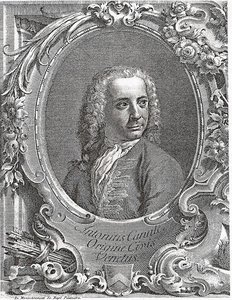
Canaletto

Italian Born in Venice Vedute, topographical style Wikipedia in 30/32 languages

Canaletto

After returning to Venice, Canaletto began to settle into a signature topographical style. He also recorded the movement of the water and the crowds during public events, such as the Regatta on the Grand Canal. Across the Atlantic, the National Gallery of Art in Washington holds his 1742 work, View of the Church and the Doge's Palace from the Procuratie Vecchie.

Where to see His presence remains felt in the collections of major institutions across Europe and beyond.

Teacher of Bernardo Bellotto #44

Signature works · The 100 signature works

22of 100

Giovanni Battista Tiepolo

Italian Born in Venice Rococo and Baroque Wikipedia in 30/32 languages

Giovanni Battista Tiepolo

He drew heavily from the traditions of Veronese, particularly in his use of elegant costumes and grand architectural settings. His color palettes often mirror the light found in the Venetian sky. He was a central figure in the 18th-century Venetian school, moving through the courts of Italy, Germany, and Spain.

Where to see To find his hand, one often looks to the very spaces he was commissioned to transform.

Signature works · The 100 signature works

23of 100

François Boucher

French Born in Paris Rococo Wikipedia in 30/32 languages

François Boucher

He arrived in Rome in 1728 to study at the French Academy, a period that would fundamentally shape his artistic sensibilities. The classical ideals he encountered in the Italian light and the works of the masters did not merely teach him technique; they instilled in him a new way of seeing. He was admitted to the Académie Royale de Peinture et de Sculpture in 1731, and by 1734, he had achieved the status of a historical painter within the Academy.

Where to see In Paris, the Louvre holds several of his canvases, preserving the spirit of the courtly life he so carefully rendered.

Teacher of Jean-Honoré Fragonard #24

Signature works · The 100 signature works

24of 100

Jean-Honoré Fragonard

French Born in Grasse Rococo Wikipedia in 28/32 languages

Jean-Honoré Fragonard

The brush moves with a speed that borders on the frantic. His late Rococo manner leans heavily into hedonism, using dappled light and soft, creamy tones to build worlds of intimacy and veiled desire.

Where to see The physical traces of Fragonard’s brushwork remain scattered across major global institutions.

Pupil of Jean-Baptiste-Siméon Chardin #27, François Boucher #23

Signature works · The 100 signature works

25of 100

Guido Reni

Italian Born in Bologna Baroque, Bolognese school, Classicism Wikipedia in 29/32 languages

Guido Reni

In 1601, he moved to Rome, a city that would command his attention for fifteen years. Around 1614, he returned to Bologna, arriving at a time of significant transition for the local school. Giovanni Francesco Barbieri, known as il Guercino, and the Flemish painter Anthony van Dyck both drew from the well of his refined technique and classical ideals.

Signature works · The 100 signature works

26of 100

Jacob van Ruisdael

Dutch Born in Haarlem Dutch Golden Age Wikipedia in 28/32 languages

Jacob van Ruisdael

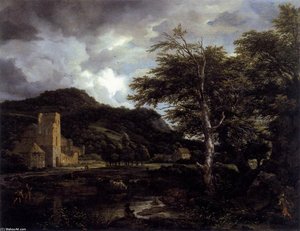
Ruisdael’s approach to the canvas was defined by a restless versatility. This method allowed him to achieve subtle gradations of color and tone, building a sense of depth that felt lived-in rather than merely painted. His influence helped shape the English Romantics and the Barbizon school in France, and his impact crossed the Atlantic to inform the Hudson River school in the United States.

Where to see The physical presence of his canvases remains scattered across the major repositories of European and American art.

Teacher of Meindert Hobbema #71

Signature works · The 100 signature works

27of 100

Jean-Baptiste-Siméon Chardin

French Born in Paris Naturalism Wikipedia in 27/32 languages

Jean-Baptiste-Siméon Chardin

Chardin’s presence in Paris was marked by a steady, quiet ascent through the city's artistic circles. For much of his career, he resided on the Left Bank near Saint-Sulpice, a location that anchored his life within the familiar rhythms of the neighborhood. By focusing on the tangible reality of a copper pot or a piece of fruit, he paved the way for the Realist movement, influencing painters like Gustave Courbet who sought to depict life without embellishment.

Where to see His presence is felt strongly in Paris, where the Musée du Louvre holds a significant portion of his output.

Teacher of Jean-Honoré Fragonard #24

Signature works · The 100 signature works

28of 100

Charles Le Brun

French Born in Paris Baroque Wikipedia in 30/32 languages

Charles Le Brun

Upon returning to Paris in 1646, Le Brun quickly gained recognition and patronage. Le Brun's artistic evolution involved moving away from strict adherence to classical models towards a more dynamic and expressive Baroque style. His decorative schemes at Versailles set a standard for royal palaces throughout Europe.

Pupil of Simon Vouet #46, Nicolas Poussin #7

Signature works · The 100 signature works

29of 100

Jan Steen

Dutch Born in Leiden Baroque, Genre painting Wikipedia in 27/32 languages

Jan Steen

His early compositions from the 1640s leaned into the grotesque, utilizing exaggerated and distorted figures to drive his narratives. This raw, almost jarring approach to characterization provided a foundation for the more nuanced social observations that would define his later output.

Pupil of Jan van Goyen #51

Signature works · The 100 signature works

30of 100

Thomas Gainsborough

British Born in Sudbury Rococo, Romanticism Wikipedia in 29/32 languages

Thomas Gainsborough

He favored a light palette, often marrying soft tones with deep, grounding browns to create a sense of naturalism. He would place his subjects within the wide, open air of the English countryside, allowing the atmosphere of the sky and the texture of the trees to inform the character of the person depicted.

Where to see To walk through the rooms of Gainsborough’s House in Sudbury is to step into the very environment that nurtured his early vision.

Signature works · The 100 signature works

31of 100

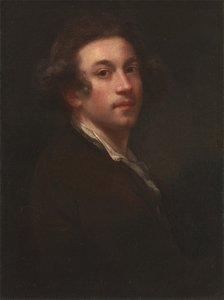
Joshua Reynolds

British Born in Plympton Grand Style Wikipedia in 31/32 languages

Joshua Reynolds

Between 1750 and 1752, Reynolds traveled to Italy. He returned to England with a clear vision for how British art could move beyond simple likenesses. His works remain central to the study of this era, held in significant collections such as the National Gallery and the National Portrait Gallery Collection.

Signature works · The 100 signature works

32of 100

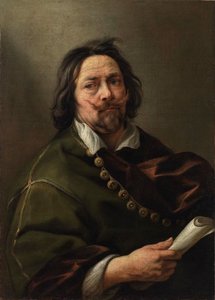
Jacob Jordaens

Flemish Born in Antwerp Baroque Wikipedia in 27/32 languages

Jacob Jordaens

Jordaens possessed a hand that favored the tangible and the real over the idealized dreams of the court. This careful layering gave his surfaces a certain glow, even when the subjects themselves were of a most earthly nature. While his contemporaries often looked toward the courtly elegance of Italy, Jordaens found his strength in the soil of Flanders.

Where to see In Paris, the Louvre preserves his hand, while the Museo del Prado in Madrid offers a glimpse into his ability to render the human form with such substantial presence.

Signature works · The 100 signature works

33of 100

Henry Fuseli

Swiss Born in Zurich Romanticism, Dark Romanticism Wikipedia in 27/32 languages

Henry Fuseli

He left for an art pilgrimage to Italy in 1770, staying there until 1778. It was during these years in Italy that he chose to change his name from Füssli to the more Italian-sounding Fuseli. One can see his shadow in the work of William Blake, who shared a similar interest in the visionary and the intense.

Signature works · The 100 signature works

34of 100

Pieter de Hooch

Dutch Born in Rotterdam Delft School, Dutch Golden Age Wikipedia in 26/32 languages

Pieter de Hooch

He was the eldest of five children born to Hendrick Hendricksz de Hooch, a master bricklayer, and Annetge Pieters, a midwife. During these formative years, de Hooch was a pupil of Claes Berchem. His compositions often shared thematic ground and structural similarities with the works of Emanuel de Witte, particularly in their approach to interior spaces.

Signature works · The 100 signature works

35of 100

Gian Lorenzo Bernini

Italian Born in Naples Baroque Wikipedia in 32/32 languages

Gian Lorenzo Bernini

He was a remarkably versatile artist who made significant contributions to architecture and urban planning, fundamentally reshaping the cityscape of Rome. The Fountain of the Four Rivers in Piazza Navona, with its allegorical figures representing major rivers from different continents, is a prime example of his ability to create dynamic and engaging urban environments. This innate ability quickly attracted attention, most notably from Cardinal Maffeo Barberini, who would later ascend to the papacy as Urban VIII and become Bernini's most influential patron, shaping not only his career but also the very aesthetic landscape of Rome itself.

Signature works · The 100 signature works

36of 100

Antonio Canova

Italian Born in Possagno Neoclassicism Wikipedia in 30/32 languages

Antonio Canova

Defining Neoclassicism: Canova’s work is characterized by its elegant forms, idealized figures, and a return to the aesthetic principles of ancient Greece and Rome. International Acclaim: Commissions from across Europe, including a statue of Theseus and the Minotaur for Girolamo Zulian (Venetian ambassador to Rome), cemented his status as one of the most celebrated artists in Europe. Monumental Commissions: He received prestigious commissions for tombs, most notably the elaborate Tomb of Pope Clement XIII in St.

Signature works · The 100 signature works

37of 100

Jusepe de Ribera

Spanish Born in Xàtiva Baroque Wikipedia in 30/32 languages

Jusepe de Ribera

He synthesized this technique with elements gleaned from other masters like Guido Reni, incorporating a classical sensibility into his compositions while retaining the visceral impact of Caravaggio's realism. His early works, such as the Martyrdom of Saint Bartholomew, exemplify this approach – a harrowing depiction of pain rendered with unflinching detail. He became a pivotal figure in Spanish Baroque painting, alongside masters like Velázquez, Zurbarán, and Murillo.

Teacher of Luca Giordano #45

Signature works · The 100 signature works

38of 100

Kitagawa Utamaro

Japanese Born in Kawagoe Ukiyo-e Wikipedia in 27/32 languages

Kitagawa Utamaro

European Impressionism: Utamaro’s work significantly impacted European Impressionist painters like Monet and Cassatt. His use of partial views, emphasis on light and shade, and focus on everyday subjects resonated with these artists, who sought to emulate his techniques.

Signature works · The 100 signature works

39of 100

Anton Raphael Mengs

German-Bohemian Born in Ústí nad Labem Neoclassical painting Wikipedia in 27/32 languages

Anton Raphael Mengs

While rooted in the Baroque tradition – evident in his dramatic use of light and shadow and his mastery of illusionistic techniques – Mengs courageously embraced the emerging principles of Neoclassicism, paving the way for artists like Jacques-Louis David and Antonio Canova.

Signature works · The 100 signature works

41of 100

Angelica Kauffmann

Swiss Born in Chur Neoclassical Painting Wikipedia in 27/32 languages

Angelica Kauffmann

Born Maria Anna Angelika Kauffmann on October 30, 1741, in Chur, Switzerland, her life was a masterful composition of cultural fluency and artistic ambition. In 1768, she achieved the extraordinary distinction of being named one of the two female founding members of the Royal Academy of Art in London, alongside Mary Moser.

Signature works · The 100 signature works

42of 100

Gerard van Honthorst

Dutch Born in Utrecht Baroque, Caravaggism Wikipedia in 23/32 languages

Gerard van Honthorst

He was a key figure in the Utrecht Caravaggisti movement – a group of Dutch painters who embraced Caravaggio's dramatic realism and tenebrism.

Signature works · The 100 signature works

43of 100

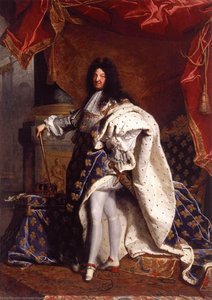
Hyacinthe Rigaud

Born in Perpignan Wikipedia in 26/32 languages

Hyacinthe Rigaud

Anthony van Dyck: For his elegant portraiture and refined technique. Rembrandt: For his masterful use of light and shadow, and psychological depth. Hyacinthe Rigaud (1659-1743) was a prominent French Baroque painter of Catalan origin, celebrated for his masterful portraits that captured the essence of 18th-century French nobility and fashion.

Pupil of Charles Le Brun #28

Signature works · The 100 signature works

44of 100

Bernardo Bellotto

Italian Born in Venice Veduta, urban landscape, printmaker Wikipedia in 27/32 languages

Bernardo Bellotto

He moved away from the bright, high-contrast palettes often found in Venetian scenes, choosing instead to work with a more restrained color scheme. Rio dei Mendicanti with the Scuola di San Marco (detail) (1738). This meticulous restoration effort was so successful that the historic centre of Warsaw was recognized as a UNESCO World Heritage Site in 1980.

Where to see In Dresden, the Gemäldegalerie holds a significant portion of his output, including views of the city that captured its architectural life before the ravages of war.

Pupil of Canaletto #21

Signature works · The 100 signature works

45of 100

Luca Giordano

Italian Born in Naples Late Baroque Wikipedia in 23/32 languages

Luca Giordano

The heavy, dark shadows of the early 17th-century Neapolitan tradition begin to recede as Giordano’s hand moves. He replaces deep, murky tones with a luminosity that defines his mature period. He acted as a bridge between the heavy, dramatic High Baroque and the lighter, more playful Rococo period.

Where to see The physical presence of Giordano’s output remains scattered across the major repositories of Europe.

Pupil of Jusepe de Ribera #37

Signature works · The 100 signature works

46of 100

Simon Vouet

French Born in Paris Baroque painting Wikipedia in 25/32 languages

Simon Vouet

Simon Vouet was a pivotal figure in the transition of French painting from Mannerism to the Baroque style. His grandson, Ludovico Dorigny, would continue the family’s artistic legacy. Rome (1614-1627): His time in Rome proved transformative.

Teacher of Charles Le Brun #28, Pierre Mignard I #96

Signature works · The 100 signature works

47of 100

Francesco Guardi

Italian Born in Venice Veduta, Venetian School Wikipedia in 27/32 languages

Francesco Guardi

However, while Canaletto prioritized topographical accuracy, Guardi gradually moved towards a more expressive and imaginative approach. The family legacy played a significant role; his sister Maria Cecilia’s marriage to Giovanni Battista Tiepolo further connected him to the leading artistic circles of the time, fostering a rich exchange of ideas and influences. He differed significantly from Canaletto, who often presented Venice in bright sunlight, Guardi frequently depicted the city shrouded in twilight or beneath clouded skies, emphasizing its melancholic charm.

Signature works · The 100 signature works

48of 100

Philippe de Champaigne

French Born in Brussels Baroque Wikipedia in 23/32 languages

Philippe de Champaigne

This shift was partly influenced by the theological currents of Jansenism – a Catholic movement emphasizing divine grace and human depravity – which found expression in the mood and subject matter of some of his most compelling pieces.

Signature works · The 100 signature works

49of 100

Anne-Louis Girodet

French Born in Montargis Neoclassicism & Romanticism Wikipedia in 23/32 languages

Anne-Louis Girodet

They can be found in prestigious museums such as the Musée Girodet in his hometown of Montargis, dedicated to his life and work, and the Louvre in Paris, ensuring that his legacy endures for generations to come.

Pupil of Jacques-Louis David #10

Signature works · The 100 signature works

50of 100

Carel Fabritius

Dutch Born in Middenbeemster Baroque art Wikipedia in 23/32 languages

Carel Fabritius

Following his time with Rembrandt, Fabritius settled in Delft, becoming a member of the local painters’ guild in 1652. What sets Fabritius apart is his masterful manipulation of light. Beyond The Goldfinch, Fabritius’s oeuvre includes other compelling works that showcase his distinctive vision.

Pupil of Rembrandt #1

Signature works · The 100 signature works

51of 100

Jan van Goyen

Born in Leiden Wikipedia in 25/32 languages

Jan van Goyen

Van Goyen’s style is immediately recognizable for its simplicity, subtle tonal variations, and use of a limited palette – primarily grays, browns, and greens. He moved away from the more colorful and detailed landscapes popular at the time, pioneering a more realistic and atmospheric approach. He directly impacted artists such as Jan Steen, who was one of his pupils.

Teacher of Jan Steen #29

Signature works · The 100 signature works

52of 100

Andrea Pozzo

Italian Born in Trento Baroque Wikipedia in 24/32 languages

Andrea Pozzo

His initial exposure to artistic pursuits was fostered within the structured environment of the local Jesuit High School, where he received a grounding in humanities that would later subtly inform the narrative depth of his work. In 1693, and again in 1700, he published Perspectiva Pictorum et Architectorum (Perspective for Painters and Architects), a treatise that meticulously detailed his techniques and became an essential resource for artists throughout Europe.

Signature works · The 100 signature works

53of 100

Yosa Buson

Japanese Born in Kema Haiga Style Art Wikipedia in 22/32 languages

Yosa Buson

Buson’s artistic lineage is complex, drawing upon both traditional Japanese aesthetics and the influence of Chinese art. He even traveled extensively throughout Japan, following in Bashō's footsteps, seeking to experience the same landscapes and capture the same spirit of wabi-sabi – the acceptance of transience and imperfection.

Signature works · The 100 signature works

54of 100

Joseph Wright of Derby

British Born in Derby Chiaroscuro, Romanticism Wikipedia in 23/32 languages

Joseph Wright of Derby

Influences: Thomas Hudson, Alexander Cozens, Baroque masters like Caravaggio.

Signature works · The 100 signature works

55of 100

Thomas Lawrence

British Born in Bristol Regency portraiture Wikipedia in 22/32 languages

Thomas Lawrence

His personal life was marked by tumultuous relationships, most notably with Sally and Maria Siddons, daughters of the celebrated actress Sarah Siddons.

Signature works · The 100 signature works

56of 100

John Singleton Copley

American-born British Born in Boston Neo-Classicism, Rococo Wikipedia in 22/32 languages

John Singleton Copley

He did not merely replicate the decorative flourishes of his predecessors; he tempered them with a rigorous, Neo-Classical vision. His work avoids the superficiality often found in purely decorative styles by grounding every composition in anatomical accuracy and psychological depth.

Signature works · The 100 signature works

57of 100

George Stubbs

English Born in Liverpool Romantic movement Wikipedia in 19/32 languages

George Stubbs

Stubbs operates at the intersection of scientific inquiry and fine art. These depictions of a lion attacking a horse represent early and significant examples of the Romantic movement.

Where to see The legacy of Stubbs’s anatomical precision survives in the halls of major international institutions.

Signature works · The 100 signature works

58of 100

Benjamin West

American Born in Springfield Township Neoclassical, Romanticism Wikipedia in 19/32 languages

Benjamin West

The Death of General Wolfe (1770), arguably his most famous work, exemplifies this revolutionary approach. Other notable pieces like Thetis Bringing the Armor to Achilles, The Three Sisters, The Fright of Astyanax, and The Cave of Despair demonstrate his versatility and mastery across a range of mythological and historical themes. Born in 1738 amidst the burgeoning landscape of colonial Pennsylvania, Benjamin West emerged as a pivotal figure in the transatlantic art world, a painter who skillfully navigated the currents of Neoclassicism and Romanticism while forging a uniquely American artistic identity.

Teacher of John Trumbull #98

Signature works · The 100 signature works

59of 100

David Teniers the Younger

Born in Antwerp Wikipedia in 18/32 languages

David Teniers the Younger

The early years of Teniers's career show a painter finding his footing through the shadows of others. He adopts Brouwer’s specific subject matter, technique, color, and composition, creating works that mirror the gritty, immediate energy of that style. As the leading genre painter of his era, he moved the focus of Northern European painting away from grand mythological narratives and toward the immediate realities of the common people.

Where to see The legacy of Teniers is anchored in the major collections of Europe, where his depictions of everyday life remain accessible to those tracing the history of Flemish Baroque painting.

Signature works · The 100 signature works

60of 100

Robert Adam

Scottish Born in Kirkcaldy Neoclassical Wikipedia in 29/32 languages

Robert Adam

Born in Kirkcaldy, Scotland, on July 3rd, 1728, Robert Adam emerged from a family already deeply entrenched in the world of architecture. However, it was a journey beyond Scotland’s borders – the Grand Tour of 1754-1757 – that truly catalyzed Adam’s artistic evolution.

Signature works · The 100 signature works

61of 100

Pompeo Batoni

Italian Born in Lucca Baroque and Neoclassicism Wikipedia in 19/32 languages

Pompeo Batoni

Batoni's style drew inspiration from classical antiquity, French Rococo, Bolognese Classicism, and artists such as Nicolas Poussin, Claude Lorrain, and especially Raphael. His work can be found in various museums, including the Pinacoteca di Brera in Milan, Italy.

Signature works · The 100 signature works

62of 100

Frans Snyders

Flemish Born in Antwerp Baroque Wikipedia in 20/32 languages

Frans Snyders

He quickly established himself as a sought-after partner for leading artists of the time, most notably Peter Paul Rubens. The Torre de la Parada hunting pavilion in Spain stands as a testament to their combined genius—Snyders executing over sixty animal paintings based on designs by Rubens. His work paved the way for later masters like Jean-Baptiste Oudry and François Desportes, who further refined the art of animal portraiture.

Signature works · The 100 signature works

63of 100

Adriaen Brouwer

Flemish Born in Oudenaarde Baroque, Genre painting Wikipedia in 21/32 languages

Adriaen Brouwer

He deeply admired the meticulous realism of the Flemish Primitives – artists like Jan van Eyck and Robert Campin – evident in his attention to detail and precise rendering of textures. Brouwer embraced the dramatic lighting and emotional intensity characteristic of Baroque art, injecting a dynamic energy into his compositions.

Signature works · The 100 signature works

64of 100

Pietro Longhi

Italian Born in Venice Venetian painting, Rococo Wikipedia in 18/32 languages

Pietro Longhi

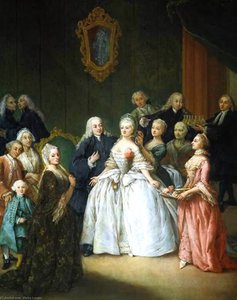
He even served as Director of the Academy of Drawing and Carving from 1763, further solidifying his position within the Venetian art world. He remains a vital figure in the history of Venetian art, celebrated for his unique blend of observation, wit, and technical skill – a true chronicler of 18th-century life. While influenced by earlier Venetian masters like Giuseppe Maria Crespi, Longhi forged his own path, anticipating later developments in genre painting.

Signature works · The 100 signature works

65of 100

Gabriel Metsu

Dutch Born in Leiden Eclectic; genre, portrait, still life Wikipedia in 23/32 languages

Gabriel Metsu

By 1650, he had ceased to be a subscriber to the guild. His focus shifted as he moved toward Amsterdam around 1655. His work is credited with influencing several major figures of the era, including Johannes Vermeer, Jan Steen, Frans van Mieris, and Pieter de Hooch.

Where to see Tracing the presence of his paintings requires traveling through several major collections.

Pupil of Gerrit Dou #91

Signature works · The 100 signature works

66of 100

Pierre Puget

French Born in Marseille Baroque Wikipedia in 22/32 languages

Pierre Puget

Vaux-le-Vicomte (1660s): Nicolas Fouquet commissioned Puget to sculpt Hercules for his château at Vaux-le-Vicomte, marking a significant moment in his career and demonstrating the patronage of powerful figures. Genoa Period: Following Fouquet's downfall, Puget moved to Genoa, where he created notable works such as the “Hercule Gaulois” (Louvre) and sculptures for churches like Santa Maria di Carignano. Journey to Italy (1640): Seeking opportunities, he traveled to Italy, initially to Livorno and then Florence.

Signature works · The 100 signature works

67of 100

Alonso Cano

Spanish Born in Granada Baroque Wikipedia in 21/32 languages

Alonso Cano

This proximity to power allowed him to leave an indelible mark on the architectural landscape of Spain; notably, he served as the chief architect of the Granada Cathedral, designing its magnificent façade which was eventually erected following his passing.

Signature works · The 100 signature works

69of 100

Ogata Kōrin

Japanese Born in Heian-kyō Rinpa School Wikipedia in 18/32 languages

Ogata Kōrin

His use of gold leaf, meticulously applied to the paper, added an ethereal quality to his paintings, creating a shimmering depth that captivated viewers. Furthermore, Kōrin’s mastery extended beyond painting; he was also a skilled lacquerer and designer of decorative objects like makie (relief designs) and inrō (medicine cases). His work continues to inspire artists and art enthusiasts alike, offering a glimpse into the vibrant world of Edo-period Japan and the genius of one of its most celebrated painters.

Signature works · The 100 signature works

70of 100

Willem Kalf

Dutch Born in Rotterdam Dutch Golden Age, Still Life Wikipedia in 17/32 languages

Willem Kalf

His semi-monochrome still lifes exerted a notable influence on French art, particularly within the circle of the Le Nain brothers, who admired his sophisticated use of light and shadow.

Signature works · The 100 signature works

71of 100

Meindert Hobbema

Dutch Born in Amsterdam Golden Age Dutch Landscape Art Wikipedia in 23/32 languages

Meindert Hobbema

The partnership with Ruysdael was far more than a mere educational period; it fostered an intellectual and stylistic exchange that propelled Hobbema’s artistic evolution. Unlike the more dramatic or stormy landscapes found in other Dutch traditions, Hobbema’s oeuvre often leans toward a peaceful, structured realism. His paintings do not merely document the topography of 17th-century Holland; they evoke a sense of stillness and permanence.

Pupil of Jacob van Ruisdael #26

Signature works · The 100 signature works

72of 100

Gilbert Stuart

American Born in North Kingstown Neoclassical Wikipedia in 19/32 languages

Gilbert Stuart

Stuart's career faced challenges during the American Revolution, prompting him to relocate to England in 1775. His most famous work is the unfinished portrait of George Washington, known as the Athenaeum Portrait (begun in 1796). Cosmo Alexander provided early training in technique and composition.

Signature works · The 100 signature works

73of 100

Giovanni Domenico Tiepolo

Italian Born in Venice Rococo Wikipedia in 18/32 languages

Giovanni Domenico Tiepolo

In the luminous heart of eighteenth-century Venice, a period defined by the decadent splendor of the Rococo, Giandomenico Tiepolo emerged as a master of both grand spectacle and intimate human drama.

Signature works · The 100 signature works

74of 100

Nicolaes Maes

Dutch Born in Dordrecht Baroque, Dutch Golden Age Wikipedia in 20/32 languages

Nicolaes Maes

Returning to Dordrecht in 1654, Maes began to forge his own artistic path, gradually distancing himself from direct imitation of his former master. The subsequent decade witnessed a shift towards smaller-scale domestic genre scenes, yet retaining the vibrant colorism he had absorbed during his time with Rembrandt. His paintings offer invaluable insights into the social customs, domestic interiors, and psychological complexities of the Dutch Golden Age.

Pupil of Rembrandt #1

Signature works · The 100 signature works

75of 100

Torii Kiyonaga

Japanese Born in Edo Ukiyo-e Wikipedia in 16/32 languages

Torii Kiyonaga

However, he deliberately delayed his formal assumption of the role for two years. In 1787, he officially took the reins, immediately focusing on maintaining the school’s lucrative monopoly on kabuki signboards – essential promotional materials for the theaters. The son of a bookseller, Kiyonaga’s early life provided him with access to the cultural currents of Edo society, fostering an appreciation for its vibrant entertainment districts and the refined tastes of its populace.

Signature works · The 100 signature works

76of 100

Giovanni Battista Gaulli

Italian Born in Genoa High Baroque Wikipedia in 16/32 languages

Giovanni Battista Gaulli

His ability to manipulate light and space left an indelible mark on the Roman school of painting, influencing generations of artists who sought to capture the sublime. When Gaulli passed away in Rome on April 2, 1709, he left behind a legacy that continues to haunt the corridors of Italy's most sacred basilicas. In the grand, theatrical theater of the Roman Baroque, few names command as much awe as Giovanni Battista Gaulli.

Signature works · The 100 signature works

77of 100

Francesco Albani

Italian Born in Bologna Baroque and Classical Wikipedia in 21/32 languages

Francesco Albani

His influence stretched far beyond the borders of Italy, as his refined approach to composition and color became a standard for subsequent generations of European painters.

Signature works · The 100 signature works

78of 100

George Romney

British Born in Dalton-in-Furness Romanticism, Neoclassicism Wikipedia in 22/32 languages

George Romney

Romney’s approach to the canvas was defined by a delicate balance between meticulous detail and expressive brushwork. Portrait of Sir Chaloner Ogle, 1st Baronet (1782). His ability to navigate the shifting social hierarchies of the Georgian era ensured his presence in the most fashionable salons of the time. 1763: Jacob Morland of Capplethwaite. 1765: Portrait of a Lady. 1767: Portrait of a Girl.

Where to see The distribution of Romney’s surviving canvases reflects the geographic arc of his life, from his northern roots to his eventual prominence in the capital.

Signature works · The 100 signature works

79of 100

Emanuel de Witte

Dutch Born in Alkmaar Baroque art Wikipedia in 17/32 languages

Emanuel de Witte

Emanuel de Witte stands as an important figure in the last phase of architectural painting in the Netherlands, bridging the gap between meticulous documentation and atmospheric interpretation.

Signature works · The 100 signature works

80of 100

Joseph Marie Vien

Spanish Born in Montpellier Still-life painting Wikipedia in 15/32 languages

Joseph Marie Vien

Itō Jakuchū (1716-1800) stands as a pivotal figure in Japanese art history, a master painter who pushed the boundaries of traditional ukiyo-e style with radical experimentation and a profound appreciation for nature. The impact of Itō Jakuchū’s work extended far beyond his own lifetime.

Teacher of Jacques-Louis David #10

Signature works · The 100 signature works

81of 100

Pietro da Cortona

Italian Born in Cortona Baroque Wikipedia in 27/32 languages

Pietro da Cortona

Roman Baroque Masters: His arrival in Rome exposed him to the revolutionary work of artists such as Annibale Carracci, Caravaggio, and later, Bernini and Borromini. Pietro Paolo Ubaldini: A faithful follower who carried on the traditions established by Cortona, demonstrating the artist's lasting impact on subsequent generations of painters. He returned to Florence in 1637 and again in 1640, leaving his mark on the Pitti Palace with frescoes representing the Four Ages of Man.

Signature works · The 100 signature works

82of 100

Giovanni Battista Piazzetta

Italian Born in Venice Rococo Wikipedia in 16/32 languages

Giovanni Battista Piazzetta

His father, Giacomo Piazzetta, was a sculptor, and young Giovanni’s initial training took place within this familial workshop, fostering an early appreciation for form and craftsmanship through wood carving. However, his path soon diverged towards painting, beginning studies with Antonio Molinari in 1697. The “Soothsayer,” now housed in the Gallerie dell’Accademia in Venice, exemplifies this perfectly.

Signature works · The 100 signature works

83of 100

Francesco Solimena

Italian Born in Serino Baroque Wikipedia in 16/32 languages

Francesco Solimena

However, he didn't merely imitate; instead, he synthesized these influences into a uniquely Neapolitan aesthetic. The hallmarks of his work include dynamic compositions brimming with emotional intensity, reflecting the Baroque period’s penchant for grandeur and theatricality. He stands as one of the most important figures in Neapolitan Baroque painting, successfully synthesizing Roman influences with local traditions to create a distinctive style that defined artistic production in Naples for generations.

Signature works · The 100 signature works

84of 100

Nicolas Lancret

French Born in Paris Rococo Wikipedia in 16/32 languages

Nicolas Lancret

Lancret became renowned as a brilliant portrayer of everyday life within French society during the Regency of the Duke of Orleans and the early reign of King Louis XV. La Servante Justifiée (1735-1740): Showcases Lancret's ability to portray domestic scenes with wit and charm. His works reside in prestigious collections worldwide, including the National Gallery and the Musée d'Orsay, ensuring his legacy continues to inspire appreciation for French Rococo art.

Signature works · The 100 signature works

85of 100

Peter Lely

Dutch, British Born in Soest Baroque, Dutch influence Wikipedia in 18/32 languages

Peter Lely

He possessed an exceptional ability to render fabrics with astonishing realism – a hallmark of his portraits – and his use of light and shadow created a sense of depth and atmosphere that captivated viewers. His compositions are often dynamic and engaging, drawing the eye to key elements within the frame. Initially, he produced mythological and religious scenes, often set within idyllic pastoral landscapes – a style reminiscent of Anthony van Dyck, who had become immensely popular with the English court before his untimely death in 1641.

Signature works · The 100 signature works

86of 100

Juan de Valdés Leal

Spanish Born in Seville Baroque Wikipedia in 16/32 languages

Juan de Valdés Leal

The canvases of Valdés Leal reject gentle radiance. This is a visceral art of the Baroque era, where the boundaries between the earthly and the divine dissolve into darkness.

Signature works · The 100 signature works

87of 100

Judith Leyster

Dutch Born in Haarlem Dutch Golden Age Wikipedia in 24/32 languages

Judith Leyster

leyster's first known signed works, serenade and jolly topper, date back to 1629 when she was just twenty years old. by 1633, she became a member of the haarlem guild of st. luke, making her one of the first female artists to be part of this prestigious organization.

Pupil of Frans Hals #12

Signature works · The 100 signature works

88of 100

Giovanni Paolo Panini

Italian Born in Piacenza Baroque, Vedutismo Wikipedia in 26/32 languages

Giovanni Paolo Panini

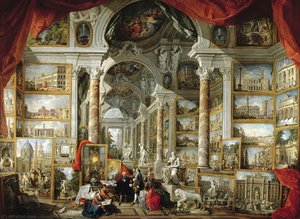
Giovanni Paolo Panini, a name synonymous with the grandeur and romantic allure of 18th-century Rome, was more than just a painter; he was a visual architect of memory. He was a respected teacher at both the Accademia di San Luca and the Académie de France in Rome, shaping the artistic sensibilities of a generation of artists.

Signature works · The 100 signature works

89of 100

Hendrick Avercamp

Dutch Born in Amsterdam Dutch Golden Age painting Wikipedia in 23/32 languages

Hendrick Avercamp

Avercamp stands out as one of the first dedicated landscape painters in 17th-century Holland, a period traditionally dominated by portraiture, history painting, and still life. His paintings aren’t merely depictions of cold weather; they are vibrant snapshots of Dutch life unfolding on the ice. His work also reflects the climatic conditions of the Little Ice Age, a period of unusually cold winters in Europe, which undoubtedly fueled his fascination with frozen landscapes.

Signature works · The 100 signature works

90of 100

Salvator Rosa

Italian Born in Naples Baroque Wikipedia in 24/32 languages

Salvator Rosa

In 1635, he leaves his native Naples for Rome, entering the undisputed art center of the era. By 1648, the artist is forced to flee Naples entirely after becoming involved in a failed uprising against the Spanish rulers. The impact of Salvator Rosa ripples through the evolution of Baroque art.

Where to see The physical remnants of Rosa’s restless career are scattered across the major art capitals of Europe and the Americas.

Signature works · The 100 signature works

91of 100

Gerrit Dou

Dutch Born in Leiden Dutch Golden Age, Leiden fijnschilders Wikipedia in 22/32 languages

Gerrit Dou

Rather than working on large, sweeping canvases, he preferred small-scale works that invited close inspection. Some of his notable subjects include: The Dropsical Woman. His influence flowed directly into the work of his pupils, most notably Frans van Mieris the Elder and Gabriël Metsu.

Where to see Finding the traces of Gerrit Dou's hand requires a trip through some of Europe's most significant halls.

Pupil of Rembrandt #1 · Teacher of Gabriel Metsu #65

Signature works · The 100 signature works

92of 100

Joseph Vernet

French Born in Avignon Landscape, Seascape Wikipedia in 26/32 languages

Joseph Vernet

Beyond maritime scenes, Vernet also explored landscapes and hunting subjects, always maintaining a keen eye for detail and an understanding of animal anatomy—a skill honed in his youth.

Signature works · The 100 signature works

93of 100

Hubert Robert

French Born in Paris Romanticism, Neoclassicism Wikipedia in 21/32 languages

Hubert Robert

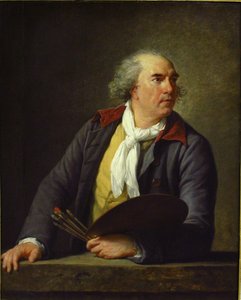
His father, Nicolas Robert, held a position within the household of a prominent figure, a connection that would eventually facilitate the young man's movement through the upper echelons of French society. This early stability provided the foundation for a formal education, which he pursued through the structured environment of the Collège de Navarre.

Where to see The preservation of Robert’s prolific output is spread across several major international institutions, reflecting the reach of his influence during the late eighteenth century.

Signature works · The 100 signature works

94of 100

Rachel Ruysch

Dutch Born in The Hague Still life, Floral painting Wikipedia in 23/32 languages

Rachel Ruysch

Ruysch didn’t simply follow in the footsteps of her predecessors; she forged her own path, developing a style instantly recognizable for its meticulous detail, vibrant color palettes, and dynamic asymmetry. Her mastery lay in her ability to capture the textures and subtle variations within each bloom, rendering them with astonishing realism. Rachel Ruysch’s contribution to Dutch Golden Age art extends far beyond her technical brilliance and artistic innovation.

Signature works · The 100 signature works

95of 100

Paulus Potter

Dutch Born in Enkhuizen Romanticism Wikipedia in 23/32 languages

Paulus Potter

Paulus Potter carved a unique niche for himself within the vibrant landscape of Dutch Golden Age painting. He became celebrated for his captivating depictions of animals – particularly cattle – seamlessly integrated into expansive, meticulously rendered landscapes. He is now recognized as a precursor to the Romantic movement, anticipating its emphasis on the sublime power of nature and the emotional response it evokes.

Signature works · The 100 signature works

96of 100

Pierre Mignard I

French Born in Troyes Baroque Wikipedia in 24/32 languages

Pierre Mignard I

He quickly gained patronage from influential figures, including King Louis XIV himself, yet his ascent coincided with the dominance of Charles Le Brun, who held the prestigious title of peintre du roi. Despite this conflict, he flourished as a portraitist, immortalizing prominent individuals such as Turenne, Molière, Bossuet, and Madame de Maintenon on canvas. While often overshadowed by Le Brun’s greater fame and official recognition, Mignard remains an important figure in French Baroque painting.

Pupil of Simon Vouet #46

Signature works · The 100 signature works

97of 100

Guercino

Italian Born in Cento Baroque Wikipedia in 25/32 languages

Guercino

Museums and Collections: Guercino’s works grace the halls of institutions like the Pinacoteca Nazionale (Ferrara), the Palazzo Brignole-Sale (Genoa), and the Galleria Spada (Rome).

Signature works · The 100 signature works

98of 100

John Trumbull

American Born in Lebanon Historical painting Wikipedia in 18/32 languages

John Trumbull

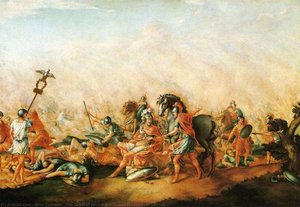
In 1780, he embarked on a journey to London, seeking tutelage under the esteemed Benjamin West, an American expatriate who had achieved prominence as a history painter. West recognized Trumbull’s potential and encouraged him to focus on scenes from the War of Independence, suggesting smaller-scale works and miniature portraits – a practical approach that allowed Trumbull to hone his skills while establishing a clientele.

Pupil of Benjamin West #58

Signature works · The 100 signature works

99of 100

Jan van Huysum

Dutch Born in Amsterdam Dutch Golden Age, Still life Wikipedia in 18/32 languages

Jan van Huysum

What truly sets Van Huysum apart is his unparalleled technique. He employed smooth, glossy brushstrokes, building up layers of paint to create an almost enamel -like surface that enhanced the richness and vibrancy of his colors. Born into an artistic family—his father, Justus van Huysum the Elder, was also a respected flower painter, and his brothers Jacob and Michiel followed suit—Jan’s path seemed predetermined.

Signature works · The 100 signature works

Signature works

Signature Early Modern works

  1. Isaac and Rebecca, known as by Rembrandt

    Isaac and Rebecca, known as

    Rembrandt

    1669 · Rijksmuseum, Amsterdam

  2. Sick Bacchus by Caravaggio

    Sick Bacchus

    Caravaggio

    1593 · Galleria Borghese, Rome

  3. The Surrender of Breda (Las Lanzas) by Diego Velázquez

    The Surrender of Breda (Las Lanzas)

    Diego Velázquez

    1634 · Museo del Prado, Madrid

  4. La maja desnuda. . Madrid, Museo del Prado. by Francisco Goya

    La maja desnuda. . Madrid, Museo del Prado.

    Francisco Goya

    1797

  5. The Raising of the Cross by Peter Paul Rubens

    The Raising of the Cross

    Peter Paul Rubens

    1620

  6. The Milkmaid by Johannes Vermeer

    The Milkmaid

    Johannes Vermeer

    1658 · Rijksmuseum, Amsterdam

  7. The Death of Germanicus, Minneapolis Institute by Nicolas Poussin

    The Death of Germanicus, Minneapolis Institute

    Nicolas Poussin

    1627

  8. Susanna and the Elders by Artemisia Gentileschi

    Susanna and the Elders

    Artemisia Gentileschi

    1610 · Schloss Weissenstein, Poppenhausen

A timeline

Early Modern through its signature works

  1. 1593
  2. 1627
  3. 1638
  4. 1638
  5. 1644
  6. 1650
  7. 1658
  8. 1664
  9. 1717
  10. 1726
  11. 1743
  12. 1765
  13. 1777
  14. 1793

Figures

The figures

Every name

List of 100 famous Early Modern painters, every name
  1. 1RembrandtRembrandtDutch · 1606–1669
  2. 2CaravaggioCaravaggio1571–1610
  3. 3Diego VelázquezDiego VelázquezSpanish · 1599–1660
  4. 4Francisco GoyaFrancisco GoyaSpanish · 1746–1828
  5. 5Peter Paul RubensPeter Paul RubensFlemish · 1577–1640
  6. 6Johannes VermeerJohannes VermeerDutch · 1632–1675
  7. 7Nicolas PoussinNicolas PoussinFrench · 1594–1665
  8. 8Artemisia GentileschiArtemisia GentileschiItalian · 1593–1653
  9. 9William BlakeWilliam BlakeBritish · 1757–1827
  10. 10Jacques-Louis DavidJacques-Louis DavidFrench · 1748–1825
  11. 11Jean-Antoine WatteauJean-Antoine WatteauFrench · 1684–1721
  12. 12Frans HalsFrans Hals1580–1666
  13. 13Élisabeth Louise Vigée Le BrunÉlisabeth Louise Vigée Le BrunFrench · 1755–1842
  14. 14Claude LorrainClaude Lorrain1600–1682
  15. 15William HogarthWilliam HogarthEnglish · 1697–1764
  16. 16Georges de la TourGeorges de la TourFrench · 1593–1652
  17. 17Anthony van DyckAnthony van DyckFlemish · 1599–1641
  18. 18Katsushika HokusaiKatsushika HokusaiJapanese · 1760–1849
  19. 19Francisco de ZurbaránFrancisco de ZurbaránSpanish · 1598–1664
  20. 20Bartolomé Esteban MurilloBartolomé Esteban MurilloSpanish · 1617–1682
  21. 21CanalettoCanalettoItalian · 1697–1768
  22. 22Giovanni Battista TiepoloGiovanni Battista TiepoloItalian · 1696–1770
  23. 23François BoucherFrançois BoucherFrench · 1703–1770
  24. 24Jean-Honoré FragonardJean-Honoré FragonardFrench · 1732–1806
  25. 25Guido ReniGuido ReniItalian · 1575–1642
  26. 26Jacob van RuisdaelJacob van RuisdaelDutch · 1628–1682
  27. 27Jean-Baptiste-Siméon ChardinJean-Baptiste-Siméon ChardinFrench · 1699–1779
  28. 28Charles Le BrunCharles Le BrunFrench · 1619–1690
  29. 29Jan SteenJan SteenDutch · 1626–1679
  30. 30Thomas GainsboroughThomas GainsboroughBritish · 1727–1788
  31. 31Joshua ReynoldsJoshua ReynoldsBritish · 1723–1792
  32. 32Jacob JordaensJacob JordaensFlemish · 1593–1678
  33. 33Henry FuseliHenry FuseliSwiss · 1741–1825
  34. 34Pieter de HoochPieter de HoochDutch · 1629–1684
  35. 35Gian Lorenzo BerniniGian Lorenzo BerniniItalian · 1598–1680
  36. 36Antonio CanovaAntonio CanovaItalian · 1757–1822
  37. 37Jusepe de RiberaJusepe de RiberaSpanish · 1591–1652
  38. 38Kitagawa UtamaroKitagawa UtamaroJapanese · 1753–1806
  39. 39Anton Raphael MengsAnton Raphael MengsGerman-Bohemian · 1728–1779
  40. 40Jean-Baptiste GreuzeJean-Baptiste GreuzeFrench · 1725–1805
  41. 41Angelica KauffmannAngelica KauffmannSwiss · 1741–1807
  42. 42Gerard van HonthorstGerard van HonthorstDutch · 1592–1656
  43. 43Hyacinthe RigaudHyacinthe Rigaud1659–1743
  44. 44Bernardo BellottoBernardo BellottoItalian · 1722–1780
  45. 45Luca GiordanoLuca GiordanoItalian · 1634–1705
  46. 46Simon VouetSimon VouetFrench · 1590–1649
  47. 47Francesco GuardiFrancesco GuardiItalian · 1712–1793
  48. 48Philippe de ChampaignePhilippe de ChampaigneFrench · 1602–1674
  49. 49Anne-Louis GirodetAnne-Louis GirodetFrench · 1767–1824
  50. 50Carel FabritiusCarel FabritiusDutch · 1622–1654
  51. 51Jan van GoyenJan van Goyen1596–1656
  52. 52Andrea PozzoAndrea PozzoItalian · 1642–1709
  53. 53Yosa BusonYosa BusonJapanese · 1716–1784
  54. 54Joseph Wright of DerbyJoseph Wright of DerbyBritish · 1734–1797
  55. 55Thomas LawrenceThomas LawrenceBritish · 1769–1830
  56. 56John Singleton CopleyJohn Singleton CopleyAmerican-born British · 1738–1815
  57. 57George StubbsGeorge StubbsEnglish · 1724–1806
  58. 58Benjamin WestBenjamin WestAmerican · 1738–1820
  59. 59David Teniers the YoungerDavid Teniers the Younger1610–1690
  60. 60Robert AdamRobert AdamScottish · 1728–1792
  61. 61Pompeo BatoniPompeo BatoniItalian · 1708–1787
  62. 62Frans SnydersFrans SnydersFlemish · 1579–1657
  63. 63Adriaen BrouwerAdriaen BrouwerFlemish · 1605–1638
  64. 64Pietro LonghiPietro LonghiItalian · 1701–1785
  65. 65Gabriel MetsuGabriel MetsuDutch · 1629–1667
  66. 66Pierre PugetPierre PugetFrench · 1620–1694
  67. 67Alonso CanoAlonso CanoSpanish · 1601–1667
  68. 68Giovanni LanfrancoGiovanni LanfrancoItalian · 1582–1647
  69. 69Ogata KōrinOgata KōrinJapanese · 1658–1716
  70. 70Willem KalfWillem KalfDutch · 1619–1693
  71. 71Meindert HobbemaMeindert HobbemaDutch · 1638–1709
  72. 72Gilbert StuartGilbert StuartAmerican · 1755–1828
  73. 73Giovanni Domenico TiepoloGiovanni Domenico TiepoloItalian · 1727–1804
  74. 74Nicolaes MaesNicolaes MaesDutch · 1634–1693
  75. 75Torii KiyonagaTorii KiyonagaJapanese · 1752–1815
  76. 76Giovanni Battista GaulliGiovanni Battista GaulliItalian · 1639–1709
  77. 77Francesco AlbaniFrancesco AlbaniItalian · 1578–1660
  78. 78George RomneyGeorge RomneyBritish · 1734–1802
  79. 79Emanuel de WitteEmanuel de WitteDutch · 1617–1692
  80. 80Joseph Marie VienJoseph Marie VienSpanish · 1716–1809
  81. 81Pietro da CortonaPietro da CortonaItalian · 1596–1669
  82. 82Giovanni Battista PiazzettaGiovanni Battista PiazzettaItalian · 1683–1754
  83. 83Francesco SolimenaFrancesco SolimenaItalian · 1657–1747
  84. 84Nicolas LancretNicolas LancretFrench · 1689–1743
  85. 85Peter LelyPeter LelyDutch, British · 1618–1680
  86. 86Juan de Valdés LealJuan de Valdés LealSpanish · 1622–1690
  87. 87Judith LeysterJudith LeysterDutch · 1609–1660
  88. 88Giovanni Paolo PaniniGiovanni Paolo PaniniItalian · 1691–1765
  89. 89Hendrick AvercampHendrick AvercampDutch · 1585–1634
  90. 90Salvator RosaSalvator RosaItalian · 1615–1673
  91. 91Gerrit DouGerrit DouDutch · 1613–1675
  92. 92Joseph VernetJoseph VernetFrench · 1714–1789
  93. 93Hubert RobertHubert RobertFrench · 1733–1808
  94. 94Rachel RuyschRachel RuyschDutch · 1664–1750
  95. 95Paulus PotterPaulus PotterDutch · 1625–1654
  96. 96Pierre Mignard IPierre Mignard IFrench · 1612–1695
  97. 97GuercinoGuercinoItalian · 1591–1666
  98. 98John TrumbullJohn TrumbullAmerican · 1756–1843
  99. 99Jan van HuysumJan van HuysumDutch · 1682–1749
  100. 100Rosalba CarrieraRosalba CarrieraItalian · 1675–1757

Questions

Your questions

Other movements

Famous artists of other movements

Other periods

Famous artists across the periods

Famous paintings

Masterpieces that inspire us, by movement

Discover more

More artists to discover