

A Legacy of Visionary Collecting
The story began in 1824, when the British government acquired thirty-eight paintings from the estate of John Julius Angerstein. This initial act of acquisition transformed a private collection into a public resource, establishing a foundation for what would become a central pillar of London's cultural landscape. Unlike many European institutions that grew from royal or princely holdings, this collection emerged through deliberate state action and the generosity of private donors, who eventually provided two-thirds of its contents.
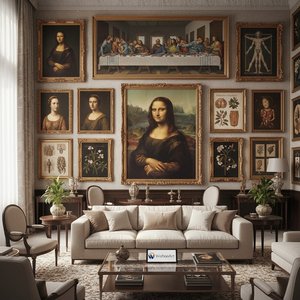
The halls now hold over 2,300 works, spanning from the mid-13th century to 1900. Visitors encounter the meticulous technique of Leonardo da Vinci in his Virgin of the Rocks, where the use of sfumato creates a profound sense of depth within a quiet grotto. The collection moves through the mythological narratives of Botticelli’s Primavera, noting the specific details of myrtle and orange blossoms, to the dramatic shadows of Caravaggio. These works represent a broad sweep of Western art history, including the heavy textures of Rembrandt and the light-filled canvases of the Impressionists.
Architectural Evolution in Trafalgar Square
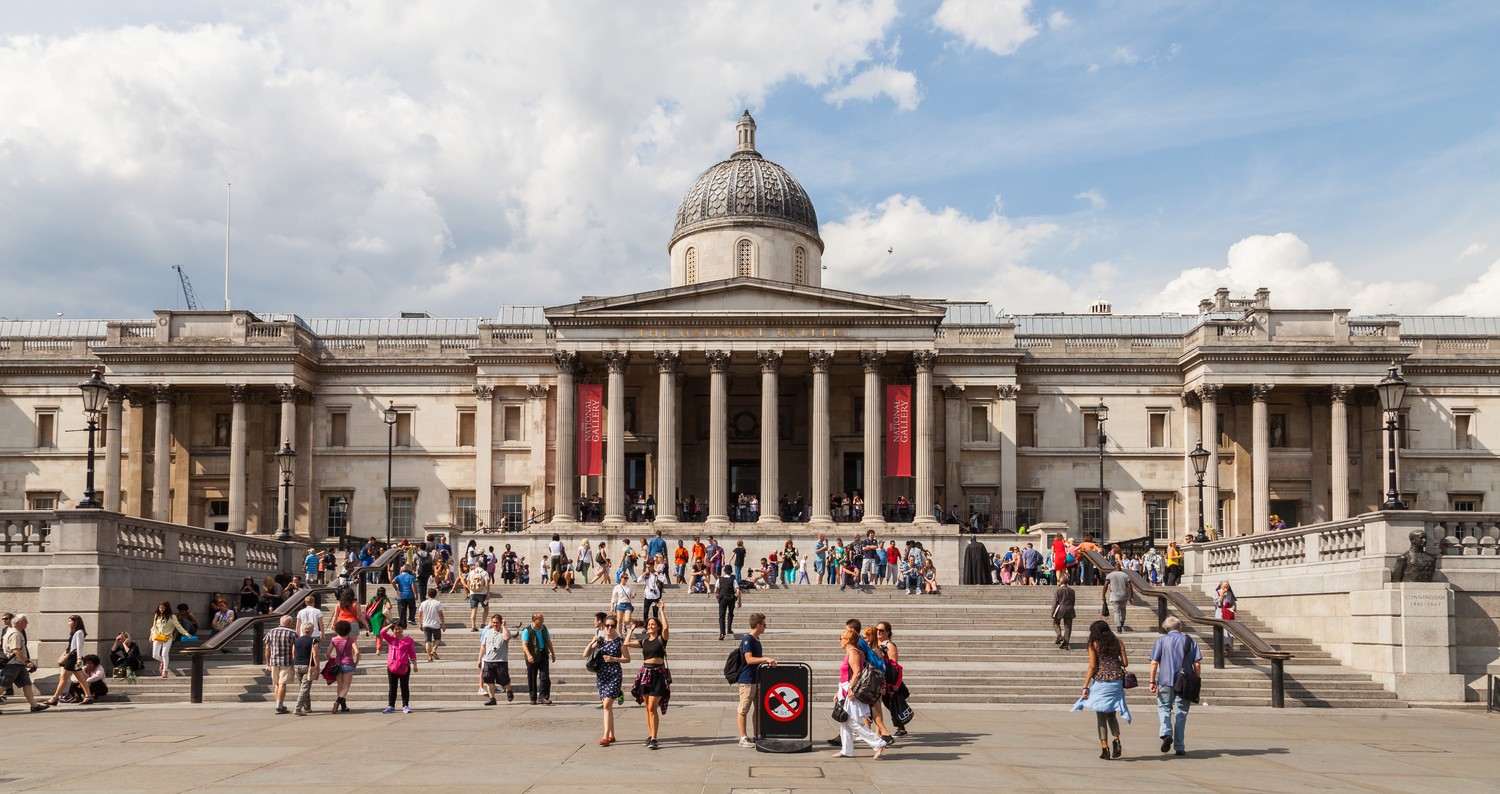
The physical presence of the building reflects the changing needs of its collection. William Wilkins designed the neoclassical structure that faces Trafalgar Square, with a monumental façade that has remained largely unchanged since 1838. The design follows the ideals of Enlightenment rationality, utilizing grand columns and a symmetrical composition to project order. While the original stone exterior maintains its historical character, the institution has expanded to meet the demands of modern audiences.
The addition of the Sainsbury Wing in 1996 introduced a Postmodernist element to the site, designed by Robert Venturi and Denise Scott Brown. This expansion allowed the institution to grow without erasing its architectural roots. Inside, the space is characterized by high ceilings and expansive galleries that provide the necessary scale for large-scale canvases. The building functions as a place where the weight of history meets contemporary architectural thought.
A Continuous Dialogue with the Present
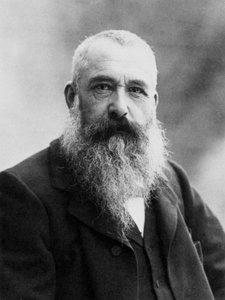
The institution remains active through a rotating schedule of temporary exhibitions that bring new focus to specific eras or artists. Recent and upcoming programs include studies of landscapes by Waldmüller, the side-by-side presentation of Monet and Renoir, and explorations of German Expressionism from the early 20th century. These displays allow for a deeper look at individual movements, such as the portraits of Van Eyck or the religious intensity found in the works of Zurbaran.
Beyond the permanent collection, the site serves as a center for learning and community engagement. The schedule includes:
- Guided tours that offer insights into the technical mastery of the Old Masters.
- Friday Lates, which extend viewing hours into the evening for a different atmosphere.
- Specialized talks and workshops focused on specific artistic themes.
- Digital resources including high-resolution images and virtual tours for global access.