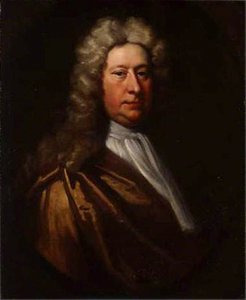
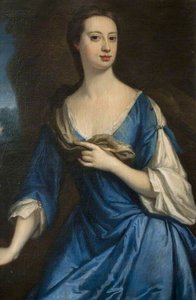
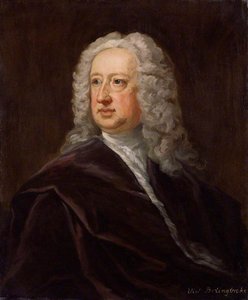
Portrait of Jonathan Richardson the Elder

The 88 Most Famous Jonathan Richardson the Elder Paintings, a Gallery Selection

Updated November 2026 · ranked by our popularity score (searches, visits and orders for each work) · 89 works by Jonathan Richardson the Elder in our catalogue

In short

Of all the originals Jonathan Richardson the Elder left, the most famous is Garton Orme at the Spinet (1707), in the collection of the The Holburne Museum, Bath. Close behind it come William Cheselden (1688–1752) (1730) and Sir Nathaniel Curzon (1676–1758), 4th Bt Curzon, with His Wife, Mary Assheton (1695–1776), Lady Curzon, and Their Son Nathaniel (1726–1804), Later Nathaniel Curzon, 1st Baron Scarsdale, with Their Dead Son John Curzon (1719–1720), in the Clouds above (1730). Our catalog holds 89 works by Jonathan Richardson the Elder; the gallery has kept the 88 the world admires most, each shown with its date, its museum and its story.

1667 – 1745 Neoclassicism Most works: National Portrait Gallery

Jonathan Richardson the Elder's top 10 paintings: the gallery's choice

1
Garton Orme at the Spinet (1707) by Jonathan Richardson the Elder

Garton Orme at the Spinet

1707 · Oil · The Holburne Museum, Bath

The portrait titled Garton Orme at the Spinet is a work by the English painter Jonathan Richardson the Elder. Created around 1707, this piece offers a glimpse into the refined domesticity of the early eighteenth century. It captures a moment of quiet focus, centering on a young subject engaged with a musical instrument.

2
William Cheselden (1688–1752) (1730) by Jonathan Richardson the Elder

William Cheselden (1688–1752)

1730 · Oil

A man emerges from a deep, shadowy void, his presence commanding the space with a quiet, scholarly dignity. He wears a heavy red robe, the fabric catching a soft light that defines the folds of the hood resting upon his head. His gaze is steady, carrying the weight of a life spent in contemplation or perhaps the gravity of a man accustomed to being observed. A subtle mustache traces his…

3
Sir Nathaniel Curzon (1676–1758), 4th Bt Curzon, with His Wife, Mary Assheton (1695–1776), Lady Curzon, and Their Son Nathaniel (1726–1804), Later Nathaniel Curzon, 1st Baron Scarsdale, with Their Dead Son John Curzon (1719–1720), in the Clouds above (1730) by Jonathan Richardson the Elder

Sir Nathaniel Curzon (1676–1758), 4th Bt Curzon, with His Wife, Mary Assheton (1695–1776), Lady Curzon, and Their Son Nathaniel (1726–1804), Later Nathaniel Curzon, 1st Baron Scarsdale, with Their Dead Son John Curzon (1719–1720), in the Clouds above

1730 · Oil On Canvas · National Trust, Derby

A Glimpse into the Artistic Brilliance of Jonathan Richardson The Elder Jonathan Richardson The Elder's painting, Sir Nathaniel Curzon (1676–1758), 4th Bt Curzon, with His Wife, Mary Assheton (1695–1776), Lady Curzon, and Their Son Nathaniel (1726–1804), Later Nathaniel Curzon, 1st Baron Scarsdale, with Their Dead Son John Curzon (1719–1720), in the Clouds above, is a testament to his exceptional skill as an artist. This oil on canvas masterpiece, measuring 229…

4
Lady Holland (1704) by Jonathan Richardson the Elder

Lady Holland

1704 · Oil On Canvas · Ferens Art Gallery, Hull

The gaze of Lady Holland meets the viewer from across the centuries, captured in a formal portrait by Jonathan Richardson the Elder. Created in 1704, this work presents a woman who carries herself with the quiet dignity of the early 18th century. She sits in a three-quarter view, her presence defined by a controlled and poised posture that suggests a life of significant social standing. The way she holds herself,…

5
Judith Parsons (1710) by Jonathan Richardson the Elder

Judith Parsons

1710 · Oil On Canvas

Judith Parsons is a portrait executed by Jonathan Richardson the Elder. Created around 1710, the work presents a three-quarter length depiction of the sitter, who gazes directly at the viewer. The subject is identified by an inscription at the top of the composition: "Judith, dnu’ of John Persons of Thornton in Walter Jones Rector of Upton".

6
Portrait of a Sea Officer (1700) by Jonathan Richardson the Elder

Portrait of a Sea Officer

1700 · Oil On Canvas

The Portrait of a Sea Officer is an oil on canvas painting by the English artist Jonathan Richardson the Elder. Created about 1700, this work belongs to the genre of portraiture. It captures a single figure through the deliberate application of pigment on fabric.

7
Sir Richard Steele (1712) by Jonathan Richardson the Elder

Sir Richard Steele

1712 · Oil On Canvas · National Portrait Gallery, London

The gaze of Sir Richard Steele meets the viewer through this formal portrait, a work that captures the presence of the Anglo-Irish writer, playwright, and politician. He sits with a quiet dignity, his likeness preserved by the hand of Jonathan Richardson the Elder. The artist, a significant figure in the development of English portraiture, renders the subject with a focus on the character and social standing of a man deeply…

8
John Carmichael, 3rd Earl of Hyndford (1701–1767), Ambassador to Vienna (1752–1764) (1726) by Jonathan Richardson the Elder

John Carmichael, 3rd Earl of Hyndford (1701–1767), Ambassador to Vienna (1752–1764)

1726 · Oil On Canvas · Government Art Collection, London

The air in the room seems to settle around the figure of John Carmichael, 3rd Earl of Hyndford, as he meets the viewer's gaze. He stands with a quiet, commanding stillness, his body angled slightly to suggest a man accustomed to being observed. There is a profound sense of weight to his presence, anchored by the structured lines of his attire. His coat, heavy and meticulously rendered, falls with a…

10
Henry St John, 1st Viscount Bolingbroke (1730) by Jonathan Richardson the Elder

Henry St John, 1st Viscount Bolingbroke

1730 · Oil On Canvas · National Portrait Gallery, London

Jonathan Richardson the Elder painted this portrait of Henry St John, 1st Viscount Bolingbroke, about 1730. The subject was a prominent British Tory politician and philosopher who rose to become a leader of the Tories. His political career was marked by significant controversy, including his support for the Jacobite rebellion of 1715.

The Jonathan Richardson the Elder selection continues, 11 to 88

11Alexander pope (1738) by Jonathan Richardson the ElderAlexander pope1738 · Yale Center for British Art 12Lord Matthew Aylmer (c.1655–1720) (1693) by Jonathan Richardson the ElderLord Matthew Aylmer (c.1655–1720)1693 · National Maritime Museum 13Admiral Sir John Balchen (1670–1744) (1695) by Jonathan Richardson the ElderAdmiral Sir John Balchen (1670–1744)1695 14Sir Robert Davers (1652 1653–1722), 2nd Bt, MP (1700) by Jonathan Richardson the ElderSir Robert Davers (1652 1653–1722), 2nd Bt, MP1700 · Ickworth 15John Sheffield (1647–1721), 1st Duke of Buckingham and Normanby (1705) by Jonathan Richardson the ElderJohn Sheffield (1647–1721), 1st Duke of Buckingham and Normanby1705 · Examination Schools 16Portrait of the Artist with His Palette and Manuscripts (1700) by Jonathan Richardson the ElderPortrait of the Artist with His Palette and Manuscripts1700 · Fairfax House 17The Dryden Family Edward Dryden (d.1717), His Wife, Elizabeth Allen and Their Children, John Dryden (c.1704–1770), Later Sir John Dryden, 7th Bt Bevill Dryden (d.1758) and Mary Dryden, Later Mrs Allen Puleston (1710) by Jonathan Richardson the ElderThe Dryden Family Edward Dryden (d.1717), His Wife, Elizabeth Allen and Their Children, John Dryden (c.1704–1770), Later Sir John Dryden, 7th Bt Bevill Dryden (d.1758) and Mary Dryden, Later Mrs Allen Puleston1710 · Canons Ashby House 18Mary Langham (1653 1654–1690 1691), Countess of Warrington (1705) by Jonathan Richardson the ElderMary Langham (1653 1654–1690 1691), Countess of Warrington1705 · National Trust 19Fisher Harding (active 1698–1701), Master Shipwright, with the Launch of the 'Royal Sovereign', 1701 (1701) by Jonathan Richardson the ElderFisher Harding (active 1698–1701), Master Shipwright, with the Launch of the 'Royal Sovereign', 17011701 · National Maritime Museum 20Thomas Grey (1654–1720), 2nd Earl of Stamford (1705) by Jonathan Richardson the ElderThomas Grey (1654–1720), 2nd Earl of Stamford1705 · National Trust 21Archdeacon Edward Talbot (1693–1720) (1715) by Jonathan Richardson the ElderArchdeacon Edward Talbot (1693–1720)1715 22Lady Mary Wortley Montagu (1689–1762) (1718) by Jonathan Richardson the ElderLady Mary Wortley Montagu (1689–1762)1718 23Josiah Bateman (1718) by Jonathan Richardson the ElderJosiah Bateman1718 · Birmingham Museum and Art Gallery 24Elizabeth, 1st Countess of Aylesford (d.1743) (1720) by Jonathan Richardson the ElderElizabeth, 1st Countess of Aylesford (d.1743)1720 · Birmingham Museum and Art Gallery 25Martin Folkes (1690–1754) (1718) by Jonathan Richardson the ElderMartin Folkes (1690–1754)1718 26Sir Richard Hoare I (1648–1718), Kt, as Lord Mayor (1712) by Jonathan Richardson the ElderSir Richard Hoare I (1648–1718), Kt, as Lord Mayor1712 27Henry Hare (1693–1749), 3rd Baron Coleraine (1715) by Jonathan Richardson the ElderHenry Hare (1693–1749), 3rd Baron Coleraine1715 28Isaac Ambrose, Clerk of the Irish House of Commons (1720) by Jonathan Richardson the ElderIsaac Ambrose, Clerk of the Irish House of Commons1720 · Castle Ward 29Thomas Tufton (1644–1729), 7th Earl of Thanet (1719) by Jonathan Richardson the ElderThomas Tufton (1644–1729), 7th Earl of Thanet1719 · Abbot Hall Art Gallery 30Sir William Wyndham, 3rd Bt (1714) by Jonathan Richardson the ElderSir William Wyndham, 3rd Bt1714 · National Portrait Gallery 31Richard Boyle, 3rd Earl of Burlington and 4th Earl of Cork (1719) by Jonathan Richardson the ElderRichard Boyle, 3rd Earl of Burlington and 4th Earl of Cork1719 32Sir Robert Walpole, KG (1676–1745) (1726) by Jonathan Richardson the ElderSir Robert Walpole, KG (1676–1745)1726 33Self Portrait (1728) by Jonathan Richardson the ElderSelf Portrait1728 · Polesden Lacey 34George, 1st Earl of Mount Edgcumbe (1720–1795) and Richard, 2nd Baron (1716–1761) (1725) by Jonathan Richardson the ElderGeorge, 1st Earl of Mount Edgcumbe (1720–1795) and Richard, 2nd Baron (1716–1761)1725 35Sir Robert Davers (c.1684–1723), 3rd Bt (1723) by Jonathan Richardson the ElderSir Robert Davers (c.1684–1723), 3rd Bt1723 · Ickworth 36Sir Hans Sloane (1660–1753), Bt (1730) by Jonathan Richardson the ElderSir Hans Sloane (1660–1753), Bt1730 · Examination Schools 37Charles (1701–1750), 2nd Duke of Richmond and Lennox, KG (1724) by Jonathan Richardson the ElderCharles (1701–1750), 2nd Duke of Richmond and Lennox, KG1724 · The Library And Museum of Freemasonry 38Portrait of the Artist's Son, Jonathan (1732) by Jonathan Richardson the ElderPortrait of the Artist's Son, Jonathan1732 · Walker Art Gallery 39John Carmichael (1701–1767), 3rd Earl of Hyndford, Diplomat (1726) by Jonathan Richardson the ElderJohn Carmichael (1701–1767), 3rd Earl of Hyndford, Diplomat1726 · Scottish National Portrait Gallery 40Richard Hale (1670–1728) (1733) by Jonathan Richardson the ElderRichard Hale (1670–1728)1733 41George Vertue (1733) by Jonathan Richardson the ElderGeorge Vertue1733 · National Portrait Gallery 42Jonathan Richardson (1729) by Jonathan Richardson the ElderJonathan Richardson1729 · National Portrait Gallery 43Called 'Henrietta Shelley (1731–1809), Countess of Onslow' (but really Lady Henrietta Godolphin, d.1776 , Duchess of Newcastle) (1730) by Jonathan Richardson the ElderCalled 'Henrietta Shelley (1731–1809), Countess of Onslow' (but really Lady Henrietta Godolphin, d.1776 , Duchess of Newcastle)1730 · National Trust 44James Lowther (1673–1755), 4th Bt (1734) by Jonathan Richardson the ElderJames Lowther (1673–1755), 4th Bt1734 45Henry Plumptre (1680–1746) (1744) by Jonathan Richardson the ElderHenry Plumptre (1680–1746)1744 46Alexander Pope (1737) by Jonathan Richardson the ElderAlexander Pope1737 · National Portrait Gallery 47Martin Benson, Bishop of Gloucester (1740) by Jonathan Richardson the ElderMartin Benson, Bishop of Gloucester1740 48Portrait of the Artist's Son, Jonathan Richardson the Younger, in his Study (1734) by Jonathan Richardson the ElderPortrait of the Artist's Son, Jonathan Richardson the Younger, in his Study1734 49Richard Mead (1738) by Jonathan Richardson the ElderRichard Mead1738 · National Portrait Gallery 50Carew Harvey Mildmay of Marks Manor House, Dagenham (1694–1784) (1740) by Jonathan Richardson the ElderCarew Harvey Mildmay of Marks Manor House, Dagenham (1694–1784)1740 51Sir James Thornhill (1734) by Jonathan Richardson the ElderSir James Thornhill1734 52Thomas Cromwell (1699–1748) (1748) by Jonathan Richardson the ElderThomas Cromwell (1699–1748)1748 53Sir James Burrow (1701–1782), Editor of Law Reports (1745) by Jonathan Richardson the ElderSir James Burrow (1701–1782), Editor of Law Reports1745 · Government Art Collection 54Matthew Prior (1664–1721) (1719) by Jonathan Richardson the ElderMatthew Prior (1664–1721)1719 · Bodleian Libraries 55Portrait of an Unknown Lady by Jonathan Richardson the ElderPortrait of an Unknown LadyOxburgh Hall 56Philip Dormer Stanhope (1694–1773), 4th Earl of Chesterfield by Jonathan Richardson the ElderPhilip Dormer Stanhope (1694–1773), 4th Earl of Chesterfield 57George Turbill, Alderman, Mayor of Plympton Erle (1733 and 1736) by Jonathan Richardson the ElderGeorge Turbill, Alderman, Mayor of Plympton Erle (1733 and 1736) 58Juliana Boyle, Countess of Ailesbury by Jonathan Richardson the ElderJuliana Boyle, Countess of Ailesbury 59Portrait of a Gentleman (traditionally identified as Samuel Chetham) by Jonathan Richardson the ElderPortrait of a Gentleman (traditionally identified as Samuel Chetham)Turton Tower 60William Brownlow (1633–1675) by Jonathan Richardson the ElderWilliam Brownlow (1633–1675)National Trust 61Edward Colston (1636–1721) by Jonathan Richardson the ElderEdward Colston (1636–1721)Council House 62Richard Boyle (1612–1697 1698), 2nd Earl of Cork and 1st Earl of Burlington (after Anthony van Dyck) by Jonathan Richardson the ElderRichard Boyle (1612–1697 1698), 2nd Earl of Cork and 1st Earl of Burlington (after Anthony van Dyck)National Trust 63Lady mary wortley montagu by Jonathan Richardson the ElderLady mary wortley montagu 64Portrait of a girl by Jonathan Richardson the ElderPortrait of a girl 65Portrait Of Alexander Pope by Jonathan Richardson the ElderPortrait Of Alexander Pope 66Anthony collins by Jonathan Richardson the ElderAnthony collins 67Fisher harding, master shipwright by Jonathan Richardson the ElderFisher harding, master shipwright 68Portrait of John Gay , author of The Beggar's Opera by Jonathan Richardson the ElderPortrait of John Gay , author of The Beggar's Opera 69Major John Hanbury (1664–1734) by Jonathan Richardson the ElderMajor John Hanbury (1664–1734) 70Portrait of Anne Hatton, Countess of Winchilsea by Jonathan Richardson the ElderPortrait of Anne Hatton, Countess of WinchilseaNational Portrait Gallery 71Richard Hoare of Ellisfield (1673–1721) by Jonathan Richardson the ElderRichard Hoare of Ellisfield (1673–1721) 72William Cowper, 1st Earl of Cowper (1665–1723), Lord Chancellor by Jonathan Richardson the ElderWilliam Cowper, 1st Earl of Cowper (1665–1723), Lord Chancellor 73Lady Elizabeth Cecil (1706–1733), Lady Aislabie by Jonathan Richardson the ElderLady Elizabeth Cecil (1706–1733), Lady AislabieNational Trust 74Roger Le Strange by Jonathan Richardson the ElderRoger Le Strange 75Robert Harley (1661–1724), Earl of Oxford by Jonathan Richardson the ElderRobert Harley (1661–1724), Earl of Oxford 76Martin Benson (1689–1752), Bishop of Gloucester by Jonathan Richardson the ElderMartin Benson (1689–1752), Bishop of Gloucester 77Isaac Watts (1674–1748), DD by Jonathan Richardson the ElderIsaac Watts (1674–1748), DD 78John Manners (1696–1779), 3rd Duke of Rutland by Jonathan Richardson the ElderJohn Manners (1696–1779), 3rd Duke of RutlandNational Trust 79Matthew Prior by Jonathan Richardson the ElderMatthew Prior 80Thomas Watson Wentworth (1693–1750), 1st Marquess of Rockingham, Politician by Jonathan Richardson the ElderThomas Watson Wentworth (1693–1750), 1st Marquess of Rockingham, Politicianst John's College 81Martha Stonehouse (d.1782), Mrs Arthur Vansittart (detail) by Jonathan Richardson the ElderMartha Stonehouse (d.1782), Mrs Arthur Vansittart (detail)National Trust 82Admiral Sir John Jennings (1664–1743) by Jonathan Richardson the ElderAdmiral Sir John Jennings (1664–1743)National Maritime Museum 83Sir Walter St John (1622–1708), 3rd Bt by Jonathan Richardson the ElderSir Walter St John (1622–1708), 3rd BtLydiard House 84Elijah Fenton (1683–1730) by Jonathan Richardson the ElderElijah Fenton (1683–1730)Brampton Museum 85Henry St John (1678–1751), 1st Viscount Bolingbroke, Baron St John of Lydiard Tregoze by Jonathan Richardson the ElderHenry St John (1678–1751), 1st Viscount Bolingbroke, Baron St John of Lydiard TregozeLydiard House 86Henrietta Pelham Holles (d.1776), 1st Duchess of Newcastle under Lyne by Jonathan Richardson the ElderHenrietta Pelham Holles (d.1776), 1st Duchess of Newcastle under LyneThe University of Nottingham 87Richard Hale (1670–1728) by Jonathan Richardson the ElderRichard Hale (1670–1728)Bodleian Libraries 88George Oxenden (1651–1703), LLD, Master (1685–1703), MP for Cambridge University (1695–1698) by Jonathan Richardson the ElderGeorge Oxenden (1651–1703), LLD, Master (1685–1703), MP for Cambridge University (1695–1698)Trinity Hall

The subjects that held Jonathan Richardson the Elder's eye

The four subjects that come back most often in these originals, each with its finest example.

The museums that keep Jonathan Richardson the Elder's originals

The 8 museums that hold the most of the paintings on this page.

Museum City Works by Jonathan Richardson the Elder Paintings from this list
National Portrait Gallery, LondonNational Portrait Gallery London 8 Sir Richard Steele, Henry St John, 1st Viscount Bolingbroke, Sir William Wyndham, 3rd Bt
National Maritime Museum, LondonNational Maritime Museum London 3 Lord Matthew Aylmer (c.1655–1720), Fisher Harding (active 1698–1701), Master Shipwright, with the Launch of the 'Royal Sovereign', 1701, Admiral Sir John Jennings (1664–1743)
National Trust, DerbyNational Trust Derby 2 Sir Nathaniel Curzon (1676–1758), 4th Bt Curzon, with His Wife, Mary Assheton (1695–1776), Lady Curzon, and Their Son Nathaniel (1726–1804), Later Nathaniel Curzon, 1st Baron Scarsdale, with Their Dead Son John Curzon (1719–1720), in the Clouds above, John Manners (1696–1779), 3rd Duke of Rutland
Government Art Collection, LondonGovernment Art Collection London 2 John Carmichael, 3rd Earl of Hyndford (1701–1767), Ambassador to Vienna (1752–1764), Sir James Burrow (1701–1782), Editor of Law Reports
Ickworth, Suffolk CountyIckworth Suffolk County 2 Sir Robert Davers (1652 1653–1722), 2nd Bt, MP, Sir Robert Davers (c.1684–1723), 3rd Bt
Examination Schools, OxfordExamination Schools Oxford 2 John Sheffield (1647–1721), 1st Duke of Buckingham and Normanby, Sir Hans Sloane (1660–1753), Bt
National Trust, AltrinchamNational Trust Altrincham 2 Mary Langham (1653 1654–1690 1691), Countess of Warrington, Thomas Grey (1654–1720), 2nd Earl of Stamford
Birmingham Museum and Art Gallery, BirminghamBirmingham Museum and Art Gallery Birmingham 2 Josiah Bateman, Elizabeth, 1st Countess of Aylesford (d.1743)

Jonathan Richardson the Elder decade by decade: the original that defines each

Works per decade

Pick a decade to see the original that defines it.

Collectors' questions about Jonathan Richardson the Elder's paintings

Which work is Jonathan Richardson the Elder most famous for?Reveal the answer

Garton Orme at the Spinet (1707), The Holburne Museum, Bath. William Cheselden (1688–1752) (1730) and Sir Nathaniel Curzon (1676–1758), 4th Bt Curzon, with His Wife, Mary Assheton (1695–1776), Lady Curzon, and Their Son Nathaniel (1726–1804), Later Nathaniel Curzon, 1st Baron Scarsdale, with Their Dead Son John Curzon (1719–1720), in the Clouds above (1730) come next.

What age was Jonathan Richardson the Elder when Garton Orme at the Spinet was made?Reveal the answer

40 years old: Garton Orme at the Spinet dates from 1707, and Jonathan Richardson the Elder was born in 1667.

What are the ten most famous Jonathan Richardson the Elder paintings?Reveal the answer

Garton Orme at the Spinet, William Cheselden (1688–1752), Sir Nathaniel Curzon (1676–1758), 4th Bt Curzon, with His Wife, Mary Assheton (1695–1776), Lady Curzon, and Their Son Nathaniel (1726–1804), Later Nathaniel Curzon, 1st Baron Scarsdale, with Their Dead Son John Curzon (1719–1720), in the Clouds above, Lady Holland, Judith Parsons, Portrait of a Sea Officer, Sir Richard Steele, John Carmichael, 3rd Earl of Hyndford (1701–1767), Ambassador to Vienna (1752–1764), The Reverend William Lucy (1673 1674–1723 1724) and Henry St John, 1st Viscount Bolingbroke. The ranking above gives each one's year and museum.

How many paintings did Jonathan Richardson the Elder leave?Reveal the answer

Our catalog holds 89 works by Jonathan Richardson the Elder, dated from 1693 to 1745.

In which museums do Jonathan Richardson the Elder's masterpieces hang?Reveal the answer

Mostly in National Portrait Gallery (London), National Maritime Museum (London) and National Trust (Derby). The museum table above lists them all.

In which years did Jonathan Richardson the Elder paint the most famous works?Reveal the answer

In 1730s: 14 of the 88 works on this page were made then, William Cheselden (1688–1752) among them.

What are the first and the last famous originals of Jonathan Richardson the Elder?Reveal the answer

On this page, the earliest is Lord Matthew Aylmer (c.1655–1720) (1693) and the latest Sir James Burrow (1701–1782), Editor of Law Reports (1745).

Which subjects did Jonathan Richardson the Elder choose most often?Reveal the answer

18th century (13), Portraiture (12) and Portrait (7), across the 88 works on this page.

Which technique did Jonathan Richardson the Elder use most?Reveal the answer

Oil On Canvas, for 11 of the 88 works on this page.

To which art movement does Jonathan Richardson the Elder belong?Reveal the answer

Neoclassicism and Baroque, judging by the originals on this page.

Which Jonathan Richardson the Elder works hang at the National Portrait Gallery?Reveal the answer

Sir Richard Steele, Henry St John, 1st Viscount Bolingbroke and Sir William Wyndham, 3rd Bt: the National Portrait Gallery, London holds 8 of the works on this page.

Jonathan Richardson the Elder: life and work

A Legacy of Light and Logic: The Life of Jonathan Richardson the Elder

In the grand tapestry of eighteenth-century British art, few threads are as intellectually profound or visually enduring as those woven by Jonathan Richardson the Elder. Born in London’s St. Botolph parish on January 12th, 1667, Richardson’s journey was one shaped by both personal hardship and an extraordinary intellectual curiosity. Following the untimely loss of his father, William Richardson, the young artist found himself under the guidance of a stepfather, yet it was through a formal apprenticeship as a scrivener that he first began to hone the precision that would later define his brushwork. His true metamorphosis occurred when he entered the orbit of John Riley, a respected contemporary whose studio served as a crucible for Richardson’s developing talent. This period of training did more than teach him the mechanics of paint; it immersed him in a world where portraiture was not merely a record of likeness, but a profound exploration of character and social standing.

As his career flourished, Richardson emerged as a painter of remarkable distinction, carving out a niche that balanced the formal requirements of aristocratic patronage with a deeply personal, psychological depth. His work often eschewed the flamboyant, theatrical flourishes common in some Baroque circles, opting instead for an understated elegance and a mastery of subtle tonal gradations. Influenced by the dramatic chiaroscuro of Rembrandt and the meticulous observation found in the works of later masters like Wright of Derby, Richardson possessed a unique ability to capture the quiet dignity of his subjects. Whether rendering the intellectual gravity of Richard Hale or the serene, scholarly atmosphere surrounding Matthew Prior, his canvases served as windows into the Enlightenment spirit, prioritizing accuracy and an evocative sense of presence over mere ornamentation.

The Architect of English Art Theory

While his portraits remain cherished for their aesthetic grace, Richardson’s most enduring contribution to the art world lies in his role as a pioneer of art theory. He was far more than a practitioner of the craft; he was its most articulate philosopher. Through his seminal work, An Essay on Painting, published in 1715, Richardson provided a foundational framework for English art that sought to elevate the status of painters from mere craftsmen to respected intellectuals. This treatise did not merely discuss technique; it explored the very nature of beauty, the importance of invention, and the moral weight of the artist's vision. His writings acted as a bridge between the traditions of the Old Masters and the burgeoning national identity of British art, creating a discourse that would resonate for generations.

The historical significance of Richardson’s intellectual labor cannot be overstated, as he is widely credited with sparking the artistic journey of Sir Joshua Reynolds. By establishing a theoretical vocabulary for portraiture—one that emphasized the "grand style" and the importance of character—Richardson laid the groundwork for the Royal Academy and the formalization of art education in England. His influence can be traced through several key pillars of his legacy:

  • The Development of Portraiture: He moved the genre away from static documentation toward a more nuanced, psychological exploration of the sitter.
  • Artistic Philosophy: His writings provided the first cohesive English-language defense of painting as a high intellectual pursuit.
  • Mentorship and Influence: Through his connections with artists like Thomas Hudson and his theoretical impact on Reynolds, he shaped the trajectory of the British school.
  • The Enlightenment Connection: His ability to capture the "intellectual dignity" of figures such as George Oxenden helped visually document the era's shift toward reason and classical values.

Ultimately, Jonathan Richardson the Elder remains a monumental figure whose impact is felt both in the silent power of his portraits and the enduring resonance of his words. He was an artist who understood that to paint a face was to attempt to capture a soul, and to write about art was to define the very way a nation sees itself. His life stands as a testament to the power of combining technical mastery with profound philosophical inquiry, ensuring his place in the pantheon of the Great Masters.