A Chronicle of Britain’s Embrace of the Sea
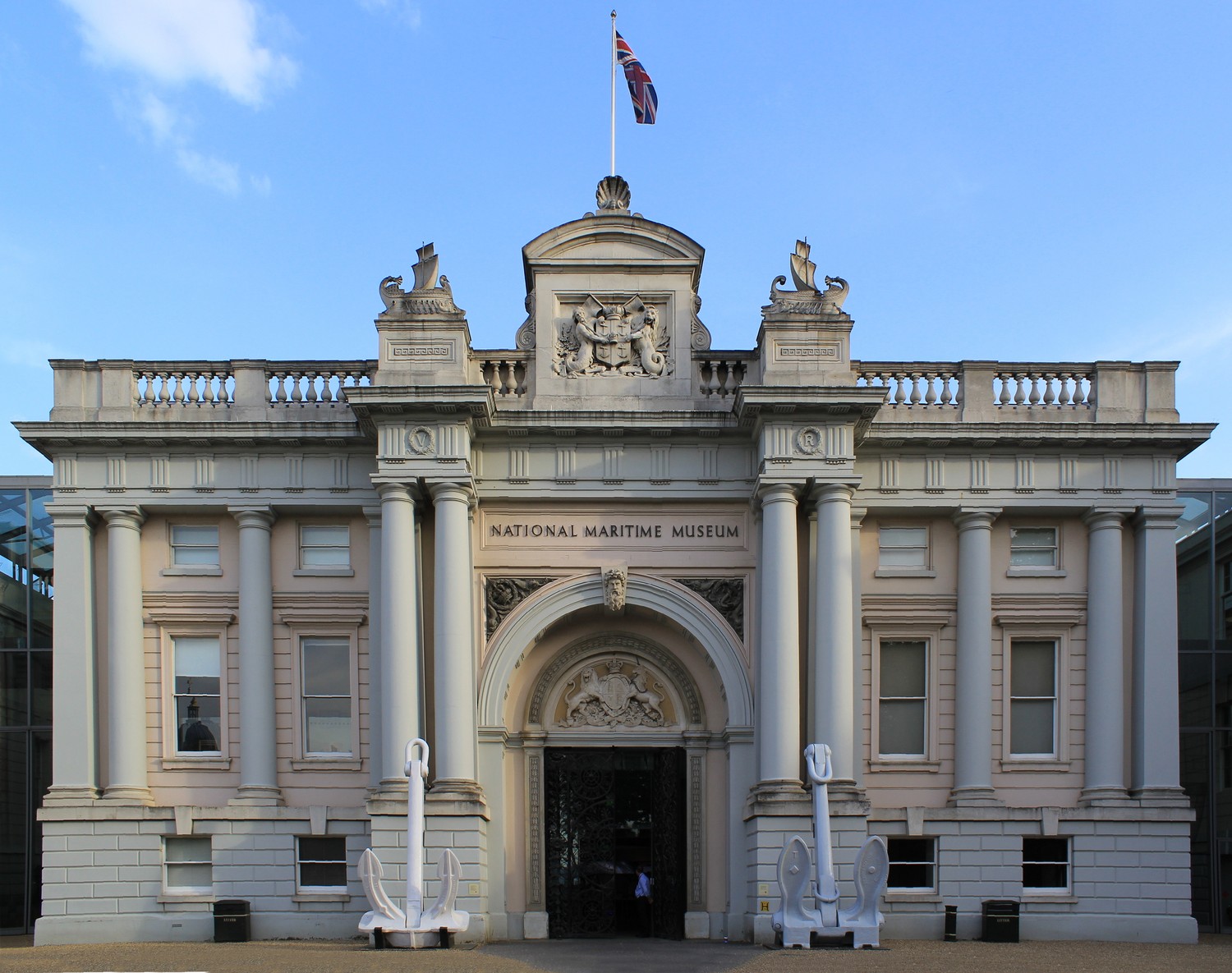
The National Maritime Museum stands as more than just a repository of artifacts; it is a vibrant testament to Britain’s enduring relationship with the sea—a connection stretching back millennia that has fundamentally shaped the nation’s identity, exploration, and imperial ambitions. Situated within the prestigious Greenwich World Heritage Site, this institution began humbly as a collection of naval curiosities but has since blossomed into a sprawling sanctuary dedicated to preserving and interpreting maritime history. Its strategic location is deeply symbolic, anchored by Greenwich itself, once the undisputed center of navigation and astronomy where the Prime Meridian still dictates global timekeeping. This setting underscores the museum's core mission: not merely documenting the past, but illuminating the scientific and intellectual foundations that allowed a small island nation to command the waves.
The architecture of the museum offers a harmonious blend of Victorian grandeur and modern functionality, reflecting a duality of purpose. Originally housing the Royal Hospital School, the building’s transformation into a museum was a deliberate act of preservation, safeguarding a remarkable architectural legacy while providing expansive, light-filled spaces to showcase its extraordinary collection. Within these walls, one finds a breathtaking array of ship models and plans that serve as miniature works of art. From humble merchant vessels to imposing warships, these intricately crafted models reveal the evolution of naval engineering and shipbuilding techniques over centuries, offering a window into the craftsmanship of eras long passed.
Masterpieces of Light, Shadow, and Navigation
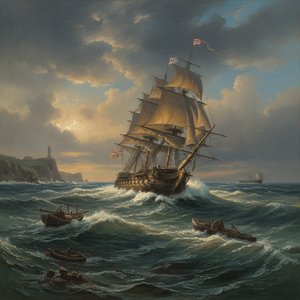
For the lover of fine art and technical mastery, the museum’s collection of maritime paintings is truly exceptional. The galleries house works by renowned British and Dutch artists such as John Webber, Lorenzo A. Castro, and Nicholas Matthew Condy, whose canvases capture the raw drama of naval battles, the serene beauty of coastal landscapes, and the perilous lives of those who braved the deep. These paintings are often paired with the ingenious tools of navigation—sextants, chronometers, and astrolabes—which represent a remarkable fusion of science, mathematics, and artistry. To wander through these halls is to witness the very instruments that guided sailors across vast, unknown oceans, turning the abstract concept of exploration into a tangible, visual reality.
The museum’s narrative is profoundly shaped by its connection to pivotal figures whose legacies continue to resonate globally. The presence of Vice-Admiral Horatio Nelson is felt through a wealth of personal effects, from his uniform and medals to intimate letters, offering a poignant glimpse at the man behind the legend. Similarly, the holdings related to Captain James Cook provide a compelling look at the voyages that charted the Pacific Ocean and fundamentally altered the European understanding of the world. Through recent exhibitions exploring diverse themes—from the impact of disease on long voyages to the often-overlooked role of women in naval history—the museum continues to challenge conventional narratives, ensuring that its maritime tapestry remains as dynamic and evolving as the sea itself.