Early Life & Apprenticeship: The Foundations of a Marine Painter
 Wikipedia: Thomas Luny
Thomas Luny (1759 – 30 September 1837) was an English artist who primarily painted seascapes and other types of marine art. == Biography == Luny was born in Cornwall, probably at St Ewe, in 1759. At the age of eleven, Luny left Cornwall to live in ...
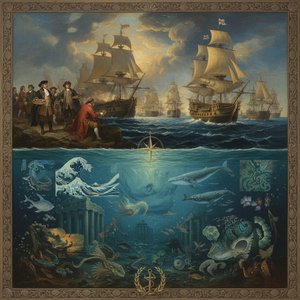
The year 1759, a period etched with the echoes of naval triumph, witnessed the birth of Thomas Luny in Cornwall – though the precise location remains debated, likely St Ewe. This early connection to the maritime landscape would irrevocably shape his artistic destiny. At eleven years old, a pivotal decision saw young Luny depart for London, embarking on an apprenticeship under Francis Holman, a marine painter already establishing a respected name. Holman’s studio wasn't merely a place of technical instruction; it was an immersion into a world of sails, rigging, and the ever-changing moods of the sea. This formative period proved crucial, instilling in Luny not just the *skills* of painting but also a deep appreciation for the nuances of light, shadow, and the raw power of nature. Holman’s influence would remain palpable throughout Luny's career, a foundational layer upon which he built his own distinctive style.
Luny's London Years: Establishing a Reputation (1780-1802)
 Thomas Luny
Discover Thomas Luny (1759-1837), a celebrated British marine artist renowned for dramatic naval scenes & detailed ship portraits. Explore his captivating paintings and historical legacy.
By 1780, Luny had emerged from Holman’s tutelage and begun to exhibit independently, initially at the Society of Artists before gaining acceptance into the prestigious Royal Academy. His address in Broad Street, St. George's, soon became synonymous with evocative seascapes capturing the attention of a growing clientele. This period marked his ascent – twenty-nine exhibitions between 1780 and 1802 attest to his consistent output and increasing recognition. A fortuitous acquaintance with a Mr. Merle, a shrewd dealer and framer, proved instrumental in promoting Luny’s work, fostering relationships that would sustain him for over two decades. However, it was the proximity of Leadenhall Street – headquarters of the British East India Company – that truly unlocked new opportunities. Commissions poured in from officers eager to immortalize their vessels and voyages, providing both financial stability and invaluable access to firsthand maritime experiences.
Naval Commissions and Realistic Detail: Painting from Experience
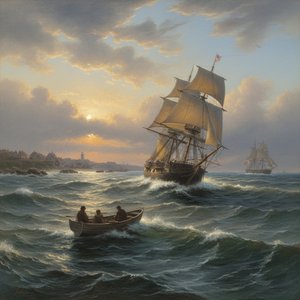
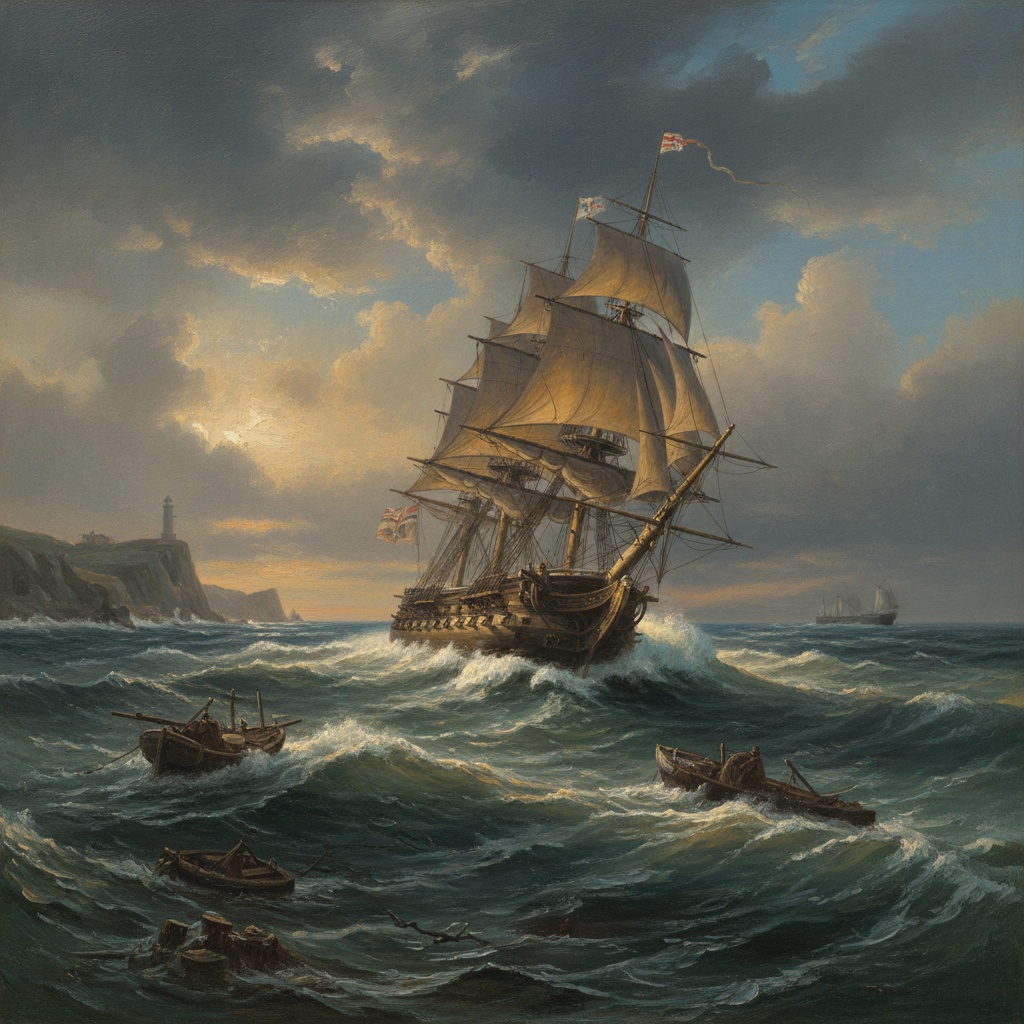
 St Michael’s Mount, Cornwall
Dramatic seascape by Thomas Luny depicting a ship in a storm at St Michael’s Mount. Romantic oil painting showcasing nature's power & human vulnerability. Explore this captivating maritime scene!
The connection with the East India Company wasn’t solely transactional; it offered Luny something far more precious – direct observation. While many marine artists relied on engravings or secondhand accounts, Luny frequently found himself *aboard* Company ships, sketching scenes in Naples, Gibraltar, and Charleston, South Carolina. This commitment to realism is strikingly evident in his work: the precise rendering of rigging, the accurate depiction of ship architecture, and a palpable sense of atmosphere that transcends mere technical skill. He wasn’t simply painting ships; he was capturing the very *essence* of seafaring life – the glint of sunlight on waves, the spray of salt water, the subtle roll of the deck beneath one's feet. This dedication to authenticity set him apart and solidified his reputation amongst a discerning clientele.
Later Life in Devon & Prolific Output Despite Adversity
Around 1807, Luny relocated to Teignmouth in Devon, seeking perhaps a quieter life or respite from the bustling London art scene. This move didn’t signal a decline in productivity; quite the contrary. Despite being increasingly afflicted by debilitating arthritis in both hands – a cruel irony for a painter – Luny continued to work with astonishing vigor. He adapted, holding brushes between his wrists or even strapping them to his arms, refusing to surrender his passion. His account books reveal an extraordinary output: over 2,200 paintings completed between 1807 and his death in 1837, bringing the total lifetime oeuvre to over 3,000 works. Local gentry, ex-mariners, and a continued demand from former patrons ensured a steady stream of commissions, proving that even physical limitations couldn’t extinguish his artistic flame.
The Legacy of Thomas Luny: A Pioneer of British Marine Art
Thomas Luny's contribution to British marine painting extends beyond mere technical proficiency. He wasn’t simply documenting ships; he was capturing a moment in time, reflecting the power and drama of the sea, and immortalizing the lives of those who braved its depths. His paintings offer a compelling glimpse into an era defined by naval exploration, trade, and conflict. Today, his works are held in esteemed collections such as the National Maritime Museum at Greenwich and the Royal Albert Memorial Museum in Exeter, testaments to his enduring artistic merit. Luny’s legacy lies not just in the beauty of his paintings but also in his unwavering dedication to realism, his ability to convey atmosphere, and his remarkable resilience in the face of adversity. His influence can be seen in subsequent generations of marine artists who sought to capture the same sense of authenticity and drama. For those seeking a connection to the Age of Sail, or simply an appreciation for masterful seascape painting, Thomas Luny remains a compelling figure – a true pioneer of British maritime art.