Preview
 Send
Send Share
Share
 Details
 Guide
Guide

 Download
 Similars
 X-Ray
X-Ray Diaporama
 Stats
StatsThree Muses


 Read More
Hand Made Oil Reproduction
Hand-painted oil on canvas in your size and frame, made to order by our artists. ( Switch to Print Switch to Digital Image)




P118B $10

P118H $10

P118W $10

P438Z $10

P508JH $12

P508YH $12

P805H $10

P805Z $10

P919BZ $10

P919G $10

P919XJ $10

P959ZH $10

P968JZ $12

W106C $8

W218G $10

W218JH $8

W218Y $10

W307PJ $10

W316G $10

W316PJ $8

W316Y $10

W398PJ $8

W4111J $10

W500HY $15

W500JH $15

W692G $12

W849H $8

W940BG $15

W953PJ $8




Pick from our preset sizes that match the artwork's original proportions.

Type the width and the height you need, to fit your frame or your wall. This is hand-painted, so for a size with a different shape the artist can paint a bit more around the picture, or cut a bit — you choose. We send you a digital mockup to approve before the painting starts. The picture shown on this page does not show the real result — only the mockup does.
After order, OriginalUniqueArt.com team will email client for instructions and provide a mockup preview
Worldwide Delivery () in 3/4 weeks instead of standard 5 weeks. (21 October). No compromise on quality.

Free Worldwide Express Shipping

High-Quality Linen Canvas

Full Shipping Insurance

Customs Tax Refund Guarantee

True Color Matching Guarantee

100-Day Return Policy (Defects Only)

100% Money-Back Guarantee

Bulk Discount Offer
 Glass option is only available in size under 110 CM

Three Muses
Reproduction Medium
Reproduction Size
-


Total Price
$ 400
The Enchanted Forest: A Dreamlike Gathering
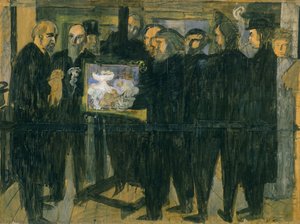
Step into a world of mystery and tranquility with "Three Muses," a captivating artwork created by Maurice Denis in 1893. This enchanting scene transports viewers to an enchanted forest, where human figures blend seamlessly with the natural environment. The composition is rich with intricate details, inviting you to lose yourself in its dreamlike atmosphere and ponder the story it tells.
A Harmonious Blend of Symbolism and Art Nouveau
"Three Muses" exemplifies the fusion of Symbolism and Art Nouveau styles, characterized by its ethereal quality, intricate details, and emphasis on natural forms. Maurice Denis, a pioneer of modern art, was deeply influenced by these movements, which sought to convey emotions and ideas through symbolic imagery rather than realistic representation.
Rich Earthy Tones with Golden Accents
The color palette is dominated by deep greens, browns, and golds that evoke the richness of a forest environment. These earthy tones are contrasted with softer, muted hues on the figures' skin and clothing, creating a balance between warmth and coolness. The use of gold accents in the foliage adds a touch of magic and otherworldliness to the scene.
Intricate Details and Organic Lines
The artist employs flowing, organic lines that mimic the natural forms of trees and human figures. The tree trunks are thick and textured, while the figures have smooth, elongated shapes that contribute to an ethereal quality. The textures vary from rough bark to soft fabric, enhancing the tactile feel of the artwork.
A Gathering of Mystical Figures
The subject matter suggests a gathering or ritual in a mystical forest setting. In the foreground, two women are seated at a table, engaged in what seems to be an intimate moment. Behind them, additional figures stand or sit among towering tree trunks, contributing to a sense of depth and space. This intimate moment could symbolize friendship, love, or a shared secret, while the presence of multiple figures implies a communal or spiritual experience.
Historical Context and Influence
Maurice Denis was an important figure in the transitional period between impressionism and modern art. His theories contributed to the foundations of cubism, fauvism, and abstract art. "Three Muses" reflects his deep connection to religion and art, themes that were central to his early works.
Emotional Impact: Tranquility and Wonder
The overall atmosphere of "Three Muses" is one of tranquility and mystery. The diffuse lighting creates gentle shadows and highlights, adding dimension to the figures and trees. This artwork invites viewers to lose themselves in its intricate details and dreamlike atmosphere, evoking a sense of wonder and curiosity about the story it tells.
Bringing "Three Muses" into Your Space
For art lovers, collectors, and interior designers seeking a piece that adds depth and intrigue to any space, "Three Muses" is an exquisite choice. Its dreamlike quality and rich details make it a focal point in any room, sparking conversations and inspiring awe. Whether you are looking to enhance your personal collection or add a touch of enchantment to your interior design, this high-quality reproduction captures the essence of Maurice Denis's masterpiece.
Questions & Answers
What technique was used for "Three Muses" by Denis Maurice?
Denis Maurice used the oil on canvas technique for "Three Muses". The technique defines the material nature of the original work.
What use and space are recommended for "Three Muses" by Denis Maurice?
"Three Muses" by Denis Maurice is recommended for mood, ideally in a living room. Use and space together guide where a reproduction fits.
What level of contrast does "Three Muses" by Denis Maurice show?
The contrast level of "Three Muses" by Denis Maurice is statement.
Artist Biography
A Bridge Between Worlds: The Life and Art of Maurice Denis
Maurice Denis, born in the coastal town of Granville, France, in 1870, occupies a fascinating position in art history—a pivotal figure straddling the waning days of Impressionism and the burgeoning currents of modern art. His life was one dedicated to reconciling spiritual yearning with artistic innovation, resulting in a body of work that is both deeply personal and profoundly influential. From an early age, Denis demonstrated a sensitivity to the evocative power of visual experience, particularly within the sacred spaces of his childhood church. The interplay of light, color, and incense ignited a lifelong fascination with symbolism and the potential for art to convey something beyond mere representation. This formative influence would become a defining characteristic of his artistic vision, setting him apart from many of his contemporaries who were increasingly focused on capturing fleeting moments of sensory perception. He wasn’t simply interested in *what* he saw, but *how* it felt—and how that feeling could be translated into a visual language capable of expressing the intangible.
The Nabis and the Quest for Symbolism
Denis's artistic journey took a decisive turn when he became a central member of Les Nabis, a group of young artists who sought to revolutionize painting through a more spiritual and symbolic approach. The name “Nabis” itself—an anagram of "prophets"—revealed their ambition to create art that was not merely decorative but possessed a deeper, almost religious significance. Alongside figures like Paul Sérusier and Pierre Bonnard, Denis rejected the naturalism of Impressionism in favor of flattened perspectives, bold colors, and evocative patterns. This wasn’t about abandoning skill; it was about re-defining its purpose. The Nabis believed that art should be a synthesis of form and idea, a carefully constructed arrangement of elements designed to evoke emotion and suggest meaning. Denis articulated this philosophy most famously in his dictum: “Remember that painting—as a flat surface with colors arranged in certain relationships—has nothing to do with pictorial imitation of nature.” This statement became a cornerstone of modernist aesthetics, paving the way for movements like Cubism and Fauvism. His early works from this period, such as *Le Mystère Catholique* (1889), demonstrate his exploration of religious themes through a distinctly symbolic lens—a departure from traditional academic painting.
Evolving Styles: From Symbolism to Neo-Classicism
Throughout his career, Denis’s style underwent a fascinating evolution. While remaining committed to the principles of symbolism and spiritual expression, he experimented with various techniques and influences. Initially inspired by the vibrant colors and flattened forms of Gauguin and Japanese prints, he later turned towards the more structured compositions of Paul Cézanne, seeking a new form of classicism rooted in modern sensibilities. This shift is evident in his paintings from the 1890s and early 1900s, which exhibit a greater emphasis on form, balance, and clarity. He wasn’t simply imitating Cézanne; he was absorbing the lessons of structural rigor and applying them to his own unique vision. This period also saw him delve deeper into religious subject matter, believing that art had a vital role to play in revitalizing spiritual life. His work became increasingly imbued with a sense of serenity and contemplation, reflecting his personal faith and his desire to create images that would inspire reverence and devotion.
A Lasting Legacy: Art, Faith, and the Ateliers d'Art Sacré
Denis’s influence extended beyond his own paintings. He was also a prolific writer and art critic, articulating his aesthetic theories in numerous essays and articles. His ideas helped to shape the development of modern art, inspiring generations of artists to explore new ways of representing reality and expressing their inner worlds. In 1919, he founded the Ateliers d'Art Sacré (Workshops of Sacred Art), a collective dedicated to restoring churches and creating religious artworks that would embody both artistic excellence and spiritual depth. This initiative reflected his belief that art should be an integral part of everyday life, enriching the human experience and fostering a sense of community. He envisioned a revival of sacred art—not as a return to past styles, but as a reimagining of tradition in light of modern sensibilities. Maurice Denis passed away in 1943, leaving behind a rich and diverse body of work that continues to resonate with audiences today. His paintings, writings, and pedagogical efforts cemented his place as a pivotal figure in the transition from Impressionism to modern art—a bridge between worlds, forever shaping our understanding of the power and purpose of artistic expression.
Key Characteristics of Denis’s Work
- Symbolism: A pervasive use of symbols and allegorical imagery to convey deeper meanings.
- Spiritual Themes: Frequent exploration of religious subjects and a profound sense of spirituality.
- Flatness of Form: Emphasis on the two-dimensionality of the canvas, rejecting traditional perspective.
- Bold Color: Use of vibrant, often non-naturalistic colors to create emotional impact.
- Synthetism: A deliberate simplification of forms and a focus on creating harmonious compositions.

Denis Maurice
1870 - 1943 , France
Quick Facts
- Full Name: Denis Maurice
- Nationality: French
- Date Of Birth: 1870
- Date Of Death: 1943
- Place Of Birth: Granville, France
- Notable Artworks:
- Le Mystère Catholique
- Motif Romanesque
- Beauty in Autumn Wood
- Bretons
- Artistic Movement Or Style: Nabis, Symbolism
- Artists Who Influenced This Artist:
- Fra Angelico
- Raphael
- Botticelli
- Puvis de Chavannes
- Artists Or Movements Influenced By This Artist:
- Cubism
- Fauvism
- Abstract art
Related Articles
Denis Maurice: A Study in Post-War French Figuration & the Poetics of Everyday Life
Explore the life & work of Maurice Denis, pivotal French painter bridging Impressionism to modern art. Discover his Nabis symbolism, theories on 'ideation,' and profound commitment to sacred art. A deep dive for art enthusiasts.
Art Nouveau's Golden Age: 10 Masterpieces for Your Home |
Journey into Art Nouveau's golden age! Explore 10 masterpieces by Klimt, Mucha & more. Discover captivating stories behind iconic paintings, floral motifs & flowing lines. Find museum-quality art reproductions for your home at .
Ethereal Masterpieces: 10 Artworks That Transcend Reality | OriginalUniqueArt
Immerse yourself in 10 ethereal masterpieces by Klimt, Turner & more. Explore dreamy landscapes, spiritual symbolism & romantic art that transcends reality. Find museum-quality reproductions and curated decor ideas on OriginalUniqueArt.com.
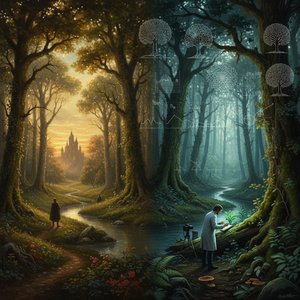
The Enchanted Canopy: Exploring Forests in Art History – From Romantic Idealization to Ecological Consciousness
Explore the rich history of forests in art! Discover Romantic masterpieces by Friedrich & Monet, Symbolist depths, and contemporary visions. Find inspiration & quality reproductions at OriginalUniqueArt.
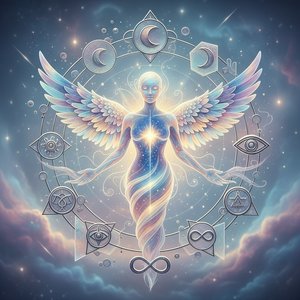
Ethereal Artistry: Capturing the Dreamlike Essence of Light and Spirit in Masterful Symbolism
Explore the profound beauty of ethereal art. Discover how masters of Symbolism and Romanticism capture light, spirit, and dreamlike landscapes through evocative textures and atmospheric depth in this expert guide to classical artistry.