

The Transformation of the Gare d’Orsay
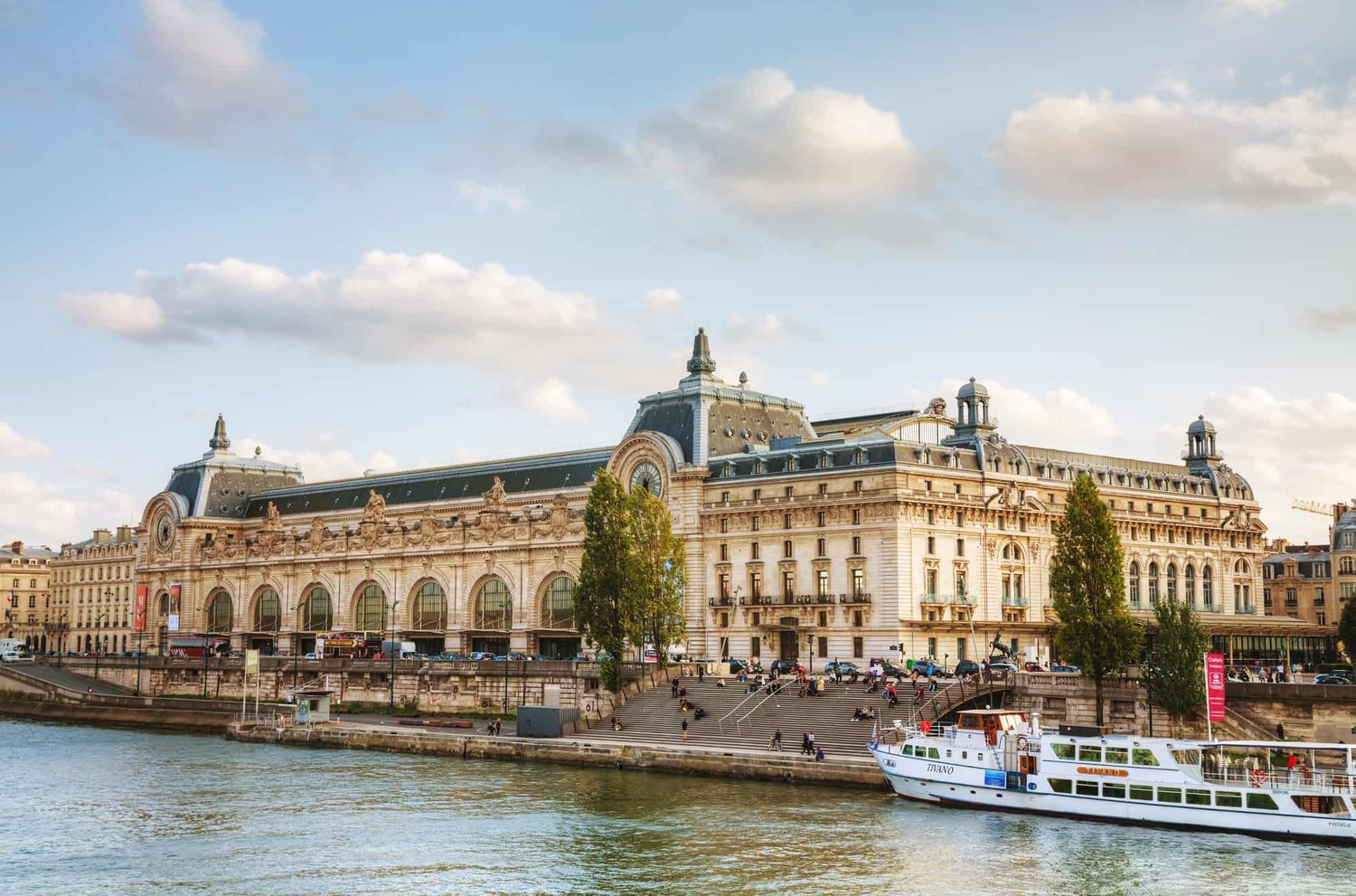
The structure on the banks of the Seine began its life not as a sanctuary for paint and sculpture, but as a bustling terminal for the Chemin de Fer de Paris à Orléans. Built between 1898 and 1900 for the Exposition Universelle, the Gare d’Orsay was a product of the industrial age, designed by architects Lucien Magne, Émile Bénard, and Victor Laloux to handle the rhythmic arrival of steam engines. Its Beaux-Arts bones, characterized by soaring ironwork and vast glass ceilings, were intended to facilitate movement and commerce. For decades, the station functioned as a gateway for travelers, yet it eventually faced the threat of demolition as locomotive technology outpaced its platforms.
A profound change arrived when the decision was made to repurpose this railway landmark into a home for French art from 1848 to 1914. The reconfiguration, led by an architectural team including Pierre Colboc, Renaud Bardon, and Jean-Paul Philippon, breathed new life into the iron and stone. The interior, shaped by the Italian architect Gae Aulenti, reorganized the vast spaces of the former station into a structured arrangement of galleries. Today, the original ticket windows have been adapted into display cases, and visitors walk upon glass flooring that reveals a 1:100 scale model of the Paris Opera area, maintaining a physical link to the site's urban history.
A Collection of Light and Movement
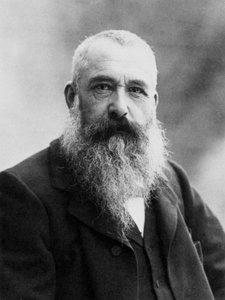
The halls now hold the largest assembly of Impressionist and Post-Impressionist works in existence. Within these walls, the heavy atmosphere of the nineteenth century meets the shifting textures of artists who sought to capture the fleeting nature of light. The collection features the deliberate brushwork of Claude Monet, whose studies of Rouen Cathedral and water lilies inhabit the same space as the rhythmic, often uneasy compositions of Edgar Degas. In the galleries, one finds the dancers of Degas frozen in mid-motion, alongside the more structured, geometric investigations of Paul Cézanne.
The museum's holdings extend into the visceral energy of Post-Impressionism and the realism of earlier decades. Notable pieces include:
- The Source by Gustave Courbet, a 1868 work that demonstrates a commitment to honest depiction.
- Red Roofs by Camille Pissarro, which captures the quietude of a French village through light and color.
- The Apparition by Gustave Moreau, a watercolor that introduces symbolic intensity to the collection.
- A Modern Olympia by Paul Cézanne, a painting that bridges the gap between Impressionism and Cubism.
- Les Repasseuses by Edgar Degas, portraying the daily labor of working-class women.
The museum also presents rotating exhibitions that explore specific artistic lives, such as those focusing on the final months of Van Gogh in Auvers-sur-Oise or the botanical fascinations of Monet. These curated displays allow the building to function as a living entity, constantly recontextualizing its permanent treasures through new historical lenses.