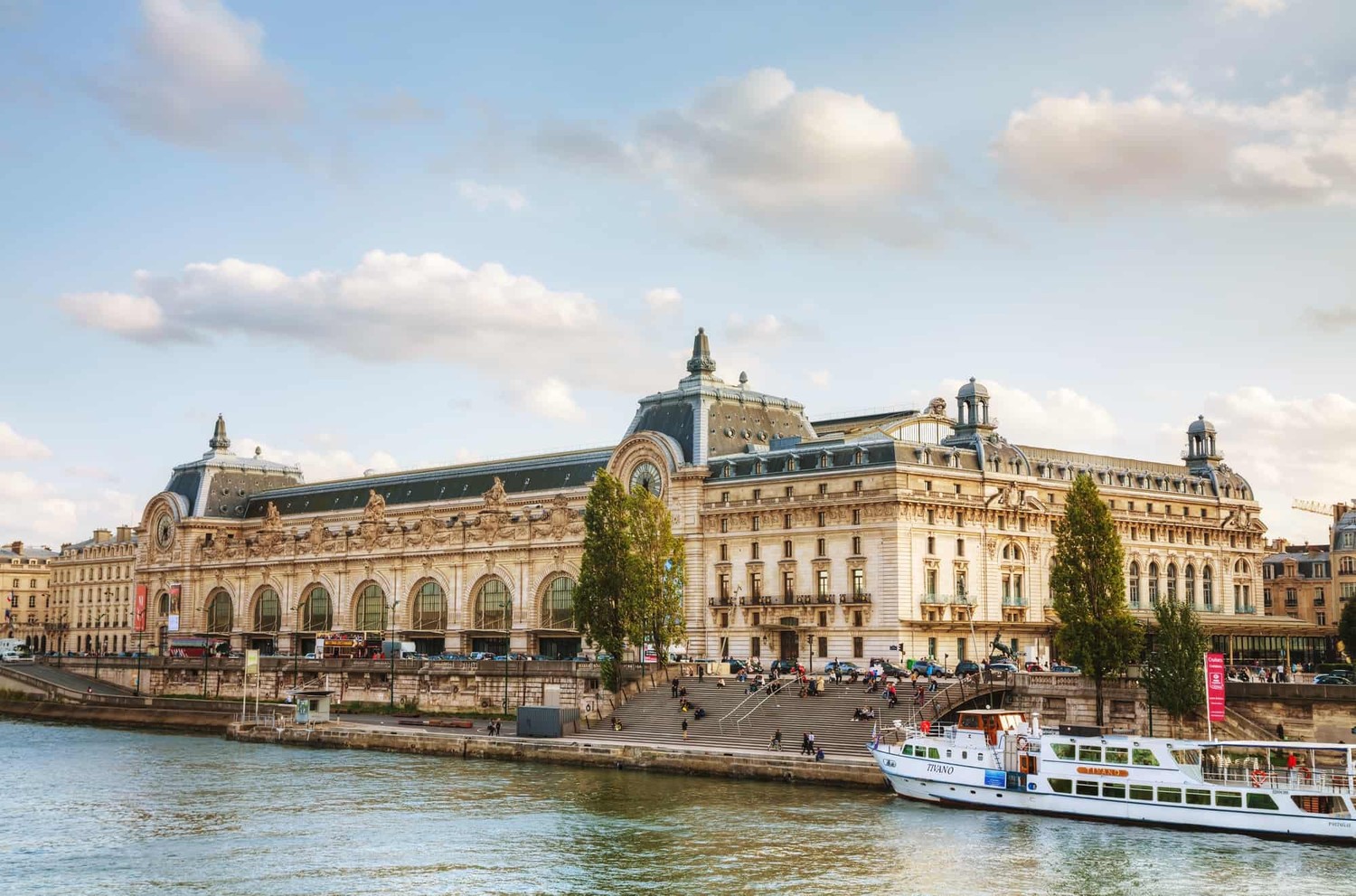
The most famous artists with works in the Musée d'Orsay are Vincent van Gogh, Claude Monet, Paul Cézanne and Henri Matisse.
Our catalogue lists 1,509 works of the Musée d'Orsay by 343 artists; the 25 best known are ranked below, each with the works the museum holds.
The masters of the originals
The 10 masters whose originals hang in the Musée d'Orsay
For each master: where and when they were born, their movement, how many originals the museum keeps in our catalogue, a note from their life, and the originals to see.
-
Post-Impressionism
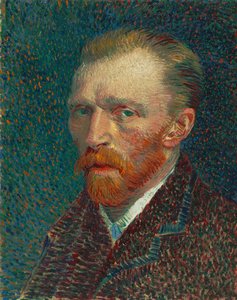
1. Vincent van Gogh 1853–1890
1853–1890 Born in Zundert, Netherlands Post-Impressionism 29 originals at the Musée d'Orsay
Vincent Willem Van Gogh was born on March 30, 1853, in Zundert, Netherlands. His brother Theo was born on 1 May 1857, and their connection would remain a constant through the many letters they exchanged over the years. The quiet village of Zundert in the Brabant region was where Vincent Willem Van Gogh was born. In 1873, he moved to the London branch of Goupil & Cie, where he remained until May 1875.
Originals at the Musée d'Orsay
-
Impressionism
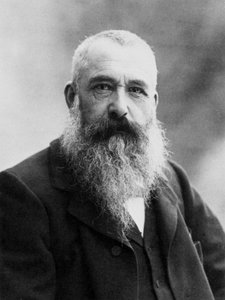
2. Claude Monet 1840–1926
1840–1926 Born in Paris, France Impressionism 107 originals at the Musée d'Orsay
Born in Paris, France, on 14 November 1840, Claude Monet entered a world of diverging expectations. Tragedy arrived in January 1857, when Monet was sixteen years old. In 1883, Monet moved to a house and property in Giverny, a village northwest of Paris. In 1892, he married Alice Hoschedé, a union that provided a sense of stability as he continued his obsessive study of light and atmosphere.
Originals at the Musée d'Orsay
-
Post-Impressionism
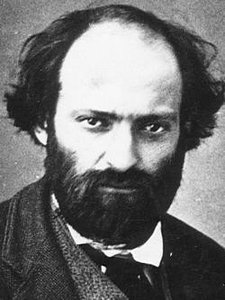
3. Paul Cézanne 1839–1906
1839–1906 Born in Aix-en-Provence, France Post-Impressionism 60 originals at the Musée d'Orsay
Born on January 19, 1839, at 28 rue de l'Opéra in Aix-en-Provence, Paul Cézanne entered a world of established order. In 1860, he made the decisive choice to abandon his law studies, turning his focus entirely toward the pursuit of painting. By 1859, his technical proficiency was evident when he earned second prize in the school's figure studies course.
Originals at the Musée d'Orsay
-
Fauvism
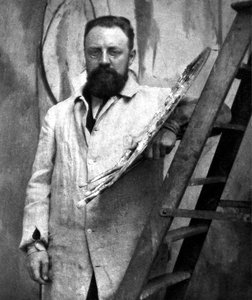
4. Henri Matisse 1869–1954
1869–1954 Born in Le Cateau-Cambrésis, France Fauvism 4 originals at the Musée d'Orsay
After finishing secondary school, Matisse moved to Paris to study law. In 1889, an attack of appendicitis forced a long recovery, and it was during this confinement that the act of painting first took hold. By around 1905, this approach had coalesced into the Fauvist movement.
Originals at the Musée d'Orsay
-
Post-Impressionism
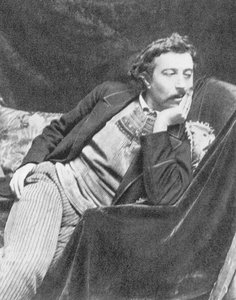
5. Paul Gauguin 1848–1903
1848–1903 Born in Paris, France Post-Impressionism 28 originals at the Musée d'Orsay
Born in Paris in 1848, Eugène Henri Paul Gauguin entered a world of shifting social and political currents. The boy spent his childhood in Peru until the age of six, a period that left an indelible mark on his memory. Before finding his footing in the art world, Gauguin’s life took a more rugged, maritime turn. Between 1879 and 1886, he was accepted into the Paris Salon, appearing in the prestigious exhibition annually.
Originals at the Musée d'Orsay
-
Impressionism
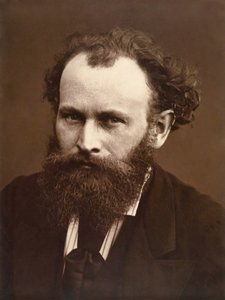
6. Édouard Manet 1832–1883
1832–1883 Born in former 10th arrondissement of Paris, France Impressionism 34 originals at the Musée d'Orsay
Édouard Manet was born in Paris on January 23, 1832. From 1850 to 1856, he trained in the studio of Thomas Couture. In 1863, the Salon des Refusés provided a stage for works that the official juries had rejected.
Originals at the Musée d'Orsay
-

Hague School
7. Piet Mondrian 1872–1944
1872–1944 Born in Amersfoort, Netherlands Hague School 3 originals at the Musée d'Orsay
The man who would reshape the visual language of the twentieth century began his life as Pieter Cornelis Mondriaan, Jr. He was born on March 7, 1872, in Amersfoort, Netherlands. By 1892, he is already qualified as a drawing teacher. By 1909, his presence in the Dutch art scene is established through a major exhibition at the Stedelijk Museum in Amsterdam. By 1917, the deconstruction of form has moved beyond the mere fragmentation of objects.
Originals at the Musée d'Orsay
-

Romanticism
8. Eugène Delacroix 1798–1863
1798–1863 Born in Saint-Maurice, France Romanticism 4 originals at the Musée d'Orsay
The lineage of Eugène Delacroix is rooted in a blend of craftsmanship and diplomacy. Through him, the artist received numerous anonymous commissions, allowing his work to circulate through elite circles under a veil of discretion.
Originals at the Musée d'Orsay
-

Realism
9. Gustave Courbet 1819–1877
1819–1877 Born in Ornans, France Realism 39 originals at the Musée d'Orsay
Jean Désiré Gustave Courbet was born on June 10, 1819, in Ornans, France. Growing up in the department of Doubs, his early years were shaped by the landscape of his home. In 1839, he moved to Paris. Later, Bruyas commissioned The Meeting, also known as Bonjour Monsieur Courbet, which reflected this established connection between patron and painter. In 1855, rather than retreating, Courbet took a more direct approach to his audience.
Originals at the Musée d'Orsay
-
Impressionism
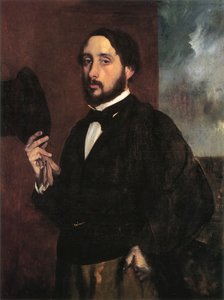
10. Edgar Degas 1834–1917
1834–1917 Born in Paris, France Impressionism 55 originals at the Musée d'Orsay
French Realist known for capturing the movement of ballet dancers and racehorses through precise draftsmanship and artificial light. A child is born into a moderately wealthy family to Hilaire-Germain-Edgar De Gas.
Originals at the Musée d'Orsay


The masters, continued
No. 11 to No. 25: more masters of the Musée d'Orsay
-
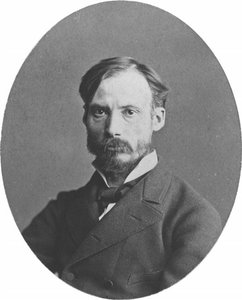
11. Pierre-Auguste Renoir
Impressionism
1841–1919 · born in Limoges, France · 79 originals at the Musée d'Orsay
French Impressionist known for luminous, broken brushstrokes that capture the warmth of social gatherings and the soft glow of outdoor light.
-

12. Jean-Auguste-Dominique Ingres
Neoclassicism
1780–1867 · born in Montauban, France · 4 originals at the Musée d'Orsay
French Neoclassical painter of precise contours and idealized nudes, known for the flowing, sculptural lines of his famous odalisques.
- The Source (1820)
- The Virgin of the Host (1854)
- Jupiter and Antiope (1851)
-

13. Georges Seurat
Neo-Impressionism
1859–1891 · born in former 5th arrondissement of Paris, France · 19 originals at the Musée d'Orsay
French Neo-Impressionist who used pointillism and tiny dots of pure color to reconstruct light and form in scenes of Parisian leisure.
- Village Road (1883)
- The Circus (1891)
- Young Peasant in Blue (1881)
-

14. Jean-François Millet
Realism
1814–1875 · born in Gréville-Hague, France · 11 originals at the Musée d'Orsay
French Realist of the Barbizon school who captured the heavy, sculptural toil of peasants through earthy tones and monumental forms.
- The Gleaners (1857)
- The Angelus
- The loggers (1855)
-

15. Jean-Baptiste-Camille Corot
Romanticism
1796–1875 · born in Paris, France · 15 originals at the Musée d'Orsay
French Realist of atmospheric landscapes and soft vegetation, using thin washes and loosely dabbed strokes to capture the play of light.
-

16. James McNeill Whistler
Tonalism
1834–1903 · born in Lowell, United States · 2 originals at the Musée d'Orsay
American Tonalist known for musical arrangements of color and atmospheric river nocturnes, from the Peacock Room to his famous portraits.
-

17. Berthe Morisot
Impressionism
1841–1895 · born in Bourges, France · 10 originals at the Musée d'Orsay
French Impressionist of luminous domestic scenes and fluid, light-filled brushstrokes, capturing intimate moments with a delicate touch.
- The Cradle (1872)
- On a Bench in the Bois de Boulogne (1894)
- In the Wheatfield at Gennevilliers (1875)
-

18. Henri de Toulouse-Lautrec
Post-Impressionism
1864–1901 · born in Albi, France · 15 originals at the Musée d'Orsay
French Post-Impressionist of the Montmartre nightlife, using bold lithographic posters and the crachis technique to capture the Belle Époque.
- The toilette, Musee D'Orsay (1896)
- Woman with Gloves (also known as Honorine Platzer) (1890)
- In Bed (1892)
-

19. William-Adolphe Bouguereau
Academic Art
1825–1905 · born in La Rochelle, France · 11 originals at the Musée d'Orsay
French academic realist known for luminous skin tones and idealized mythological figures, rendered with meticulous anatomical precision.
-

20. Camille Pissarro
Impressionism
1830–1903 · born in Charlotte Amalie, United States Virgin Islands · 54 originals at the Musée d'Orsay
Danish-French Impressionist who captured rural life and city streets through textured plein air landscapes and pointillist experiments.
-

French Post-Impressionist of dreamlike jungle scenes and vibrant, imaginative compositions, inspired by botanical gardens and exotic animals.
-

22. Alfred Sisley
Impressionism
1839–1899 · born in former 4th arrondissement of Paris, France · 42 originals at the Musée d'Orsay
British-French Impressionist dedicated to en plein air landscapes, capturing the tranquil light of the Seine and the waters of Moret-sur-Loing.
- Banks of the Seine (1879)
- The Island of La Grande Jatte (1873)
- Snow in Marly-le-Roi (1875)
-
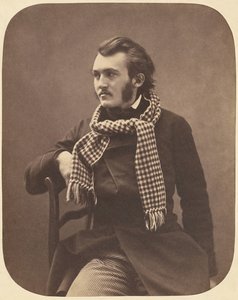
23. Gustave Doré
Romanticism
1832–1883 · born in Strasbourg, France · 2 originals at the Musée d'Orsay
French Romantic illustrator known for dramatic chiaroscuro and epic wood engravings of Dante and Don Quixote.
-
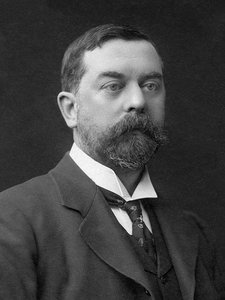
24. John Singer Sargent
Impressionism
1856–1925 · born in Florence, Italy · 6 originals at the Musée d'Orsay
American expatriate portraitist of the Gilded Age, known for fluid brushwork and elegant depictions of high-society figures and landscapes.
- La Carmencita (1890)
- Mrs. Kate Moore (1884)
- Jean-Guy de Poilloüe (1883)
-

French Rococo painter of luminous, pastel mythological scenes and idyllic landscapes, known for his voluptuous and amorous subjects.
Famous artists in the Musée d'Orsay, No. 26 to 50
 Gustave Moreau1826–1898 · 7 originals at the Musée d'Orsay
 Honoré Daumier1808–1879 · 16 originals at the Musée d'Orsay
 Paul Signac1863–1935 · 19 originals at the Musée d'Orsay
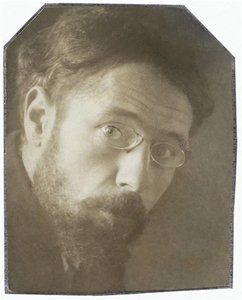 Pierre Bonnard1867–1947 · 17 originals at the Musée d'Orsay
 Odilon Redon1840–1916 · 28 originals at the Musée d'Orsay
 Mary Cassatt1844–1926 · 2 originals at the Musée d'Orsay
 Jean-Léon Gérôme1824–1904 · 9 originals at the Musée d'Orsay
 Émile Bernard1868–1941 · 9 originals at the Musée d'Orsay
 Frédéric Bazille1841–1870 · 8 originals at the Musée d'Orsay
 James Ensor1860–1949 · 2 originals at the Musée d'Orsay
 Gustave Caillebotte1848–1894 · 16 originals at the Musée d'Orsay
 Joaquín Sorolla1863–1923 · 4 originals at the Musée d'Orsay
 Eugène Louis Boudin1824–1898 · 12 originals at the Musée d'Orsay
 Lawrence Alma-Tadema1836–1912 · 2 originals at the Musée d'Orsay
 Edward Burne-Jones1833–1898 · 3 originals at the Musée d'Orsay
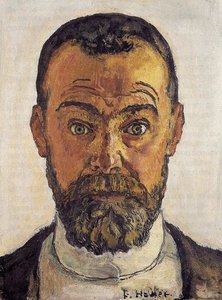 Ferdinand Hodler1853–1918 · 2 originals at the Musée d'Orsay
 Maurice Denis1870–1943 · 20 originals at the Musée d'Orsay
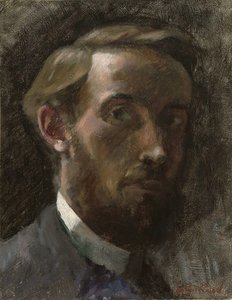 Édouard Vuillard1868–1940 · 30 originals at the Musée d'Orsay
 Aristide Maillol1861–1944 · 4 originals at the Musée d'Orsay
 Charles-François Daubigny1817–1878 · 6 originals at the Musée d'Orsay
 Henri Fantin-Latour1836–1904 · 16 originals at the Musée d'Orsay
 Pierre Puvis de Chavannes1824–1898 · 19 originals at the Musée d'Orsay
 Rosa Bonheur1822–1899 · 8 originals at the Musée d'Orsay
 Thomas Couture1815–1879 · 6 originals at the Musée d'Orsay
 Jean-Baptiste Carpeaux1827–1875 · 4 originals at the Musée d'Orsay
The house in figures
The masters of the Musée d'Orsay, in figures
The masters with the most originals at the Musée d'Orsay
Masters with two originals or more, by century of birth
Masters with two originals or more, by country of birth
Masters with two originals or more, by movement
Women masters
The women whose originals hang in the Musée d'Orsay
20 women masters, 45 originals, in our catalogue of the Musée d'Orsay.
-
Berthe Morisot
1841–1895 · born in Bourges, France · 10 originals at the Musée d'Orsay
- The Cradle (1872)
- On a Bench in the Bois de Boulogne (1894)
- In the Wheatfield at Gennevilliers (1875)
-
Rosa Bonheur
1822–1899 · born in Bordeaux, France · 8 originals at the Musée d'Orsay
-

Olga Boznańska
1865–1940 · born in Kraków, Poland · 3 originals at the Musée d'Orsay
-
Mary Cassatt
1844–1926 · born in Allegheny, United States · 2 originals at the Musée d'Orsay
-

Marie Bashkirtseva
1860–1884 · born in Havrontsi, Ukraine · 2 originals at the Musée d'Orsay
-

Eva Gonzalès
1849–1883 · born in Paris, France · 2 originals at the Musée d'Orsay
-

Marie Bracquemond
1840–1916 · born in Landunvez, France · 2 originals at the Musée d'Orsay
-

Cecilia Beaux
1855–1942 · born in Philadelphia, United States · 2 originals at the Musée d'Orsay
Two houses
The Musée d'Orsay or the Louvre: whose originals are where
The Musée d'Orsay
- Masters in our catalogue
- 343
- Originals
- 1,509
- The masters to know
- Vincent van Gogh, Claude Monet, Paul Cézanne, Henri Matisse
- Most originals by
- Claude Monet (107), Pierre-Auguste Renoir (79), Paul Cézanne (60)
The Louvre
- Masters in our catalogue
- 695
- Originals
- 2,610
- The masters to know
- Leonardo da Vinci, Rembrandt, Michelangelo, Albrecht Dürer
- Most originals by
- Pierre-Henri de Valenciennes (101), Eustache Le Sueur (56), Eugène Delacroix (42)
Asked of us
Questions on the masters of the Musée d'Orsay
Open a question to read the answer.
Which artist in the Musée d'Orsay is the most famous?
Vincent van Gogh, with 29 works at the Musée d'Orsay in our catalogue (Starry Night Over the Rhone, The Church at Auvers and Portrait of Doctor Gachet); then Claude Monet and Paul Cézanne.
What did Vincent van Gogh paint that hangs in the Musée d'Orsay?
Our catalogue lists 29 works by Vincent van Gogh at the Musée d'Orsay, among them Starry Night Over the Rhone (1888), The Church at Auvers (1890), Portrait of Doctor Gachet (1890) and Bedroom in Arles (1889).
How many Claude Monet paintings are in the Musée d'Orsay?
Our catalogue lists 107 works by Claude Monet at the Musée d'Orsay, among them Lunch on the Grass (central panel) (1865), Women in the Garden (1867), Monet's Garden and Wild Poppies (1873).
Which Paul Cézanne works are in the Musée d'Orsay?
Our catalogue lists 60 works by Paul Cézanne at the Musée d'Orsay, among them The Card Players (1893), Hanged man, Apples and Oranges (1900) and Bathers (1894).
Which famous artists are displayed in the Musée d'Orsay?
By fame: Vincent van Gogh (29), Claude Monet (107), Paul Cézanne (60), Henri Matisse (4), Paul Gauguin (28), Édouard Manet (34), Piet Mondrian (3), Eugène Delacroix (4), Gustave Courbet (39) and Edgar Degas (55).
Who has the most paintings in the collection of the Musée d'Orsay?
Claude Monet (1840–1926), with 107 works in our catalogue of the Musée d'Orsay, ahead of Pierre-Auguste Renoir (79), Paul Cézanne (60) and Edgar Degas (55).
Does the Musée d'Orsay have any Leonardo da Vinci paintings?
Our catalogue lists no work by Leonardo da Vinci at the Musée d'Orsay. For Leonardo da Vinci, see the Louvre: 30 works there.
Are there Pablo Picasso works in the Musée d'Orsay?
Our catalogue lists no work by Pablo Picasso at the Musée d'Orsay.
How many women artists are in the Musée d'Orsay?
Our catalogue lists 20 women artists with works at the Musée d'Orsay: Berthe Morisot (10), Rosa Bonheur (8), Olga Boznańska (3), Mary Cassatt (2), Marie Bashkirtseva (2) and Eva Gonzalès (2).
Which artists are in the Louvre rather than the Musée d'Orsay?
For Vincent van Gogh, Claude Monet and Paul Cézanne, the Musée d'Orsay; for Leonardo da Vinci, Rembrandt and Michelangelo, the Louvre. Our catalogue lists 343 artists at the Musée d'Orsay and 695 at the Louvre.
Are the artists in the Musée d'Orsay mostly French, Italian or Dutch?
Counting the artists with two works or more, the Musée d'Orsay holds painters born mostly in France (116), United States (7), Belgium (6), Italy (5) and Netherlands (4).
From which period are the artists of the Musée d'Orsay?
Most of the artists with two works or more at the Musée d'Orsay were born in the 19th century (156 artists); the earliest in this ranking is François Boucher (1703–1770), the latest Piet Mondrian (1872–1944).
The house
The Musée d'Orsay, Paris, in a few lines
The History of Musée d'Orsay
The Musée d'Orsay is located on the Left Bank of the Seine in Paris, France. The building was originally constructed as the Gare d'Orsay, a railway station built between 1898 and 1900. It was designed to serve the Chemin de Fer de Paris à Orléans. For several decades, the structure functioned as a terminal for steam engines before its eventual repurposing. President François Mitterrand officially opened the institution in December 1986. Today, it is one of the largest art museums in Europe. The collection focuses primarily on French art produced between 1848 and 1914.
The Architecture of the Former Station
The building originated as the Gare d’Orsay, a Beaux-Arts railway station designed by architects Lucien Magne, Émile Bénard, and Victor Laloux. Its structure was built between 1898 and 1900 to accommodate the steam engines of the Chemin de Fer de Paris à Orléans. The industrial bones of the terminal, defined by soaring ironwork and vast glass ceilings, were later reconfigured to house art. This transformation was managed by an architectural team including Pierre Colboc, Renaud Bardon, and Jean-Paul Philippon. The spatial logic of the museum relies on the original layout of the station. The central nave's structures break up the immense sculpture and gallery spaces, providing a sense of order within the large volumes. Beneath the glass flooring, a 1:100 scale model of the Paris Opera area is encapsulated, offering a physical link to the urban history of the site. The design maintains a connection to the site's previous function while adapting the stone and iron for its current purpose.
The famous originals of the Musée d'OrsayThe Musée d'Orsay: the full page, 1,598 originalsThe museums of Paris
How the masters of the originals are ranked
The masters with two originals or more of the Musée d'Orsay in our catalogue are ranked by fame: the Wikipedia language editions that describe them, the visits to their OriginalUniqueArt.com page and our studio's ranking. Originals are counted in our catalogue — one entry per work, without details, studies or copies — not in the museum's inventory. Every date, birthplace and movement is the catalogue's; the notes are drawn from the master's biography.
Go on