A Pioneer of Abstract Expressionism: The Life and Art of Barnett Newman
Barnett Newman, born in 1905 in
New York City to Jewish immigrant parents from Poland, emerged as a pivotal figure in the landscape of
American art. His journey wasn’t one of immediate recognition but rather a slow burn of artistic exploration and philosophical inquiry that ultimately redefined the possibilities of
abstract painting. Initially studying at the Art Students League and later at the City College of
New York, Newman absorbed the influences of his time – the burgeoning
Cubism of
Picasso and the vibrant color palettes of
Matisse were early touchstones. However, he soon felt constrained by these established modes of representation, sensing a need to forge a new visual language capable of expressing the anxieties and spiritual longings of the post-war era. He even destroyed much of his earlier representational work, a deliberate act signifying his commitment to an entirely new artistic path. This period of self-imposed creative destruction was crucial; it cleared the ground for the radical simplicity that would come to define his mature style.
The Birth of the “Zip” and the Expansion of Color
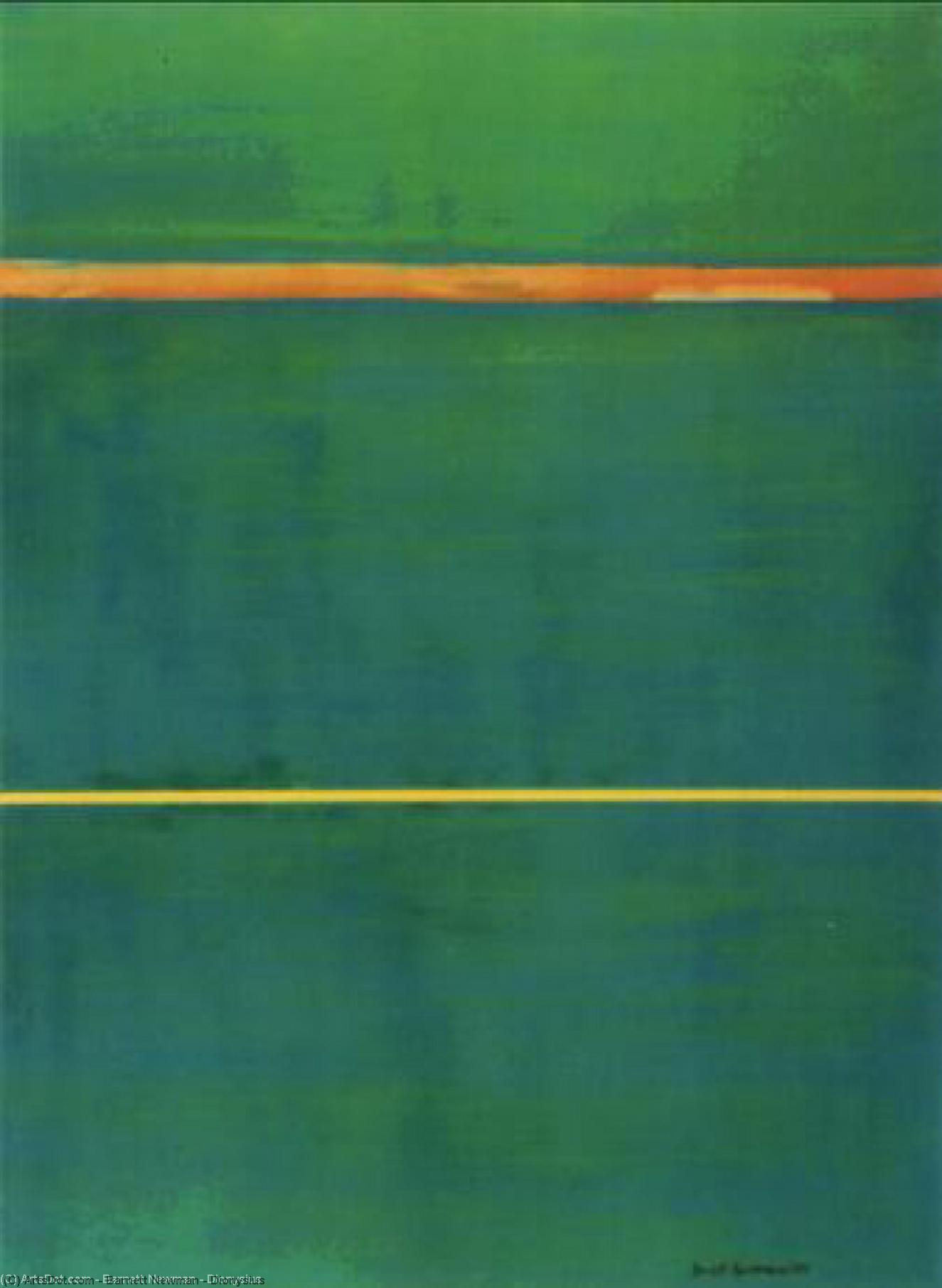
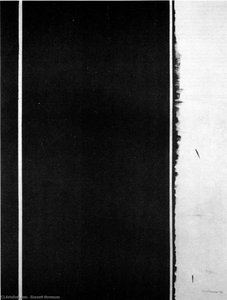
Newman’s breakthrough arrived with the development of what he famously termed "zips"—vertical bands of color that bisect vast fields of monochrome hues. These weren't merely lines; they were dynamic forces, asserting presence within the expansive emptiness of the canvas. His first solo exhibition in 1943 at
Betty Parsons Gallery marked a significant step, though initial reactions were mixed. It was with works like
Onement VI (1950-51) that Newman truly established his signature aesthetic. The painting’s sheer scale and austere composition—a single red zip dividing the canvas into fields of orange and red—were revolutionary.
Vir Heroicus Sublimis (1958-60), a monumental work, further solidified this approach, its multiple zips creating a sense of spatial depth and evoking feelings of awe and contemplation. The “zip” wasn’t simply an aesthetic device; it was a structural element that simultaneously divided and unified the canvas, acting as a symbolic marker of
human presence within the infinite. Newman's work also included pieces like "
Rothko by Newman", showcasing his unique style in relation to another key figure in
Abstract Expressionism.
Spirituality, The Sublime, and Philosophical Underpinnings
Beyond mere aesthetics, Newman’s art was deeply rooted in philosophical and spiritual concerns. He rejected the notion that painting should merely depict the external world, believing instead that it could serve as a vehicle for exploring profound existential questions. He sought to capture what he called “the sublime”—an experience of overwhelming grandeur and transcendence—through his
abstract forms. This wasn’t about
religious iconography but rather an attempt to evoke a primal sense of awe and wonder in the viewer. Newman was profoundly affected by the horrors of World War II and the dawn of the nuclear age, believing that traditional artistic conventions were inadequate for expressing the anxieties and moral complexities of this new era. His paintings became arenas for confronting these issues, offering not answers but rather spaces for contemplation and emotional resonance. He saw his work as a rejection of societal norms and an affirmation of individual freedom, striving to create art that was both intellectually rigorous and emotionally powerful.
Legacy and Influence on Modern Art
Barnett Newman’s impact on the development of
Abstract Expressionism—alongside contemporaries like
Mark Rothko and
Jackson Pollock—is undeniable. He wasn't simply a painter; he was a theorist, a writer, and an advocate for a new kind of art that prioritized emotional truth over representational accuracy. His innovative use of color and form profoundly influenced subsequent generations of artists, particularly those working in
Color Field painting and
Minimalism. Artists who followed found inspiration in his reductionist approach and his emphasis on the experiential qualities of art. Today, Newman’s work is held in major museums worldwide, including the
Museum of Modern Art in
New York and the
National Gallery of Art in Washington, D.C., cementing his place as a central figure in 20th-century
art history. His paintings continue to challenge and inspire viewers, inviting them to engage with fundamental questions about human existence, spirituality, and the power of
abstract form.
Further Exploration
- Key Themes: Spirituality, The Sublime, Human Existence, Post-War Anxiety.
- Influences: Henri Matisse, Pablo Picasso, Cubism, Surrealism.
- Notable Works: Onement VI, Vir Heroicus Sublimis, “Rothko by Newman”, The Song of Orpheus.
- Artistic Style: Abstract Expressionism, Color Field Painting, characterized by large fields of color and vertical "zips".