Inspiration · Cubism

The 100 Famous Cubism Paintings That Inspire Our Artists

1903 – 1930

Marc Chagall's I and the Village (1911, MOMA - Museum of Modern Art), Pablo Picasso's The Three Musicians (1921, MOMA - Museum of Modern Art) and Pablo Picasso's The Young Ladies of Avignon (1907, MOMA - Museum of Modern Art): these are the most famous Cubism paintings. This ranking lists the 100 best-known Cubism paintings, painted between 1903 and 1930 by 28 artists, with the museum where each one hangs today.

I and the Village by Marc Chagall, 1911, MOMA - Museum of Modern Art — famous Cubism painting
No. 1 · Marc ChagallI and the Village1911 · MOMA - Museum of Modern Art, New York City
100singular works
28masters · Pablo Picasso – Paul Klee
49homes in 26 cities
9kept at the MOMA - Museum of Modern Art

Singular works

100 Cubism paintings that exist only once

Every original here is unique and kept in one place. Its story, its home, and the detail that makes it unmistakable.

  1. I and the Village by Marc Chagall, 1911, MOMA - Museum of Modern Art
    1

    MOMA - Museum of Modern Art, New York City1911Oil on canvas191 × 150 cm

    It isn’t a literal depiction but rather an emotional reconstruction – a dreamscape populated by fragmented figures and scenes. This painting exemplifies Chagall’s unique synthesis of artistic movements. Elements of Fauvism are evident in the bold, expressive color palette, while a distinctly Symbolist sensibility imbues the work with layers of meaning beyond the purely representational.

    The singular detailcowfaces

    Its story

  2. The Three Musicians by Pablo Picasso, 1921, MOMA - Museum of Modern Art
    2

    MOMA - Museum of Modern Art, New York City1921Oil on canvas201 × 223 cm

    A dark brown dog is partially visible beneath the table, with only its tail, legs, and the shadow of its head appearing between the figures. Some interpretations suggest these figures represent individuals close to the artist, such as the poet Guillaume Apollinaire and the poet Max Jacob.

    Its story

  3. The Young Ladies of Avignon by Pablo Picasso, 1907, MOMA - Museum of Modern Art
    3

    MOMA - Museum of Modern Art, New York City1907Oil on canvas244 × 234 cm

    This monumental work – measuring an imposing 244 x 234 cm – demands attention not just through its scale but through its radical departure from centuries of artistic tradition. The painting depicts five female figures, generally understood to be prostitutes from a brothel on Carrer d'Avinyó in Barcelona.

    Its story

  4. Mandola by Georges Braque, 1910, Tate Gallery
    4

    Tate Gallery, London1910Oil on canvas (presumed)71 × 56 cm

    Rather than presenting a straightforward representation, Braque deconstructs the mandola (a lute-like instrument), fracturing its shape into a complex interplay of geometric planes. The painting is characterized by an intensely fragmented composition dominated by interlocking facets of muted tones – grays, browns, ochres, and subtle greens.

    The singular detailmuted color palettefragmented forms

    Its story

  5. The Birthday by Marc Chagall, 1915, Museum of Modern Art
    5

    Museum of Modern Art, New York1915Oil on cardboard80 × 99 cm

    Created during a period of significant social and political upheaval – on the cusp of World War I – this artwork offers a poignant glimpse into a personal world of joy and intimacy. Chagall’s life was marked by displacement and cultural transition, moving between Russia, Paris, and Berlin.

    The singular detaildistorted figuresvibrant colors

    Its story

  6. Nude Descending a Staircase, No.2 by Marcel Duchamp, 1912, Philadelphia Museum of Art
    6

    Philadelphia Museum of Art1912Oil on canvas89 × 147 cm

    This groundbreaking painting exemplifies the Cubist movement, which sought to depict objects from multiple viewpoints simultaneously. The artwork's fragmented, geometric composition captures the essence of motion, making it a pivotal piece in modern art history. The painting features a complex arrangement of nested, conical, and cylindrical abstract elements that suggest rhythm and movement.

    The singular detailmultiple perspectivesdepiction of motion through superimposed images

    Its story

  7. Portrait of Jeanne Hebuterne by Amedeo Modigliani, 1918, Metropolitan Museum of Art
    7

    Metropolitan Museum of Art, New York1918Oil on canvas55 × 39 cm

    The subject is Jeanne Hébuterne, Modigliani's lifelong companion and muse, depicted with his signature stylistic grace and underlying melancholy. Comparisons can be drawn to the work of artists like Matisse and Brancusi, with whom Modigliani associated, sharing an interest in simplified forms and expressive color.

    The singular detailmuted color palettemelancholic mood

    Painted for you from $200 A print, from $58

  8. The City of Paris by Robert Delaunay, 1912, Centre Pompidou
    8

    Centre Pompidou, Paris1912Oil on canvas267 × 406 cm

    This painting is deeply rooted in the principles of Orphism, an abstract art movement co-founded by Delaunay himself. The influence of both Cubism (in the fracturing of forms) and Futurism (in the depiction of speed and dynamism) is readily apparent.

    The singular detaildynamic compositionbold color palette

    Painted for you from $250 A print, from $58

  9. Man with a Guitar by Georges Braque, 1914, MOMA - Museum of Modern Art
    9

    MOMA - Museum of Modern Art, New York City1914Oil on canvas (presumed)130 × 73 cm

    Braque dismantles the traditional portrait, fracturing the figure of the man and his instrument into a complex interplay of geometric planes. Created during a period of intense artistic ferment in Paris, “Man with a Guitar” reflects the influence of Paul Cézanne’s explorations of form and perspective.

    The singular detailinterlocking planesfragmented figure

    Its story

  10. Houses at L'estaque by Georges Braque
    10

    Oil on canvas

    This landscape captures the essence of the Mediterranean countryside with its distinctive houses and natural surroundings. This painting was initially rejected by the Salon d'Automne, prompting art critic Louis Vauxcelles to describe Braque's work as being composed of "little cubes," a term that would later inspire the name of the Cubist movement.

    The singular detailearthy color palette of greens, yellows, browns, and graysgeometric forms and overlapping planes

    Its story

  11. Portrait of Ambroise Vollard by Pablo Picasso, 1910, Pushkin State Museum
    11

    Pushkin State Museum, Moscow1910Oil on canvas92 × 65 cm

    Departing radically from traditional artistic conventions, he dissects Vollard’s features into fragmented geometric planes. Ambroise Vollard was instrumental in launching Picasso's career, though their relationship wasn't without its tensions.

    The singular detailfragmented formsmuted color palette

    Its story

  12. An Englishman in Moscow by Kazimir Malevich, 1914, Stedelijk Museum Amsterdam
    12

    Stedelijk Museum Amsterdam1914Oil on canvas90.5 × 59 cm

    The inclusion of Cyrillic script and religious symbols like the candle and church hints at Russian or Soviet influences, possibly commenting on societal change, tradition, and modernity. Formal training began in Kyiv, but Malevich quickly sought broader artistic horizons, moving towards Moscow and eventually engaging with the burgeoning avant-garde movements of Europe.

    Painted for you from $200 A print, from $58

  13. Three Women by Fernand Léger, 1921, MOMA - Museum of Modern Art
    13

    MOMA - Museum of Modern Art, New York City1921Oil on canvas184 × 252 cm

    The artwork features three female figures engaged in leisurely activities, arranged in a triangular formation that creates a sense of balance and harmony. Léger's distinctive style in "Three Women" is a fusion of Cubism and Art Deco.

    The singular detailstylized figurescontrast between organic and geometric shapes

    Painted for you from $250 A print, from $58

  14. Cubist Self-portrait by Salvador Dalí, 1926, Museo Nacional Centro de Arte Reina Sofía
    14

    Museo Nacional Centro de Arte Reina Sofía, Madrid1926Oil on canvas105 × 75 cm

    Painted in 1926, this striking artwork offers a compelling glimpse into Salvador Dalí's early exploration of Cubism and his burgeoning artistic voice. This piece resides firmly within the Analytical Cubist tradition, a style pioneered by Picasso and Braque. Dalí, however, infuses it with his own unique sensibility.

    Its story

  15. The City by Fernand Léger, 1919, Philadelphia Museum of Art
    15

    Philadelphia Museum of Art1919Oil on canvas230 × 297 cm

    Created in 1919, this monumental painting is a defining example of Fernand Léger's mature style and a powerful statement on the burgeoning industrial age. Léger's distinctive approach, often referred to as "Tubism" – a branch of Cubism – is fully realized here.

    The singular detailfragmented cityscapeindustrial motifs

    Painted for you from $200 A print, from $58

  16. Violin and Palette by Georges Braque, 1910, Solomon R. Guggenheim Museum
    16

    Solomon R. Guggenheim Museum, New York City1910Oil on canvas

    Georges Braque, along with Pablo Picasso, was at the forefront of developing Cubism —an innovative movement that redefined artistic representation. This painting captures the essence of the analytical phase of Cubism, where objects are broken down into geometric facets and reassembled to depict multiple perspectives within a single plane.

    The singular detailsubdued earthy palettefragmented geometric forms

    Its story

  17. Two Women Running on the Beach (The Race) by Pablo Picasso, 1922, Musée Picasso
    17

    Musée Picasso, Paris1922Oil paint33 × 41 cm

    Pablo Picasso's "Two Women Running on the Beach (The Race)" captures a moment of pure, unbridled joy and movement. The piece was later used as inspiration for the drop curtain in Sergei Diaghilev's Ballets Russes production of "Le Train Bleu" in 1924, highlighting its cultural significance.

    The singular detaildynamic poses and outstretched armsfluid and expressive lines

    Its story

  18. Redgreen and Violet-Yellow Rhythms by Paul Klee, 1920, Metropolitan Museum of Art
    18

    Metropolitan Museum of Art, New York1920Oil on board38 × 34 cm

    Unlike some of his contemporaries like Wassily Kandinsky and Piet Mondrian who embraced abstraction as a path to spiritual enlightenment, Paul Klee approached it with a playful detachment. May Picture (42 x 50 cm, The Metropolitan Museum of Art, Oil On Board) – A delicate and evocative depiction showcasing Klee’s sensitivity to light and color.

    Painted for you from $200 A print, from $58

  19. Abstract Speed + Sound by Giacomo Balla, 1914
    19

    1914Oil on canvas54 × 76 cm

    The intersecting lines and fragmented shapes symbolize the rapid passage of time and the exhilarating energy of modern life. This piece not only celebrates progress but also explores themes of fragmentation and perception, urging viewers to reconsider reality through multiple perspectives.

    The singular detailvibrant colorsgeometric forms

    Its story

  20. Nudes in the Forest by Fernand Léger, 1909–1910, Kröller-Müller Museum
    20

    Kröller-Müller Museum, Otterlo1909–1910Oil on canvas120 × 170 cm

    Léger presents fragmented human forms inextricably linked with the organic shapes of woodland. Nudes in the Forest exemplifies Léger's unique contribution to Cubism, often referred to as "Tubism." While sharing common ground with Picasso and Braque’s analytical cubism, Léger diverges by prioritizing cylindrical forms and a strong sense of three-dimensionality.

    Painted for you from $200 A print, from $58

  21. Figure by Francis Picabia
    21

    Oil painting

    The canvas presents a face stripped of its conventional grace. The eyes, mouth, and nose are rendered through a series of disjointed, abstract strokes that pull the viewer into a state of visual unrest. It is a black and white world where the geometry of a person is dismantled, leaving only the ghost of a silhouette against the wall. The simplicity of the black and white medium leaves no room for warmth, offering only the cold, hard truth of the line.

    Painted for you from $200 A print, from $58

  22. Portrait of Madame Josette Gris by Juan Gris, 1916
    22

    1916Oil on canvas116 × 73 cm

    Unlike traditional portraits that aim for realistic representation, Gris breaks down the figure into facets, creating a multi-dimensional experience. The fragmented forms and multiple perspectives in "Portrait of Madame Josette Gris " symbolize the complexity of human experience.

    The singular detailgeometric shapesbold, angular brushstrokes

    Painted for you from $200 A print, from $58

  23. The Mechanic by Fernand Léger, 1918, Munson-Williams-Proctor Arts Institute
    23

    Munson-Williams-Proctor Arts Institute, Oneida County1918Oil on canvas46.5 × 63 cm

    A rhythmic energy surges through the canvas as geometric shapes collide and overlap in a dense, industrial dance. Cylinders, cones, and flat planes interlock, creating a landscape where mechanical forms merge with fragmented architectural elements. There is no stillness here; instead, a sense of industrial energy vibrates through every sharp, structural line.

    Painted for you from $200 A print, from $58

  24. Harbor in Normandy by Georges Braque, 1909, Art Institute of Chicago
    24

    Art Institute of Chicago1909Oil on canvas80 × 80 cm

    The composition is a symphony of overlapping geometric forms that create depth and complexity. During this period, Braque, alongside Pablo Picasso, was pioneering Cubism, a movement that sought to break away from traditional representation. The Société des Artistes Indépendants, where Braque exhibited his works, played a crucial role in promoting avant-garde art.

    The singular detailwarm color palette with yellow, orange, brown, and beigedynamic interplay of light and shadow

    Its story

  25. Friendship by Pablo Picasso, 1908
    25

    1908Oil on canvas151 × 101 cm

    Picasso was a relentless experimenter, drawing inspiration from Post-Impressionists like Cézanne in his approach to form. However, “Friendship” demonstrates his unique ability to synthesize these influences into something entirely new. This innovative spirit foreshadowed Picasso’s collaborative endeavors with artists like Julio González and Jacques Lipchitz, who similarly explored sculptural forms and Cubist principles.

    Its story

  26. Woman with Pails Dynamic Arrangement by Kazimir Malevich, 1912, MOMA - Museum of Modern Art
    26

    MOMA - Museum of Modern Art, New York City1912Oil on canvas80.3 × 80.3 cm

    Kazimir Malevich's "Woman with Pails Dynamic Arrangement," painted around 1912, is not simply a depiction of figures carrying pails; it is a radical dismantling of visual representation itself. “Woman with Pails Dynamic Arrangement” occupies a unique position in art history as a bridge between the representational world and the realm of pure abstraction.

    Painted for you from $200 A print, from $58

  27. The Passage from Virgin to Bride by Marcel Duchamp, 1912, MOMA - Museum of Modern Art
    27

    MOMA - Museum of Modern Art, New York City1912Oil on canvas59 × 54 cm

    It’s a visual riddle wrapped in muted tones, demanding not passive observation but active engagement from the viewer. Duchamp deliberately dismantled the traditional depiction of female sexuality, presenting instead a fragmented, almost violently disjointed figure—a woman caught in a state of perpetual becoming.

    The singular detailfragmented body

    Its story

  28. Woman Seated by a Fireplace by Amedeo Modigliani, 1915
    28

    1915Oil on canvas

    This piece is a quintessential example of his unique style, which blends elements of Expressionism and Cubism. The painting features a woman sitting in front of a fireplace, wearing a black dress and having a distinctive large nose. The painting is a great example of Modigliani's unique style, which blends elements of Expressionism and Cubism.

    Painted for you from $200 A print, from $58

  29. The Old Guitarist by Pablo Picasso, 1903–1904, Art Institute of Chicago
    29

    Art Institute of Chicago1903–1904Oil121 × 92 cm

    To fully appreciate The Old Guitarist, it’s crucial to understand the context of Picasso's Blue Period. While firmly rooted in the Blue Period, The Old Guitarist also foreshadows Picasso's groundbreaking development of Cubism. Picasso's The Old Guitarist is not just a painting; it’s an artifact of artistic history.

    The singular detaildistorted figures

    Its story

  30. Prades by Joan Miró, 1917, Solomon R. Guggenheim Museum
    30

    Solomon R. Guggenheim Museum, NY1917Oil on canvas65 × 72 cm

    “Prades, the Village” operates within a fascinating dialogue between two influential movements. Cubism, spearheaded by Picasso and Braque, fractured traditional perspective, presenting multiple viewpoints simultaneously through geometric shapes and overlapping planes—a technique evident in the stylized depiction of buildings and the central church tower.

    Its story

  31. Woman Reading by Georges Braque, 1911
    31

    1911Oil on canvas130 × 81 cm

    The artwork depicts a woman engrossed in reading, though her figure is abstracted into a complex array of geometric shapes and overlapping planes. This deliberate fragmentation challenges traditional representation, reflecting Braque's fascination with multiple perspectives. Braque's style in "Woman Reading" is quintessentially Cubist, characterized by its analytical approach to form and space. The artwork reflects Braque's deep study of Paul Cézanne's ideas on perspective and geometry, as well as his interest in the complexities of modern life.

    The singular detailformsearthy color palette

    Its story

  32. Portrait of Chess Players by Marcel Duchamp, 1911
    32

    1911

    Duchamp doesn’t aim to create a realistic portrayal of his brothers, Raymond Duchamp - Villon and Jacques Villon, engrossed in chess. Duchamp's influence on subsequent movements like Dada, Surrealism, and Conceptual Art is immeasurable, solidifying his position as one of the most important artists of the 20th century.

    Its story

  33. The Eiffel Tower by Robert Delaunay, 1914, Solomon R. Guggenheim Museum
    33

    Solomon R. Guggenheim Museum, New York City1914Oil on canvas126 × 93 cm

    Painted in 1914, "Eiffel Tower" reflects the artistic innovations of the early 20th century. The Eiffel Tower itself, completed in 1889, was a symbol of industrial progress and modernity, making it a fitting subject for Delaunay's avant-garde style.

    The singular detailgeometric shapesmulti-faceted composition

    Painted for you from $225 A print, from $58

  34. The Musician by Georges Braque, 1918, Kunstmuseum Basel
    34

    Kunstmuseum Basel1918Oil on canvas220 × 113 cm

    Created in 1918, this painting exemplifies the innovative spirit of Synthetic Cubism, a style pioneered by Georges Braque. Braque’s collaboration with Picasso and their joint development of Cubism marked a turning point in 20th-century art, emphasizing multiple viewpoints and abstracted forms.

    The singular detailgeometric shapeslayered textures

    Its story

  35. Apple Blossom by Piet Mondrian, 1912, Kunstmuseum Den Haag
    35

    Kunstmuseum Den Haag, The Hague1912Oil on canvas78.5 × 107.5 cm

    Piet Mondrian (1872-1944), born Pieter Cornelis Mondriaan, wasn’t simply abandoning representational art; he was actively rejecting it as inadequate to express the essence of existence. Consider Silver Tree (Haags Gemeentemuseum), a striking example of cubist influence combined with geometric abstraction.

    Painted for you from $200 A print, from $58

  36. The Enchanted Mill by Franz Marc, 1913, Art Institute of Chicago
    36

    Art Institute of Chicago1913Oil on canvas130 × 90 cm

    At first glance, the painting overwhelms with its sheer scale and vibrant palette. Franz Marc was a pivotal figure in German Expressionism, co-founder of Der Blaue Reiter (“The Blue Rider”), a journal that championed artistic experimentation and spiritual exploration. Marc’s stylistic approach aligns closely with Cubism, albeit infused with Surrealist sensibilities.

    Painted for you from $200 A print, from $58

  37. The Praying Jew by Marc Chagall, 1914, Museum of Modern Art
    37

    Museum of Modern Art, NYC1914Oil on canvas104 × 84 cm

    While undeniably influenced by the burgeoning Cubism of Picasso and Braque—notably in the fractured perspective and flattened planes of the background— The Praying Jew firmly establishes Chagall’s own distinctive artistic voice. The fact that Chagall created multiple versions of this composition—including one in the Kunstmuseum Basel —underscores its significance as a deeply personal work.

    Its story

  38. Composition with the Mona Lisa by Kazimir Malevich, 1914, Staatsgalerie Moderner Kunst (Munich
    38

    Staatsgalerie Moderner Kunst (Munich, Germany)1914Oil on canvas62 × 49 cm

    Malevich, born in Kyiv Oblast, Ukraine in 1878 to a Polish family, was a pivotal figure in the avant-garde movement. His work aligns with “Cubism: A History and an Analysis, 1907–1914” by John Golding, which elucidates the movement's intellectual foundations and its rejection of traditional artistic conventions.

    Painted for you from $200 A print, from $58

  39. Guitar Player by Pablo Picasso, 1910
    39

    1910Oil paint100 × 73 cm

    The artwork presents a highly abstract composition characterized by overlapping triangles and rectangles, creating a sense of depth and movement. " Guitar Player" was created during the height of the Cubist movement, which sought to break away from traditional perspectives in art.

    The singular detailoverlapping geometric shapes (triangles, rectangles)dynamic interplay of light and shadow

    Its story

  40. Materia (also known as Portrait of the artist's mother) by Umberto Boccioni, 1912
    40

    1912Oil on canvas80 × 80 cm

    However, Boccioni infuses it with a distinctly Futurist energy. Boccioni was not only an artist but also a leading theorist of Futurism, a movement that celebrated modernity, technology, speed, and violence.

    Painted for you from $200 A print, from $58

  41. The Betrothed and Eiffel Tower by Marc Chagall, 1913, Arnot Art Museum
    41

    Arnot Art Museum, Elmira1913Oil on canvas

    The woman wears a veil, symbolizing purity and modesty – a motif frequently found in Chagall’s oeuvre rooted in Jewish folklore. These artists challenged conventional perspective, fracturing objects into geometric planes to depict multiple viewpoints simultaneously—a technique brilliantly executed in “The Betrothed.” Simultaneously, Chagall drew inspiration from Surrealism, exploring dreamlike imagery and subconscious associations. Established in 1913, the museum houses a remarkable collection of European paintings amassed by Matthias H.

    Its story

  42. Tiger by Franz Marc, 1912
    42

    1912Oil on canvas

    This striking artwork centers around a majestic feline, likely a tiger or a similar big cat, captured in a moment of quiet strength and introspection. This piece aligns with Marc’s fascination with the spiritual symbolism of animals, which he believed represented purity, strength, and emotional depth.

    The singular detailbold geometric shapescontrasting colors

    Painted for you from $200 A print, from $58

  43. Girl on the Ball by Pablo Picasso, 1905, Pushkin Museum
    43

    Pushkin Museum, Moscow1905Oil on canvas

    Crucially, “Girl on the Ball” foreshadows Picasso's groundbreaking development of Cubism alongside Georges Braque. The influence of Spanish masters like Velázquez and Goya is also palpable; Picasso admired their mastery of composition and use of light, qualities he sought to emulate in his own work.

    The singular detailacrobat on ball

    Its story

  44. Knife Grinder - Principle of Flickering by Kazimir Malevich, 1912, Yale University Art Gallery
    44

    Yale University Art Gallery, New Haven1912Oil on canvas79.5 × 79.5 cm

    The influence of Pablo Picasso and Georges Braque's Cubism is undeniable, but Malevich infuses it with a distinctly Russian sensibility and a growing interest in dynamism borrowed from Italian Futurism. The layering of planes and the deliberate distortion of perspective are key elements that contribute to the painting's unique visual language.

    Painted for you from $200 A print, from $58

  45. View from the Dunes with Beach and Piers, Domburg by Piet Mondrian, 1909, MOMA - Museum of Modern Art
    45

    MOMA - Museum of Modern Art, New York City1909Oil28.5 × 38.5 cm

    Initially drawn to landscape painting under the influence of Dutch Impressionism and the Hague School, Mondrian swiftly abandoned representational concerns for a more fundamental exploration of visual form. The painting depicts Domburg, a seaside town in Zeeland province, Netherlands—a location that held particular significance for Mondrian.

    Painted for you from $200 A print, from $58

  46. Jourdan’s Shed by Paul Cézanne, Musée des Beaux-Arts de Bordeaux
    46

    Musée des Beaux-Arts de BordeauxWatercolor

    Eschewing the frantic, broken strokes of Monet, Cézanne employs more controlled, patch-like applications of paint.

    Painted for you from $200 A print, from $58

  47. Head of Red-Haired Woman by Amedeo Modigliani, 1915, Galleria Civica d'Arte Moderna e Contemporanea
    47

    Galleria Civica d'Arte Moderna e Contemporanea, Turin1915Oil on canvas46 × 28 cm

    The year 1915 was a period of intense artistic development for Modigliani, marked by a refinement of his elongated forms and increasingly expressive use of color. The Musée National d'Art Moderne in Paris houses an extensive collection of his works, solidifying his place as a master of 20th-century art.

    The singular detailearringsnecklace

    Painted for you from $200 A print, from $58

  48. Houses at L’Estaque by Georges Braque, 1908, Lille Métropole Museum of Modern Art
    48

    Lille Métropole Museum of Modern Art1908Oil on canvas

    Yet, beneath this pastoral surface lies a radical rethinking of representation itself. This technique—a precursor to what would become known as Analytical Cubism —allows the viewer to experience the landscape not as a static image, but as a dynamic interplay of interlocking planes and volumes.

    Its story

  49. The Wedding by Fernand Léger, 1910
    49

    1910Oil on canvas

    The layered arrangement of forms suggests a narrative rich with psychological nuance, capturing the multifaceted nature of human identity and experience. Created during the early 20th century, this artwork exemplifies the innovative spirit of Cubism, a revolutionary movement that challenged traditional perspectives in art.

    The singular detailmuted earthy palettemultiple perspectives

    Painted for you from $200 A print, from $58

  50. Sad young man in a train by Marcel Duchamp, 1911
    50

    1911Oil on canvas100 × 73 cm

    Produced during a pivotal period in modern art, this work reflects the experimental spirit of early 20th-century avant-garde movements. It echoes the influence of Cubism’s fragmented perspective and the emotional intensity of Expressionism, challenging conventional portraiture and emphasizing subjective experience.

    The singular detailfragmented facebold lines

    Its story

  51. Around a Point by František Kupka, 1911, Paris Museum of Modern Art
    51

    Paris Museum of Modern Art1911Oil on canvas

    “Around a Point” showcases Kupka’s deep engagement with theories of light and color. "Around a Point" exemplifies his unique style, blending abstraction with an underlying sense of order and mathematical precision.

    Its story

  52. The Feast of the Tabernacles by Marc Chagall, 1916, Galerie Rosengart
    52

    Galerie Rosengart, Lucerne1916Gouache on paper33 × 41 cm

    The painting depicts a lively gathering of people under a tent, surrounded by the symbols of the Jewish festival of Sukkot. The Feast of the Tabernacles is a significant work in Chagall's oeuvre, showcasing his unique blend of tradition and innovation.

    Its story

  53. Street in the Camp by Paul Klee, 1930–1940
    53

    1930–1940Oil paint

    Initially trained in traditional techniques, he gradually moved towards abstraction, influenced by his travels – particularly a transformative trip to Tunisia in 1914 which ignited his passion for vibrant color and simplified forms. “Street in the Camp” is an ideal piece for those seeking to introduce a touch of sophisticated serenity into their living spaces.

    Painted for you from $200 A print, from $58

  54. Pears and grapes on a table by Juan Gris, 1913
    54

    1913Oil on canvas54 × 73 cm

    To fully appreciate “Pears and Grapes on a Table,” one must understand its place within the evolution of Cubism. Following Picasso and Braque’s pioneering Analytical Cubism, which broke down objects into increasingly fragmented forms, Gris championed a more constructive approach – Synthetic Cubism.

    Painted for you from $200 A print, from $58

  55. Taking in the Rye by Kazimir Malevich, 1912, Stedelijk Museum Amsterdam
    55

    Stedelijk Museum Amsterdam1912Oil on canvas72 × 74.5 cm

    Painted during a period of significant social and political change in Russia, "Taking in the Rye" offers a glimpse into rural life at the dawn of the 20th century. "Taking in the Rye" holds a significant place in art history as an early example of Malevich's evolving style and his transition towards pure abstraction.

    Painted for you from $200 A print, from $58

  56. Young Man with Cap by Amedeo Modigliani, 1919, Detroit Institute of Arts
    56

    Detroit Institute of Arts1919Oil on canvas61 × 37.8 cm

    Created in the aftermath of World War I, “Young Man with Cap” reflects the disillusionment and uncertainty of the era. He moved to Paris in 1906, immersing himself in the vibrant artistic community and forging connections with artists like Picasso and Brâncuși.

    The singular detailintense expressionelongated face

    Painted for you from $200 A print, from $58

  57. The Vegetable Garden with Donkey by Joan Miró, 1918, Moderna Museet
    57

    Moderna Museet, Stockholm1918Oil on canvas64 × 70 cm

    Measuring 64 x 70 cm and housed in the Moderna Museet in Stockholm, the painting immediately draws the viewer in with its vibrant palette and dreamlike quality. “The Vegetable Garden with Donkey” was created in 1918, a time of significant social and political upheaval.

    The singular detailbirdstrees

    Its story

  58. The Promenade by Marc Chagall, 1918, Israel Museum of Jerusalem
    58

    Israel Museum of Jerusalem1918Oil on canvas169 × 163 cm

    The bold, non-naturalistic colors – particularly the dominant shades of green, pink, and purple – are hallmarks of Fauvism’s expressive power. Alongside works like Over the Town, it cemented Chagall’s reputation as a master storyteller and a uniquely visionary artist.

    The singular detailgeometric patternsfloating figure

    Its story

  59. Birds by Franz Marc, 1914, Lenbachhaus
    59

    Lenbachhaus, Munich1914Oil on canvas109 × 99 cm

    To understand “Birds,” one must understand Franz Marc’s personal philosophy regarding color. As a leading figure of Der Blaue Reiter (The Blue Rider) movement, Marc believed that colors possessed inherent spiritual properties capable of communicating truths that words could not.

    Painted for you from $200 A print, from $58

  60. Woman with a Guitar by Georges Braque, 1913
    60

    1913

    The painting exemplifies Braque's unique ability to synthesize artistic influences, resulting in a composition both intellectually stimulating and emotionally resonant. Initially drawn to the bold colors and emotional intensity of Fauvism, influenced by artists like Henri Matisse, he soon began exploring a more intellectual approach to painting.

    Its story

  61. Portrait of Anna by Amedeo Modigliani, 1918, Galleria Nazionale d'Arte Moderna
    61

    Galleria Nazionale d'Arte Moderna, Rome1918Oil on canvas

    The subject, Anna, is rendered with the artist's signature elongated forms and intensely focused gaze, drawing the viewer into an intimate encounter. Painted during the final year of World War I, ‘Portrait of Anna’ reflects the anxieties and uncertainties of the era. Amedeo Modigliani remains one of the most beloved and influential artists of the 20th century. Consider ‘ Portrait of Moise Kisling’ (1915) for another example of Modigliani's signature style. ‘ Portrait of Anna Zborowska’ offers a similar exploration of feminine beauty and psychological complexity.

    The singular detailfiguresintense gaze

    Painted for you from $200 A print, from $58

  62. Venice by Aleksandra Ekster, 1924
    62

    1924Painting

    The painting titled Venice was created by the artist Aleksandra Ekster. During this period, Ekster traveled to Venice to participate in the organization of the 14th Venice Biennale. This professional role coincided with the artist's travels to Venice in the spring of 1924.

    Painted for you from $200 A print, from $58

  63. Distorted Cubes Bozuk Küpler by Sol LeWitt, Borusan Contemporary
    63

    Borusan Contemporary, IstanbulPainting

    To understand the impact of Distorted Cubes, one must look toward the historical landscape shaped by Sol LeWitt himself. As a pioneer of both Minimalism and Conceptual Art, LeWitt revolutionized the art world by prioritizing the "idea" as the primary driver of the work.

    The singular detail14 colored squaresgeometric forms

    Its story

  64. Glass and Bottle of Suze by Pablo Picasso, 1912, Washington University Gallery
    64

    Washington University Gallery1912Charcoal, collage64 × 50 cm

    The painting, measuring 64 x 50 cm and executed in charcoal on cardboard, immediately draws the eye to its central subject: the bottle of Suze, rendered with a slightly tilted cork that hints at movement and spontaneity. To fully appreciate ‘Glass and Bottle of Suze,’ one must understand the core tenets of Synthetic Cubism.

    The singular detailgeometric forms

    Its story

  65. Paris Through the Window by Marc Chagall, 1912, Solomon R. Guggenheim Museum
    65

    Solomon R. Guggenheim Museum, New York1912Oil on canvas136 × 141.9 cm

    Paris Through the Window is an oil on canvas work by Marc Chagall. The work is categorized within the movement of Orphic Cubism. Following his relocation from Russia to Paris in 1910, the artist navigated the shift from provincial life to the cosmopolitan energy of the French capital.

    Its story

  66. Encina y driadas by Kazimir Malevich
    66

    Oil on canvas

    Kazimir Severinovich Malevich, a pioneering figure in the Russian avant-garde movement, left an indelible mark on modern art. Born in 1879 in Kiev Oblast, Ukraine, Kazimir Severinovich Malevich was instrumental in shaping the abstract art movement of the 20th century.

    Painted for you from $200 A print, from $58

  67. The Cathedral by František Kupka, 1913, Museum Kampa
    67

    Museum Kampa, Prague1913Oil on canvas150 × 180 cm

    The technical brilliance of Kupka’s approach lies in his mastery of Neo- Cubism and the luminous properties of tempera on canvas. Moving away from the fleeting light-play of the Impressionists, Kupka utilized fractured planes and geometric abstraction to reveal the underlying structure of reality.

    Its story

  68. Breakfast by Juan Gris, 1915
    68

    1915Oil on canvas

    The interplay of these objects, reassembled into a layered mosaic, challenges traditional notions of representation and encourages a deeper engagement with the mundane aspects of daily life. Juan Gris, a key figure in this movement, sought to synthesize the fragmented perspectives of Cubism with a more refined, harmonious approach.

    The singular detaillayered compositionfragmented perspectives

    Painted for you from $200 A print, from $58

  69. Disks Bearing Spirals by Marcel Duchamp, 1923, Seattle Art Museum
    69

    Seattle Art Museum1923Ink and pencil on paper

    Six meticulously drawn circles dominate the composition against a stark black backdrop. "Discs Bearing Spirals" emerged during the turbulent era of Dadaism —a movement born from disillusionment with the horrors of World War I.

    Its story

  70. The Woman in Blue by Fernand Léger, 1912, Kunstmuseum Basel
    70

    Kunstmuseum Basel1912Oil on canvas193.4 × 129.2 cm

    The color palette is dominated by deep blues, blacks, and whites, with secondary accents of ochre, red, and pale yellow. Bold, structural lines define the edges of these fractured planes, creating a rhythmic movement across the canvas. Created in 1912, this work belongs to the Cubist movement.

    Painted for you from $200 A print, from $58

  71. Taking in the Harvest by Kazimir Malevich, 1911, The Lehmbruck Museum
    71

    The Lehmbruck Museum, Germany1911Oil on canvas72 × 74 cm

    Malevich’s unwavering belief in this radical concept cemented his place as one of the founders of Suprematism, a movement that irrevocably altered the trajectory of modern art history. The influence of Cubism is undeniable; Malevich skillfully fragmented objects into interlocking planes—a technique borrowed directly from Picasso and Braque—but he pushed this approach further, distilling it down to its elemental essence: basic geometric shapes like squares and rectangles. “Taking in the Harvest” resides within The Lehmbruck Museum's collection, alongside other groundbreaking sculptures and artworks reflecting the spirit of modernism.

    Painted for you from $200 A print, from $58

  72. Fire at Full Moon by Paul Klee, Museum Folkwang
    72

    Museum Folkwang, Essen

    Created sometime during his prolific career (1879-1940), this painting exemplifies Klee’s unique ability to blend influences from Expressionism, Cubism, and Surrealism into a deeply personal artistic language. Fire at Full Moon clearly demonstrates the influence of Cubism in its deconstruction of forms and flattened perspective.

    The singular detailred buildinggeometric shapes

    Painted for you from $200 A print, from $58

  73. Composition with Red, Blue and Yellow by Piet Mondrian, 1930, Kunsthaus Zürich
    73

    Kunsthaus Zürich1930Oil on canvas

    At first glance, the viewer is met with a striking grid, a meticulously crafted architecture of horizontal and vertical lines that seem to hold the very essence of cosmic order. The brilliance of Mondrian’s technique lies in its deceptive simplicity.

    Painted for you from $200 A print, from $58

  74. Nude with Mirror by Joan Miró, 1919
    74

    1919Oil on canvas112 × 102 cm

    Light plays a crucial role in shaping the emotional impact of Nude with Mirror. Nude with Mirror by Joan Miró The Museum Palacio de la Generalidad Valenciana (Spain) Painting by 'Joan Miró' | Joan Miró:Nude with Mirror Paul Klee Galeries Dalmau Light in painting

    The singular detailmirrorbutterflies

    Its story

  75. Young Girl and Man in Spring by Marcel Duchamp, 1911
    75

    1911Oil on canvas

    While the title suggests a gentle, perhaps even romantic, encounter amidst blossoming flora, the canvas itself is a daring deconstruction of the human form. Rather than relying on the soft, atmospheric light favored by the Impressionists, Duchamp employs a technique that dissects his subjects into cubes, cylinders, and interlocking facets.

    Its story

  76. The Red-Headed Girl by Amedeo Modigliani, 1915, Galleria Civica di Arte Moderna e Contemporanea Torino
    76

    Galleria Civica di Arte Moderna e Contemporanea Torino, Turin1915Oil on canvas38 × 46 cm

    In the quiet corridors of art history, few portraits capture the spirit with such haunting stillness as Amedeo Modigliani’s The Red-Headed Girl. At first glance, the viewer is arrested by the subject's striking crimson hair—a deliberate, vibrant stroke of color that commands the composition against a more muted, earthy palette.

    Painted for you from $200 A print, from $58

  77. Musical Instrument by Kazimir Malevich, 1913, Stedelijk Museum
    77

    Stedelijk Museum, Amsterdam1913Oil on canvas84 × 70 cm

    Unlike contemporaries like Georgia O’Keeffe and Paul Klee who sought to translate sound into visual experiences—a fascinating ambition— Malevich adopted a more pared-down aesthetic. Also noteworthy is Painting by 'Kazimir Severinovich Malevich' | Kazimir Severinovich Malevich:Musical instrument - Lamp (Cubism,Oil,), which showcases his exploration of musical instruments alongside symbolic imagery.

    Painted for you from $200 A print, from $58

  78. Guitar on a table by Juan Gris, 1915, Museo Nacional Centro de Arte Reina Sofía
    78

    Juan GrisSynthetic Cubism

    Guitar on a table

    Museo Nacional Centro de Arte Reina Sofía, Madrid1915Painting73 × 92 cm

    To stand before Juan Gris’s Guitar on a Table is to step directly into the intellectual fervor of the early twentieth century, a moment when art dared to dismantle and reassemble reality. The composition immediately draws the eye to the central guitar, its curves and planes rendered through the rigorous lens of Synthetic Cubism.

    Painted for you from $200 A print, from $58

  79. Guitar and Still Life on a Mantelpiece by Georges Braque, 1921, Metropolitan Museum of Art
    79

    Metropolitan Museum of Art, New York1921Oil on canvas131 × 74 cm

    Georges Braque's "Guitar and Still Life on a Mantelpiece," painted in 1921, represents a pivotal moment in his artistic evolution—a deliberate retreat from the radical experimentation of Cubism while retaining its core principles. The painting resides within Braque's celebrated Mantelpieces series, which solidified his reputation as one of the foremost figures in Synthetic Cubism.

    Its story

  80. King and Queen Surrounded by Swift Nudes by Marcel Duchamp, 1912, Philadelphia Museum of Art
    80

    Philadelphia Museum of Art1912Oil on canvas114 × 128 cm

    This work is a quintessential example of Cubism, a style that revolutionized modern art. Cubism, pioneered by Pablo Picasso and Georges Braque, fundamentally altered the visual landscape of early 20th-century art. This exhibition solidified Duchamp's position at the forefront of artistic innovation and propelled him into the spotlight as a visionary artist.

    Its story

  81. The studio on Seguier street by Raoul Dufy, 1909
    81

    1909Painting

    Step into the light of 1909. A figure sits poised at an easel, lost in the act of creation, while a palette rests nearby, holding the potential of color.

    Painted for you from $200 A print, from $58

  82. Landscape at Cadaques by André Derain, 1913
    82

    1913Oil, canvas

    This work belongs to the Cubism and Post-Impressionism movements, reflecting a period of stylistic transition for the artist. The composition focuses on the architectural and natural elements of a coastal setting.

    Painted for you from $200 A print, from $58

  83. Georgette at the Piano by René Magritte, 1923, Brachot Gallery
    83

    Brachot Gallery, Brussels1923Oil on canvas44 × 36 cm

    Magritte's approach aligns perfectly with the tenets of Cubism pioneered by Picasso and Braque—a movement that rejected single viewpoints in favor of presenting multiple perspectives simultaneously. “Georgette at the Piano” exemplifies Magritte's commitment to Surrealist principles—a movement that sought to liberate art from rational constraints by tapping into the realm of dreams and subconscious thought.

    Its story

  84. The Magician by Roger de La Fresnaye, 1921
    84

    1921Oil

    In 1917, he painted The Postman in a Shelter with a Friend. Around 1913, the canvas held the essence of Married Life. These works exist alongside Le Jardin, a piece from 1920. Other studies include Le Soldat à la moustache, painted in 1918.

    Painted for you from $200 A print, from $58

  85. The Motor Boat by Lyonel Feininger
    85

    Painted for you from $200 A print, from $58

  86. Le Bal élégant ou la danse à la campagne by Marie Laurencin, 1913
    86

    1913Oil on canvas

    By centering the composition on women in a state of social grace, the artist asserts a unique perspective within the Parisian art scene. The painting bridges the gap between the analytical fragmentation of Cubism and the decorative elegance of Art Deco.

    Painted for you from $200 A print, from $58

  87. The King's Camelot by María Blanchard
    87

    Oil

    The King's Camelot unfolds in a world of grayscale, where the absence of color forces the eye to find meaning in shadow and light. A man sits anchored at a table, his attention entirely consumed by the newspaper held in his hands.

    Painted for you from $200 A print, from $58

  88. The Aficionado (The Torero) by Pablo Picasso, 1912
    88

    1912Oil on canvas135 × 82 cm

    In "The aficionado (The torero)," he employs sharp, angular lines and a muted yet varied color palette to create a harmonious yet intricate visual experience. The fragmented and deconstructed nature of "The aficionado (The torero)" symbolizes the breakdown of traditional perspectives and the exploration of multiple viewpoints.

    The singular detailfragmented and abstracted view of a scenegeometric forms and overlapping planes

    Its story

  89. Lovers by Marc Chagall
    89

    Marc ChagallExpressionist Cubism

    Lovers

    Ink wash on paper23 × 18 cm

    Chagall’s signature style—a potent blend of Cubism, Expressionism, and Symbolism —is evident in the simplified forms and distorted features. Interestingly, research into Chagall’s work reveals parallels with “Lovers’ Sky” (1957), another painting featuring intertwined figures against a vibrant, swirling backdrop.

    The singular detailstylized figures

    Its story

  90. Neo-Cubist Academy (Composition with Three Figures) by Salvador Dalí, 1926, Museu de Montserrat
    90

    Museu de Montserrat, Barcelona1926Oil on canvas190 × 200 cm

    The painting immediately strikes the viewer with its fragmented forms and geometric deconstruction. Dalí doesn’t merely apply Cubist principles; he reimagines them through a distinctly Surrealist lens. Completed in 1926, Neo-Cubist Academy reflects Dalí’s intellectual ferment during a period of intense artistic experimentation.

    The singular detailthree figuresroom with objects

    Its story

  91. Composition with Locomotive by René Magritte, 1923, Winterbotham Collection
    91

    Winterbotham Collection1923Oil on canvas

    The painting immediately draws the eye with its stark geometric composition. “Composition with Locomotive” remains one of Magritte’s most enduringly enigmatic works.

    The singular detailgeometric abstraction

    Its story

  92. On the Boulevard by Kazimir Malevich
    92

    Drawing

    Created during a period when Malevich was experimenting with various European influences, the painting acts as a bridge between the representational traditions of the past and the pure abstraction of his later Suprematist period.

    Painted for you from $200 A print, from $58

  93. Riverbanks by Paul Cézanne, 1905, Kunsthaus Buhler Stuttgart
    93

    Kunsthaus Buhler Stuttgart, Germany1905Oil on canvas

    Paul Cézanne, a pioneering French Post-Impressionist artist, played a crucial role in transitioning from 19th-century Impressionism to 20th-century Cubism. The painting features a landscape of a town with buildings in the background, set against a blue and cloudy sky.

    Painted for you from $200 A print, from $58

  94. Boy with a Dog by Pablo Picasso, 1905
    94

    1905Gouache on paper57 × 41 cm

    Created in 1905 during his formative years in Barcelona, this gouache on paper work—measuring 57 x 41 cm—immediately distinguishes itself from academic conventions through its bold color palette and fractured perspective, characteristics that would become hallmarks of Cubism.

    Its story

  95. Dead nature by Georges Braque, 1930
    95

    1930Painting

    There is no frantic movement here, only the quiet dignity of objects existing in a state of permanent repose. Alongside Pablo Picasso, Braque dismantled the "window onto the world" that had defined Western art since the Renaissance.

    Its story

  96. Landscape with Black Horses by Franz Marc, 1913
    96

    1913Oil on canvas (presumed)

    At first glance, the viewer is met with a surging herd—often interpreted as cattle yet possessing the unmistakable, powerful silhouette of horses—that seems to tear through the canvas. Marc utilizes a flattened perspective and geometric breakdown of forms, heavily influenced by the Cubist movement, to create a sense of structured chaos.

    Painted for you from $200 A print, from $58

  97. Still life with vase of spices II by Piet Mondrian, 1912, Gemeentemuseum
    97

    Gemeentemuseum, The Hague1912Oil on canvas

    Piet Mondrian, a foundational figure in modern abstract art, transformed from a figurative painter to a pioneer of pure abstraction. Mondrian’s cubist works, including Still Life with Vase of Spices II, are part of an essential collection at the Gemeentemuseum in The Hague, Netherlands.

    Painted for you from $200 A print, from $58

  98. Bottle and Fishes by Georges Braque, 1910
    98

    1910Oil on canvas61 × 75 cm

    At first glance, the composition presents a deceptively simple maritime scene: a fisherman’s boat laden with bottles, drifting through a sea of geometric abstraction. Yet, beneath this surface lies an ambitious attempt to dismantle the traditional single-point perspective that had dominated Western art since the Renaissance.

    Its story

  99. Network of Stoppages by Marcel Duchamp, 1914, MoMA
    99

    MoMA1914Oil and pencil on canvas

    To understand the emotional weight of Network of Stoppages, one must look to the historical crucible from which it emerged. As a period defined by a revolt against the logic and aesthetics that many felt had led to global catastrophe, Dadaism embraced the absurd, the fragmented, and the non-traditional.

    Its story

  100. The Breakfast by Fernand Léger, 1921, MOMA - Museum of Modern Art
    100

    MOMA - Museum of Modern Art, New York City1921Oil on canvas183.5 × 251.5 cm

    The scene presents a group of three women gathered around a dining table, yet they are far from traditional figures in a quiet portrait. Instead, through Léger’s revolutionary lens, the act of sharing a morning meal is transformed into a complex dance of fragmented planes and interlocking shapes.

    Painted for you from $250 A print, from $58

Lineages

The famous Cubism paintings by lineage

Where they live

The one place you can see each famous Cubism painting

New York City keeps 11 of these originals; the MOMA - Museum of Modern Art, 9.

Stedelijk Museum Amsterdam2

Germany2

The Lehmbruck Museum

Kunsthaus Buhler Stuttgart

The masters

The Cubism masters our artists look to

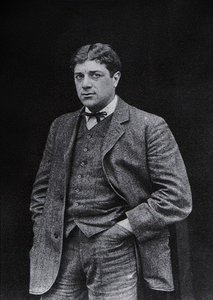
Portrait of Georges Braque

Georges Braque

1882–1963 · France · 12

French Cubist pioneer who revolutionized art through fragmented geometric forms and the innovative invention of papier collé textures.

4. Mandola, 9. Man with a Guitar, 10. Houses at L'estaque, 16. Violin and Palette, 24. Harbor in Normandy, 31. Woman Reading, 34. The Musician, 48. Houses at L’Estaque, 60. Woman with a Guitar, 79. Guitar and Still Life on a Mantelpiece, 95. Dead nature, 98. Bottle and Fishes

Portrait of Kazimir Malevich

Kazimir Malevich

1879–1935 · Ukraine · 9

Suprematist pioneer of non-objective geometry who used basic shapes and monochromatic grounds to achieve a sense of pure spiritual weight.

12. An Englishman in Moscow, 26. Woman with Pails Dynamic Arrangement, 38. Composition with the Mona Lisa, 44. Knife Grinder - Principle of Flickering, 55. Taking in the Rye, 66. Encina y driadas, 71. Taking in the Harvest, 77. Musical Instrument, 92. On the Boulevard

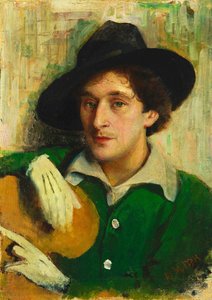
Portrait of Marc Chagall

Marc Chagall

1887–1985 · Belarus · 8

Russian-born modernist of dreamlike symbolism and vibrant colors, featuring flying lovers and scenes from Jewish folklore in a poetic style.

1. I and the Village, 5. The Birthday, 37. The Praying Jew, 41. The Betrothed and Eiffel Tower, 52. The Feast of the Tabernacles, 58. The Promenade, 65. Paris Through the Window, 89. Lovers

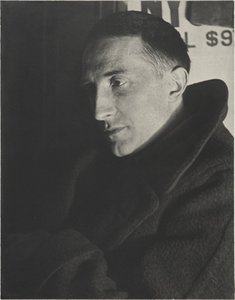
Portrait of Marcel Duchamp

Marcel Duchamp

1887–1968 · France · 8

French American Dadaist who revolutionized art through readymades, conceptual inquiry, and the subversion of everyday objects like urinals.

6. Nude Descending a Staircase, No.2, 27. The Passage from Virgin to Bride, 32. Portrait of Chess Players, 50. Sad young man in a train, 69. Disks Bearing Spirals, 75. Young Girl and Man in Spring, 80. King and Queen Surrounded by Swift Nudes, 99. Network of Stoppages

Portrait of Fernand Léger

Fernand Léger

1881–1955 · France · 7

French Cubist known for Tubism and rhythmic, mechanical forms inspired by the machine age and the vibrant neon lights of New York City.

13. Three Women, 15. The City, 20. Nudes in the Forest, 23. The Mechanic, 49. The Wedding, 70. The Woman in Blue, 100. The Breakfast

Portrait of Amedeo Modigliani

Amedeo Modigliani

1884–1920 · Italy · 6

Italian Expressionist known for soulful portraits with elongated faces and almond-shaped eyes, capturing the essence of the human spirit.

7. Portrait of Jeanne Hebuterne, 28. Woman Seated by a Fireplace, 47. Head of Red-Haired Woman, 56. Young Man with Cap, 61. Portrait of Anna, 76. The Red-Headed Girl

+21more masters our artists study Cubism Masters Their stories

In confidence

About these Cubism paintings

Hover gently over a question to read the answer.

Can I own a copy of a famous Cubism painting?

Yes: 50 of the 100 can be ordered as a hand-painted oil reproduction, from $200, and 50 as a canvas print, from $58.

How was this list of Cubism paintings ranked?

Each painting is ranked by how widely it is known: the number of Wikipedia language editions with an article on it (Wikidata sitelinks), its place in our catalogue's manual ranking and the visits its page receives. The same painting catalogued several times counts once, and details, copies and studies are left out.

One of a kind

50 of the 100, painted for you alone

50 of these works can be painted by hand for a single owner, from $200.

I and the Village by Marc ChagallThe Three Musicians by Pablo PicassoThe Young Ladies of Avignon by Pablo PicassoMandola by Georges BraqueThe Birthday by Marc Chagall

Discover original art

How the selection is made

We went through every Cubism painting in our catalogue and placed the best-known first: those Wikipedia describes in the most languages, those our artists and curators rank highest and those most viewed on our pages. Each original appears once — no details or copies.

Other movements that inspire us

The periods that inspire us