Menu
FREE ART CONSULTATION

Galleria Civica di Arte Moderna e Contemporanea Torino

Quick Facts

  • Movements:
    • abstract expressionism
    • abstraction-création
    • art informel
    • arte povera
    • contemporary abstract expressionism
  • Works on APS: 58
  • Location: Turin, Italy
  • Mediums:
    • acrylic on canvas
    • bronze
    • mixed media
    • oil
    • oil on canvas
  • More…
  • Art types:
    • other
    • sculpture
    • wallart
  • Alternate names:
    • GAM
    • GAM Turin
    • GAM Torino
  • Historical periods:
    • 19th century
    • contemporary
    • modern
  • Featured artists:
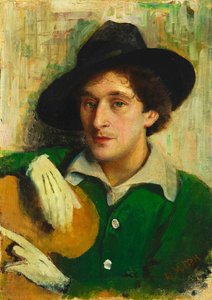
    • Marc Chagall
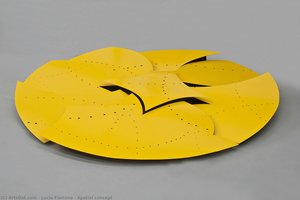
    • Lucio Fontana
    • Giorgio de Chirico
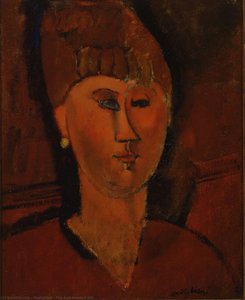
    • Amedeo Clemente Modigliani
    • Pablo Picasso

Art Quiz

There is only one correct answer for each question.

Question 1:
What is the Galleria Civica di Arte Moderna e Contemporanea Torino primarily known for?
Question 2:
The Galleria's building originally served as:
Question 3:
Which artistic movement is prominently featured at GAM Torino?
Question 4:
Arte Povera emphasizes:
Question 5:
GAM Torino’s international collection includes works by artists such as:

A Beacon of Italian Modernity: Exploring the Galleria Civica di Arte Moderna e Contemporanea Torino

The city of Turin, steeped in regal history and burgeoning with contemporary energy, holds within its heart a treasure trove for lovers of modern and contemporary art: the Galleria Civica d'Arte Moderna e Contemporanea (GAM). Established in 1949, though tracing its roots back to the late 19th century, GAM stands as Italy’s oldest museum dedicated solely to the evolution of artistic expression from the 1800s to the present day. More than just a repository of artworks, it is a dynamic space where the spirit of innovation thrives, offering an immersive journey through the cultural landscape of Italy and beyond. The building itself whispers tales of Turin’s past; originally constructed for the 1863 Universal Exhibition, its architecture has been thoughtfully adapted over time to accommodate a growing collection and evolving artistic visions. Stepping inside is akin to entering a dialogue between history and modernity, where each gallery invites contemplation and discovery. ### The Genesis of GAM: From Royal Patronage to Artistic Vision GAM’s story begins in 1895 with the initiative of Turin’s elite – artists, intellectuals, and philanthropists—who envisioned a space for showcasing Italian avant-garde art. Initially housed in Palazzo Cereri, it quickly gained prominence thanks to generous donations from prominent figures like Giuseppe Verdi and Arturo Benedetti Marcello. The subsequent relocation to its current location on Via Magenta in 1949 solidified GAM’s commitment to fostering artistic dialogue and preserving the legacy of Italian modernism. Designed by architect Ernesto Nervi, whose daring structural innovations pushed the boundaries of architectural aesthetics, the building embodies Turin's ambition for progress while honoring its heritage. Its soaring concrete frame creates a striking contrast with the ornate Baroque facades surrounding it—a visual representation of Turin’s transformation from aristocratic capital to cultural center. ### Futurism and Beyond: Shaping Italy’s Artistic Landscape GAM’s collection is undeniably shaped by Futurism, a movement that erupted in Italy at the dawn of the 20th century. Artists like Giacomo Balla and Umberto Boccioni captured the dynamism of industrialization and urban life with canvases ablaze with color and fragmented forms—a deliberate rejection of traditional artistic conventions. These paintings aren’t merely decorative; they are imbued with a fervent belief in technological advancement and an embrace of speed, mirroring the fervor of the era. Examining these works prompts reflection on Italy's cultural anxieties surrounding tradition versus innovation during this pivotal period. Alongside Futurism, GAM boasts impressive holdings of Arte Povera, spearheaded by artists like Michelangelo Antonioni and Piero Gilardi. This movement championed simplicity and materiality—using humble materials like wood, stone, and fabric—to express profound philosophical ideas about human existence and the relationship between art and nature. ### International Influences: Expanding Horizons at GAM Torino GAM Torino’s vision extends beyond national borders, enriching its collection with masterpieces from across Europe and America. Notable artists include Amedeo Modigliani, whose haunting portraits convey an exquisite blend of elegance and melancholy—a testament to Turin's artistic connections during the Belle Époque. Furthermore, GAM showcases significant pieces by Andy Warhol, cementing Turin’s role as a hub for pop art culture. The museum’s curators skillfully contextualize these international contributions, illuminating how artistic movements interact globally and fostering discussions about universal themes of beauty, identity, and social commentary. ### A Living Legacy: Exhibitions and Accessibility Today GAM Torino continues to evolve as a cultural institution, hosting stimulating exhibitions that explore contemporary artistic trends and engage audiences of all ages. Its commitment to accessibility is evident in comprehensive virtual tours available online—allowing enthusiasts worldwide to experience Turin’s artistic treasures remotely. Moreover, GAM actively collaborates with educational programs aimed at fostering creativity and critical thinking among young people—solidifying its role as a cornerstone of Turin's cultural landscape. With over 47,000 artworks spanning centuries of artistic history, GAM Torino remains an unparalleled destination for anyone seeking inspiration and understanding of the transformative power of art.