A Sanctuary of Modernity: The Soul of Kunstmuseum Den Haag
Nestled in the elegant Statenkwartier district of The Hague , just a breath away from the North Sea breeze of Scheveningen, lies a sanctuary where time seems to harmonize with the rhythm of modern thought. The Kunstmuseum Den Haag is far more than a mere repository for artifacts; it is a living dialogue between the past and the future. Since its inception as the Museum voor Moderne Kunst, this institution has undergone a profound metamorphosis, shedding names like Haags Gemeentemuseum to emerge as the premier beacon of Dutch artistic heritage. For the discerning collector or the lover of fine aesthetics, the museum offers an intimate encounter with the very essence of the twentieth century, presenting a curated journey through color, form, and the evolution of human expression.
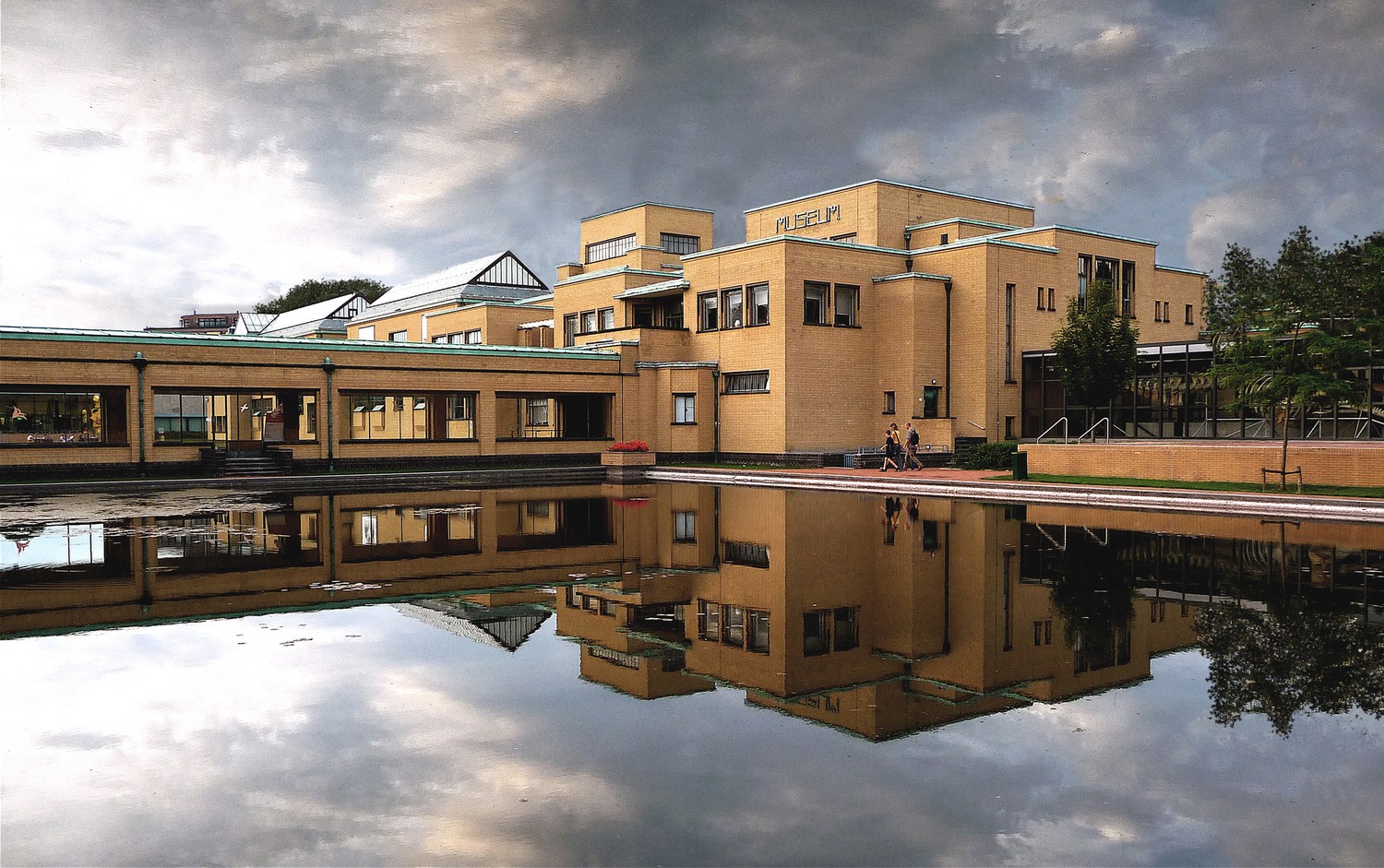
To enter the Kunstmuseum is to step inside a masterpiece of architectural intention. Designed by the legendary Hendrik Petrus Berlage , the building itself serves as a manifesto of modernist principles. Eschewing the heavy, intimidating marble and granite of traditional monuments, Berlage chose a facade of humble, ordinary brick—a deliberate gesture of invitation intended to bridge the gap between high art and the public. Inside, the architecture breathes with light. Expansive, sun-drenched galleries and innovative display cabinets create an atmosphere of clarity and serenity, where the subtle bronze window frames and colorful tiles guide the eye through a space that feels both monumental and profoundly human. For interior designers seeking inspiration, Berlage’s mastery of proportion and natural illumination remains an eternal study in functional elegance.
A Legacy of Color and Form
The crown jewel of this illustrious collection is, without question, the unparalleled legacy of Piet Mondrian . The museum holds the largest collection of his works globally, offering a rare opportunity to witness the artist's radical departure from representation toward pure abstraction. Visitors can trace his metamorphosis from landscape painter to the master of geometric precision, culminating in the breathtaking Victory Boogie Woogie . This final, frenetic masterpiece, with its vibrant, rhythmic grid of primary colors and black lines, pulses with a kinetic energy that continues to redefine the boundaries of modern composition.
Yet, the museum’s brilliance lies in its ability to balance Mondrian's structured universe with emotive depth. The collection invites a sensory exploration through various disciplines:
- The soft, Impressionist light found in the works of Claude Monet .
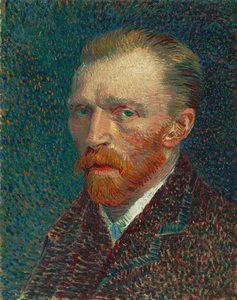
- The poignant realism and textured narratives of masters like Vincent van Gogh .
- The subversive and contemporary voices of icons such as Paula Rego and Grayson Perry .
- The exquisite intersection of fine art and decorative mastery, seen in magnificent Delftware where intricate floral motifs dance across porcelain.
- A sophisticated exploration of fashion, preserving the sartorial genius of Cristóbal Balenciaga and Gabrielle Chanel .
Beyond the canvas, the museum offers a multidimensional experience, from the delicate resonance of European musical instruments in the Music Room to the profound depth of a print room containing fifty thousand drawings. It is a place where history is not merely studied but felt—a destination that promises to touch the soul of every visitor with its enduring beauty and intellectual vigor.