

A Legacy Forged in Vision
To step into the Yale University Art Gallery is to embark on a transformative journey through the very essence of human creativity. Nestled in the heart of New Haven, Connecticut, this venerable institution stands as a living testament to the power of art to shape our understanding of ourselves and the world around us. The gallery’s story began with a remarkable gift from John Trumbull —over a hundred paintings that serve as a visual chronicle of the American Revolution, capturing the birth pangs of a nation with profound courage and sacrifice. What started as a patriotic tribute has blossomed into an encyclopedic sanctuary, where ancient artifacts engage in silent dialogue with modern masterpieces, creating a vibrant hub for artistic exploration that spans millennia and continents.
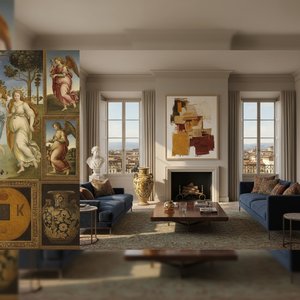
The collection itself is a breathtaking tapestry of global heritage, renowned internationally for its unparalleled assemblage of Italian Renaissance brilliance. Within these walls, the air seems to thicken with the spirit of humanism as visitors stand before the works of Botticelli, Michelangelo, Raphael, and Leonardo da Vinci . These canvases are far more than mere displays of technical virtuosity; they are windows into an era where precise perspective and masterful pigment blending illuminated complex theological narratives and symbolic truths. Yet, the gallery’s vision transcends European borders, offering a profound encounter with the soul of Africa through its extraordinary collection of sculptures from Nigeria, Ghana, Benin, and the Congo . Crafted from bronze, ivory, wood, and terracotta, these works embody intricate spiritual beliefs and social hierarchies, compelling even the most seasoned collector to confront new perspectives on cultural significance.
Architectural Mastery and Modern Innovation
Beyond the classical and the ancient, the gallery serves as a vital bridge to the modern era, housing pivotal movements such as Impressionism, Cubism, Surrealism, and Abstract Expressionism . For the art lover seeking emotional resonance, the collection offers poignant moments of solitude, such as the quiet, evocative landscapes of Jean-François Millet or the hauntingly cinematic stillness found in Edward Hopper’s Western Motel . This seamless blend of historical depth and contemporary innovation makes the gallery a premier destination for interior designers and curators alike, seeking inspiration in the intersection of tradition and avant-garde experimentation.
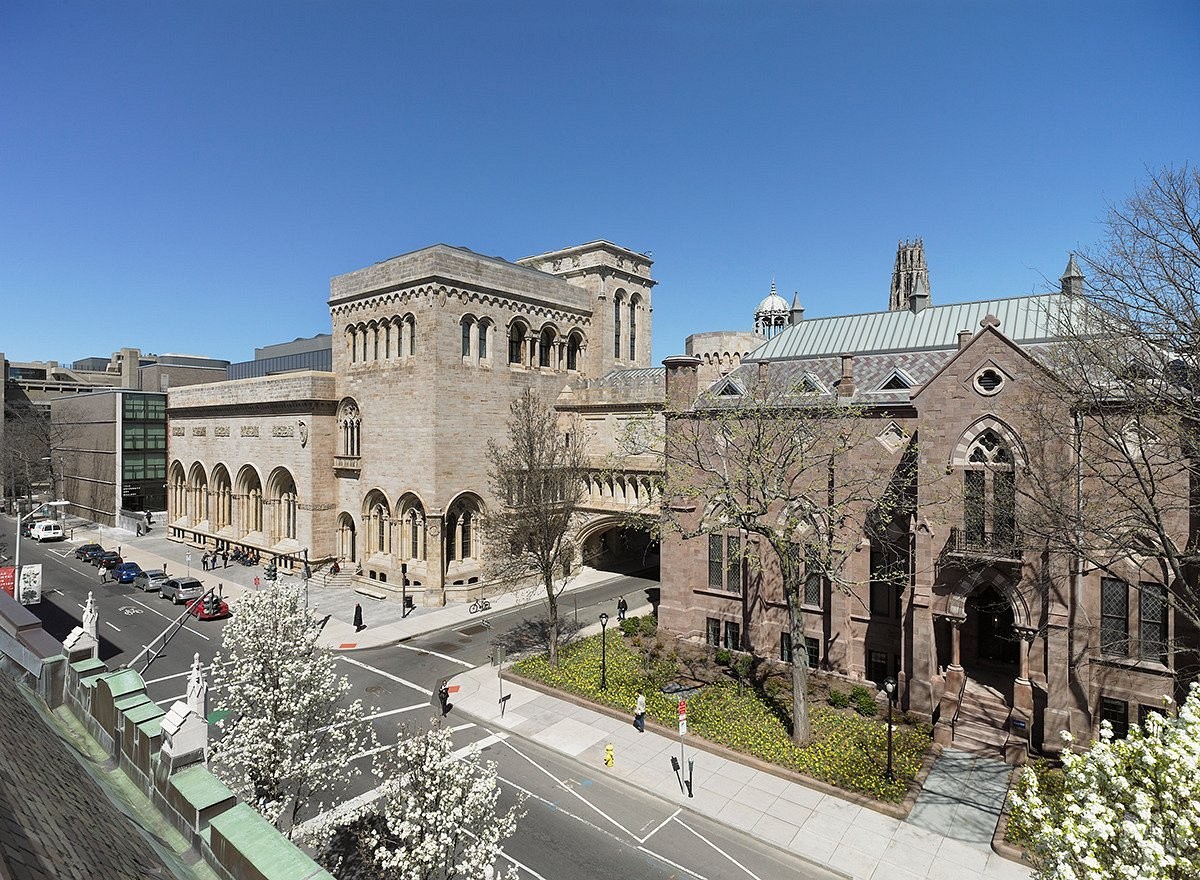
The experience of the Yale University Art Gallery is profoundly deepened by its architectural evolution, most notably through the modernist masterpiece designed by Louis Kahn . Completed in 1953, the Main Building is a soaring achievement of steel and concrete, featuring a striking triangular ceiling conceived alongside Anne Tyng . This space was meticulously engineered to prioritize natural light and geometric precision, creating an atmosphere of quiet contemplation that enhances every brushstroke and sculpture on display. The building itself functions as a work of art, where form and function converge to facilitate profound aesthetic experiences. Whether wandering through the Gothic Revival echoes of Street Hall or standing beneath Kahn’s modernist canopy, the architecture invites visitors to engage deeply with the treasures held within its walls.
A Living Institution of Discovery
As a dynamic institution, the gallery continues to pulse with contemporary relevance through curated exhibitions and community engagement. It is not merely a repository for the past, but a living, breathing entity that fosters empathy, encourages research, and inspires awe. Visitors can encounter scholarly installations such as “Printing Darkness” or explore specialized highlights through guided tours. The institution remains a beacon of accessibility and discovery, offering an unparalleled encounter with the beauty and complexity of our shared global history.