Mannerist, one artist at a time

71 Famous Mannerist Painters Who Shaped the Movement

El Greco (1541–1614) is the most famous Mannerist painter, whose singular vision gave us The Burial of the Count of Orgaz and View of Toledo. Next stand Jacopo Tintoretto, Giuseppe Arcimboldo, Bronzino and Sofonisba Anguissola. These 71 painters, from Amico Aspertini (born 1475) to Cristofano Allori (born 1577), came from 9 countries.

Our selection. Artists whose works our catalogue attaches to Mannerist, in the order of our fame ranking. Artists born after 1955 with no Wikidata identifier stay out until verified. The Wikipedia figure counts our 32 languages with an article on the artist.

  1. The Burial of the Count of Orgaz by El Greco1El Greco
  2. The Supper at Emmaus by Jacopo Tintoretto2Jacopo Tintoretto
  3. Vertumnus (Vertumno) by Giuseppe Arcimboldo3Giuseppe Arcimboldo

In brief

Mannerist in brief

  • 71Artists
  • 1475–1577Years of birth
  • 9Countries of birth
  • 2Women
  • 5,179Works in our catalogue
Cities with most births
Florence (14), Bologna (5), Venice (3), Antwerp (3)
Museums holding the most key works
Kunsthistorisches Museum (19), National Gallery (10), Galleria degli Uffizi (8), The Louvre (8)
The women of this list
Sofonisba Anguissola, Lavinia Fontana

One artist at a time

71 Mannerist Painters and their signature works

1of 71

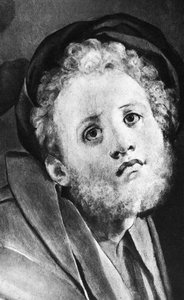
El Greco

Born in Heraklion Wikipedia in 31/32 languages

El Greco

While he achieved success and received significant commissions from churches and monasteries in Toledo, his influence was not immediately felt by the broader art world after his death in 1614.

Signature works · The 100 signature works

2of 71

Jacopo Tintoretto

Italian Born in Venice Mannerist, Venetian school Wikipedia in 31/32 languages

Jacopo Tintoretto

Rather than seeking the serene stillness of the High Renaissance, he leaned into the tension of the Mannerist style, populating his compositions with muscular figures and dramatic gestures that seemed to strain against the edges of the frame. The Origin of the Milky Way (Scuola Grande di San Rocco, Venice). Tintoretto occupied a singular position in the Venetian school, standing alongside Titian and Veronese as one of the three great painters of the sixteenth century.

Where to see The Scuola Grande di San Rocco remains the most concentrated repository of his output, housing over sixty canvases that transform the building's halls into a cinematic experience of biblical narratives.

Signature works · The 100 signature works

3of 71

Giuseppe Arcimboldo

Born in Milan Wikipedia in 30/32 languages

Giuseppe Arcimboldo

He specialized in grotesque symbolical compositions, where the anatomy of a face was reimagined through the arrangement of fruits, vegetables, flowers, animals, books, and various inanimate objects. These works were often viewed as curiosities, yet they required a sophisticated understanding of how to merge the organic with the artificial to create a recognizable human form. In his portraits of Summer and Winter, the human form is entirely subsumed by the textures of the harvest and the cold, creating a visual riddle that demands a second glance.

Where to see The physical remnants of Arcimboldo’s imagination are scattered across Europe, preserved within the halls of institutions that once served the very courts he once entertained.

Signature works · The 100 signature works

4of 71

Bronzino

Italian Born in Florence Mannerism Wikipedia in 29/32 languages

Bronzino

He was a founding member of the Accademia delle Arti del Disegno in 1563, an institution dedicated to promoting the study of art and fostering artistic excellence.

Pupil of Pontormo #6 · Teacher of Alessandro Allori #20

Signature works · The 100 signature works

5of 71

Sofonisba Anguissola

Italian Born in Cremona Renaissance, Mannerism Wikipedia in 29/32 languages

Sofonisba Anguissola

These weren't merely exercises in likeness; they were insightful explorations of personality and familial relationships. “ Self-Portrait at the Easel ” (1556) is particularly iconic, presenting Sofonisba confidently engaged in her craft, challenging viewers to acknowledge her artistic authority. Key influences on Anguissola included the Lombard school of painting, particularly the work of Bernardino Campi and Bernardino Gatti, but she ultimately forged her own unique style characterized by realism, intimacy, and psychological insight.

Signature works · The 100 signature works

6of 71

Pontormo

Italian Born in Empoli Florentine Mannerism Wikipedia in 28/32 languages

Pontormo

Unlike the masters of the High Renaissance who sought perfection through balance and mathematical harmony, Pontormo looked inward, seeking to express the turbulent, often unsettling complexities of the human soul. As a young apprentice in Florence, he moved through a world of shifting artistic paradigms, eventually emerging as a central figure of the Florentine Mannerist movement.

Teacher of Bronzino #4

Signature works · The 100 signature works

7of 71

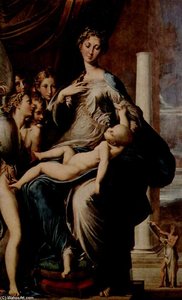
Parmigianino

Italian Born in Parma Mannerism Wikipedia in 28/32 languages

Parmigianino

This act secured commissions in Rome, but the city’s artistic landscape was soon disrupted by the tumultuous Sack of 1527. Forced to flee, Parmigianino sought refuge in Bologna, where he painted one of his most celebrated works, the Holy Family. Tragically, Parmigianino's promising career was cut short by his untimely death in Casalmaggiore in 1540 at the age of thirty-seven.

Signature works · The 100 signature works

8of 71

Giorgio Vasari

Italian Born in Arezzo Mannerism Wikipedia in 31/32 languages

Giorgio Vasari

This groundbreaking text wasn’t merely a collection of biographies; it established a narrative framework for the development of Italian Renaissance art, tracing its evolution from the early masters like Cimabue and Giotto to his contemporaries Michelangelo and Raphael.

Teacher of Jacopo Zucchi #54, Federico Zuccari #41

Signature works · The 100 signature works

9of 71

Giulio Romano

Italian Born in Rome Mannerism Wikipedia in 28/32 languages

Giulio Romano

In 1524, Giulio accepted the invitation of Federico Gonzaga, Duke of Mantua, to become court painter and architect. The Sala dei Giganti (Hall of the Giants), for example, depicts a chaotic battle between gods and giants, engulfing the viewer in a swirling vortex of figures and architectural fragments. His drawings were highly prized by collectors, and engravings based on his work – particularly those by Marcantonio Raimondi – played a crucial role in disseminating Italian artistic styles throughout Europe.

Signature works · The 100 signature works

11of 71

Sebastiano del Piombo

Italian Born in Venice High Renaissance, Mannerism Wikipedia in 23/32 languages

Sebastiano del Piombo

This move placed him directly into the orbit of Raphael, whose workshop was at its zenith, and soon after, into the complex world surrounding Michelangelo. The two masters recognized a kindred spirit in each other’s pursuit of grandeur and anatomical precision; Michelangelo actively championed Sebastiano's work, urging him to compete with Raphael for prestigious commissions. The latter part of Sebastiano's life took an unexpected turn in 1531 when he was appointed piombatore, Keeper of the Seals for the Papacy.

Signature works · The 100 signature works

13of 71

Domenico Beccafumi

Italian Born in Castelnuovo Berardenga Mannerism, Renaissance Wikipedia in 21/32 languages

Domenico Beccafumi

Born around 1486 in the small Tuscan town of Montaperto, near Siena, Beccafumi’s artistic journey was one of remarkable development, culminating in a style that bridged the High Renaissance and the burgeoning complexities of Mannerism. Sienese Tradition with Mannerist Influences: He skillfully blended the decorative elements and emotional intensity of the Sienese school with the emerging stylistic features of Mannerism.

Signature works · The 100 signature works

14of 71

Pieter Aertsen

Dutch Born in Amsterdam Northern Mannerism Wikipedia in 28/32 languages

Pieter Aertsen

The Renaissance humanist Hadrianus Junius (Adriaen de Jonghe) compared Aertsen to Peiraikos, an ancient Greek painter celebrated for his ability to depict ordinary subjects with extraordinary realism and symbolic depth.

Signature works · The 100 signature works

15of 71

Bartholomeus Spranger

Flemish Born in Antwerp Northern Mannerism Wikipedia in 18/32 languages

Bartholomeus Spranger

Spranger’s style is a quintessential example of Northern Mannerism, characterized by elongated figures, complex poses, and a deliberate emphasis on elegance and refinement. Spranger’s work is notable for its dynamism, achieved through carefully orchestrated diagonals and a sense of movement within each composition. Crucially, his travels extended into Italy, where he spent eight months in Milan and three months in Parma, assisting Bernardino Gatti on the ambitious fresco project for the dome of Santa Maria della Steccata.

Signature works · The 100 signature works

16of 71

Lavinia Fontana

Italian Born in Bologna Mannerism, Baroque Wikipedia in 26/32 languages

Lavinia Fontana

Fontana’s artistic style initially mirrored that of her father, steeped in the traditions of the School of Bologna. Notable works like “Double Marriage Portrait” (also known as "Self-Portrait of Lavinia Fontana"), currently housed in the Zaragoza Museum, exemplify her skill and sophistication, offering a glimpse into the elegance of 16th-century society. She not only demonstrated that women could achieve artistic excellence on par with their male counterparts but also paved the way for future generations of female artists to pursue their passions without societal constraints.

Signature works · The 100 signature works

17of 71

Federico Barocci

Italian Born in Urbino Renaissance, Baroque Wikipedia in 24/32 languages

Federico Barocci

Barocci's work was highly esteemed and influential, foreshadowing the Baroque style of Peter Paul Rubens. He worked in the pre-eminent studio of Taddeo and Federico Zuccari in Rome, where he was exposed to various artistic influences.

Signature works · The 100 signature works

19of 71

Cristofano Allori

Italian Born in Florence Mannerism Wikipedia in 23/32 languages

Cristofano Allori

In the twilight of the Renaissance, as the balanced harmonies of the previous century gave way to the restless energy of Mannerism, Cristofano Allori emerged as a vital voice in the Florentine school. Born in 1577 into a city steeped in artistic prestige, Allori was destined for the brush.

Pupil of Alessandro Allori #20

Signature works · The 100 signature works

20of 71

Alessandro Allori

Italian Born in Florence Mannerism Wikipedia in 24/32 languages

Alessandro Allori

This isn’t necessarily a detraction—it speaks to Allori's role as a crucial link in the transmission of artistic knowledge within Florentine circles. Alessandro Allori, born in Florence on May 31st, 1535, stands as a compelling figure within the late Mannerist school.

Pupil of Bronzino #4 · Teacher of Cristofano Allori #19

Signature works · The 100 signature works

21of 71

Niccolò Dell' Abbate

Italian Born in Modena Mannerism Wikipedia in 25/32 languages

Niccolò Dell' Abbate

His landscapes are not simply scenic backgrounds; they are meticulously crafted environments imbued with a sense of depth, atmosphere, and psychological resonance. These landscapes frequently served as the setting for dramatic scenes featuring figures from classical mythology – tales of Orpheus and Eurydice, Proserpine’s abduction, and the Judgment of Paris. His innovative use of landscape as a compositional element paved the way for Claude Lorrain and Nicolas Poussin, who both drew inspiration from his ability to integrate natural settings into mythological narratives.

Signature works · The 100 signature works

22of 71

Giovanni Battista Moroni

Born in Albino Wikipedia in 16/32 languages

Giovanni Battista Moroni

A pivotal moment occurred during his stay in Trento where he encountered Titian and the Count-Bishop Cristoforo Madruzzo. Titian's influence is evident in Moroni’s use of color and sophisticated handling of light.

Signature works · The 100 signature works

23of 71

Benvenuto Cellini

Italian Born in Florence Mannerism

Benvenuto Cellini

Born into a family with musical inclinations – his father was a musician and instrument maker – Cellini initially showed promise in music. His early years were not without incident; at sixteen, he became embroiled in an affray with companions, leading to banishment from Florence and a period working in Siena under goldsmith Fracastoro. He represents the quintessential Renaissance ideal – a polymath skilled in multiple disciplines, driven by ambition, and unafraid to express his individuality.

Signature works · The 100 signature works

24of 71

Francesco Salviati

Italian Born in Florence Mannerism” Wikipedia in 17/32 languages

Francesco Salviati

He employed dramatic lighting effects to heighten the sense of drama and create a palpable atmosphere of psychological tension. Portraiture: While primarily known for his frescoes and decorative works, Salviati also excelled as a portrait painter. Francesco Salviati’s impact on the development of Italian Mannerism is undeniable.

Signature works · The 100 signature works

25of 71

Giambologna

Flemish Born in Douai Mannerist Sculpture

Giambologna

Emphasis on Surface Texture: Giambologna’s sculptures are renowned for their extraordinarily refined surface finishes, achieved through painstaking polishing techniques that maximized reflectivity and created a mesmerizing interplay of light and shadow. His sculptural innovations—particularly his exploration of dynamic movement and psychologically complex figures—provided inspiration for artists such as Bernini and Caravaggio, who embraced Mannerist principles to forge new expressive pathways.

Signature works · The 100 signature works

26of 71

Karel van Mander the Elder

Flemish Born in Meulebeke Northern Mannerism Wikipedia in 20/32 languages

Karel van Mander the Elder

Rome (1574-1577): Van Mander spent three years in Rome, where he encountered classical art and developed his artistic style. Vienna: During a return journey from Italy, he collaborated with Bartholomeus Spranger and Hans Mont on creating a triumphal arch for Emperor Rudolf II's royal entry. Influence on Dutch Art: He significantly influenced artists in Haarlem and beyond, shaping the artistic landscape of the Dutch Republic.

Signature works · The 100 signature works

27of 71

Daniele da Volterra

Italian Born in Volterra Mannerism Wikipedia in 17/32 languages

Daniele da Volterra

Despite the controversies that surrounded him, Daniele’s work continues to fascinate and provoke debate, offering a unique window into the artistic and religious landscape of 16th-century Italy. Sybil (c. 1540–1545); Hermitage Museum, Saint petersburgdescent from the cross (c. 1545), before its 2004 restoration; trinità dei monti, romedescent from the cross (detail, before restoration)descent from the cross (detail, after restoration)

Signature works · The 100 signature works

28of 71

Jean Goujon

French Born in Normandy Mannerism

Jean Goujon

Moving to Paris in 1544, Goujon entered into a pivotal partnership with Pierre Lescot, the architect overseeing the ambitious reconstruction of Saint-Germain-l'Auxerrois cathedral. This era of collaboration defined the visual language of the French Renaissance, as Goujon began to infuse stone with a sense of fluid movement and ethereal grace. Goujon's legacy is defined by an unparalleled ability to harmonize the tension of Mannerism with the serenity of Classicism.

Signature works · The 100 signature works

29of 71

Prospero Fontana

Italian Born in Bologna Late Renaissance & Mannerism Wikipedia in 18/32 languages

Prospero Fontana

Fontana’s artistic style is often described as a synthesis of Renaissance ideals and Mannerist tendencies. His work also includes significant contributions to the decoration of the Santa Maria del Baraccano church in Bologna, including a captivating “Disputa di Santa Caterina.” His daughter, Lavinia Fontana, who herself became a successful painter, undoubtedly benefited from her father’s tutelage and artistic guidance. Fontana’s legacy endures through his surviving works, which are housed in prestigious collections such as the Pinacoteca di Vicenza and the La collezione Bonello (Malta).

Signature works · The 100 signature works

30of 71

Joachim Wtewael

Dutch Born in Utrecht Mannerism Wikipedia in 14/32 languages

Joachim Wtewael

Wtewael's early training rooted him deeply in the sophisticated vocabulary of late 16th-century Haarlem Mannerism. A pivotal period arrived when he embarked on travels through Italy and France starting in 1586. These sojourns were crucial, exposing him to the rich artistic currents of the Second School of Fontainebleau.

Signature works · The 100 signature works

31of 71

Francesco Primaticcio

Italian Born in Bologna Mannerism Wikipedia in 22/32 languages

Francesco Primaticcio

Whether through the delicate line work of a chalk drawing like Ceres or the monumental scale of fresco fragments such as Ulysses Winning the Archery Contest in the Presence of Penelope, Primaticcio’s oeuvre remains a testament to an artist who could navigate the complexities of myth, majesty, and the human psyche with unparalleled grace.

Pupil of Giulio Romano #9

Signature works · The 100 signature works

32of 71

Otto van Veen

Flemish Born in Leiden Mannerism Wikipedia in 15/32 languages

Otto van Veen

A significant undertaking during this period was a series of twelve paintings depicting battles between Romans and Batavians, commissioned by the Dutch States General based on earlier engravings he had produced.

Pupil of Federico Zuccari #41

Signature works · The 100 signature works

33of 71

Luca Cambiaso

Italian Born in Moneglia Genoese School, Mannerism Wikipedia in 15/32 languages

Luca Cambiaso

Cambiaso’s style is often described as Mannerist, yet it transcends simple categorization. A key characteristic of his work is the simplification of figures into geometric forms – cubes, cylinders, and cones – a technique that lends a sense of architectural precision to his compositions. His journey to Spain in 1583, invited by Philip II to complete frescoes at the Escorial, highlights both his international recognition and his personal ambitions.

Signature works · The 100 signature works

34of 71

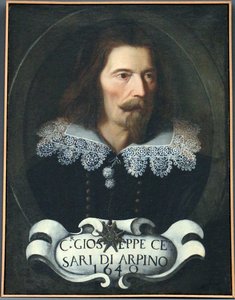
Giuseppe Cesari

Italian Born in Arpino Mannerist Wikipedia in 14/32 languages

Giuseppe Cesari

His compositions are typically balanced and symmetrical, reflecting the influence of artists like Giulio Romano and Pontormo. His style is often described as polished and somewhat mannered, lacking the raw emotional intensity of later Baroque artists like Caravaggio. His association with Carlo Maderno, a leading architect of the period, further broadened his artistic horizons, exposing him to innovative architectural concepts and design principles.

Signature works · The 100 signature works

35of 71

Francesco Bassano the Younger

Italian Born in Bassano del Grappa Venetian Renaissance Wikipedia in 12/32 languages

Francesco Bassano the Younger

Within the bustling, cosmopolitan atmosphere of the Venetian Republic, he ascended rapidly through the ranks of the city's elite artistic circles. Conversely, in more mythologically charged pieces like ' The Forge of Vulcan ', he demonstrated a masterful command over light and shadow, using the glow of the forge to create a dramatic, theatrical atmosphere that captivated viewers. This collaborative environment, guided by the meticulous instruction of his father, Jacopo Bassano, allowed him to absorb the nuances of Venetian Mannerism and the burgeoning influences of the Baroque style.

Signature works · The 100 signature works

36of 71

Hendrick De Clerck

Flemish Late Mannerism

Hendrick De Clerck

Early Life & Training: De Clerck’s formative years are shrouded in obscurity, though evidence suggests he received training under Jan Brueghel the Elder, a titan of Flemish landscape painting and a pivotal influence on de Clerck's artistic approach. Among De Clerck’s most celebrated achievements is “The Deposition,” commissioned for St.

Signature works · The 100 signature works

38of 71

Perino del Vaga

Italian Born in Florence Mannerist Painting Wikipedia in 15/32 languages

Perino del Vaga

Whether depicting the celestial grace of a Madonna with Child or the dramatic tension found in works like The Fall of the Giants, Perino possessed a unique talent for blending the monumental with the delicate.

Signature works · The 100 signature works

39of 71

Stradanus

Flemish Born in Bruges Renaissance, 16th Century Painting Wikipedia in 15/32 languages

Stradanus

In 1550, Stradanus embarked on a transformative journey to Florence, where he entered the service of the Medici family, then one of the most powerful and influential families in Europe. The Metropolitan Museum of Art’s collection features a significant drawing by Stradanus – “ Allegory of America” – offering valuable insight into his artistic vision and providing a tangible connection to this remarkable Florentine master.

Teacher of Antonio Tempesta #56

Signature works · The 100 signature works

40of 71

Il Pordenone

Italian Born in Pordenone Renaissance Painting Wikipedia in 16/32 languages

Il Pordenone

The years from 1527 until his untimely death in 1539 were spent primarily in Venice, a city teeming with artistic innovation. Here, Pordenone became a prominent figure in the vibrant Venetian art scene, collaborating with younger artists like Tintoretto at the Scuola Grande della Carità. Around 1516, a pivotal journey to Rome brought him into contact with the High Renaissance masterpieces of Raphael and Michelangelo.

Signature works · The 100 signature works

41of 71

Federico Zuccari

Italian Born in Sant'Angelo in Vado Mannerism Wikipedia in 18/32 languages

Federico Zuccari

Their collaborative spirit yielded masterpieces such as “The Holy Family ” in Palazzo Vecchio, a work that serves as a testament to their unified artistic language. This ambition is perhaps most tangibly felt in Casa Zuccari in Florence, a residence built around 1578.

Pupil of Giorgio Vasari #8

Signature works · The 100 signature works

42of 71

Cecchino Del Salviati

Italian Born in Florence Mannerist Painting

Cecchino Del Salviati

Under the tutelage of the great Andrea del Sarto, Cecchino absorbed a foundation of meticulous realism and compositional grace, yet he possessed an innate drive to push beyond the balanced harmonies of his predecessors toward something far more experimental and emotionally charged. Born in Florence around 1510 into a lineage of creative talent—his father being the painter Francesco Rossi—Cecchino was destined for a life steeped in the aesthetic complexities of the Italian Renaissance.
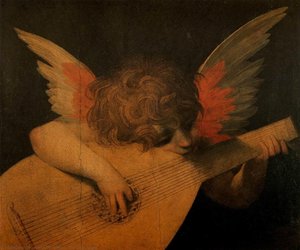
Signature works · The 100 signature works

43of 71

Cornelis Ketel

Dutch Born in Gouda Mannerism Wikipedia in 13/32 languages

Cornelis Ketel

Encouragement also came from Dirck Crabeth, a celebrated stained-glass artist and brother to Wouter Crabeth, whose wife may have been related to Ketel – suggesting a network of familial support within the artistic community.

Signature works · The 100 signature works

44of 71

Gillis Mostaert

Flemish Born in Hulst Mannerism, Renaissance Wikipedia in 8/32 languages

Gillis Mostaert

The influence of Hieronymus Bosch is also readily apparent in Mostaert’s oeuvre, particularly in compositions derived from tapestries based on Bosch's fantastical creations. Perhaps his most famous work, The Haywain (Allegory on Worldly and Clerical Abuses), exemplifies this inspiration. He played a crucial role in the development of both genre and landscape art within Antwerp, pushing boundaries and inspiring subsequent generations of artists.

Signature works · The 100 signature works

45of 71

Francesco Bacchiacca

Italian Born in Florence Florentine Mannerism Wikipedia in 11/32 languages

Francesco Bacchiacca

Unlike the balanced compositions favored by his contemporaries, Bacchiacca often employed asymmetrical arrangements, creating a feeling of instability and tension. He was particularly adept at portraying women, imbuing them with a captivating blend of vulnerability and strength. John the Baptist,” now housed in Berlin, and “Ghismonda with Heart of Guiscardo,” a dramatic portrayal of a tragic love story displayed at the Lowe Art Museum in Miami.

Signature works · The 100 signature works

46of 71

Scipione Pulzone

Born in Gaeta Wikipedia in 11/32 languages

Scipione Pulzone

He developed a refined and detailed approach, characterized by precise rendering and a focus on naturalism. He skillfully balanced Renaissance ideals with emerging Baroque sensibilities.

Signature works · The 100 signature works

47of 71

Santi di Tito

Italian Born in Florence Proto-Baroque & Counter-Maniera Wikipedia in 14/32 languages

Santi di Tito

The legacy of Santi di Tito is etched into the very fabric of Italian art history.

Signature works · The 100 signature works

48of 71

Polidoro Da Caravaggio

Italian Born in Caravaggio Mannerism Wikipedia in 10/32 languages

Polidoro Da Caravaggio

Polidoro quickly distinguished himself not within the confines of panel painting or fresco but in a remarkably innovative arena: the decoration of Roman palace facades. Polidoro's skill lay in his ability to translate complex compositions into this challenging medium, creating dynamic friezes that brought classical history and contemporary life vividly to the city’s walls. Though many of his Roman frescoes are lost to time, Polidoro da Caravaggio remains an important and compelling figure in Italian Renaissance history—a testament to the power of artistic innovation and the enduring impact of personal experience on creative expression.

Signature works · The 100 signature works

49of 71

Vincenzo Campi

Italian Born in Cremona Flemish Style / Lombard Naturalism Wikipedia in 13/32 languages

Vincenzo Campi

He possessed the unique ability to marry the structural integrity of the Italian tradition with the meticulous, observational spirit of Flemish painting. Still Lifes: Early explorations of the still life genre, focusing on the bounty of the earth, characterized by an almost scientific accuracy in depicting fruits, vegetables, and kitchen implements. His father, Galeazzo, and his brothers, particularly the influential Giulio, provided a foundation of classical training, yet Vincenzo possessed an eye that looked beyond the stylized elegance of his contemporaries.

Signature works · The 100 signature works

50of 71

Andrea Schiavone

Italian Born in Zadar Baroque Sculpture; Mannerism Wikipedia in 14/32 languages

Andrea Schiavone

The career of Andrea Schiavone was one of prolific achievement, leaving behind a body of work that includes everything from intimate etchings to monumental religious narratives.

Signature works · The 100 signature works

51of 71

Jacopo Ligozzi

Italian Born in Verona Late Renaissance & Mannerism Wikipedia in 11/32 languages

Jacopo Ligozzi

Born in Verona in 1547 to the respected artist Giovanni Ermano Ligozzi, Jacopo was immersed from birth in a world where craftsmanship and visual storytelling were paramount. This period of intense training within the Florentine Mannerist tradition instilled in him a mastery of form, light, and dramatic composition. The historical significance of Jacopo Ligozzi lies in his refusal to see art and science as separate disciplines.

Signature works · The 100 signature works

52of 71

Bartolomeo Passarotti

Italian Born in Bologna Mannerism Wikipedia in 10/32 languages

Bartolomeo Passarotti

The historical significance of Bartolomeo Passarotti lies in his role as a foundational figure for the Carracci Academy and the broader Bolognese tradition.

Signature works · The 100 signature works

53of 71

Andrea Vicentino

Italian Born in Vicenza Late Renaissance/Mannerist Wikipedia in 5/32 languages

Andrea Vicentino

Through his work, the halls of the palace—including the Sala del Senato and Sala dello Scrutinio—were transformed into theatrical stages where history and myth converged.

Signature works · The 100 signature works

54of 71

Jacopo Zucchi

Italian Born in Florence Mannerist Painting Wikipedia in 11/32 languages

Jacopo Zucchi

His works often serve as windows into the complex allegories of the 16th century: Religious Devotion: In pieces such as Allegory of the Creation, Zucchi captures profound moments of divine connection, utilizing dramatic lighting and celestial figures to evoke a sense of awe and religious fervor.

Pupil of Giorgio Vasari #8

Signature works · The 100 signature works

55of 71

Domenico Tintoretto

Italian Born in Venice Mannerism Wikipedia in 9/32 languages

Domenico Tintoretto

His work remains a vital testament to the enduring legacy of the Robusti name and the intricate layers of influence that shaped the artistic identity of Venice. Born in Venice around 1560, Domenico grew up amidst the scent of oil paints and the dramatic tension of his father's workshop.

Signature works · The 100 signature works

56of 71

Antonio Tempesta

Italian Born in Florence Mannerism Wikipedia in 11/32 languages

Antonio Tempesta

As a fresco painter, he contributed significantly to some of the most celebrated decorative programs of the age, including works for Villa Lante and Palazzo Farnese. He remains a testament to the interconnectedness of the European art world during the Renaissance and Baroque periods, serving as a bridge between the classical traditions of Italy and the burgeoning artistic spirit of the North.

Pupil of Stradanus #39

Signature works · The 100 signature works

57of 71

Amico Aspertini

Italian Born in Bologna Mannerism Wikipedia in 11/32 languages

Amico Aspertini

His formative years were spent in Bologna, where he honed his skills under the tutelage of established masters like Francia and Costa. These encounters exposed him to the classical ideals championed by the High Renaissance but also introduced him to a more nuanced approach—one that valued emotional intensity and expressive distortion over strict adherence to proportion and perspective. His work anticipated many of the stylistic innovations that would define Mannerism, paving the way for artists like El Greco.

Signature works · The 100 signature works

58of 71

Wenzel Jamnitzer

German Born in Vienna Northern Mannerism

Wenzel Jamnitzer

This rigorous training instilled in him a profound understanding of goldsmithing techniques—a craft that demanded precision, artistry, and meticulous attention to detail. Notably, he studied alongside Euclid's Elements and Plato’s Timaeus, texts considered foundational for geometric reasoning and philosophical contemplation – influences that would profoundly shape his later artistic pursuits. Born in Vienna, Italy, Wenzel was the son of Hans Jamnitzer the Elder, a goldsmith who established a tradition of excellence that would continue through subsequent generations.

Signature works · The 100 signature works

60of 71

Domenico Fontana

Italian Born in Melide Late Renaissance

Domenico Fontana

Born in Melide, a small village nestled on the shores of Lake Lugano in Switzerland – a region then caught between Swiss cantons and Italy – in 1543, Fontana’s life was one of relentless innovation and service to the Papal States. The Fontana dell'Acqua Felice (Fountain of Moses), built for Pope Sixtus V, stands as a prime example.

Signature works · The 100 signature works

61of 71

Jan De Beer

Born in Antwerp Antwerp Mannerism Wikipedia in 9/32 languages

Jan De Beer

Though his name fell into obscurity following the end of the sixteenth century, Jan De Beer’s influence endured through the lasting impact of the Antwerp Mannerist style.

Signature works · The 100 signature works

62of 71

Marcello Venusti

Italian Born in Mazzo di Valtellina Mannerist Wikipedia in 10/32 languages

Marcello Venusti

His most celebrated achievement remains the scaled oil copy of the Last Judgment, commissioned by Cardinal Alessandro Farnese.

Signature works · The 100 signature works

63of 71

Toussaint Dubreuil

French Born in Paris Second School Fontainebleau; Mannerism; Italian Art Influence Wikipedia in 8/32 languages

Toussaint Dubreuil

He found endless inspiration in the epic tales of Homer, the poetic explorations of Pierre de Rationale, and the dramatic narratives of Torquato Tasso. His canvases often feature: Heroic Confrontations: Dramatic scenes where figures are caught in moments of intense physical and emotional struggle, utilizing elongated limbs to heighten the sense of tension. Toussaint Dubreuil, a name etched into the delicate fabric of the French Renaissance, stands as a masterful bridge between the structured grandeur of Mannerism and the fluid, emotive grace of Italian influence.

Signature works · The 100 signature works

64of 71

Tobias Stimmer

Swiss Born in Schaffhausen Mannerism Wikipedia in 7/32 languages

Tobias Stimmer

However, Stimmer didn’t simply imitate his predecessor; he absorbed these lessons and forged his own distinctive path within the evolving aesthetic of Mannerism.

Signature works · The 100 signature works

65of 71

Jacopino del Conte

Italian Born in Florence Mannerist Wikipedia in 10/32 languages

Jacopino del Conte

Beyond his fresco cycles, Conte also produced a series of individual portraits, most notably his portrait of Michelangelo (c. 1540). The “Virgin and Child with Saint Elizabeth and John the Baptist ” (1535), now housed in the Uffizi Gallery, exemplifies this evolution, showcasing a masterful command of perspective, drapery, and emotional expression. Conte's career took a significant turn in 1547-48 when he joined forces with Siciolante da Sermoneta on the ambitious fresco decoration of the chapel of San Remigio in San Luigi dei Francesi.

Signature works · The 100 signature works

66of 71

Paolo Fiammingo

Flemish Born in Antwerp Landscape with mythological and allegorical Wikipedia in 8/32 languages

Paolo Fiammingo

By the time of his death in 1596, Fiammingo had left an indelible mark on the development of the Italianate Flemish School.

Signature works · The 100 signature works

69of 71

Lelio Orsi

Italian Born in Novellara Mannerist Wikipedia in 7/32 languages

Lelio Orsi

Born in the small town of Novellara around 1508 or 1511, Orsi navigated an era defined by shifting theological certainties and the complex intellectual currents of humanism.

Signature works · The 100 signature works

70of 71

Michele Tosini

Italian Born in Florence Renaissance and Mannerism Wikipedia in 5/32 languages

Michele Tosini

The historical significance of Michele Tosini lies in his role as a bridge between eras. His work serves as a luminous window into a time when Florence was the epicenter of the art world, reflecting both the spiritual devotion of the early century and the courtly sophistication of the later years. His early training under Lorenzo di Credi and Antonio del Ceraiolo anchored him in the refined traditions of the High Renaissance.

Signature works · The 100 signature works

71of 71

Juan Correa De Vivar

Spanish Born in Mascaraque Renaissance, Mannerism Wikipedia in 6/32 languages

Juan Correa De Vivar

Correa's early commissions, such as the altarpiece for the monastery of Santa María de Guadalupe in Mascaraque (circa 1532-1534), demonstrate a clear adherence to Raphael’s principles – elegant figures, balanced compositions, and harmonious color palettes.

Signature works · The 100 signature works

Signature works

Signature Mannerist works

  1. The Burial of the Count of Orgaz by El Greco

    The Burial of the Count of Orgaz

    El Greco

    1586 · Santo Tomé, Toledo

  2. The Supper at Emmaus by Jacopo Tintoretto

    The Supper at Emmaus

    Jacopo Tintoretto

    1542 · Szépművészeti Múzeum, Budapest

  3. Vertumnus (Vertumno) by Giuseppe Arcimboldo

    Vertumnus (Vertumno)

    Giuseppe Arcimboldo

    1590 · Skoklosters Slott, Balsta

  4. Ugolino Martelli by Bronzino

    Ugolino Martelli

    Bronzino

    1535

  5. Portrait of Minerva Anguissola by Sofonisba Anguissola

    Portrait of Minerva Anguissola

    Sofonisba Anguissola

    Pinacoteca di Brera, Milan

  6. Visitation by Pontormo

    Visitation

    Pontormo

    1528

  7. Madonna with the Long Neck by Parmigianino

    Madonna with the Long Neck

    Parmigianino

    1540

A timeline

Mannerist through its signature works

  1. 1528
  2. 1532
  3. 1535
  4. 1540
  5. 1545
  6. 1550
  7. 1555
  8. 1567
  9. 1570
  10. 1579
  11. 1585
  12. 1590
  13. 1595
  14. 1596

Figures

The figures

Country of birth
Italy49
Netherlands5
Belgium5
France4
Germany2
Switzerland2
Greece1
Croatia1
Decade of birth
1470s2
1480s3
1490s5
1500s11
1510s10
1520s8
1530s7
1540s11
1550s7
1560s4
1570s3
Museums holding their key works
Kunsthistorisches Museum19
National Gallery10
Galleria degli Uffizi8
The Louvre8
Hermitage Museum7
Rijksmuseum6
Museo del Prado5
Bavarian State Painting Collections5

Every name

List of 71 famous Mannerist painters, every name

  1. 1El GrecoEl Greco1541–1614
  2. 2Jacopo TintorettoJacopo TintorettoItalian · 1519–1594
  3. 3Giuseppe ArcimboldoGiuseppe Arcimboldo1527–1593
  4. 4BronzinoBronzinoItalian · 1503–1572
  5. 5Sofonisba AnguissolaSofonisba AnguissolaItalian · 1532–1625
  6. 6PontormoPontormoItalian · 1494–1556
  7. 7ParmigianinoParmigianinoItalian · 1503–1540
  8. 8Giorgio VasariGiorgio VasariItalian · 1511–1574
  9. 9Giulio RomanoGiulio RomanoItalian · 1499–1546
  10. 10Rosso FiorentinoRosso FiorentinoItalian · 1494–1540
  11. 11Sebastiano del PiomboSebastiano del PiomboItalian · 1485–1547
  12. 12Hendrik GoltziusHendrik GoltziusDutch · 1558–1617
  13. 13Domenico BeccafumiDomenico BeccafumiItalian · 1484–1551
  14. 14Pieter AertsenPieter AertsenDutch · 1508–1575
  15. 15Bartholomeus SprangerBartholomeus SprangerFlemish · 1546–1611
  16. 16Lavinia FontanaLavinia FontanaItalian · 1552–1614
  17. 17Federico BarocciFederico BarocciItalian · 1535–1612
  18. 18Hans von AachenHans von AachenGerman · 1552–1615
  19. 19Cristofano AlloriCristofano AlloriItalian · 1577–1621
  20. 20Alessandro AlloriAlessandro AlloriItalian · 1535–1607
  21. 21Niccolò Dell' AbbateNiccolò Dell' AbbateItalian · 1512–1571
  22. 22Giovanni Battista MoroniGiovanni Battista Moroni1525–1578
  23. 23Benvenuto CelliniBenvenuto CelliniItalian · 1500–1571
  24. 24Francesco SalviatiFrancesco SalviatiItalian · 1510–1563
  25. 25GiambolognaGiambolognaFlemish · 1529–1608
  26. 26Karel van Mander the ElderKarel van Mander the ElderFlemish · 1548–1606
  27. 27Daniele da VolterraDaniele da VolterraItalian · 1509–1566
  28. 28Jean GoujonJean GoujonFrench · 1510–1567
  29. 29Prospero FontanaProspero FontanaItalian · 1512–1597
  30. 30Joachim WtewaelJoachim WtewaelDutch · 1566–1638
  31. 31Francesco PrimaticcioFrancesco PrimaticcioItalian · 1504–1570
  32. 32Otto van VeenOtto van VeenFlemish · 1556–1629
  33. 33Luca CambiasoLuca CambiasoItalian · 1527–1585
  34. 34Giuseppe CesariGiuseppe CesariItalian · 1568–1640
  35. 35Francesco Bassano the YoungerFrancesco Bassano the YoungerItalian · 1549–1592
  36. 36Hendrick De ClerckHendrick De ClerckFlemish · 1570–1630
  37. 37Leandro BassanoLeandro BassanoItalian · 1557–1622
  38. 38Perino del VagaPerino del VagaItalian · 1501–1547
  39. 39StradanusStradanusFlemish · 1523–1605
  40. 40Il PordenoneIl PordenoneItalian · 1484–1539
  41. 41Federico ZuccariFederico ZuccariItalian · 1539–1609
  42. 42Cecchino Del SalviatiCecchino Del SalviatiItalian · 1510–1563
  43. 43Cornelis KetelCornelis KetelDutch · 1548–1616
  44. 44Gillis MostaertGillis MostaertFlemish · 1528–1598
  45. 45Francesco BacchiaccaFrancesco BacchiaccaItalian · 1494–1557
  46. 46Scipione PulzoneScipione Pulzone1550–1598
  47. 47Santi di TitoSanti di TitoItalian · 1536–1603
  48. 48Polidoro Da CaravaggioPolidoro Da CaravaggioItalian · 1499–1543
  49. 49Vincenzo CampiVincenzo CampiItalian · 1536–1591
  50. 50Andrea SchiavoneAndrea SchiavoneItalian · 1522–1563
  51. 51Jacopo LigozziJacopo LigozziItalian · 1547–1627
  52. 52Bartolomeo PassarottiBartolomeo PassarottiItalian · 1529–1592
  53. 53Andrea VicentinoAndrea VicentinoItalian · 1542–1617
  54. 54Jacopo ZucchiJacopo ZucchiItalian · 1542–1596
  55. 55Domenico TintorettoDomenico TintorettoItalian · 1560–1635
  56. 56Antonio TempestaAntonio TempestaItalian · 1555–1630
  57. 57Amico AspertiniAmico AspertiniItalian · 1475–1552
  58. 58Wenzel JamnitzerWenzel JamnitzerGerman · 1507–1585
  59. 59Vincenzo ScamozziVincenzo ScamozziItalian · 1548–1616
  60. 60Domenico FontanaDomenico FontanaItalian · 1543–1607
  61. 61Jan De BeerJan De Beer1475–1528
  62. 62Marcello VenustiMarcello VenustiItalian · 1510–1579
  63. 63Toussaint DubreuilToussaint DubreuilFrench · 1561–1602
  64. 64Tobias StimmerTobias StimmerSwiss · 1539–1584
  65. 65Jacopino del ConteJacopino del ConteItalian · 1510–1598
  66. 66Paolo FiammingoPaolo FiammingoFlemish · 1540–1596
  67. 67Jacques BellangeJacques BellangeFrench · 1575–1616
  68. 68Girolamo Mazzola BedoliGirolamo Mazzola BedoliItalian · 1500–1569
  69. 69Lelio OrsiLelio OrsiItalian · 1508–1587
  70. 70Michele TosiniMichele TosiniItalian · 1503–1577
  71. 71Juan Correa De VivarJuan Correa De VivarSpanish · 1510–1566

Questions

Your questions

Read

Stories on OriginalUniqueArt.com

Other movements

Famous artists of other movements

Other periods

Famous artists across the periods

Famous paintings

Masterpieces that inspire us, by movement

Discover more

More artists to discover