Early Renaissance, one artist at a time

Famous Early Renaissance Artists: 62 Original Voices

Sandro Botticelli (1445–1510) is the most famous Early Renaissance artist, whose singular vision gave us The Birth Of Venus and Adoration Of The Magi. Next stand Masaccio, Piero della Francesca, Fra Angelico and Andrea Mantegna. These 62 artists, from Ugolino di Nerio (born 1280) to Alunno Di Domenico (Bartolomeo Di Giovanni) (born 1475), came from 4 countries.

Our selection. Artists whose works our catalogue attaches to Early Renaissance, in the order of our fame ranking. Artists born after 1955 with no Wikidata identifier stay out until verified. The Wikipedia figure counts our 32 languages with an article on the artist.

  1. The Birth Of Venus by Sandro Botticelli1Sandro Botticelli
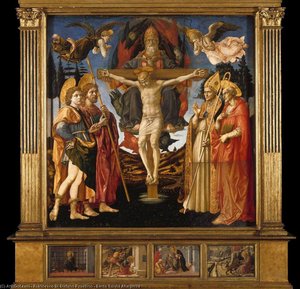
  2. The Holy Trinity with the Virgin, St. John and Two Donors by Masaccio2Masaccio
  3. The baptism of Christ, approx.1442, NG LONDON by Piero della Francesca3Piero della Francesca

In brief

Early Renaissance in brief

  • 62Artists
  • 1280–1475Years of birth
  • 4Countries of birth
  • 0Women
  • 1Living artists
  • 5,104Works in our catalogue
Cities with most births
Florence (20), Siena (8), Venice (5), Ferrara (3)

One artist at a time

62 Early Renaissance Artists and their signature works

1of 62

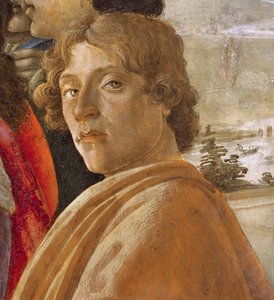
Sandro Botticelli

Italian Born in Florence Early Renaissance Wikipedia in 31/32 languages
Sandro Botticelli

His hand moved with a specific, rhythmic grace. This precision allowed him to build up layers of tempera paint, which provided a way to render fine details and maintain a clear, bright color palette. For nearly three centuries, his paintings sat in quiet corners, overshadowed by the heavy presence of High Renaissance figures.

Where to see Walking through the halls of the Galleria degli Uffizi in Florence, one finds his most famous subjects.

Pupil of Filippo Lippi #8

Signature works · The 100 signature works

2of 62

Masaccio

Italian Born in San Giovanni Valdarno Early Renaissance Wikipedia in 31/32 languages

Masaccio

Significant Works: San Giovenale Triptych (c. 1422): An early work demonstrating his developing skill in perspective and naturalistic representation. Anne (c. 1423-1425): A collaboration with Masolino, showcasing Masaccio’s emerging realism alongside Masolino's more traditional style. Influence on Subsequent Artists: Masaccio’s work profoundly influenced generations of painters, including Donatello, Leonardo da Vinci, Michelangelo, and Raphael.

Signature works · The 100 signature works

3of 62

Piero della Francesca

Italian Born in Sansepolcro Early Renaissance Wikipedia in 30/32 languages

Piero della Francesca

Piero’s development was rooted in the provincial stillness of Sansepolcro, Tuscany. His early instruction likely came from local Sienese masters active in the town, providing a foundation of traditional technique before he moved toward the more radical shifts of the Renaissance. Giovanni Santi, who studied under Piero, became the father of Raphael, passing down a foundation of perspective and composition that would define the next generation of Italian art.

Where to see The National Gallery in London provides a direct look at The Baptism of Christ, a work that demonstrates his command over light and spatial division.

Pupil of Domenico Veneziano #16

Signature works · The 100 signature works

4of 62

Fra Angelico

Italian Born in Vicchio Early Renaissance Wikipedia in 31/32 languages

Fra Angelico

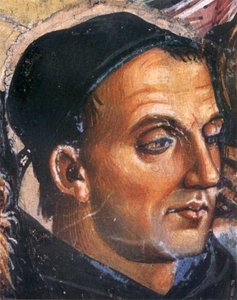
These early habits of the brush reveal a hand accustomed to the meticulous precision of manuscript illumination. Every choice on the panel was tied to his life as a Dominican friar. This recognition continued in 1984, when the same Pope declared him the patron of artists.

Pupil of Lorenzo Monaco #22 · Teacher of Zanobi Strozzi #52, Benozzo Gozzoli #12

Signature works · The 100 signature works

5of 62

Andrea Mantegna

Italian Born in Isola Mantegna Early Renaissance Wikipedia in 30/32 languages

Andrea Mantegna

Born near Padua around 1431, Andrea Mantegna entered the world of art through a complex and somewhat contentious apprenticeship. His social and professional standing continued to expand through strategic connections; in 1453, he married into the Venetian Bellini firm, a move that linked his burgeoning career to one of the most significant artistic lineages in the region. Within Italy, his stylistic innovations traveled through his family connections, notably affecting his brother-in-law Giovanni Bellini.

Where to see The physical presence of Mantegna’s vision remains scattered across the major cultural centers of Europe and the Americas.

Signature works · The 100 signature works

6of 62

Paolo Uccello

Italian Born in Pratovecchio Wikipedia in 31/32 languages

Paolo Uccello

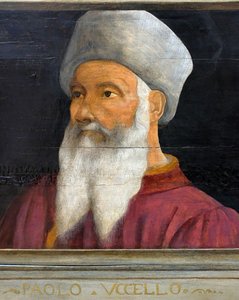
Uccello was as much a mathematician as he was a painter. By applying a scientific method to the canvas, he attempted to translate the complexities of three-dimensional space into a two-dimensional plane. Uccello’s impact on the trajectory of Western art is found in his rigorous investigation of spatial logic.

Where to see In Florence, his presence remains deeply integrated into the city's architecture.

Signature works · The 100 signature works

7of 62

Domenico Ghirlandaio

Italian Born in Florence Early Renaissance Wikipedia in 31/32 languages

Domenico Ghirlandaio

While perhaps less celebrated than some of his contemporaries like Leonardo da Vinci or Raphael, Ghirlandaio’s work offers a unique window into the world of Renaissance Florence – a world where faith, commerce, and artistic innovation converged to create an era of unparalleled cultural achievement.

Signature works · The 100 signature works

8of 62

Filippo Lippi

Italian Born in Florence Early Renaissance Wikipedia in 30/32 languages

Filippo Lippi

It’s during this period that art historian Giorgio Vasari recounts how Lippi became captivated by Masaccio's groundbreaking frescoes in the Brancacci Chapel – an encounter that proved pivotal. The impact of Masaccio’s naturalism and innovative use of light is clearly visible in Lippi’s early works, such as the Tarquinia Madonna, where a newfound realism begins to emerge. Among his most distinguished pupils were Sandro Botticelli and Francesco di Pesello (Pesellino), both of whom would go on to achieve significant acclaim in their own right.

Pupil of Masolino da Panicale #13, Masaccio #2 · Teacher of Sandro Botticelli #1, Francesco Pesellino #28

Signature works · The 100 signature works

9of 62

Antonello Di Giovanni Di Antonio (Antonello Da Messina)

Italian Born in Messina Early Renaissance, Flemish influence

Antonello Di Giovanni Di Antonio (Antonello Da Messina)

Antonello di Giovanni di Antonio, more commonly known as Antonello da Messina (c. 1430 – February 1479), stands as a pivotal figure in the transition from Early Renaissance to High Renaissance art. Despite his relatively short career—he died in 1479 at the age of only 49—Antonello da Messina left an indelible mark on the history of Italian art.

Signature works · The 100 signature works

10of 62

Donatello

Italian Born in Florence Early Renaissance Wikipedia in 31/32 languages

Donatello

Born in Florence, Italy, Donatello grew up in a city that acted as the primary epicenter for the burgeoning Renaissance. His connection to the Florentine landscape was deep, as the city's evolving values shaped his early approach to form and figure. Donatello's approach to form did not find immediate acceptance within his community.

Pupil of Bicci Di Lorenzo #41

Signature works · The 100 signature works

11of 62

Antonio del Pollaiuolo

Italian Born in Florence Renaissance Wikipedia in 23/32 languages

Antonio del Pollaiuolo

Antonio del Pollaiuolo’s artistic output spanned diverse media, each showcasing his unique vision. The addition of the infant Romulus and Remus to an existing bronze she-wolf sculpture stands as a testament to his skill in metalwork, demonstrating both technical prowess and artistic sensitivity. He later returned to Florence to oversee work on the sacristy of Santo Spirito before ultimately passing away in Rome in 1498.

Pupil of Andrea del Castagno #23

Signature works · The 100 signature works

12of 62

Benozzo Gozzoli

Italian Born in Florence International Gothic, Early Renaissance Wikipedia in 25/32 languages

Benozzo Gozzoli

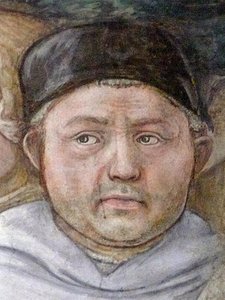
There, under the watchful eye of Pope Eugene IV, he worked within the Vatican Palace. Women at the Tomb (detail) - Convent of San Marco, Florence.

Where to see There, within the Palazzo Medici-Riccardi, the walls of the Magi Chapel hold the details of the procession of the Magi.

Pupil of Fra Angelico #4

Signature works · The 100 signature works

13of 62

Masolino da Panicale

Italian Born in Panicale Early Renaissance Wikipedia in 23/32 languages

Masolino da Panicale

Technical Pioneering: His early and influential experimentation with oil mediums to achieve greater luminosity. Collaborative Brilliance: The creation of a transformative artistic dialogue through his work alongside Masaccio in the Brancacci Chapel. As we look back upon his life and achievements, several key elements define his place in the pantheon of great masters: The Synthesis of Styles: His unique ability to blend Gothic decorative beauty with Renaissance structural innovation.

Pupil of Lorenzo Ghiberti #19

Signature works · The 100 signature works

15of 62

Cosimo Tura

Italian Born in Ferrara Early Renaissance Wikipedia in 24/32 languages

Cosimo Tura

Born around 1430 in the vibrant ducal city of Ferrara, Italy, Cosmè Tura emerged from humble beginnings – his father was a shoemaker named Domenico – to become one of the most distinctive and influential painters of the Early Renaissance. He is rightfully considered a founder of the School of Ferrara, an artistic movement that flourished in the late 15th century and exerted considerable influence on subsequent generations of Italian painters.

Signature works · The 100 signature works

16of 62

Domenico Veneziano

Italian Born in Venice Early Renaissance Wikipedia in 21/32 languages

Domenico Veneziano

Born around 1410 in the vibrant maritime atmosphere of Venice, his life’s journey would eventually lead him to become a pivotal figure in the Florentine school. The structural clarity he helped establish, combined with his emotive use of luminosity, can be seen echoed in the works of later giants like Andrea Mantegna, who drew inspiration from the sophisticated spatial arrangements Veneziano perfected.

Pupil of Masolino da Panicale #13, Masaccio #2, Donatello #10 · Teacher of Piero della Francesca #3

Signature works · The 100 signature works

17of 62

Francesco del Cossa

Italian Born in Ferrara Italian Renaissance Wikipedia in 17/32 languages

Francesco del Cossa

Specific frescoes attributed to del Cossa include the "Allegory of May – Triumph of Apollo," notable for its striking depiction of a multitude of naked toddlers arranged in a visually arresting formation, and the “ Allegory of April,” which features an early representation of the Three Graces, predating Botticelli’s famous version. His brief but impactful period in Bologna under the patronage of the Bentivoglio family further refined his style, leading to some of his most celebrated portraits.

Teacher of Ercole De' Roberti #25

Signature works · The 100 signature works

18of 62

Sassetta

Italian Born in Siena Late Gothic, Sienese School Wikipedia in 17/32 languages

Sassetta

He ensured that the unique identity of the Sienese School did not vanish in the face of Florentine dominance, but instead evolved to include the new language of realism and depth.

Teacher of Sano di Pietro #51

Signature works · The 100 signature works

19of 62

Lorenzo Ghiberti

Italian Born in Florence Early Renaissance Wikipedia in 28/32 languages

Lorenzo Ghiberti

Ghiberti entered this arena alongside some of the era's brightest minds, including the formidable Filippo Brunelleschi. He began work on the North Doors, a project that would consume over two decades and transform the Baptistery into a showcase of Renaissance artistry. Born in 1378 near Florence, Italy, Lorenzo di Bartolo – a name that would become synonymous with artistic innovation as Lorenzo Ghiberti – embarked on a journey that would redefine the possibilities of sculpture.

Signature works · The 100 signature works

20of 62

Carlo Crivelli

Italian Born in Venice Late Gothic, Venetian Gothic Wikipedia in 23/32 languages

Carlo Crivelli

He was a master of trompe l'oeil, using paint to mimic the physical world with startling accuracy. This combination of the highly decorative and the intensely realistic created a visual language that was uniquely his own, characterized by: A strong linear decorative sense. The works he left behind, many of which reside in collections such as the Pinacoteca di Brera and the National Gallery, reveal a painter of immense technical skill.

Signature works · The 100 signature works

21of 62

Cosimo Rosselli

Italian Born in Florence Early Renaissance Wikipedia in 24/32 languages

Cosimo Rosselli

Upon returning to Florence from Rome, Rosselli continued to receive a steady flow of commissions for altarpieces, frescoes, and panel paintings. His mature style blossomed during this period, characterized by refined compositions, elegant figures, and increasingly detailed landscapes. His participation in the Sistine Chapel frescoes helped solidify Florence’s position as a leading center of artistic innovation, and his own works demonstrate his ability to synthesize diverse influences into a distinctive and refined style.

Teacher of Francesco Botticini #29

Signature works · The 100 signature works

22of 62

Lorenzo Monaco

Italian Born in Siena Gothic, Early Renaissance Wikipedia in 22/32 languages

Lorenzo Monaco

Lorenzo Monaco, born Piero di Giovanni around 1370 in Siena, occupies a fascinating and pivotal position in the transition from the Gothic grace of the Trecento to the burgeoning Renaissance ideals of the Quattrocento. He demonstrated that artistic excellence could flourish within the confines of established conventions, enriching them with individual expression and spiritual depth.

Teacher of Fra Angelico #4

Signature works · The 100 signature works

23of 62

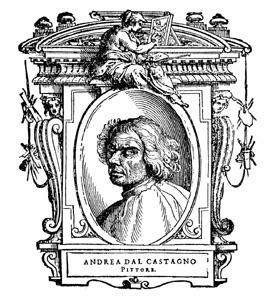
Andrea del Castagno

Italian Born in San Godenzo Early Renaissance Wikipedia in 24/32 languages

Andrea del Castagno

The Assumption with Saints Julian and Miniato (c. 1449-1450), now housed in Berlin, further exemplifies his evolving style, while the frescoes at Villa Carducci (c. 1449-1450) – a series of portraits including luminaries like Pippo Spano, Farinata degli Uberti, Dante, and Petrarch – demonstrate his skill in capturing individual character and intellectual presence. Cosme Tura, Francesco del Cossa, and Ercole de’ Roberti all demonstrate a clear debt to Castagno's innovations, carrying forward his legacy of naturalistic representation and psychological depth.

Signature works · The 100 signature works

24of 62

Filippo Brunelleschi

Italian Born in Florence Early Renaissance

Filippo Brunelleschi

His most celebrated triumph is undoubtedly the dome of Florence Cathedral—a feat that had baffled architects for decades. Other notable projects—the Spedale degli Innocenti (foundling hospital), Palazzo Rucellai, and the Basilica di San Lorenzo —all bear the hallmarks of his distinctive style: a harmonious blend of classical inspiration and innovative structural solutions. His participation in the 1401 competition for the Florence Baptistery doors, though ultimately unsuccessful against Lorenzo Ghiberti, revealed a burgeoning talent and a bold artistic vision.

Signature works · The 100 signature works

25of 62

Ercole De' Roberti

Born in Ferrara Wikipedia in 19/32 languages

Ercole De' Roberti

Pinpointing de’ Roberti's early influences is challenging due to the scarcity of documented training. He also demonstrated a fascination with Northern European painting, particularly the work of Jan van Eyck, evident in his meticulous attention to texture and light.

Pupil of Francesco del Cossa #17

Signature works · The 100 signature works

26of 62

Piero del Pollaiuolo

Italian Born in Florence Renaissance Painting Wikipedia in 17/32 languages

Piero del Pollaiuolo

He skillfully employed techniques borrowed from sculpture, particularly contrapposto—a pose in which the torso tilts slightly away from the pelvis—creating figures imbued with palpable movement and conveying psychological depth. Portrait of Galeazzo Maria Sforza: This portrait exemplifies Pollaiuolo’s ability to convey psychological nuance through meticulous anatomical detail—revealing Sforza’s regal bearing and conveying his commanding presence. His anatomical studies served as inspiration for artists striving to achieve greater accuracy in portraying the human form —a pursuit that extended beyond Florence and resonated throughout Europe.

Signature works · The 100 signature works

27of 62

Domenico di Michelino

Italian Born in Florence Florentine School; Fra Angelico Style Wikipedia in 13/32 languages

Domenico di Michelino

Born in Florence around 1417, Domenico’s artistic journey began under the tutelage of Michelino Buonarroti—a sculptor renowned for his work on Michelangelo’s David—establishing a lineage of artistic excellence within the city's creative milieu. However, Domenico's work distinguishes itself through a subtle dynamism and expressive handling of color—characteristics that reflect the broader artistic currents of the Florentine Renaissance.

Signature works · The 100 signature works

28of 62

Francesco Pesellino

Italian (Florentine) Born in Florence Early Renaissance, Florentine Wikipedia in 15/32 languages

Francesco Pesellino

Pesellino’s artistic style is immediately recognizable, distinguished by its exceptional refinement and a deliberate avoidance of grand gestures. Vasari, in his Lives of the Most Excellent Painters, Painter, Sculptors, and Architects, famously noted Pesellino’s contribution to Lippi's altarpiece for Santa Croce. His style, characterized by its meticulous detail, subtle color harmonies, and intimate emotionality, anticipated the developments of later Florentine painters such as Verrocchio and the Pollaiuoli family.

Pupil of Filippo Lippi #8

Signature works · The 100 signature works

29of 62

Francesco Botticini

Italian Born in Florence Early Renaissance Wikipedia in 13/32 languages

Francesco Botticini

His style, heavily influenced by the lyrical elegance of Botticelli and the structural clarity of Filippino Lippi, often centered on religious narratives that invited deep contemplation. Whether depicting the scholarly weight of Saint Jerome or the tender grace of the Madonna, Botticini possessed a unique gift for capturing the emotional gravity of his subjects. While history often casts the spotlight on the monumental shadows of Leonardo da Vinci or Michelangelo, Botticini’s work offers a window into a period of exquisite transition, where the rigid structures of medieval devotion began to melt into the humanistic grace of the Renaissance.

Pupil of Cosimo Rosselli #21

Signature works · The 100 signature works

30of 62

Antoniazzo Romano

Italian Born in Rome Early Renaissance Wikipedia in 16/32 languages

Antoniazzo Romano

He was an artist who found beauty in the archaic, often making a specialty of repainting or interpreting older images or generating new cult images that possessed a distinct, ancient flavor. He utilized rich details and serene compositions that reflected the burgeoning Renaissance spirit, yet he anchored them in a classical and Byzantine -influenced gravity. The historical significance of Antoniazzo Romano lies in his ability to serve the spiritual needs of a changing Rome.

Signature works · The 100 signature works

31of 62

Bartolomé Bermejo

Spanish Born in Córdoba Hispano-Flemish, Early Renaissance Wikipedia in 14/32 languages

Bartolomé Bermejo

Through his monumental triptych of the Virgin of Montserrat in València and his unfinished high altar retables in Santo Domingo de Silos and Santa Anna in Barcelona, he demonstrated an unparalleled skill and ambition that pushed the boundaries of Spanish art.

Signature works · The 100 signature works

32of 62

Benedetto Da Maiano

Born in Maiano

Benedetto Da Maiano

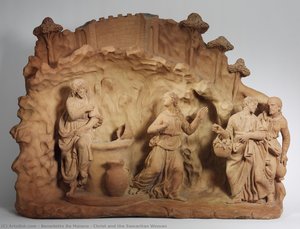
He represents a bridge between the innovations of Donatello and Verrocchio and the later achievements of Michelangelo and Leonardo da Vinci, solidifying his place as a pivotal figure in the history of Italian art.

Signature works · The 100 signature works

33of 62

Antonio Vivarini

Venetian Born in Murano Venetian Renaissance Wikipedia in 17/32 languages

Antonio Vivarini

Throughout the 1470s and early 1480s, Vivarini was in high demand as a painter by Venetian patrons. He created several significant altarpieces for prominent churches within the city, including those in San Giovanni e Paolo, Santa Maria dei Frari, and San Giovanni in Bragora. While often overshadowed by the more flamboyant styles of Antonello da Messina and Andrea Mantegna, Bartolommeo Vivarini’s contribution to Venetian art is profound.

Signature works · The 100 signature works

34of 62

Jacopo della Quercia

Italian Born in Monteroni di Lecce Early Renaissance

Jacopo della Quercia

Born in Monteroni di Lecce around 1374 and tragically dying in Bologna in 1438, his life was a tapestry woven with commissions, rivalries, and a profound engagement with both classical antiquity and the evolving sensibilities of his time. Jacopo’s journey continued eastward to Ferrara in 1403, where he was commissioned to sculpt the marble Virgin and Child for the city's cathedral.

Signature works · The 100 signature works

37of 62

Lorenzo Veneziano

Italian Born in Venice Byzantine art Wikipedia in 11/32 languages

Lorenzo Veneziano

The Master favored a rich, jewel-toned palette – deep blues, vibrant reds, and shimmering golds – reminiscent of Byzantine iconography. He absorbed the lessons of Giotto and Maso di Banco, incorporating elements of naturalism and human emotion into his compositions while retaining the formal elegance and spiritual depth of Byzantine art. Another significant early work is the panel depicting the Virgin Mary with Child, formerly located in the church of Popiglio and now residing in the Museo Civico in Pistoia.

Signature works · The 100 signature works

38of 62

Ugolino di Nerio

Italian Born in Siena Sienese painting Wikipedia in 13/32 languages

Ugolino di Nerio

Ugolino di Nerio, a name largely absent from mainstream art historical narratives, stands as a pivotal figure in the burgeoning artistic landscape of Siena and Florence during the 1320s. Duccio's Maestà, completed around 1308-1311, served as a crucial touchstone for Ugolino, providing both inspiration and a framework for his own artistic explorations.

Signature works · The 100 signature works

39of 62

Taddeo di Bartolo

Italian Born in Siena Early Renaissance Wikipedia in 13/32 languages

Taddeo di Bartolo

His compositions often feature: Luminous Pigments: A palette rich in ultramarine, vermilion, and gold leaf that reflects the divine splendor of his subjects. Architectural Precision: The use of structured backgrounds to ground holy figures within a tangible, albeit idealized, reality. The historical significance of Taddeo di Bartolo lies in his role as a custodian of Sienese identity during a period of immense change.

Signature works · The 100 signature works

40of 62

Alunno Di Domenico (Bartolomeo Di Giovanni)

Italian Born in Florence Renaissance

Alunno Di Domenico (Bartolomeo Di Giovanni)

What distinguishes Bartolomeo's work is not a radical departure, but rather a refinement of Ghirlandaio’s style. The “ Scenes from the Life of St John the Baptist ” are particularly noteworthy for their evocative storytelling and the artist’s ability to capture fleeting moments of emotion. Bartolomeo's artistic development is inextricably linked to his apprenticeship with Domenico Ghirlandaio.

Signature works · The 100 signature works

41of 62

Bicci Di Lorenzo

Italian Born in Florence Florentine School Wikipedia in 8/32 languages

Bicci Di Lorenzo

Lorenzo’s most ambitious undertaking was undoubtedly the cycle of frescoes adorning Palazzo Medici—commissioned by Cosimo I de' Medici—a project that cemented his reputation as a leading artist of his time. The frescoes served not only as decorative embellishments but also as powerful statements of Medici patronage—demonstrating the transformative role that aristocratic commissions played in shaping artistic trends. Furthermore, Lorenzo's engagement with the Guild of Saint Luke facilitated access to artistic resources and fostered connections within Florence’s vibrant cultural milieu.

Signature works · The 100 signature works

42of 62

Alvise Vivarini (Luigi Vivarini)

Italian Born in Venice Early Renaissance

Alvise Vivarini (Luigi Vivarini)

Emerging from a lineage deeply embedded in the Venetian tradition—most notably under the influence of his relative, Castagno Vivarini—Alvise possessed an innate understanding of the city's unique light and its ability to dance across surfaces.

Signature works · The 100 signature works

43of 62

Sebastiano Mainardi

Italian Born in San Gimignano Early Renaissance

Sebastiano Mainardi

Born in the picturesque hilltop town of San Gimignano around 1460, Mainardi’s artistic journey was deeply rooted in the fertile soil of Tuscany.

Signature works · The 100 signature works

44of 62

Neroccio di Bartolomeo de' Landi

Italian Born in Siena Early Renaissance Wikipedia in 12/32 languages

Neroccio di Bartolomeo de' Landi

Around 1468, Neroccio entered into a significant collaboration with Francesco di Giorgio Martini, an architect, painter, and engineer who would become a lifelong associate. While working alongside di Giorgio, Neroccio began to develop his own distinct style—one that subtly diverged from the prevailing trends. In 1483, he designed the Hellespontine Sybil for the mosaic pavement of Siena Cathedral—a testament to his skill as a designer and draftsman.

Signature works · The 100 signature works

45of 62

Matteo Di Giovanni

Italian Born in Sansepolcro Sienese School, Renaissance Wikipedia in 11/32 languages

Matteo Di Giovanni

Born around 1435 in Borgo San Sepolcro, Matteo’s journey was one of migration and metamorphosis.

Signature works · The 100 signature works

46of 62

Konrad Von Soest

Born in Dortmund International Gothic

Konrad Von Soest

In the vibrant heart of Westphalia, during the turn of the 15th century, Konrad von Soest emerged as a transformative figure in Northern European painting. Whether depicting the tender grace of the Holy Family or the heavy grief of the Passion, von Soest’s hand is unmistakable, marked by an ability to marry the decorative splendor of the Gothic tradition with a deeply moving, humanistic touch.

Signature works · The 100 signature works

47of 62

Nicolas Froment

French Born in Uzès Early Renaissance; Flemish Style Wikipedia in 14/32 languages

Nicolas Froment

He achieved considerable renown for his monumental altarpiece commissioned in Aix-en-Provence for Catherine Spifami, depicting the Passion of Christ and incorporating scenes from Mary Magdalene's life—a testament to the prevailing devotional fervor of the time. He stands as a pivotal conduit for disseminating Flemish artistic innovations, propelling the Second School of Avignon toward a more expressive and realistic aesthetic.

Signature works · The 100 signature works

48of 62

Jacopo da Sellaio

Italian Born in Florence Early Renaissance Wikipedia in 9/32 languages

Jacopo da Sellaio

He absorbed Botticelli's ability to create figures imbued with a sense of ethereal beauty and emotional depth. This synthesis of influences allowed him to develop a distinctive voice, blending traditional techniques with the emerging artistic trends of the Renaissance. Simultaneously, Jacopo drew inspiration from Domenico Ghirlandaio’s realistic portrayals of figures and meticulous attention to detail—a grounding influence that prevented his work from becoming overly stylized or mannered.

Signature works · The 100 signature works

49of 62

Fra Carnevale

Italian Born in Urbino Quattrocento Wikipedia in 7/32 languages

Fra Carnevale

He acted as a vital bridge between the early experiments of the 15th century and the High Renaissance perfection achieved by masters like Bramante and Raphael.

Signature works · The 100 signature works

50of 62

Giovanni di ser Giovanni Guidi

Italian Born in San Giovanni Valdarno Early Renaissance Wikipedia in 8/32 languages

Giovanni di ser Giovanni Guidi

While his brother Masaccio is celebrated as the pioneer of groundbreaking realism, Giovanni di Ser Giovanni —affectionately known to history as Lo Scheggia, or "the splinter"—carved out a legacy defined by a different, more delicate kind of mastery.

Signature works · The 100 signature works

51of 62

Sano di Pietro

Italian Born in Siena Sienese School Wikipedia in 9/32 languages

Sano di Pietro

Sano di Pietro, born around 1405/06, remains a name that resonates with the grandeur and ethereal beauty characteristic of Sienese painting during the Quattrocento.

Pupil of Sassetta #18

Signature works · The 100 signature works

53of 62

Lazzaro Bastiani

Italian Born in Padua Renaissance Wikipedia in 11/32 languages

Lazzaro Bastiani

As his career progressed, Bastiani’s work became a bridge between the structured, linear traditions of the early Renaissance and the more fluid, color-driven approach that would eventually define the High Renaissance in Venice. His legacy is found in: The development of the Venetian altarpiece: Refining the use of religious iconography to serve both church and state. While his output wasn’t as prolific or celebrated as contemporaries like Titian or Bellini, Bastiani nonetheless contributed substantially to the stylistic evolution of Venetian painting, particularly within the Scuola Grande di San Marco and its associated workshops.

Signature works · The 100 signature works

54of 62

Andrea Vanni

Italian Born in Siena Early Renaissance Wikipedia in 8/32 languages

Andrea Vanni

From Martini, Vanni inherited a penchant for lyrical lines and a certain ethereal quality, while from Lorenzetti, he drew a sense of weight and emotional presence. In this masterpiece, the viewer is confronted with a central portrait of the Virgin and Child that commands the space through sheer coloristic brilliance. Born around 1332, Vanni’s life unfolded during a transformative era for Italian art, a period where the delicate elegance of the Gothic tradition began to meet the burgeoning structural ambitions of the Renaissance.

Signature works · The 100 signature works

55of 62

Benedetto Bonfigli

Italian Born in Perugia Umbrian Renaissance Wikipedia in 9/32 languages

Benedetto Bonfigli

In the heart of the Umbrian Renaissance, a period defined by spiritual luminosity and the dawn of humanistic perspective, the name Benedetto Bonfigli emerges as a vital architect of visual devotion.

Signature works · The 100 signature works

56of 62

Antonio Vivarini

Born in Murano Early Renaissance-late Gothic

Antonio Vivarini

Working primarily within the Republic of Venice, Vivarini occupied a unique historical space, bridging the transition between the ornate elegance of the late Gothic period and the burgeoning humanism of the early Renaissance.

Signature works · The 100 signature works

57of 62

Nanni D Antonio Di Banco

Italian Born in Florence Early Renaissance

Nanni D Antonio Di Banco

Nanni di Banco’s most celebrated achievement is undoubtedly the Quattro Santi Coronati (Four Crowned Martyrs), commissioned between 1412 and 1415 for the Orsanmichele church in Florence.

Signature works · The 100 signature works

58of 62

Nanni Di Bartolo

Italian Early Renaissance

Nanni Di Bartolo

Reflecting on his body of work, several key elements define his artistic identity: Stylistic Versatility: The ability to merge the structural rigor of Florentine sculpture with the lyrical beauty of the International Gothic. Though his life ended in 1451, leaving behind a fragmented biographical record, the echoes of "il Rosso" remain etched in the very fabric of Italian art history. Cultural Diffusion: Acting as a bridge between the artistic epicenters of Florence and the burgeoning markets of Venice and Northern Italy.

Signature works · The 100 signature works

59of 62

Pietro Di Giovanni D'Ambrogio

Italian Born in Siena Renaissance art Wikipedia in 6/32 languages

Pietro Di Giovanni D'Ambrogio

His early works, such as the celebrated “ Adoration of the Shepherds ” with Saint Augustine and Saint Galgano (circa 1430-1435), demonstrate a masterful command of composition and a burgeoning interest in depicting human emotion. D’ Ambrogio’s artistic development was undoubtedly shaped by the prevailing trends of the early Renaissance, particularly those emanating from Florence.

Signature works · The 100 signature works

60of 62

Bartolomeo di Fruosino

Italian Born in Florence Renaissance Art Wikipedia in 5/32 languages

Bartolomeo di Fruosino

Fruosino’s artistic vision was undeniably shaped by Lorenzo Monaco —a Florentine humanist painter who championed classical ideals and advocated for a restrained aesthetic characterized by clarity of form and luminous color palettes.

Signature works · The 100 signature works

61of 62

Master Of The Osservanza

Italian Late Gothic Wikipedia in 8/32 languages

Master Of The Osservanza

While definitively named only recently thanks to meticulous research by Maria Falcone, this artist—now recognized as Sano di Pietro —left behind a remarkable cycle of eight panels depicting scenes from the life of Saint Anthony Abbot, works that continue to captivate viewers with their haunting beauty and psychological depth. Despite his anonymity for centuries, the Master of the Osservanza's work has exerted a significant influence on subsequent generations of Italian painters.

Signature works · The 100 signature works

62of 62

Master of the Nativity of Castello

Italian Proto-Renaissance Wikipedia in 4/32 languages

Master of the Nativity of Castello

A key feature of his work is the variation in the presentation of the infant Jesus within Mary’s arms – a subtle but significant departure from the static poses often found in earlier depictions. Artists like Giotto, Masaccio, and Donatello were challenging established conventions and experimenting with new techniques – paving the way for the High Renaissance.

Signature works · The 100 signature works

Signature works

Signature Early Renaissance works

  1. The Birth Of Venus by Sandro Botticelli

    The Birth Of Venus

    Sandro Botticelli

    1485 · Galleria degli Uffizi, Florence

  2. The Holy Trinity with the Virgin, St. John and Two Donors by Masaccio

    The Holy Trinity with the Virgin, St. John and Two Donors

    Masaccio

  3. The baptism of Christ, approx.1442, NG LONDON by Piero della Francesca

    The baptism of Christ, approx.1442, NG LONDON

    Piero della Francesca

    National Gallery, London

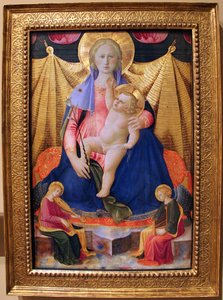
  4. Madonna of Humility by Fra Angelico

    Madonna of Humility

    Fra Angelico

    1440 · Rijksmuseum, Amsterdam

  5. Agony in the Garden by Andrea Mantegna

    Agony in the Garden

    Andrea Mantegna

    1459 · National Gallery, London

  6. St. George and the Dragon by Paolo Uccello

    St. George and the Dragon

    Paolo Uccello

    1456 · National Gallery, London

  7. The last supper, ognissanti firenze by Domenico Ghirlandaio

    The last supper, ognissanti firenze

    Domenico Ghirlandaio

  8. Madonna with Child (Tarquinia Madonna) by Filippo Lippi

    Madonna with Child (Tarquinia Madonna)

    Filippo Lippi

    1437 · Galleria Nazional d Art Antica, Rome

A timeline

Early Renaissance through its signature works

  1. 1324
  2. 1397
  3. 1406
  4. 1414
  5. 1437
  6. 1440
  7. 1445
  8. 1450
  9. 1450
  10. 1455
  11. 1459
  12. 1465
  13. 1475
  14. 1480

Figures

The figures

Every name

List of 62 famous Early Renaissance artists, every name

  1. 1Sandro BotticelliSandro BotticelliItalian · 1445–1510
  2. 2MasaccioMasaccioItalian · 1401–1428
  3. 3Piero della FrancescaPiero della FrancescaItalian · 1415–1492
  4. 4Fra AngelicoFra AngelicoItalian · 1395–1455
  5. 5Andrea MantegnaAndrea MantegnaItalian · 1431–1506
  6. 6Paolo UccelloPaolo UccelloItalian · 1397–1475
  7. 7Domenico GhirlandaioDomenico GhirlandaioItalian · 1448–1494
  8. 8Filippo LippiFilippo LippiItalian · 1406–1469
  9. 9Antonello Di Giovanni Di Antonio (Antonello Da Messina)Antonello Di Giovanni Di Antonio (Antonello Da Messina)Italian · 1430–1479
  10. 10DonatelloDonatelloItalian · 1386–1466
  11. 11Antonio del PollaiuoloAntonio del PollaiuoloItalian · 1429–1498
  12. 12Benozzo GozzoliBenozzo GozzoliItalian · 1420–1497
  13. 13Masolino da PanicaleMasolino da PanicaleItalian · 1383–1447
  14. 14Jacopo BelliniJacopo BelliniItalian · 1400–1470
  15. 15Cosimo TuraCosimo TuraItalian · 1430–1495
  16. 16Domenico VenezianoDomenico VenezianoItalian · 1410–1461
  17. 17Francesco del CossaFrancesco del CossaItalian · 1436–1477
  18. 18SassettaSassettaItalian · 1392–1450
  19. 19Lorenzo GhibertiLorenzo GhibertiItalian · 1378–1455
  20. 20Carlo CrivelliCarlo CrivelliItalian · 1435–1495
  21. 21Cosimo RosselliCosimo RosselliItalian · 1439–1507
  22. 22Lorenzo MonacoLorenzo MonacoItalian · 1370–1425
  23. 23Andrea del CastagnoAndrea del CastagnoItalian · 1420–1457
  24. 24Filippo BrunelleschiFilippo BrunelleschiItalian · 1377–1446
  25. 25Ercole De' RobertiErcole De' Roberti1450–1496
  26. 26Piero del PollaiuoloPiero del PollaiuoloItalian · 1443–1496
  27. 27Domenico di MichelinoDomenico di MichelinoItalian · 1417–1491
  28. 28Francesco PesellinoFrancesco PesellinoItalian (Florentine) · 1422–1457
  29. 29Francesco BotticiniFrancesco BotticiniItalian · 1446–1498
  30. 30Antoniazzo RomanoAntoniazzo RomanoItalian · 1430–1508
  31. 31Bartolomé BermejoBartolomé BermejoSpanish · 1440–1500
  32. 32Benedetto Da MaianoBenedetto Da Maiano1446–1497
  33. 33Antonio VivariniAntonio VivariniVenetian · born 1416
  34. 34Jacopo della QuerciaJacopo della QuerciaItalian · 1374–1438
  35. 35Bicci Di NeriBicci Di Neri1418–1492
  36. 36Bernardo RossellinoBernardo RossellinoItalian · 1409–1464
  37. 37Lorenzo VenezianoLorenzo VenezianoItalian · 1336–1379
  38. 38Ugolino di NerioUgolino di NerioItalian · 1280–1330
  39. 39Taddeo di BartoloTaddeo di BartoloItalian · 1362–1422
  40. 40Alunno Di Domenico (Bartolomeo Di Giovanni)Alunno Di Domenico (Bartolomeo Di Giovanni)Italian · 1475–1503
  41. 41Bicci Di LorenzoBicci Di LorenzoItalian · 1350–1427
  42. 42Alvise Vivarini (Luigi Vivarini)Alvise Vivarini (Luigi Vivarini)Italian · 1446–1502
  43. 43Sebastiano MainardiSebastiano MainardiItalian · 1460–1513
  44. 44Neroccio di Bartolomeo de' LandiNeroccio di Bartolomeo de' LandiItalian · 1447–1500
  45. 45Matteo Di GiovanniMatteo Di GiovanniItalian · 1435–1495
  46. 46Konrad Von SoestKonrad Von Soest1370–1422
  47. 47Nicolas FromentNicolas FromentFrench · 1430–1484
  48. 48Jacopo da SellaioJacopo da SellaioItalian · 1442–1493
  49. 49Fra CarnevaleFra CarnevaleItalian · 1420–1484
  50. 50Giovanni di ser Giovanni GuidiGiovanni di ser Giovanni GuidiItalian · 1406–1486
  51. 51Sano di PietroSano di PietroItalian · 1405–1481
  52. 52Zanobi StrozziZanobi StrozziItalian Renaissance · 1412–1468
  53. 53Lazzaro BastianiLazzaro BastianiItalian · 1429–1512
  54. 54Andrea VanniAndrea VanniItalian · 1332–1414
  55. 55Benedetto BonfigliBenedetto BonfigliItalian · 1420–1496
  56. 56Antonio VivariniAntonio Vivarini1440–1480
  57. 57Nanni D Antonio Di BancoNanni D Antonio Di BancoItalian · 1380–1421
  58. 58Nanni Di BartoloNanni Di BartoloItalian · 1419–1451
  59. 59Pietro Di Giovanni D'AmbrogioPietro Di Giovanni D'AmbrogioItalian · 1410–1449
  60. 60Bartolomeo di FruosinoBartolomeo di FruosinoItalian · 1366–1441
  61. 61Master Of The OsservanzaMaster Of The OsservanzaItalian ·
  62. 62Master of the Nativity of CastelloMaster of the Nativity of CastelloItalian ·

Questions

Your questions

Read

Stories on OriginalUniqueArt.com

Other movements

Famous artists of other movements

Other periods

Famous artists across the periods

Famous paintings

Masterpieces that inspire us, by movement

Discover more

More artists to discover