Early Renaissance · 1430
The Annunciation (Fra Angelico, 1430)
Fra Angelico (1395–1455) made The Annunciation. It dates from 1430. It belongs to the Early Renaissance movement. It is made in fresco. It is kept at Museo del Prado in Madrid, Spain. It measures 194 × 194 cm.
- 1430
- Fresco
- 194 × 194 cm
- Museo del Prado, Madrid

 Hand Made Oil Painting
 Send
 Share
 Fact sheet


 Download
 Similars
 Diaporama
 Q&A

 Stats
The Annunciation, in brief
- Title
- The Annunciation
- Artist
- Fra Angelico (1395–1455)
- Artist born in
- Vicchio, Italy
- Date
- 1430
- Medium
- Fresco
- Dimensions
- 194 × 194 cm
- Where to see it
- Museo del Prado, Madrid, Spain
- Movement
- Early Renaissance
- Period
- Renaissance
- Subject
- annunciation, archangel, virgin mary, renaissance, religious art, divine encounter
What does The Annunciation depict?
The Divine Encounter: A Masterpiece of Renaissance Devotion
Step into the sacred realm of Fra Angelico's "The Annunciation," a masterpiece that captures the pivotal moment when the archangel Gabriel announces to the Virgin Mary that she will give birth to Jesus. This exquisite tempera-on-panel painting, created around 1430, is a testament to the artist's spiritual fervor and artistic brilliance, making it a cornerstone of Early Renaissance religious art.
A Harmony of Color and Composition
Fra Angelico's use of color is both vibrant and restrained, with earthy tones of greens, browns, and blues accented by rich reds and golds. The architectural framework, featuring arches and columns, guides the viewer's eye towards the central figures, creating a sense of depth and structure. The soft, diffused lighting enhances the divine atmosphere, highlighting the sacred nature of the scene.
Symbolism and Narrative
The painting is rich with symbolic elements that convey spiritual significance. The enclosed garden on the left symbolizes Mary's virginity, while the palm tree alludes to Christ's future martyrdom. The prophet in the medallion holds a scroll certifying the truth of his prophecy, reinforcing the divine narrative. These details invite contemplation and reflection, making the artwork a profound meditation on faith.
Historical Context and Legacy
Created during the Early Renaissance, this painting reflects the transition from medieval to Renaissance art. Fra Angelico's masterful use of perspective and his ability to infuse sacred scenes with emotional depth set him apart as one of the most revered artists of his time. The painting's history, including its looting during World War II and subsequent return to Italy, adds a layer of intrigue and cultural significance.
Emotional Impact and Inspiration
"The Annunciation" exudes a sense of serenity and divine presence that resonates with viewers. The harmonious composition and meticulous detail create an atmosphere of reverence and tranquility, making it a powerful addition to any collection or interior space. Whether you are an art lover, collector, or interior designer, this masterpiece offers a timeless source of inspiration and spiritual reflection.
Bringing the Masterpiece Home
Own a piece of Renaissance devotion with our high-quality reproduction of Fra Angelico's "The Annunciation." Each reproduction is meticulously crafted to capture the original's vibrant colors, intricate details, and emotional depth. Elevate your space with this iconic artwork, a testament to the enduring power of religious art and the genius of Fra Angelico.
Which museum holds The Annunciation?
Museo del Prado
Madrid, Spain
The History of Museo del Prado The origins of the Museo del Prado are tied to the Royal Collection of Spain, tracing back to the 18th century. What began as a vision for a Natural History Cabinet under Ferdinand VII eventually shifted toward a dedicated sanctuary for painting and sculpture. This transition transformed a scientific endeavor into a repository for the Spanish Crown's most significant treasures.


High-resolution images of The Annunciation

Fra Angelico, The Annunciation (1430), Museo del Prado. Public domain.
Questions on The Annunciation, answered
Which museum holds the original "The Annunciation"?
The original "The Annunciation" by Fra Angelico is held at the Museo del Prado, Madrid, Spain. A reproduction allows the work to be displayed at home.
In what year was "The Annunciation" by Fra Angelico created?
"The Annunciation" dates from 1430. The date places the work within Fra Angelico's career and its era.
What medium is "The Annunciation" by Fra Angelico executed in?
The medium of "The Annunciation" by Fra Angelico is fresco. Reproductions aim to render the appearance of this technique.
What size is "The Annunciation" by Fra Angelico in real life?
The recorded dimensions of "The Annunciation" by Fra Angelico are 194 x 194 cm. Reproductions can be ordered in other sizes while keeping the same proportions.
What subjects appear in "The Annunciation" by Fra Angelico?
"The Annunciation" by Fra Angelico depicts: annunciation, archangel, virgin mary, renaissance, religious art, divine encounter, medieval themes, spiritual devotion.
Can the image of "The Annunciation" by Fra Angelico be freely reproduced?
The copyright answer for "The Annunciation" by Fra Angelico: the work is in the public domain - its copyright has expired. This determines whether reproductions of the image may be freely made.
Who created "The Annunciation"?
"The Annunciation" is attributed to Fra Angelico.
What art movement does "The Annunciation" by Fra Angelico belong to?
The movement associated with "The Annunciation" by Fra Angelico is Early Renaissance. This classification situates the work among related artists and artworks.
Which period of Fra Angelico's career does "The Annunciation" belong to?
Within Fra Angelico's career, "The Annunciation" falls in the Early Renaissance. The phase helps compare it with the artist's other works.
About the artist, Fra Angelico
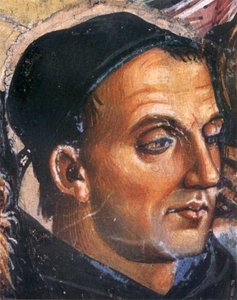
1395–1455, Italy
Fra Angelico
Early Life and Spiritual Formation Born Guido di Pietro in the Mugello, the man who would become known as Fra Angelico began his life in the Tuscan hills near Florence. Around 1395, he was known as Giovanni da Fiesole. His early years were shaped by the quiet landscape of this region. Eventually, the young Giovanni entered the Dominican Order at Fiesole.
Also by Fra Angelico
 Madonna with the Child, Saints and Crucifixion
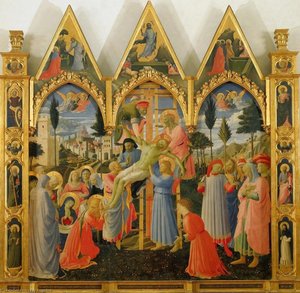 The Deposition
 Last Judgment1431
 The Cortona Altarpiece (The Annunciation)1433
Essays around The Annunciation
 Sacred Narratives: Decoding the Iconography and Artistry of the AnnunciationExplore the profound symbolism and mastery behind Renaissance Annunciation paintings. Discover the secrets of these sacred masterpieces now.
 Divine Beauty: The 25 Most Iconic Masterpieces by Fra AngelicoImmerse yourself in the ethereal beauty of Fra Angelico. Explore 25 iconic Renaissance masterpieces, from sacred frescoes to divine panel p…
 Antonello da Messina: Innovation, Devotion & the Sicilian Renaissance Master's Enduring LegacyExplore the groundbreaking art of Antonello da Messina, a pivotal figure of the Renaissance. Discover his innovative oil painting technique…