


1


Updated October 2026 · ranked by our popularity score (searches, visits and orders for each work) · 99 works by Yi Eungro in our catalogue
In short
To the gallery's eye, Yi Eungro's most famous painting is Untitled (1969), whose original hangs in the Lee Ungno Museum, Daegu. Composition (1970) and Composition (1970) complete the trio every eye recognises. Of the 99 works by Yi Eungro in our catalog, the gallery presents the 99 most famous below, each original with its year, its museum and what makes it unique.


This captivating piece draws its rich thematic wellspring from The travels of Marco Polo Series, a monumental body of work conceived by the masterful Korean-French artist, Yi Eungro. Far more than a mere depiction, this painting functions as a visual memoir—a dreamlike cartography of an unknown world viewed through the sophisticated lens of East Asian perspective meeting European curiosity. The very essence of the series speaks to cultural exchange and…

In the evocative depths of The Travels of Marco Polo Series, we encounter a world where the boundaries between historical chronicle and personal dreamscape dissolve. Created by the master Lee Ungno in 1980, this particular piece serves as a window into a lost narrative—a fragment of a grand, seventy-nine-painting odyssey that was intended for a book never published. This sense of "unseen history" lends the work an aura of profound…
 The travels of Marco Polo Series1980 · Lee Ungno Museum
12
 The travels of Marco Polo Series1980 · Lee Ungno Museum
13
 The travels of Marco Polo Series1980 · Lee Ungno Museum
14
 Composition1970 · Lee Ungno Museum
15
 The travels of Marco Polo Series1980 · Lee Ungno Museum
16
 Mask1985 · Lee Ungno Museum
17
 Composition1961 · Lee Ungno Museum
18
 Totem1966 · Lee Ungno Museum
19
 Composition1964 · Lee Ungno Museum
20
 Face1964 · Lee Ungno Museum
21
 Totem1964 · Lee Ungno Museum
22
 Composition1962 · Lee Ungno Museum
23
 Mask1965 · Lee Ungno Museum
24
 Composition1962 · Lee Ungno Museum
25
 Self-portrait1968 · Lee Ungno Museum
26
 People1967 · Lee Ungno Museum
27
 Composition1968 · Lee Ungno Museum
28
 Self-portrait1968 · Lee Ungno Museum
29
 Composition1970 · Lee Ungno Museum
30
 Composition1973 · Lee Ungno Museum
31
 Composition1971 · Lee Ungno Museum
32
 Composition1973 · Lee Ungno Museum
33
 Bamboo1976 · Lee Ungno Museum
34
 I Ching 64 Hexagrams Sequence(火天大有)1974 · Lee Ungno Museum
35
 I-ching-64-hexagrams (All)1974 · Lee Ungno Museum
36
 I Ching 64 Hexagrams Sequence (重澤兌)1974 · Lee Ungno Museum
37
 I Ching 64 Hexagrams Sequence (水澤節)1974 · Lee Ungno Museum
38
 I Ching 64 Hexagrams Sequence(重水坎)1974 · Lee Ungno Museum
39
 I Ching 64 Hexagrams Sequence (風山漸)1974 · Lee Ungno Museum
40
 I Ching 64 Hexagrams Sequence(火澤暌)1974 · Lee Ungno Museum
41
 I Ching 64 Hexagrams Sequence(雷天大壯)1974 · Lee Ungno Museum
42
 I Ching 64 Hexagrams Sequence(天水訟)1974 · Lee Ungno Museum
43
 I Ching 64 Hexagrams Sequence(風雷益)1974 · Lee Ungno Museum
44
 I Ching 64 Hexagrams Sequence(重火離)1974 · Lee Ungno Museum
45
 I Ching 64 Hexagrams Sequence(地水師)1974 · Lee Ungno Museum
46
 I Ching 64 Hexagrams Sequence(地火明夷)1974 · Lee Ungno Museum
47
 I Ching 64 Hexagrams Sequence (雷山小過)1974 · Lee Ungno Museum
48
 I Ching 64 Hexagrams Sequence(水山蹇)1974 · Lee Ungno Museum
49
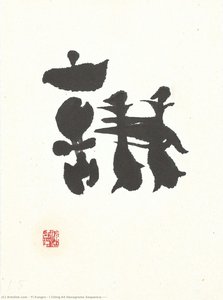 I Ching 64 Hexagrams Sequence(地山謙)1974 · Lee Ungno Museum
50
 I Ching 64 Hexagrams Sequence(天澤履)1974 · Lee Ungno Museum
51
 I Ching 64 Hexagrams Sequence (水火旣濟)1974 · Lee Ungno Museum
52
 I Ching 64 Hexagrams Sequence(風地觀)1974 · Lee Ungno Museum
53
 I Ching 64 Hexagrams Sequence(澤水困)1974 · Lee Ungno Museum
54
 Composition1974 · Lee Ungno Museum
55
 I Ching 64 Hexagrams Sequence(山地剝)1974 · Lee Ungno Museum
56
 I Ching 64 Hexagrams Sequence (風水渙)1974 · Lee Ungno Museum
57
 I Ching 64 Hexagrams Sequence(重地坤)1974 · Lee Ungno Museum
58
 I Ching 64 Hexagrams Sequence(雷風恒)1974 · Lee Ungno Museum
59
 I Ching 64 Hexagrams Sequence(地雷復)1974 · Lee Ungno Museum
60
 I Ching 64 Hexagrams Sequence(重天乾)1974 · Lee Ungno Museum
61
 I Ching 64 Hexagrams Sequence(雷地豫)1974 · Lee Ungno Museum
62
 City1974 · Lee Ungno Museum
63
 Composition1974 · Lee Ungno Museum
64
 Composition1974 · Lee Ungno Museum
65
 Composition1976 · Lee Ungno Museum
66
 People1979 · Lee Ungno Museum
67
 People1979 · Lee Ungno Museum
68
 People1979 · Lee Ungno Museum
69
 Composition1980 · Lee Ungno Museum
70
 Composition1980 · Lee Ungno Museum
71
 People1979 · Lee Ungno Museum
72
 People1980 · Lee Ungno Museum
73
 People1980 · Lee Ungno Museum
74
 Composition1980 · Lee Ungno Museum
75
 Composition1980 · Lee Ungno Museum
76
 Composition1980 · Lee Ungno Museum
77
 The travels of Marco Polo Series1980 · Lee Ungno Museum
78
 People1981 · Lee Ungno Museum
79
 People1981 · Lee Ungno Museum
80
 People1981 · Lee Ungno Museum
81
 Composition1981 · Lee Ungno Museum
82
 Hyangwonjeong1982 · Lee Ungno Museum
83
 Untitled1985 · Lee Ungno Museum
84
 Composition1984 · Lee Ungno Museum
85
 People1989 · Lee Ungno Museum
86
 Composition1964 · Lee Ungno Museum
87
 People1985 · Lee Ungno Museum
88
 The travels of Marco Polo Series1980 · Lee Ungno Museum
89
 The travels of Marco Polo Series1980 · Lee Ungno Museum
90
 The travels of Marco Polo Series1980 · Lee Ungno Museum
91
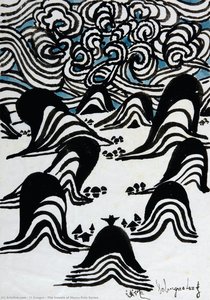 The travels of Marco Polo Series1980 · Lee Ungno Museum
92
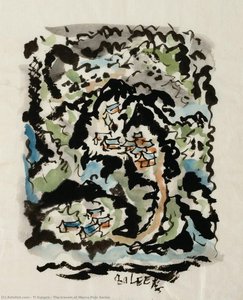 The travels of Marco Polo Series1980 · Lee Ungno Museum
93
 UntitledLee Ungno Museum
94
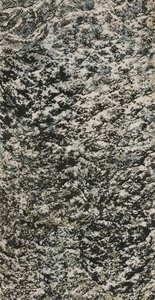 UntitledLee Ungno Museum
95
 Landscape1950 · Lee Ungno Museum
96
 Composition1978 · Lee Ungno Museum
97
 People1986 · Lee Ungno Museum
98
 Composition1972 · Lee Ungno Museum
99
 Composition1977 · Lee Ungno Museum
The four subjects that come back most often in these originals, each with its finest example.
The museum that holds the most of the paintings on this page.
| Museum | City | Works by Yi Eungro | Paintings from this list |
|---|---|---|---|
 Lee Ungno Museum |
Daegu | 99 | Untitled, Composition, Composition |
Pick a decade to see the original that defines it.

This painting is an early example that captures Ungno’s major step into abstract art. Although it is still suggestive of specific forms such as tree branches and leaves, the painting shows the artist’s inclination to a rather subjective interpretation of natural forms, which signalled the succeeding phase of his career in which he represented the feelings aroused by an object. In this work, Ungno abbreviated forms with his dynamic brushstrokes…
This captivating piece draws its rich thematic wellspring from The travels of Marco Polo Series, a monumental body of work conceived by the masterful Korean-French artist, Yi Eungro. Far more than a mere depiction, this painting functions as a visual memoir—a dreamlike cartography of an unknown world viewed through the sophisticated lens of East Asian perspective meeting European curiosity. The very essence of the series speaks to cultural exchange and…
Untitled (1969), Lee Ungno Museum, Daegu. Composition (1970) and Composition (1970) come next.
65 years old: Untitled dates from 1969, and Yi Eungro was born in 1904.
Untitled, Composition, Composition, I Ching 64 Hexagrams Sequence(山風蠱), I Ching 64 Hexagrams Sequence(澤風大過), I Ching 64 Hexagrams Sequence (火風鼎), Untitled, People, The travels of Marco Polo Series and The travels of Marco Polo Series. The ranking above gives each one's year and museum.
Our catalog holds 99 works by Yi Eungro, dated from 1950 to 1989.
Mostly in Lee Ungno Museum (Daegu). The museum table above lists them all.
In 1970s: 52 of the 99 works on this page were made then, Composition among them.
On this page, the earliest is Landscape (1950) and the latest People (1989).
Korean art (8), Landscape (5) and Geometric forms (5), across the 99 works on this page.
Acrylic On Canvas, for 3 of the 99 works on this page.
Abstract expressionism, judging by the originals on this page.
Untitled, Composition and Composition: the Lee Ungno Museum, Daegu holds 99 of the works on this page.


