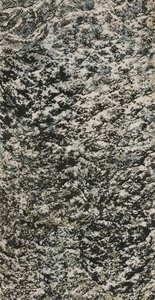
lee ungno, also known as yi eungro, was a korean-born french painter and printmaker born in séoul, south korea in 1904. his early life was marked by a brief stint at the hongseong botong hakyo (홍성보통학교, 홍城초등학교, 洪城普通學校), after which he dedicated himself to studying painting under yeomjae song tae-hoe from 1920.
**artistic career in korea and japan**
lee ungno's artistic career began in earnest when he moved to seoul in 1922, becoming an apprentice to celebrated calligrapher-painter-photographer haegang kim gyu-jin. he primarily learned to paint the four gentlemen in the 'haegang style.' notably, his inkwash painting of a bamboo, mukjuk (묵죽, 墨竹, ink bamboo), won a prize in the 3rd annual joseon art exhibition. lee ungno consecutively won prizes in the joseon art exhibition throughout the colonial period. however, he believed that eastern ink painters should modernize their style. in the early 1930s, lee began producing inkwash landscapes influenced by new, modern eastern ink painting styles and naturalistic renditions found in western-style paintings.
**international recognition and later life**
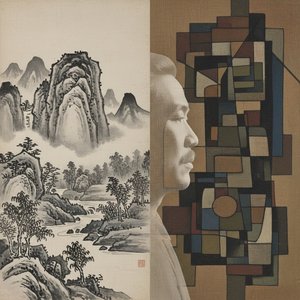
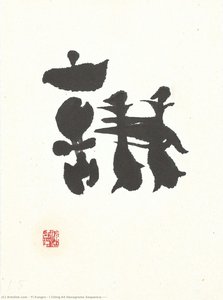
after training in traditional inkwash painting in korea from the 1920s to the 1930s, lee gradually experimented with western-style painting techniques in japan. his works from the 1950s showcase creative attempts at merging eastern medium and brushstrokes with western perspective and forms. lee ungno relocated to france in 1958, where he fully established his standing as an abstract artist. he is most known for his series of ink and paper collage, abstract letters, and crowd paintings that developed during his stay in france.
explore the musée national jean-jacques henner, a museum featuring a vast collection of art pieces, including those inspired by eastern styles: [https://OriginalUniqueArt.com/@@/a@d3cew9-il-museo-musee-national-jean-jacques-henner-di-parigi-francia](https://OriginalUniqueArt.com/@@/a@d3cew9-il-museo-musee-national-jean-jacques-henner-di-parigi-francia)
discover more about the ilkhanid art movement, which also blends eastern and western influences: /en/art/show/art-d3cq2m-en/
**legacy** lee ungno is credited for forming part of the first generation of korean abstract artists and contributing to the diversification in the use of eastern material in modern and contemporary art. the lee ungno museum, opened in 2007 in daejeon, south korea, preserves, displays, and promotes artworks and materials related to the artist. **sources:** * [https://OriginalUniqueArt.com/@/yi-eungro](https://OriginalUniqueArt.com/@/yi-eungro) * [https://en.wikipedia.org/wiki/yi_eungro](https://en.wikipedia.org/wiki/yi_eungro)
By the OriginalUniqueArt.com Editorial Team
Quiz
There is only one correct answer for each question.
Question 1:
What country was Yi Eungro born in?
Question 2:
Under whose tutelage did Yi Eungro begin his artistic training?
Question 3:
What style of painting was Yi Eungro primarily influenced by during his early years?
Question 4:
In which decade did Yi Eungro relocate to France?
Question 5:
What is Yi Eungro best known for creating during his time in France?
Explore the captivating world of Yi Eungro (Lee Ungno), a pivotal figure in Korean modernism. Discover his unique fusion of Eastern and Western artistic traditions, abstract masterpieces, and lasting legacy. A must-read for discerning art collectors.
Explore the complex relationship between modern art, colonialism & cultural appropriation (1830-1950). Expert analysis for discerning collectors & art enthusiasts. Discover hidden histories and informed perspectives.