
Albrecht Dürer is the best-known artist with works in the Condé Museum; next come Raphael, Eugène Delacroix and Nicolas Poussin.
Our catalogue lists 442 works of the Condé Museum by 243 artists; the 25 best known are ranked below, each with the works the museum holds.
The masters of the originals
The 10 masters whose originals hang in the Condé Museum
For each master: where and when they were born, their movement, how many originals the museum keeps in our catalogue, a note from their life, and the originals to see.
-
Northern Renaissance
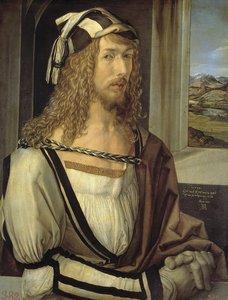
1. Albrecht Dürer 1471–1528
1471–1528 Born in Nuremberg, Germany Northern Renaissance 4 originals at the Condé Museum
While his father might have envisioned a life spent working with precious metals, the boy possessed a different kind of hunger. Even as a child, his talent was evident, appearing in early works such as a silverpoint self-portrait from about 1484. In the bustling streets of Nuremberg, the boy Albrecht was shaped by the steady, disciplined rhythm of his father's workshop.
Originals at the Condé Museum
-

High Renaissance
2. Raphael 1483–1520
1483–1520 Born in Urbino, Italy High Renaissance 3 originals at the Condé Museum
Upon his arrival in Florence in 1504, the young painter entered a city defined by the presence of giants. Between 1504 and 1507, he produced a series of Madonnas that demonstrated a growing mastery of composition and emotional clarity. Following the death of Donato Bramante in 1514, he was appointed architect in charge of St. Peter's, a position that reflected the immense trust placed in his ability to organize and execute complex, large-scale projects.
Originals at the Condé Museum
-

Romanticism
3. Eugène Delacroix 1798–1863
1798–1863 Born in Saint-Maurice, France Romanticism 3 originals at the Condé Museum
The lineage of Eugène Delacroix is rooted in a blend of craftsmanship and diplomacy. Through him, the artist received numerous anonymous commissions, allowing his work to circulate through elite circles under a veil of discretion.
Originals at the Condé Museum
-

Baroque
4. Nicolas Poussin 1594–1665
1594–1665 Born in Le Havre, France Baroque 7 originals at the Condé Museum
Born in June 1594, his early development was not a product of sudden inspiration but of structured, methodical training. By 1612, Nicolas Poussin had moved to Paris, where he remained until 1623. Poussin arrived in Rome in 1624, having traveled via Venice.
Originals at the Condé Museum
-
Early Renaissance
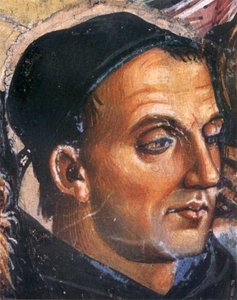
5. Fra Angelico 1395–1455
1395–1455 Born in Vicchio, Italy Early Renaissance 2 originals at the Condé Museum
Born Guido di Pietro in the Mugello, the man who would become known as Fra Angelico began his life in the Tuscan hills near Florence. Around 1395, he was known as Giovanni da Fiesole. It was within these walls that he took his vows and received the name Fra Angelico, a title that marked his commitment to the order. Other significant pieces have traveled far from the Tuscan hills.
Originals at the Condé Museum
-

Rococo
6. Jean-Antoine Watteau 1684–1721
1684–1721 Born in Valenciennes, France Rococo 4 originals at the Condé Museum
It is also believed that he may have studied under Julien, further refining the skills that would eventually lead him away from the quiet life of Valenciennes.
Originals at the Condé Museum
-

Neoclassicism
7. Jean-Auguste-Dominique Ingres 1780–1867
1780–1867 Born in Montauban, France Neoclassicism 4 originals at the Condé Museum
Even while immersed in the Italian tradition, he maintains a connection to the French art scene, regularly sending paintings back to the Paris Salon to ensure his presence in the capital remains constant.
Originals at the Condé Museum
-
Baroque
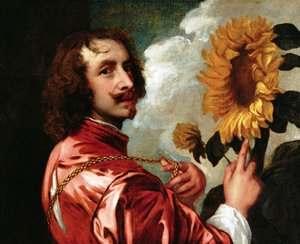
8. Anthony van Dyck 1599–1641
1599–1641 Born in Antwerp, Belgium Baroque 3 originals at the Condé Museum
Born in Antwerp on 22 March 1599, Sir Anthony van Dyck entered a world of commerce and craft. Between 1621 and late 1627, he traveled through Italy, a period that would refine his ability to navigate the complex social hierarchies of European nobility. In 1620, he entered the service of King James I, a brief engagement that preceded his extensive travels through Italy and the Spanish Netherlands.
Originals at the Condé Museum
-
Baroque
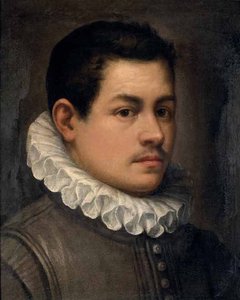
9. Annibale Carracci 1560–1609
1560–1609 Born in Bologna, Italy Baroque 5 originals at the Condé Museum
Annibale Carracci, born in Bologna on November 3, 1560, emerged from a family deeply entrenched in artistic tradition. Bologna at this time was a vibrant hub of intellectual and artistic ferment, yet it felt somewhat distant from the dominant currents emanating from Rome and Venice.
Originals at the Condé Museum
-

Academic Art
10. Paul Delaroche 1797–1856
1797–1856 Born in Paris, France Academic Art 2 originals at the Condé Museum
Through these connections, Delaroche’s stylistic DNA—characterized by meticulous glazing techniques and an emotive narrative structure—became embedded in the very foundation of French painting. Though the era of grand history painting eventually gave way to the fleeting impressions of the Impressionists, Delaroche’s legacy remains unshakeable.
Originals at the Condé Museum


The masters, continued
No. 11 to No. 25: more masters of the Condé Museum
-

11. Jean-Baptiste Greuze
Rococo
1725–1805 · born in Tournus, France · 3 originals at the Condé Museum
- Tender Desire (1769)
- Young Girl (1765)
- Young Boy (1762)
-

12. Charles-François Daubigny
Barbizon School
1817–1878 · born in Paris, France · 2 originals at the Condé Museum
French Barbizon School painter of river landscapes, often captured from a floating studio boat to study shifting light and atmosphere.
-
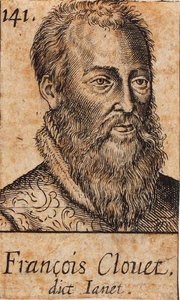
French Renaissance portraitist of the Valois court, known for meticulous detail in depictions of kings and delicate chalk drawings.
-

French Romanticist known for realistic battle scenes and vivid depictions of 19th-century military life and Algerian landscapes.
-

Italian Baroque painter of wild, rugged landscapes and dramatic, turbulent chiaroscuro scenes, often featuring rocky terrain and stormy skies.
- Landscape with St Jerome (1670)
- Tobias and the Angel (1662)
- Daniel in the Lion's Den (1662)
-

16. Jean-Louis Ernest Meissonier
Realism
1815–1891 · born in Lyon, France · 2 originals at the Condé Museum
French academic painter of meticulous historical scenes and military vignettes, known for microscopic detail and scenes of 18th-century life.
-

French Baroque painter of elegant portraits and tender Madonna and Child scenes, known for his refined and delicate mignardises.
-

French Neoclassical portraitist of the Napoleonic era known for elegant aristocratic depictions and refined, delicate lines in his drawings.
- Napoléon Bonaparte Premier Consul (1803)
- Portrait of the Duchess of Orléans (1817)
- The Three Ages (1806)
-

French Rococo portraitist who transformed aristocratic ladies into mythological goddesses through graceful, allegorical compositions.
-

20. Jean Clouet
Renaissance Portraiture
1480–1541 · born in Brussels, Belgium · 4 originals at the Condé Museum
French Renaissance portraitist famed for elegant black and red chalk drawings and psychological depth at the court of Francis I.
-

21. Limbourg Brothers
Gothic
1385–1416 · born in Nijmegen, Netherlands · 16 originals at the Condé Museum
Dutch International Gothic masters of luminous illuminated manuscripts, known for detailed miniatures and the Très Riches Heures du Duc de Berry.
-

22. Pierre-Paul Prud'hon
Neoclassicism
1758–1823 · born in Cluny, France · 3 originals at the Condé Museum
French Neoclassical and Romantic painter known for emotive chiaroscuro, allegorical scenes, and intimate portraits of Empress Josephine.
- Abundance (1823)
- Homage to Beauty (1808)
- Venus and Cupid asleep (1806)
-

23. Alessandro Allori
Mannerism
1535–1607 · born in Florence, Italy · 2 originals at the Condé Museum
Florentine Mannerist known for polished, marble-like figures and elegant, sculptural portraits that reflect the refined aesthetic of Bronzino.
-

24. Joseph Siffred Duplessis
Neoclassicism
1725–1802 · born in Carpentras, France · 5 originals at the Condé Museum
French portraitist blending Rococo grace with Neoclassical restraint in intimate studies of figures like Benjamin Franklin and Louis XVI.
-

25. Bernardino Luini
High Renaissance
1480–1532 · born in Dumenza, Italy · 4 originals at the Condé Museum
Italian Renaissance painter known for graceful Luinesque female figures and a delicate sfumato technique inspired by Leonardo da Vinci.
Famous artists in the Condé Museum, No. 26 to 50
 Nicolas de Largillière1656–1746 · 4 originals at the Condé Museum
 Léon Bonnat1833–1922 · 3 originals at the Condé Museum
 Jean-Baptiste Oudry1686–1755 · 2 originals at the Condé Museum
 Giovanni Battista Moroni1525–1578 · 2 originals at the Condé Museum
 Ary Scheffer1795–1858 · 5 originals at the Condé Museum
 Francesco Pesellino1422–1457 · 2 originals at the Condé Museum
 Alexandre François Desportes1661–1743 · 3 originals at the Condé Museum
 Michiel Jansz. van Mierevelt1566–1641 · 3 originals at the Condé Museum
 Theodore Robinson1852–1896 · 3 originals at the Condé Museum
 Charles François Jalabert1819–1901 · 6 originals at the Condé Museum
 Jacob van Loo1614–1670 · 2 originals at the Condé Museum
 Alexandre Gabriel Decamps1803–1860 · 12 originals at the Condé Museum
 Corneille de Lyon1500–1575 · 2 originals at the Condé Museum
 François Hubert Drouais1727–1775 · 2 originals at the Condé Museum
 Gaspard Dughet1613–1675 · 3 originals at the Condé Museum
 Paul-Jacques-Aimé Baudry1828–1886 · 4 originals at the Condé Museum
 Théodore Gudin1802–1880 · 2 originals at the Condé Museum
 Francesco Giuseppe Casanova1727–1803 · 4 originals at the Condé Museum
 Léopold Robert1794–1835 · 2 originals at the Condé Museum
 Luc Olivier Merson1846–1920 · 2 originals at the Condé Museum
 Joseph Aved1702–1766 · 2 originals at the Condé Museum
 Justus van Egmont1602–1674 · 5 originals at the Condé Museum
 Adriaen de Gryef1670–1715 · 2 originals at the Condé Museum
 Hippolyte Bellangé1800–1866 · 2 originals at the Condé Museum
 Prosper Marilhat1811–1847 · 3 originals at the Condé Museum
The house in figures
The masters of the Condé Museum, in figures
The masters with the most originals at the Condé Museum
Masters with two originals or more, by century of birth
Masters with two originals or more, by country of birth
Masters with two originals or more, by movement
Women masters
The women whose originals hang in the Condé Museum
6 women masters, 6 originals, in our catalogue of the Condé Museum.
-

Sofonisba Anguissola
1532–1625 · born in Cremona, Italy · 1 originals at the Condé Museum
- Self-Portrait (1560)
-

Rosa Bonheur
1822–1899 · born in Bordeaux, France · 1 originals at the Condé Museum
-

Élisabeth Sophie Chéron
1648–1711 · born in Paris, France · 1 originals at the Condé Museum
- Self-portrait (1670)
-

Nanine Vallain
1767–1815 · born in France · 1 originals at the Condé Museum
-

Sophie de Tott
1758–1848 · born in Constantinople, Turkey · 1 originals at the Condé Museum
-

Rosalie Grossard
1780–1850 · born in France · 1 originals at the Condé Museum
Asked of us
Questions on the masters of the Condé Museum
Open a question to read the answer.
Which artist in the Condé Museum is the most famous?
Albrecht Dürer (1471–1528): our catalogue holds 4 works by Albrecht Dürer at the Condé Museum, among them Caspar Sturm, Portrait of a Man with a View of the Sint-Michielsabdij at Antwerp and Annunciation. Raphael and Eugène Delacroix follow.
Which Albrecht Dürer works are in the Condé Museum?
4 works by Albrecht Dürer at the Condé Museum are in our catalogue: Caspar Sturm (1520), Portrait of a Man with a View of the Sint-Michielsabdij at Antwerp (1520), Annunciation (1526) and The Virgin with Two Angels and Four Saints (1521) among them.
What did Raphael paint that hangs in the Condé Museum?
3 works by Raphael at the Condé Museum are in our catalogue: The Three Graces (1504), The Virgin of the House of Orleans (1506) and Madonna of Loreto (Madonna del Velo) (1509) among them.
What did Eugène Delacroix paint that hangs in the Condé Museum?
3 works by Eugène Delacroix at the Condé Museum are in our catalogue: Capture of Constantinople by the Crusaders in the fourth crusade (1840), The Two Foscari (1855) and Le corps de garde à Meknès (1847) among them.
Which ten artists should I look for in the Condé Museum?
The ten best-known artists with works in the Condé Museum are Albrecht Dürer (4), Raphael (3), Eugène Delacroix (3), Nicolas Poussin (7), Fra Angelico (2), Jean-Antoine Watteau (4), Jean-Auguste-Dominique Ingres (4), Anthony van Dyck (3), Annibale Carracci (5) and Paul Delaroche (2).
Who has the most paintings in the collection of the Condé Museum?
Our catalogue holds 19 works by Jean-Marie Ribou at the Condé Museum; next come Limbourg Brothers (16), Alexandre Gabriel Decamps (12) and Josef Rebell (10).
Are there Leonardo da Vinci works in the Condé Museum?
Our catalogue lists no work by Leonardo da Vinci at the Condé Museum.
Does the Condé Museum have any Pablo Picasso paintings?
Our catalogue lists no work by Pablo Picasso at the Condé Museum.
Are there any women painters in the Condé Museum?
6 women artists have works of the Condé Museum in our catalogue, among them Sofonisba Anguissola (1), Rosa Bonheur (1), Élisabeth Sophie Chéron (1), Nanine Vallain (1), Sophie de Tott (1) and Rosalie Grossard (1).
Where do the artists of the Condé Museum come from?
By country of birth, the artists with two works or more at the Condé Museum are mostly from France (47), Italy (11), Netherlands (6), Belgium (5) and Germany (1).
Which centuries do the painters of the Condé Museum belong to?
Most of the artists with two works or more at the Condé Museum were born in the 18th century (24 artists); the earliest in this ranking is Limbourg Brothers (1385–1416), the latest Charles-François Daubigny (1817–1878).
How many artists have works in the Condé Museum?
Our catalogue lists 243 artists with at least one work at the Condé Museum, 74 of them with two or more, born between 1385 and 1852 in 8 countries.
The house
The Condé Museum, Chantilly, in a few lines
The History of Condé Museum
The Condé Museum is situated within the Château de Chantilly in Chantilly, France. The site is composed of two primary attached structures: the Petit Château and the Grand Château. the Petit Château was constructed around 1560 for Anne de Montmorency. the Grand Château was later rebuilt between 1875 and 1882 by Henri d’Orléans, the Duke of Aumale. In 1897, the Duke of Aumale bequeathed the château and its entire collection to the Institut de France. This act established the museum in 1897. Due to the specific conditions of this bequest, the museum has remained almost unchanged since it opened to the public in 1898. The presentation of the collections follows the original nineteenth-century arrangement.
The Architecture of the Château
The estate's connection with the Montmorency family began in 1484. The site comprises two attached buildings: the Petit Château and the Grand Château. the Petit Château was built around 1560 by Pierre Chambiges. While the original Grand Château was destroyed during the French Revolution, the structure seen today was rebuilt in the 1870s. The museum spaces are integrated into the historic fabric of the residence. The layout includes rooms remodeled as museum spaces alongside residential quarters designed in 18th and 19th-century styles. This arrangement preserves the original context of the collection, maintaining the atmosphere of a princely residence. The architecture reflects the evolution of the site from a medieval fortress into a Renaissance palace.
The famous originals of the Condé MuseumThe Condé Museum: the full page, 447 originalsThe museums of Chantilly
How the masters of the originals are ranked
The masters with two originals or more of the Condé Museum in our catalogue are ranked by fame: the Wikipedia language editions that describe them, the visits to their OriginalUniqueArt.com page and our studio's ranking. Originals are counted in our catalogue — one entry per work, without details, studies or copies — not in the museum's inventory. Every date, birthplace and movement is the catalogue's; the notes are drawn from the master's biography.
Go on