A Princely Legacy Preserved: The Timeless Splendor of Chantilly
Nestled just a short distance north of Paris, in the charming town of Chantilly, lies a treasure trove of art and history that transcends the typical museum experience. The Château de Chantilly and its renowned Musée Condé offer more than simply a palace tour; they provide an immersive journey through centuries of French culture, offering a remarkably preserved glimpse into the opulent world of aristocracy and artistic patronage. The story of this magnificent estate is inextricably linked to the powerful families who shaped it, most notably the Montmorency and Condé dynasties. This legacy culminated in the extraordinary vision of Henri d’Orléans, Duke of Aumale, whose profound bequest ensured that the collection would remain intact for generations. The château’s very stones whisper tales of lavish feasts, intellectual gatherings, and artistic innovation, a legacy meticulously maintained since the museum opened its doors in 1898—an astonishing feat of preservation that remains virtually unchanged from that era.
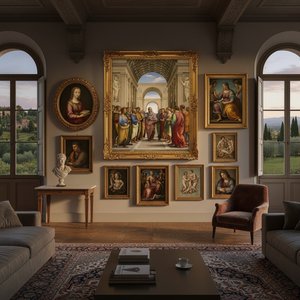
Stepping into the Musée Condé is akin to entering a private collection frozen in time, where the air itself seems heavy with the weight of history. The Duke of Aumale was a voracious collector, amaged a breathtaking array of artworks spanning centuries and styles that would enchant any modern connoisseur. The Italian Renaissance takes center stage here, featuring exquisite pieces by Fra Angelico that radiate spiritual serenity, alongside the graceful, harmonious compositions of Raphael , whose three paintings in this collection are particularly captivating. French masters are equally well-represented, with five masterpieces by Nicolas Poussin demonstrating his unparalleled mastery of classical form and narrative depth, while four enchanting works by Antoine Watteau capture the playful, lighthearted elegance of the Rococo era. However, Chantilly’s treasures extend far beyond the realm of oil on canvas. The museum is internationally celebrated for housing the Très Riches Heures du Duc de Berry , a jewel of medieval illumination that offers an unparalleled window into the artistic and cultural sensibilities of the 15th century. Its vibrant depictions of rural life and religious scenes continue to inspire awe, showcasing the incredible skill of its creators.
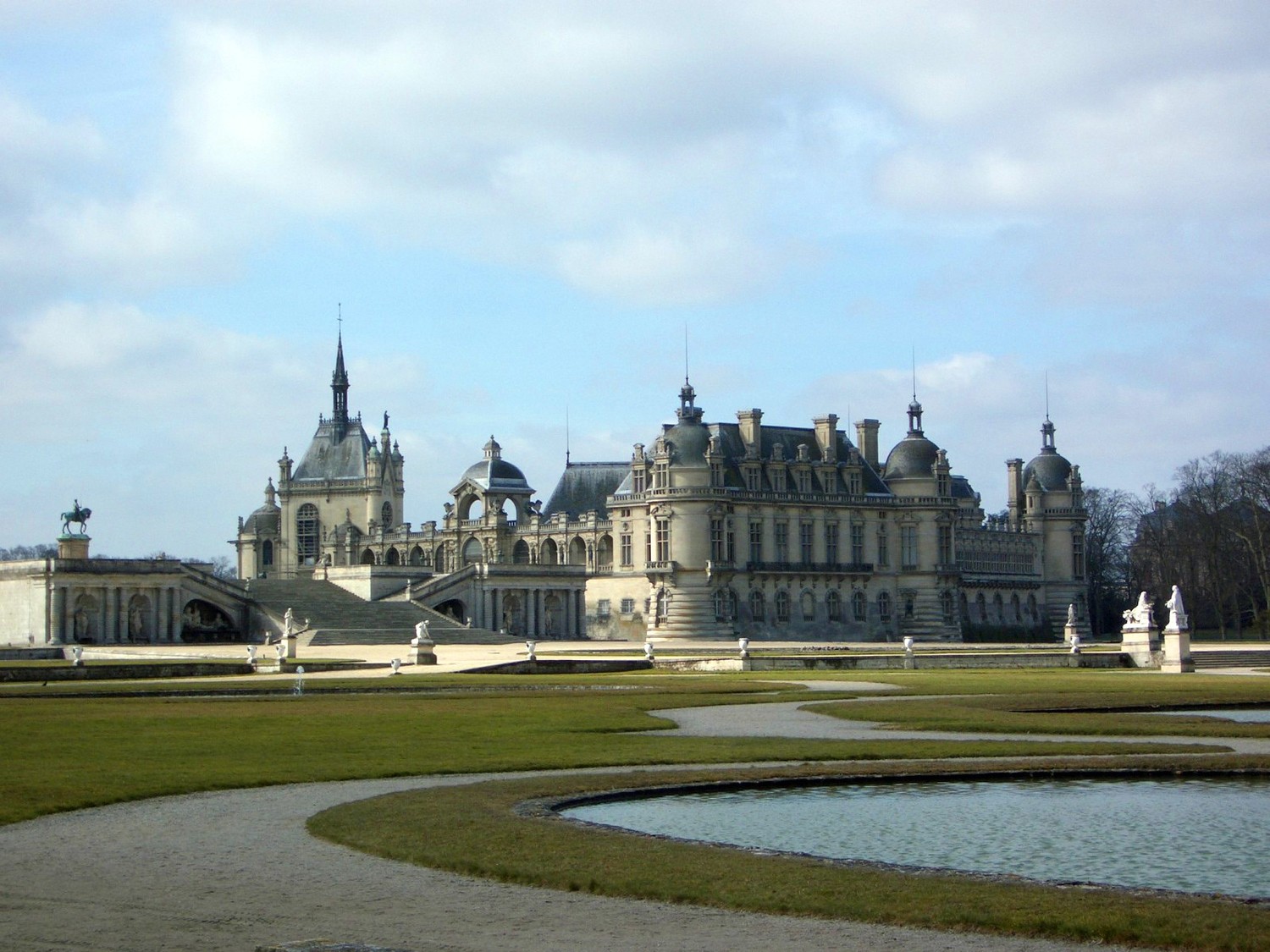
The architectural grandeur of the Château de Chantilly serves as a magnificent vessel for these treasures, reflecting a fascinating evolution of style and princely ambition. Its origins lie in a medieval fortress, which was gradually transformed into the palatial residence seen today. The Petit Château, dating back to the 16th century, exudes a delicate Renaissance charm, while the Grand Château, largely rebuilt in the 19th century by the Duke of Aumale, showcases a more imposing and elaborate design suited for a royal residence. For the interior designer or lover of classical aesthetics, the meticulous attention to detail throughout the château reflects a standard of luxury that continues to inspire contemporary tastes. The interiors are equally impressive, with opulent state apartments adorned with rich tapestries, gilded furniture, and stunning ceiling paintings that draw the eye upward in wonder. Beyond the walls, beautifully landscaped gardens invite exploration, offering serene vistas and a sense of tranquility that harmonizes perfectly with the artifice of the man-made structures.
What truly distinguishes the Château de Chantilly from any other institution in the world is its remarkable state of preservation and the unique conditions of its existence. The Duke of Aumale’s will stipulated that his collections should remain intact and accessible only at Chantilly, strictly prohibiting loans or alterations to the museum's layout. This unique condition has resulted in a remarkably authentic experience for visitors—a journey back to the late 19th century, where art is presented exactly as it was originally intended, within the intimate context of a princely residence. This commitment to preservation ensures that Chantilly remains not just a museum, but a living testament to the tastes and passions of those who shaped it. It is a rare destination where the boundary between the past and the present dissolves, offering a moment of regal splendor that remains untouched by the passage of time.