The Dawn of Medieval Art: From Roman Legacy to Early Christian Expression
The medieval art of the Western world covers a vast scope of time and place, with over 1000 years of art in Europe, and at certain periods in Western Asia and Northern Africa. It includes major art movements and periods, national and regional art, ge...
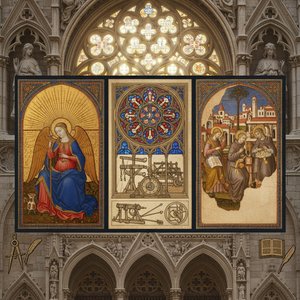
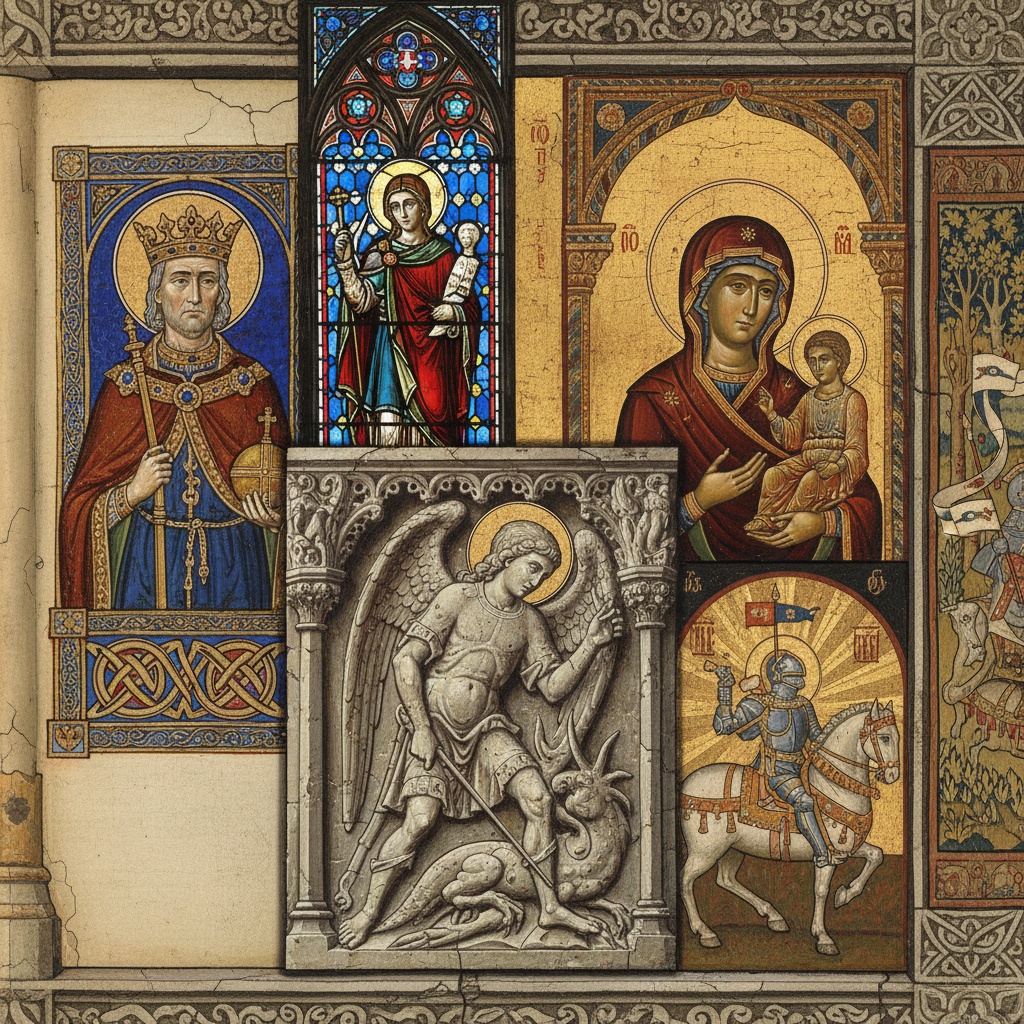
The fall of the Roman Empire didn’t signify a complete artistic collapse, but rather a profound transformation. The early medieval period (roughly 5th – 10th centuries) witnessed a fascinating synthesis—a blending of classical forms with the burgeoning fervor of Christianity. Roman building techniques persisted, though often adapted and simplified, while portraiture gradually yielded to symbolic representation. Early Christian art wasn’t about capturing likeness; it was about conveying theological truths. Mosaics, inheriting Roman traditions but imbued with new spiritual meaning, adorned church walls, depicting Christ as the Good Shepherd or scenes from the Old Testament. The focus shifted inward, prioritizing the divine over the earthly. This era saw the rise of illuminated manuscripts – painstakingly crafted books that preserved knowledge and showcased intricate designs, often incorporating gold leaf to symbolize heavenly light. These weren’t merely religious texts; they were objects of devotion, reflecting a world increasingly defined by faith.
The influence of the Byzantine Empire loomed large during this period. While Western Europe grappled with political instability, Constantinople flourished as a center of artistic innovation. The Eastern Roman aesthetic—characterized by rich colors, stylized figures, and an emphasis on hierarchical scale—began to permeate Western art, particularly in Italy. This exchange wasn’t unidirectional; local traditions also shaped the evolving style. The Ravenna mosaics, for example, demonstrate a unique fusion of Byzantine grandeur with Italian craftsmanship. The use of tesserae – small pieces of glass or stone – created shimmering surfaces that evoked a sense of otherworldly beauty and reinforced the power of the Church.
Byzantine Brilliance: Constantinople's Influence on Western Artistic Traditions
The Byzantine Papacy was a period of Byzantine domination of the Roman Papacy from 537 to 752, when popes required the approval of the Byzantine Emperor for their episcopal consecration, and many popes were chosen from the apocrisiarii (liaisons from...
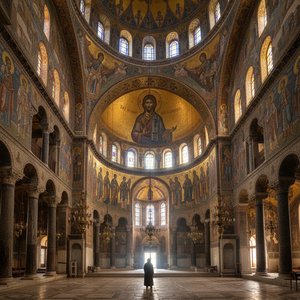
The Byzantine Empire, heir to Roman glory in the East, became the dominant force shaping artistic expression for centuries. Its art wasn’t simply decorative; it was deeply theological and inextricably linked to imperial power. The magnificent churches of Constantinople, like Hagia Sophia, served as visual testaments to the emperor's authority and the Orthodox faith. Mosaics reached unparalleled heights of sophistication, depicting Christ Pantocrator – the all-powerful ruler of the universe – with a majestic presence that inspired awe and reverence. The style emphasized symbolism over naturalism; figures were elongated, faces were serene, and gold backgrounds represented the divine realm.
This aesthetic wasn’t confined to Constantinople. Through trade, diplomacy, and religious exchange, Byzantine artistic principles spread throughout Europe, influencing everything from architecture to manuscript illumination. The *Byzantine Papacy* (537-752) – a period of direct Byzantine control over the papacy – further solidified this influence in Rome. Popes often commissioned artists directly from Constantinople or adopted Byzantine techniques and iconography. This resulted in a unique blend of Eastern and Western styles, visible in early medieval churches like San Vitale in Ravenna, where shimmering mosaics depict Emperor Justinian and Empress Theodora alongside religious figures. The emphasis on rich materials – gold, ivory, precious stones – reflected the wealth and power of both the Church and the Empire.
Romanesque Revival: Architecture, Sculpture & the Rise of Pilgrimage Art
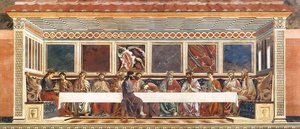 Sant'Apollonia
Explore Sant'Apollonia’s stunning Romanesque & Renaissance art collection, including Andrea del Castagno’s monumental "Stories of Christ’s Passion" fresco and the Last Supper masterpiece – a hidden gem in Florence!
The 10th and 12th centuries witnessed a remarkable resurgence of monumental art in Western Europe—the Romanesque period. Driven by economic stability and religious fervor, churches were rebuilt on a grand scale, reflecting a renewed sense of confidence and piety. *Romanesque architecture* is characterized by its massive quality, round arches, sturdy pillars, and thick walls. These structures weren’t merely places of worship; they were expressions of communal faith and symbols of divine power. The pilgrimage routes to sites like Santiago de Compostela spurred the construction of numerous churches along the way, each designed to accommodate a growing influx of travelers.
Sculpture played an increasingly important role in Romanesque art, adorning church portals, capitals, and tympana with biblical scenes and allegorical figures. These sculptures weren’t intended as realistic representations; they were didactic tools—visual narratives meant to educate the illiterate masses about Christian doctrine. The *Stories of Christ’s Passion* at Sant'Apollonia in Florence exemplify this approach, showcasing dramatic scenes carved with expressive intensity. Simultaneously, manuscript illumination continued to flourish, evolving from earlier styles and incorporating more complex compositions and vibrant colors.
Gothic Grandeur: Cathedrals, Stained Glass & a New Spiritual Vision
 Catedral de Siena. ''Muerte, Resurrección y Coronación de la Virgen''
Discover 'Catedral de Siena. ''Muerte, Resurrección y Coronación de la Virgen''', a stunning medieval stained glass masterpiece by Duccio di Buoninsegna. Explore vibrant colors & intricate biblical scenes – perfect for art lovers!
Emerging in the 12th century, Gothic art represented a radical departure from its Romanesque predecessor. Driven by technological innovations—particularly the pointed arch—architects were able to build taller, lighter structures with larger windows. *Gothic cathedrals* like Notre Dame de Paris weren’t simply impressive feats of engineering; they were expressions of human aspiration and devotion. The soaring vaults, ribbed arches, and flying buttresses created a sense of verticality that drew the eye heavenward.
Stained glass became an integral part of Gothic architecture, transforming church interiors into shimmering spaces filled with colored light. These windows weren’t merely decorative; they depicted biblical scenes and stories, educating worshippers about their faith. The *Catedral de Siena* stained glass by Duccio di Buoninsegna is a prime example, showcasing vibrant colors and intricate details that captivated the eye and inspired contemplation. Sculpture also evolved during this period, becoming more naturalistic and expressive. The emphasis shifted from didactic narratives to emotional realism, reflecting a growing interest in human experience.
Illuminated Manuscripts and Courtly Splendor: Medieval Art Beyond Churches
Byzantine and Medieval Greece: Churches, Castles and Art (1991) ... The Making and Meaning of Illuminated Medieval & Renaissance Manuscripts, Art & Architecture ( ...
While churches dominated the medieval artistic landscape, illuminated manuscripts continued to thrive as centers of creativity and learning. Monasteries remained important hubs for manuscript production, but secular courts also became patrons of this art form. These books weren’t merely religious texts; they were objects of luxury, showcasing intricate designs, vibrant colors, and elaborate ornamentation. The *Book of Hours* – a devotional book containing prayers and psalms – became particularly popular among the wealthy elite.
Beyond manuscripts, secular art flourished in the form of tapestries, metalwork, and ivory carvings. These objects reflected the tastes and values of the courtly aristocracy—a growing emphasis on chivalry, romance, and refined aesthetics. The *St Columba Altarpiece* by Rogier van der Weyden exemplifies this trend, showcasing biblical storytelling with masterful realism and vibrant color. This period also saw the rise of portraiture, albeit often idealized and symbolic.
Northern Renaissance Innovations: Realism, Detail & the Altarpiece Tradition
 St Columba Altarpiece (central panel)
Rogier van der Weyden's St Columba Altarpiece showcases biblical storytelling with masterful realism and vibrant color—a cornerstone of Northern Renaissance art housed in Munich.
As the medieval period drew to a close, artistic innovations began to emerge in Northern Europe—laying the groundwork for the Renaissance. Artists like Rogier van der Weyden pushed the boundaries of realism, capturing human emotion and detail with unprecedented accuracy. Oil painting techniques allowed for greater subtlety and luminosity, creating richer and more lifelike images.
The *altarpiece* became a dominant form of religious art in Northern Europe, serving as focal points for devotion and expressions of communal faith. These complex compositions often depicted biblical scenes alongside portraits of donors—reflecting the patronage system that fueled artistic production. Museums like Sant'Eustorgio in Milan showcase examples of this evolving style, blending Lombard Renaissance traditions with earlier influences. The meticulous attention to detail, vibrant colors, and emotional intensity of Northern Renaissance art marked a significant departure from earlier styles, paving the way for the artistic breakthroughs of the 15th and 16th centuries.
At OriginalUniqueArt.com, we are passionate about bringing the beauty and history of Medieval Art to your home. Explore our collection of museum-quality reproductions, custom paintings from photos, and expert art consultation services. Whether you’re seeking a stunning tapestry, an illuminated manuscript reproduction, or a personalized oil painting in the style of your favorite medieval master, we can help you create a unique and inspiring space. Discover the power and beauty of this transformative era—and let us bring your artistic vision to life.