Portrait of Jan van Eyck

Jan van Eyck Paintings: The 100 Most Famous, Through a Gallery's Eye

Updated November 2026 · ranked by our popularity score (searches, visits and orders for each work) · 228 works by Jan van Eyck in our catalogue

In short

To the gallery's eye, Jan van Eyck's most famous painting is Portrait of Giovanni Arnolfini and his Wife (1434), whose original hangs in the National Gallery, London. The Ghent Altarpiece (1432) and The Virgin to Chancellor Rolin (1435) complete the trio every eye recognises. Of the 228 works by Jan van Eyck in our catalog, the gallery presents the 100 most famous below, each original with its year, its museum and what makes it unique.

1390 – 1441, Maaseik Early netherlandish painting Most works: Cathedral of St Bavo

The gallery's top 10 Jan van Eyck paintings

1
Portrait of Giovanni Arnolfini and his Wife (1434) by Jan van Eyck

Portrait of Giovanni Arnolfini and his Wife

1434 · Oil On Panel · National Gallery, London

A Mirror to 15th-Century Life & Love Jan van Eyck’s *Portrait of Giovanni Arnolfini and his Wife* (1434) is far more than a simple depiction of a couple; it's a remarkably detailed window into the world of a prosperous Burgundian merchant, brimming with symbolism and innovative artistry. This iconic work, housed in London’s National Gallery, stands as a cornerstone of Early Netherlandish painting, captivating viewers for centuries with its quiet…

2
The Ghent Altarpiece (1432) by Jan van Eyck

The Ghent Altarpiece

1432 · Oil On Panel · Cathedral of St Bavo, Gent

Completed in 1432 by the visionary Jan van Eyck (and likely begun by his brother Hubert), the Ghent Altarpiece transcends the definition of a painting; it is a monumental achievement that irrevocably altered the course of European art. Housed within St Bavo's Cathedral in Ghent, Belgium, this polyptych – a multi-paneled artwork – marks a pivotal shift from the stylized conventions of Medieval art towards the burgeoning realism and humanist…

3
The Virgin to Chancellor Rolin (1435) by Jan van Eyck

The Virgin to Chancellor Rolin

1435 · Oil On Panel · The Louvre, Paris

The Virgin to Chancellor Rolin is a religious painting by the artist Jan van Eyck. Created around 1435, the work belongs to the Northern Renaissance. This oil on panel composition was commissioned by Nicolas Rolin, who held the position of Chancellor of the Duchy of Burgundy. The patron's identity is central to the work's origin and its intended placement within a specific religious context.

4
Madonna and Child with Canon Joris van der Paele (1436) by Jan van Eyck

Madonna and Child with Canon Joris van der Paele

1436 · Oil On Panel · Musee Communal, Brugge

Exquisite Depiction of Divine Motherhood and Regal Grandeur Step into the spiritual and regal world of the Northern Renaissance with this masterful painting by Jan van Eyck. At the heart of the composition, the Madonna tenderly cradles the Christ Child, radiating serenity, majesty, and divine grace. The scene is set within a richly decorated interior, blending religious reverence with a sense of noble splendor that elevates the sacred subject to…

5
Portrait of a Man (Man in a Turban) (1433) by Jan van Eyck

Portrait of a Man (Man in a Turban)

1433 · Oil On Canvas · National Gallery, London

Portrait of a Man (Man in a Turban) is a small oil painting on panel by Jan van Eyck. Completed in 1433 in Bruges, the work presents a man wearing a vermilion red chaperon. The subject's direct and confrontational gaze establishes an immediate presence within the composition.

6
The Just Judges (1432) by Jan van Eyck

The Just Judges

1432 · Oil On Panel · Cathedral of St Bavo, Gent

The panel depicts a dense, vertical arrangement of figures moving through a rugged terrain. In the foreground, a figure mounted on a white horse leads the movement, wearing textured, ornate garments. Behind this lead rider, a multitude of individuals, including knights and dignitaries, are positioned in close proximity to one another. The composition follows a rhythmic progression of bodies and animals. The landscape consists of rocky cliffs that rise into…

7
Madonna in the Church (1425) by Jan van Eyck

Madonna in the Church

1425 · Oil On Canvas · Staatliche Museen zu Berlin, Berlin

An Iconic Masterpiece of Devotion Immerse yourself in the serene beauty of this exquisite religious painting by Jan van Eyck, a cornerstone of Northern Renaissance art. This captivating depiction of the Virgin Mary and the infant Jesus, set within an elaborate Gothic cathedral, exudes a profound sense of reverence and spiritual elevation. A Testament to Artistic Mastery Van Eyck's meticulous attention to detail is evident in every brushstroke, from the…

8
The Annunciation (1435) by Jan van Eyck

The Annunciation

1435 · Oil On Canvas · National Gallery of Art, Washington

A Moment of Divine Encounter: Jan van Eyck’s *The Annunciation* Jan van Eyck's *The Annunciation*, created around 1435 and now residing at the National Gallery of Art in Washington, D.C., is a cornerstone of Early Netherlandish painting. This masterpiece isn’t merely a depiction of a biblical scene; it’s a profound exploration of faith, serenity, and the burgeoning artistic innovations of the Northern Renaissance. The painting portrays the pivotal moment when…

9
Diptych (1420) by Jan van Eyck

Diptych

1420 · Oil On Canvas · Metropolitan Museum of Art, New York

A Window into Early Netherlandish Genius Jan van Eyck’s Diptych stands as a monumental achievement in the history of art, marking an undeniable turning point toward what would become known as Early Netherlandish painting. More than just a depiction of biblical scenes—the Crucifixion and Last Judgment—it embodies a revolutionary approach to artistic representation that continues to fascinate scholars and inspire artists today. Born around 1390 in Maastricht, Jan van Eyck…

10
Dresden Triptych (Virgin and Child with St. Michael and St. Catherine and a Donor) (1437) by Jan van Eyck

Dresden Triptych (Virgin and Child with St. Michael and St. Catherine and a Donor)

1437 · Oil On Panel · Gemäldegalerie Alte Meister, Dresden

In the quiet intimacy of Jan van Eyck’s Dresden Triptych, the viewer is invited into a world where the profound meets the minuscule. This extraordinary piece, completed in 1437, serves as a breathtaking window into the soul of Early Netherlandish painting. Though its physical scale is remarkably small, the work possesses an expansive spiritual presence that commands the room. The central panel presents a tender scene of the Virgin Mary…

Jan van Eyck paintings, ranked 11 to 100

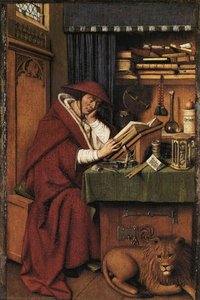
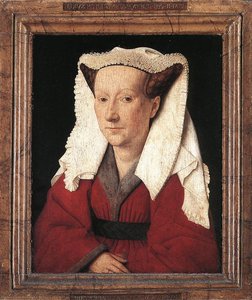
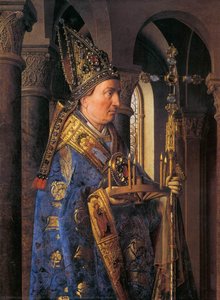
11Lucca Madonna (1437) by Jan van EyckLucca Madonna1437 · Städel Museum 12The Ghent Altarpiece: Adoration of the Lamb (1425) by Jan van EyckThe Ghent Altarpiece: Adoration of the Lamb1425 · Cathedral of St Bavo 13Portrait of Giovanni Arnolfini and his Wife (detail) (12) (1434) by Jan van EyckPortrait of Giovanni Arnolfini and his Wife (detail) (12)1434 · National Gallery 14The Ghent Altarpiece (wings closed) (1432) by Jan van EyckThe Ghent Altarpiece (wings closed)1432 · Cathedral of St Bavo 15The Madonna in the Church (1439) by Jan van EyckThe Madonna in the Church1439 · Gemäldegalerie 16Madonna with the Child Reading (1433) by Jan van EyckMadonna with the Child Reading1433 · National Gallery of Victoria 17The Madonna with Canon van der Paele (detail) (1436) by Jan van EyckThe Madonna with Canon van der Paele (detail)1436 · Groeninge Museum 18The Ghent Altarpiece: Adoration of the Lamb (detail) (30) (1425) by Jan van EyckThe Ghent Altarpiece: Adoration of the Lamb (detail) (30)1425 · Cathedral of St Bavo 19The Ghent Altarpiece: Angels Playing Music (1426) by Jan van EyckThe Ghent Altarpiece: Angels Playing Music1426 · Cathedral of St Bavo 20Man in a Turban (detail) (1433) by Jan van EyckMan in a Turban (detail)1433 · National Gallery 21Portrait of Margaret van Eyck (Mrs. Jan van Eyck) (1439) by Jan van EyckPortrait of Margaret van Eyck (Mrs. Jan van Eyck)1439 22Portrait of a Man (Self Portrait ) (1433) by Jan van EyckPortrait of a Man (Self Portrait )1433 23Portrait of Giovanni Arnolfini and his Wife (detail) (8) (1434) by Jan van EyckPortrait of Giovanni Arnolfini and his Wife (detail) (8)1434 · National Gallery 24The Ghent Altarpiece: Arched Window with a View (1432) by Jan van EyckThe Ghent Altarpiece: Arched Window with a View1432 · Cathedral of St Bavo 25Stigmatization of St Francis (1428) by Jan van EyckStigmatization of St Francis1428 · Philadelphia Museum of Art 26The Ghent Altarpiece: The Donor (detail) (1432) by Jan van EyckThe Ghent Altarpiece: The Donor (detail)1432 · Cathedral of St Bavo 27The Ghent Altarpiece: Adoration of the Lamb (detail) (1425) by Jan van EyckThe Ghent Altarpiece: Adoration of the Lamb (detail)1425 · Cathedral of St Bavo 28The Ghent Altarpiece: Singing Angels (detail) (1427) by Jan van EyckThe Ghent Altarpiece: Singing Angels (detail)1427 · Cathedral of St Bavo 29The Ghent Altarpiece: Singing Angels (detail) (1427) by Jan van EyckThe Ghent Altarpiece: Singing Angels (detail)1427 · Cathedral of St Bavo 30The Ghent Altar (detail) (1432) by Jan van EyckThe Ghent Altar (detail)1432 · Cathedral of St Bavo 31Portrait of a Woman by Jan van EyckPortrait of a Woman 32The Madonna with Canon van der Paele (1436) by Jan van EyckThe Madonna with Canon van der Paele1436 · Groeninge Museum 33The Ghent Altarpiece: Cumaean Sibyl (1432) by Jan van EyckThe Ghent Altarpiece: Cumaean Sibyl1432 · Cathedral of St Bavo 34The Ghent Altarpiece: Adoration of the Lamb (detail) (14) (1425) by Jan van EyckThe Ghent Altarpiece: Adoration of the Lamb (detail) (14)1425 · Cathedral of St Bavo 35Portrait of Giovanni Arnolfini and his Wife (detail) (1434) by Jan van EyckPortrait of Giovanni Arnolfini and his Wife (detail)1434 · National Gallery 36Portrait of Giovanni Arnolfini and his Wife (detail) (23) (1434) by Jan van EyckPortrait of Giovanni Arnolfini and his Wife (detail) (23)1434 · National Gallery 37St. Francis Receiving the Stigmata (1427) by Jan van EyckSt. Francis Receiving the Stigmata1427 38Crucifixion and Last Judgement (1440) by Jan van EyckCrucifixion and Last Judgement1440 · Metropolitan Museum of Art 39Portrait of a Man ('Léal Souvenir') (1432) by Jan van EyckPortrait of a Man ('Léal Souvenir')1432 40Madonna in the Church (Detail) (1425) by Jan van EyckMadonna in the Church (Detail)1425 · Staatliche Museen zu Berlin 41Man in a Blue Turban (1433) by Jan van EyckMan in a Blue Turban1433 · The National Museum of Art of Romania 42The Ghent Altarpiece: Prophet Micheas Mary of the Annunciation (1432) by Jan van EyckThe Ghent Altarpiece: Prophet Micheas Mary of the Annunciation1432 · Cathedral of St Bavo 43Virgin at the fountain (1443) by Jan van EyckVirgin at the fountain1443 · Gemäldegalerie 44Isabella Borluut, panel from the Ghent Altarpiece (1432) by Jan van EyckIsabella Borluut, panel from the Ghent Altarpiece1432 45Portrait of Jan de Leeuw (1436) by Jan van EyckPortrait of Jan de Leeuw1436 · Kunsthistorisches Museum 46The Ghent Altarpiece: God Almighty (detail) (1426) by Jan van EyckThe Ghent Altarpiece: God Almighty (detail)1426 · Cathedral of St Bavo 47Portrait of a man (1430) by Jan van EyckPortrait of a man1430 · Gemäldegalerie 48Portrait of Giovanni Arnolfini and his Wife (detail) (26) (1434) by Jan van EyckPortrait of Giovanni Arnolfini and his Wife (detail) (26)1434 · National Gallery 49The Ghent Altarpiece: God Almighty (detail) (1426) by Jan van EyckThe Ghent Altarpiece: God Almighty (detail)1426 · Cathedral of St Bavo 50The Madonna with Canon van der Paele (detail) (13) (1436) by Jan van EyckThe Madonna with Canon van der Paele (detail) (13)1436 · Groeninge Museum 51Eve (1432) by Jan van EyckEve1432 · Cathedral of St Bavo 52The Birth of John the Baptist (1422) by Jan van EyckThe Birth of John the Baptist1422 53Portrait of Giovanni Arnolfini and his Wife (detail) (1434) by Jan van EyckPortrait of Giovanni Arnolfini and his Wife (detail)1434 · National Gallery 54The Ghent Altarpiece: Mary of the Annunciation (1432) by Jan van EyckThe Ghent Altarpiece: Mary of the Annunciation1432 · Cathedral of St Bavo 55The Lucca Madonna (1436) by Jan van EyckThe Lucca Madonna1436 56Portrait of Margaret van Eyck (1439) by Jan van EyckPortrait of Margaret van Eyck1439 · Groeningemuseum 57The Madonna of Canon van der Paele (detail) (1436) by Jan van EyckThe Madonna of Canon van der Paele (detail)1436 58Kardinal Niccolò Albergati (?) (1437) by Jan van EyckKardinal Niccolò Albergati (?)1437 · Kunsthistorisches Museum 59The Ghent Altarpiece: Donor and St John the Baptist (1432) by Jan van EyckThe Ghent Altarpiece: Donor and St John the Baptist1432 · Cathedral of St Bavo 60St. Jerome in his Study (1432) by Jan van EyckSt. Jerome in his Study1432 61A Man in a Turban (possibly a self-portrait) - (1433) by Jan van EyckA Man in a Turban (possibly a self-portrait) -1433 62Portrait of Margareta van Eyck (1439) by Jan van EyckPortrait of Margareta van Eyck1439 · Groeninge Museum 63The Ghent Altarpiece: Singing Angels (detail) (1427) by Jan van EyckThe Ghent Altarpiece: Singing Angels (detail)1427 · Cathedral of St Bavo 64The Ghent Altar (detail) (1432) by Jan van EyckThe Ghent Altar (detail)1432 · Cathedral of St Bavo 65The Ghent Altarpiece: Eve (detail) (1425) by Jan van EyckThe Ghent Altarpiece: Eve (detail)1425 · Cathedral of St Bavo 66Annunciation (1436) by Jan van EyckAnnunciation1436 · Thyssen-Bornemisza Museum 67The Ghent Altarpiece: The Offering of Abel and Cain (1425) by Jan van EyckThe Ghent Altarpiece: The Offering of Abel and Cain1425 · Cathedral of St Bavo 68Portrait of Giovanni Arnolfini and his Wife (detail) (19) (1434) by Jan van EyckPortrait of Giovanni Arnolfini and his Wife (detail) (19)1434 · National Gallery 69The Ghent Altarpiece: Virgin Mary (1426) by Jan van EyckThe Ghent Altarpiece: Virgin Mary1426 · Cathedral of St Bavo 70Portrait of Christ (1440) by Jan van EyckPortrait of Christ1440 · Groeninge Museum 71Small Triptych (central panel) (1437) by Jan van EyckSmall Triptych (central panel)1437 · Gemäldegalerie 72Crucifixion (1420) by Jan van EyckCrucifixion1420 · Metropolitan Museum of Art 73The Ghent Altarpiece: Mary of the Annunciation (detail) (1432) by Jan van EyckThe Ghent Altarpiece: Mary of the Annunciation (detail)1432 · Cathedral of St Bavo 74The Madonna with Canon van der Paele (details) (12) (1436) by Jan van EyckThe Madonna with Canon van der Paele (details) (12)1436 · Groeninge Museum 75Portrait of a Man in a Chaperon by Jan van EyckPortrait of a Man in a ChaperonMetropolitan Museum of Art 76The Ghent Altarpiece Adoration of the Lamb by Jan van EyckThe Ghent Altarpiece Adoration of the Lamb 77Madonna by the Fountain (1439) by Jan van EyckMadonna by the Fountain1439 78The Ghent Altar (detail) (1432) by Jan van EyckThe Ghent Altar (detail)1432 · Cathedral of St Bavo 79Portrait of a Young Man (1432) by Jan van EyckPortrait of a Young Man1432 80The Madonna with Canon van der Paele (detail) (1436) by Jan van EyckThe Madonna with Canon van der Paele (detail)1436 · Groeninge Museum 81The Ghent Altarpiece: Niche with Wash Basin (1432) by Jan van EyckThe Ghent Altarpiece: Niche with Wash Basin1432 · Cathedral of St Bavo 82The Ghent Altarpiece: St John the Baptist (1432) by Jan van EyckThe Ghent Altarpiece: St John the Baptist1432 · Cathedral of St Bavo 83Portrait of a Man (Léal Souvenir) by Jan van EyckPortrait of a Man (Léal Souvenir)National Gallery 84Portrait of Giovanni Arnolfini and his Wife (detail) (10) (1434) by Jan van EyckPortrait of Giovanni Arnolfini and his Wife (detail) (10)1434 · National Gallery 85The Madonna with Canon van der Paele (1436) by Jan van EyckThe Madonna with Canon van der Paele1436 · Groeninge Museum 86The Ghent Altarpiece: Prophet Micheas (1432) by Jan van EyckThe Ghent Altarpiece: Prophet Micheas1432 · Cathedral of St Bavo 87Portrait of Giovanni Arnolfini and his Wife (detail) (1434) by Jan van EyckPortrait of Giovanni Arnolfini and his Wife (detail)1434 · National Gallery 88The Madonna of Canon van der Paele (1436) by Jan van EyckThe Madonna of Canon van der Paele1436 89Portrait of Giovanni Arnolfini and his Wife (detail) (27) (1434) by Jan van EyckPortrait of Giovanni Arnolfini and his Wife (detail) (27)1434 · National Gallery 90The Ghent Altarpiece The Soldiers of Christ (detail) by Jan van EyckThe Ghent Altarpiece The Soldiers of Christ (detail) 91Portrait of a Man with Carnation (1435) by Jan van EyckPortrait of a Man with Carnation1435 · Staatliche Museen zu Berlin 92The Ghent Altar (detail) (1432) by Jan van EyckThe Ghent Altar (detail)1432 93The Madonna with Canon van der Paele (detail) (1436) by Jan van EyckThe Madonna with Canon van der Paele (detail)1436 · Groeninge Museum 94The Virgin of Chancellor Rolin (detail - ) by Jan van EyckThe Virgin of Chancellor Rolin (detail - ) 95Christ by Jan van EyckChristGemäldegalerie 96The Ghent Altarpiece: The Donor's Wife (detail) (1432) by Jan van EyckThe Ghent Altarpiece: The Donor's Wife (detail)1432 · Cathedral of St Bavo 97Small Triptych (outer panels) (1437) by Jan van EyckSmall Triptych (outer panels)1437 · Gemäldegalerie 98The Ghent Altarpiece Adoration of the Lamb (detail bottom right) by Jan van EyckThe Ghent Altarpiece Adoration of the Lamb (detail bottom right) 99Portrait of a Noblewoman, Probably Isabella of Portugal (1397–1472) by Jan van EyckPortrait of a Noblewoman, Probably Isabella of Portugal (1397–1472) 100The Ghent Altarpiece: Prophet Zacharias Angel of the Annunciation (1432) by Jan van EyckThe Ghent Altarpiece: Prophet Zacharias Angel of the Annunciation1432 · Cathedral of St Bavo

Jan van Eyck's famous paintings, period by period

The subjects that held Jan van Eyck's eye

The four subjects that come back most often in these originals, each with its finest example.

The museums that keep Jan van Eyck's originals

The 8 museums that hold the most of the paintings on this page.

Museum City Works by Jan van Eyck Paintings from this list
Cathedral of St Bavo, GentCathedral of St Bavo Gent 49 The Ghent Altarpiece, The Just Judges, The Ghent Altarpiece: Adoration of the Lamb
National Gallery, LondonNational Gallery London 15 Portrait of Giovanni Arnolfini and his Wife, Portrait of a Man (Man in a Turban), Portrait of Giovanni Arnolfini and his Wife (detail) (12)
Groeninge Museum, BruggeGroeninge Museum Brugge 10 The Madonna with Canon van der Paele (detail), The Madonna with Canon van der Paele, The Madonna with Canon van der Paele (detail) (13)
Metropolitan Museum of Art, New YorkMetropolitan Museum of Art New York 6 Diptych, Crucifixion and Last Judgement, Crucifixion
Gemäldegalerie, BerlinGemäldegalerie Berlin 6 The Madonna in the Church, Virgin at the fountain, Portrait of a man
Staatliche Museen zu Berlin, BerlinStaatliche Museen zu Berlin Berlin 5 Madonna in the Church, Madonna in the Church (Detail), Portrait of a Man with Carnation
Kunsthistorisches Museum, ViennaKunsthistorisches Museum Vienna 3 Portrait of Jan de Leeuw, Kardinal Niccolò Albergati (?)
Gemäldegalerie, DresdenGemäldegalerie Dresden 3 Small Triptych (central panel), Small Triptych (outer panels)

Jan van Eyck, one signature painting per decade

Works per decade

Pick a decade to see the original that defines it.

Jan van Eyck's paintings: the gallery answers

Which Jan van Eyck painting is the most famous of all?Reveal the answer

Portrait of Giovanni Arnolfini and his Wife (1434), National Gallery, London. The Ghent Altarpiece (1432) and The Virgin to Chancellor Rolin (1435) come next.

How old was Jan van Eyck on completing Portrait of Giovanni Arnolfini and his Wife?Reveal the answer

44 years old: Portrait of Giovanni Arnolfini and his Wife dates from 1434, and Jan van Eyck was born in 1390.

Which are Jan van Eyck's top 10 paintings?Reveal the answer

Portrait of Giovanni Arnolfini and his Wife, The Ghent Altarpiece, The Virgin to Chancellor Rolin, Madonna and Child with Canon Joris van der Paele, Portrait of a Man (Man in a Turban), The Just Judges, Madonna in the Church, The Annunciation, Diptych and Dresden Triptych (Virgin and Child with St. Michael and St. Catherine and a Donor). The ranking above gives each one's year and museum.

How many works did Jan van Eyck create?Reveal the answer

Our catalog holds 228 works by Jan van Eyck, dated from 1420 to 1440.

Where do Jan van Eyck's most famous originals hang?Reveal the answer

Mostly in Cathedral of St Bavo (Gent), National Gallery (London) and Groeninge Museum (Brugge). The museum table above lists them all.

When did Jan van Eyck create the most famous paintings?Reveal the answer

In 1430s: 68 of the 100 works on this page were made then, Portrait of Giovanni Arnolfini and his Wife among them.

Which are Jan van Eyck's earliest and latest famous works?Reveal the answer

On this page, the earliest is Diptych (1420) and the latest Crucifixion and Last Judgement (1440).

Which subjects did Jan van Eyck return to most?Reveal the answer

Renaissance (53), Medieval art (31) and Detail (26), across the 100 works on this page.

Which medium did Jan van Eyck work in most?Reveal the answer

Oil On Panel, for 46 of the 100 works on this page.

Which movement is Jan van Eyck associated with?Reveal the answer

Early netherlandish painting, judging by the originals on this page.

Which Jan van Eyck originals does the Cathedral of St Bavo hold?Reveal the answer

The Ghent Altarpiece, The Just Judges and The Ghent Altarpiece: Adoration of the Lamb: the Cathedral of St Bavo, Gent holds 32 of the works on this page.

Jan van Eyck: the artist

Early Life, Family and Training

Born around 1390, Jan van Eyck entered a world where the brush was a family inheritance. He was not a solitary talent emerging from nothing, but a son of a lineage of painters. He grew up alongside his brothers, Hubert and Lambert, within a household where the secrets of pigment and preparation were likely shared at the communal table. This familial bond meant that his early understanding of color and form was shaped by the collective knowledge of the van Eyck name.

Before he would ever command the attention of dukes or diplomats, Jan van Eyck and his brothers underwent a rigorous training that demanded extreme patience. They were trained as miniaturists and illuminators, working upon the delicate surfaces of manuscripts. This early discipline required a steady hand and an eye for the smallest possible detail. It was in these tiny, precious spaces that he first learned to manipulate light and shadow, a skill that would later define his approach to much larger canvases.

The family workshop was a place of shared labor and shared ambition, yet the paths of the brothers eventually diverged through the cruelty of fate. While Jan continued to refine his craft, his brother Hubert passed away in 1426. This loss left Jan to carry forward the heavy weight of the family's artistic legacy, including the completion of significant religious works that the brothers had begun together. He moved forward not merely as a craftsman, but as a man who had mastered the very essence of his medium through years of meticulous, small-scale study.

Patrons, Workshop and Commissions

The life of Jan van Eyck was shaped by the high-stakes movements of the Burgundian court. He did not merely labor in a quiet studio; he moved through the halls of power, serving Philip the Good, the Duke of Burgundy. This position brought him into the inner circles of the most influential figures of his age. Before his long tenure at the court, he found work in The Hague, serving John of Bavaria, the ruler of Holland. His presence was felt in the bustling centers of Bruges and Lille, where his reputation drew both the pious and the powerful.

His duties often extended far beyond the canvas. The Duke relied on him as a diplomat, sending him on official missions that required discretion and intellect. In 1428, he traveled to Portugal to paint Isabella of Portugal, a task that required him to navigate the complexities of foreign courts. These travels and political responsibilities provided the stability and resources necessary for his technical experiments. He was a man of the world, comfortable in the company of kings and the quietude of a chapel alike.

The demand for his skill came from every corner of society. He received many religious commissions, creating works that spoke to the deep faith of the era. At the same time, the rising merchant class and the established nobility sought his hand. He painted the faces of Burgundian courtiers, local nobles, churchmen, and wealthy merchants, capturing the likenesses of those who shaped the economy and the spirit of the fifteenth century.

Technique and Style

The way he handled light was a quiet revolution. While others struggled with the flat, matte finish of egg tempera, he found a new way to make color breathe. He mastered the oil medium by building up thin, translucent glazes of pigment, layering them one upon another. This method allowed him to capture the way light actually behaves when it hits a surface. He did not merely paint a color; he painted the way light lives within it. Through subtle shading and luminous tones, he achieved a depth that made the textures of the physical world feel tangible. You could almost feel the weight of a heavy velvet robe or the cold hardness of a polished metal vessel through his brushwork.

His eye was trained to see the smallest particulars of existence. He possessed a restless curiosity for the minute, recording the specific way light catches a single strand of hair or the subtle texture of human skin. This obsession with detail extended to the very space his figures inhabited. He utilized atmospheric perspective to create a sense of vastness, showing how distant landscapes soften into a blue haze as they recede toward the horizon. This gave his compositions a sophisticated sense of depth that drew the viewer into a believable, three-dimensional reality.

He was also a man who wished to be known by his own hand. In an era when many painters remained anonymous craftsmen, he asserted his identity by signing his works with the name "JOHANNES DE EYCK." He often accompanied this signature with his personal motto, "Als ich kan," which translates to "As well as I can." It was a bold claim of his technical skill, etched directly into the reality of his creations.

Key Works and Masterpieces

The scale of his ambition is perhaps most visible in the Ghent Altarpiece, a massive twelve-panel polyptych that he completed in 1432. This work, which features the Adoration of the Lamb, required a profound command of complex religious symbolism and realistic figures. It was a monumental undertaking that demonstrated how he could manage vast, intricate scenes while maintaining a sense of spiritual weight. His ability to render the world so clearly was not limited to the divine; he applied that same intense observation to the private lives of men.

In 1434, he painted the Arnolfini Portrait, a work signed and dated that captures a domestic scene with startling clarity. Within its frame, a dog represents fidelity and discarded shoes mark holy ground, while a mirror in the background reflects a hidden layer of reality. This precision extended to his personal studies, such as the 1433 oil painting known as Portrait of a Man, or perhaps a self-portrait. This work features his personal motto, "Als ich kan," etched prominently upon the frame, a quiet assertion of his own skill. He continued to refine these intimate observations through his later years, including the Madonna and Child with Canon van der Paele in 1436 and the Virgin of Chancellor Rolin. Even toward the end of his life, around 1440, he turned his gaze toward the divine in his Portrait of Christ.

Legacy and Influence

The technical brilliance Jan van Eyck brought to his craft left a mark that could not be erased by time. He was credited with originating a style of painting defined by minutely realistic depictions of surface effects and the way natural light settles upon the world. By perfecting the use of oil glazes, he provided a new way for painters to capture the specific gleam of jewelry or the soft texture of skin. His methods dictated how artists approached light and texture for generations, moving the medium away from the flat, matte surfaces of the past toward a luminous, three-dimensional reality.

This mastery of formal composition and technical skill earned him a reputation as a true innovator of Early Netherlandish painting. His influence was not confined to the northern reaches of Europe; his work served as a model to generations of painters both North and South of the Alps. Even as styles shifted, the standards he set for precision and observation remained a benchmark for those who sought to render the tangible world with absolute clarity.