

An Immersive Journey Through Musee Communal
Located in Brugge, Belgium, Musee Communal operates as a central part of the Musea Brugge network. The institution is not a single building but a constellation of thirteen distinct locations spread throughout the city. This network allows for a varied exploration of Flemish history and artistic development across different historical settings.
The Groeningemuseum serves as the main museum for the city. It functions primarily as a painting museum, housing significant works from several centuries. Visitors encounter a range of styles within this central hub, from the early oil techniques of the 15th century to modern developments. The collection is organized to reflect the evolution of visual arts in the Low Countries.
The museum's presence in Brugge is defined by its integration into the urban landscape. By moving between the various sites that constitute the Musea Brugge network, one experiences the city's history through its preserved buildings and collections. This structure provides a way to observe how art and civic life have intersected in Brugge over many centuries.
The Architecture and Historical Fabric
The Musee Communal is integrated into the historical fabric of Bruges through a network of thirteen locations. Each site is housed within a carefully chosen building that carries its own historical weight. The Belfry, a 13th-century structure, remains a symbol of the power once held by the city. Nearby, the Gruuthusemuseum occupies a lavish palace, preserving the environment of a wealthy merchant family from centuries past.
The collection extends into religious and civic spaces. The Church of Our Lady contains a rare Italian Renaissance sculpture, placing art within its original spiritual context. This integration allows for a direct dialogue between the works and the environments for which they were created. Even the newest addition, BRUSK, contributes to this architectural dialogue; it is an architecturally striking modern building designed to engage with the historical context of the city.
The Exceptional Flemish Primitive Collection
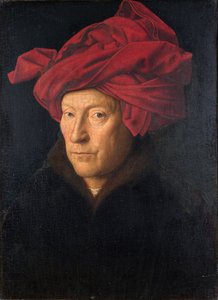
The Groeninge Museum houses a significant assembly of works from the 15th and 16th centuries. Among these are paintings by Jan van Eyck and Hans Memling. The collection also includes the works of Hugo van der Goes and Gerard David. These artists represent the technical foundations of the Flemish tradition. Their presence in the museum provides a direct link to the artistic developments of the Low Countries.
The holdings extend to the works of Ambrosius Benson and Lancelot Blondeel. The museum also possesses paintings by the sons of father Pourbus. These pieces demonstrate the continuity of stylistic lineages through the generations. In addition to these earlier works, the collection contains monumental canvases by Jacob van Oost.
- Madonna and Child with Canon Joris van der Paele, about 1436 - Jan van Eyck
Masterpieces of the Museum Collection
The collection within the Groeningemuseum includes significant works from the 15th century. Among these is Jan van Eyck’s Madonna and Child with Canon Joris van der Paele, painted about 1436. This work is a central part of the Flemish Primitive holdings. Nearby, the serene depictions of Madonna and Child by Hans Memling offer a different spiritual perspective through their quiet compositions.
Beyond the paintings of the Groeningemuseum, the network of Musea Brugge includes important sculptures. The Church of Our Lady houses Michelangelo’s Madonna and Child, a marble work that brings Italian Renaissance influence to the city. This piece is characterized by its movement and dynamism.
The museum also preserves significant modern works. The Groeningemuseum possesses almost all editions of the printed work by Marcel Broodthaers. These items represent a substantial portion of the artist's output.
Modern and Contemporary Art Works
The Groeningemuseum holds a significant selection of 20th-century modern art. Among the works on display is the art of René Magritte. The collection also includes paintings by Paul Delvaux. These pieces represent a specific era of Belgian visual history within the museum's holdings.
The museum's holdings extend to the works of Roger Raveel and Raoul De Keyser. These artists contribute to the breadth of the modern collection. The institution continues to expand its reach into the contemporary sphere through BRUSK. This new gallery is designed to present contemporary art with an international scope.


