

 Preview
 Send
Send Share
Share
 Details
 Guide
Guide

 Download
 Similars
 X-Ray
X-Ray Diaporama
 Q&A
Q&A Stats
StatsStudy for Portrait on Folding Bed


 Read More
The artwork displayed on this page is protected by copyright law, which means we cannot legally create or sell an identical reproduction. This protection is enforced under international agreements such as the Berne Convention and by national laws, including those outlined by the U.S. Copyright Law - Title 17.
This method fully complies with copyright regulations because it does not involve copying or duplicating the protected artwork. Instead, it is a creative reinterpretation - a new painting that is influenced by the original but not identical to it.
Giclée / Art Print
Museum-quality giclée or canvas print with fast production and flexible finish options. ( Buy Hand Made Painting Switch to Digital Image)




P118B $10

P118H $10

P118W $10

P438Z $10

P508JH $12

P508YH $12

P805H $10

P805Z $10

P919BZ $10

P919G $10

P919XJ $10

P959ZH $10

P968JZ $12

W106C $8

W218G $10

W218JH $8

W218Y $10

W307PJ $10

W316G $10

W316PJ $8

W316Y $10

W398PJ $8

W4111J $10

W500HY $15

W500JH $15

W692G $12

W849H $8

W940BG $15

W953PJ $8




Pick from our preset sizes that match the artwork's original proportions.

Type the width and the height you need, to fit your frame or your wall. A print can only be cut, never made bigger than the picture, so a size with a different shape loses a part of the image. We send you a digital mockup to approve before we print anything. The picture shown on this page does not show the real cut — only the mockup does.
Worldwide Delivery () in 2 weeks instead of standard 4/5 weeks. (28 October)

Free Worldwide Express Shipping

High-Quality Linen Canvas

Full Shipping Insurance

Customs Tax Refund Guarantee

True Color Matching Guarantee

100-Day Return Policy (Defects Only)

100% Money-Back Guarantee

Bulk Discount Offer
 Glass option is only available in size under 110 CM

Study for Portrait on Folding Bed
Giclée / Art Print
Reproduction Size
-


Total Price
$ 81
Study for Portrait on Folding Bed
Francis Bacon, one of the most influential and enigmatic artists of the 20th century, is renowned for his powerful and unsettling paintings that explore themes of human suffering, isolation, and mortality. Among his numerous masterpieces, ‘Study for Portrait on Folding Bed’ (1963) stands out as a prime example of Bacon's unique style and artistic vision.The Artistic Vision of Francis Bacon
Born in Dublin, Ireland, in 1909, Francis Bacon moved to London in the early 1920s, where he began his artistic career. Influenced by a wide range of artists and movements, including Pablo Picasso, Surrealism, and Abstract Expressionism, Bacon developed a highly personal style that combined figurative representation with abstraction, distortion, and raw emotional intensity. Bacon's paintings are characterized by their use of vivid colors, bold brushstrokes, and fragmented forms, which create a sense of disorientation and psychological tension. His subjects often appear isolated or trapped within claustrophobic spaces, evoking feelings of anxiety, despair, and existential angst.Study for Portrait on Folding Bed: A Masterpiece of Expressionism
In ‘Study for Portrait on Folding Bed’, Bacon depicts a solitary figure lying on a folding bed, surrounded by an abstract and ambiguous environment. The painting is dominated by a rich palette of reds, oranges, and yellows, which create a sense of heat and intensity that seems to emanate from the canvas. The central figure in the painting appears distorted and fragmented, with its features obscured by thick layers of paint. The use of sand mixed into the oil paint adds texture and depth to the composition, further emphasizing the physicality and materiality of the work. Despite its abstract qualities, ‘Study for Portrait on Folding Bed’ retains a strong sense of figuration, with the figure's pose and posture suggesting a state of vulnerability and emotional turmoil. The painting invites viewers to contemplate the human condition and the complexities of the psyche, while also challenging our perceptions of reality and representation.The Legacy of Francis Bacon
Throughout his career, Francis Bacon remained a controversial figure in the art world, with many critics praising his innovative approach to painting while others dismissed his work as grotesque and disturbing. Nevertheless, his influence on subsequent generations of artists cannot be overstated, with countless painters and sculptors drawing inspiration from his unique style and artistic vision. Today, ‘Study for Portrait on Folding Bed’ remains one of Bacon's most iconic and celebrated works, serving as a testament to the enduring power of Expressionism and the transformative potential of art. To explore more masterpieces by Francis Bacon and other renowned artists, visit OriginalUniqueArt.Additional Research
‘Study for Portrait on Folding Bed’ was created in 1963 during Bacon's prolific output period, marking a pivotal moment in his artistic evolution. It exemplifies his signature technique of layering oil paint onto canvas with sand, resulting in surfaces that are both tactile and visually arresting. The painting’s unsettling imagery—a distorted human form rendered against an amorphous backdrop—reflects Bacon’s preoccupation with themes of trauma, repression, and the fragility of identity. Influenced by Surrealist ideas and exploring psychological landscapes, Bacon sought to capture not just what he saw but also what he felt—the visceral experience of suffering and vulnerability. The artwork's formal elements contribute significantly to its emotional impact. The bold color scheme—primarily reds, oranges, and yellows—intensifies the sense of unease and conveys a feeling of impending doom. Bacon’s deliberate distortion of anatomical proportions underscores the disintegration of form and symbolizes the breakdown of rational thought. Furthermore, the inclusion of sand introduces an element of materiality that grounds the painting in the physical realm while simultaneously suggesting instability and decay. The painting's historical context is crucial to understanding its significance. Produced during the Cold War era, ‘Study for Portrait on Folding Bed’ speaks to anxieties about nuclear annihilation and the dehumanizing effects of totalitarian regimes. Bacon’s unflinching portrayal of human suffering reflects a broader cultural preoccupation with confronting uncomfortable truths and exploring the darker aspects of human experience. The painting's enduring appeal lies in its ability to provoke contemplation and elicit emotional responses from viewers. It confronts us with unsettling images that challenge our assumptions about beauty and representation, forcing us to confront the complexities of human psychology and the inevitability of mortality. As a cornerstone of Expressionist art, ‘Study for Portrait on Folding Bed’ continues to inspire artists and audiences alike—a haunting reminder of the power of art to illuminate the darkest recesses of the human soul. Francis Bacon: Explore more works by Francis Bacon on OriginalUniqueArt.Questions & Answers
Which artist and which style stand behind "Study for Portrait on Folding Bed"?
"Study for Portrait on Folding Bed" was created by Francis Bacon in the Expressionism style. Artist and movement identify the work's tradition.
How strong is the contrast in "Study for Portrait on Folding Bed" by Francis Bacon?
The contrast level of "Study for Portrait on Folding Bed" by Francis Bacon is bold.
What subjects appear in "Study for Portrait on Folding Bed" by Francis Bacon?
The subjects of "Study for Portrait on Folding Bed" are human suffering, isolation, mortality, abstract form, red palette, psychological tension, fragmented figure.
Artist Biography
The Brutality of the Human Image
To look at a Francis Bacon canvas is to encounter a direct assault on the nervous system. He did not seek to decorate; he sought to capture the raw, often terrifying reality of existence through a distinctive and disturbing realism. While his contemporaries drifted toward the safety of abstraction, Bacon anchored himself in the human form, though he stripped that form of any dignity or comfort. His work functions as a visceral response to the mid-twentieth century, translating anxiety and physical vulnerability into smeared, violent colors and contorted limbs.
The power of his imagery stems from a refusal to look away from degradation. He utilized oils with a fluidity that allowed for the depiction of flesh that seems to be dissolving or bruising under pressure. By placing figures within geometric structures—transparent cages or architectural space-frames—he forced a sense of claustrophobia upon the viewer. These frames were not mere compositional tools; they were devices to concentrate the image and trap the subject in a state of permanent isolation.
A Life of Displacement and Design
Bacon’s path to the canvas was far from academic. Born in Dublin, Ireland, his early years were marked by instability and a difficult relationship with his parents. He moved through London, Berlin, and Paris, living a life that was often as turbulent as his later paintings. Before he was recognized as a painter, he worked as an interior designer and decorator. This period of his life produced tangible, structured objects:
- Royal Wilton rugs featuring abstract motifs.
- Cocktail shelves and room screens with geometric silhouettes.
- Calfskin pouffes and tubular steel furniture.
This background in design provided a structural foundation that would later manifest in his use of cubic, architectural framing. He was a self-taught artist who bypassed the traditional art school route, instead absorbing influences through direct observation and chance encounters. His transition from decorator to painter was catalyzed by seeing Picasso’s work in Paris, which revealed the possibilities of using organic, bone-like structures to distort the human image.
The Mechanics of Terror
Bacon’s visual language was built from a specific set of cinematic and classical references. He did not invent his horrors in a vacuum; he reconfigured existing imagery to suit a more primal purpose. The screaming face, a recurring motif, finds its roots in the visceral imagery of Sergei Eisenstein's film Battleship Potemkin. Similarly, his fascination with the distortion of the body was informed by the works of Picasso and the studies of motion by Eadweard Muybridge.
His most famous reinterpretations involved taking established authority and breaking it. In his series of works based on Velázquez’s Portrait of Pope Innocent X, he transformed a dignified papal figure into a nightmarish, screaming specter. He used the concept of the crucifixion not as a religious statement, but as an armature to hang sensations of suffering. This approach allowed him to explore universal themes of mortality and the human condition without the distraction of spiritual solace.
The Final Verdict
Bacon’s significance lies in his ability to confront the darker corners of the soul with brutal honesty. He rejected the polished beauty of traditional portraiture in favor of an unflinching portrayal of agony and isolation. His later works, while often utilizing lighter colors, maintained this core intensity, focusing on the psychological weight of his subjects, including his lover George Dyer. He remains a central figure because he provided a visual language for the twentieth century's deepest anxieties, ensuring that the image of the suffering human remains impossible to ignore.
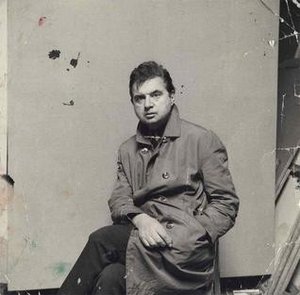
Francis Bacon
1909 - 1992 , Ireland
Quick Facts
- Artistic Movement Or Style: Expressionism, Cubism, Surrealism
- Artists Or Movements Influenced By This Artist: ['Post-War Expressionism']
- Artists Who Influenced This Artist:
- Pablo Picasso
- Egon Schiele
- Diego Velázquez
- Sergei Eisenstein
- Full Name: Francis Bacon
- Nationality: Irish/British
- Notable Artworks:
- Three Studies for Figures at the Base of a Crucifixion
- Study After Velázquez’s Portrait of Pope Innocent X
- Place Of Birth: Dublin, Ireland
- Date Of Birth: 1909
- Date Of Death: 1992
Related Articles

German Expressionism's 10 Defining Masterpieces | Art for Your Home
Explore 10 defining German Expressionism masterpieces – from Munch's 'The Scream' to Kandinsky’s abstracts. Discover the artists, stories & bold colors behind this powerful art movement. Find museum-quality reproductions at OriginalUniqueArt.com.
Francis Bacon's Masterpieces: Exploring 25 Iconic Paintings | OriginalUniqueArt
Delve into the haunting world of Francis Bacon with OriginalUniqueArt. Explore 25 iconic paintings, from his visceral portraits to powerful triptychs. Discover the stories behind these masterpieces & find museum-quality art reproductions for your home. Explore the full collection online!

Crimson Threads of Narrative: Exploring Symbolism & Representation in Artworks Featuring the Red Dress
Explore the rich symbolism of the red dress in art history! From ancient power displays to iconic portraits like Cézanne’s 'Madame Cezanne', discover the cultural and artistic significance behind this captivating color. Expert analysis & insights.

Mark Rothko's Masterpieces: 25 Paintings That Define Abstract Expressionism | OriginalUniqueArt
Explore 25 iconic Mark Rothko paintings that define Abstract Expressionism. Discover the stories, colors & emotions behind these masterpieces. Find museum-quality art reproductions and curated decor ideas at OriginalUniqueArt.com.
The Existential Anguish of Francis Bacon: Trauma, Form & the Post-War Condition
Explore the profound existential anguish of Francis Bacon's art. Discover how trauma shaped his iconic paintings & lasting influence on modern expressionism. A guide for discerning collectors.


