

 Preview
 Send
Send Share
Share
 Details
 Guide
Guide

 Download
 Similars
 X-Ray
X-Ray Diaporama
 Stats
StatsStudy for Portrait on Folding Bed


 Read More
Purchase a high-resolution, enhanced digital image, far superior to the online preview.
Each file is meticulously prepared by our in-house specialists using advanced tools and expert manual retouching. We ensure every image has exceptional clarity, precise color accuracy, and fine detail.
The final file is delivered via email within 72 hours, optimized for immediate use in professional, editorial, and print environments. This is the same quality trusted by top-tier design studios, publishers, and galleries.
Digital Image
Download a high-resolution file for personal display, printing, and creative projects. ( Switch to Print Buy Hand Made Painting)
Included in Every Digital Image Order
Expert Digital Delivery, Guaranteed
When you choose OriginalUniqueArt.com, you're not just getting an image - you're receiving a professionally enhanced digital artwork, crafted with precision and backed by a satisfaction guarantee. Here's everything that comes with your order, automatically:

Fast Email Delivery
Your high-resolution digital image file will be emailed to you within 72 hours of ordering - ready for immediate use.

AI-Enhanced Digital File
Your artwork is professionally optimized using advanced AI tools and manual editing, ensuring maximum detail, clarity, and color accuracy.

Free Lifetime Re-Delivery
Accidentally deleted or lost your file? No worries - we'll resend it to you anytime, free of charge.

No Import Fees - Ever
Enjoy your artwork instantly with zero customs, duties, or delivery fees - digital downloads are always tax-free.

Color Accuracy Guarantee
We ensure your digital image reflects the original colors as closely as possible using professional tools and color management.

100-Day Satisfaction Guarantee
If you're not satisfied with your digital image, we'll revise it or refund 100% within 100 days - no questions asked.

100% Money-Back Guarantee
Not satisfied? Get a full refund within 100 days of receiving your digital file - no questions asked.

Bulk Order Discounts
Buy 3 images, save 10% - Buy 5, save 15% - Buy 10+, save 20%. Great for creative projects, galleries, and agencies.
Study for Portrait on Folding Bed
Francis Bacon, one of the most influential and enigmatic artists of the 20th century, is renowned for his powerful and unsettling paintings that explore themes of human suffering, isolation, and mortality. Among his numerous masterpieces, ‘Study for Portrait on Folding Bed’ (1963) stands out as a prime example of Bacon's unique style and artistic vision.The Artistic Vision of Francis Bacon
Born in Dublin, Ireland, in 1909, Francis Bacon moved to London in the early 1920s, where he began his artistic career. Influenced by a wide range of artists and movements, including Pablo Picasso, Surrealism, and Abstract Expressionism, Bacon developed a highly personal style that combined figurative representation with abstraction, distortion, and raw emotional intensity. Bacon's paintings are characterized by their use of vivid colors, bold brushstrokes, and fragmented forms, which create a sense of disorientation and psychological tension. His subjects often appear isolated or trapped within claustrophobic spaces, evoking feelings of anxiety, despair, and existential angst.Study for Portrait on Folding Bed: A Masterpiece of Expressionism
In ‘Study for Portrait on Folding Bed’, Bacon depicts a solitary figure lying on a folding bed, surrounded by an abstract and ambiguous environment. The painting is dominated by a rich palette of reds, oranges, and yellows, which create a sense of heat and intensity that seems to emanate from the canvas. The central figure in the painting appears distorted and fragmented, with its features obscured by thick layers of paint. The use of sand mixed into the oil paint adds texture and depth to the composition, further emphasizing the physicality and materiality of the work. Despite its abstract qualities, ‘Study for Portrait on Folding Bed’ retains a strong sense of figuration, with the figure's pose and posture suggesting a state of vulnerability and emotional turmoil. The painting invites viewers to contemplate the human condition and the complexities of the psyche, while also challenging our perceptions of reality and representation.The Legacy of Francis Bacon
Throughout his career, Francis Bacon remained a controversial figure in the art world, with many critics praising his innovative approach to painting while others dismissed his work as grotesque and disturbing. Nevertheless, his influence on subsequent generations of artists cannot be overstated, with countless painters and sculptors drawing inspiration from his unique style and artistic vision. Today, ‘Study for Portrait on Folding Bed’ remains one of Bacon's most iconic and celebrated works, serving as a testament to the enduring power of Expressionism and the transformative potential of art. To explore more masterpieces by Francis Bacon and other renowned artists, visit OriginalUniqueArt.Additional Research
‘Study for Portrait on Folding Bed’ was created in 1963 during Bacon's prolific output period, marking a pivotal moment in his artistic evolution. It exemplifies his signature technique of layering oil paint onto canvas with sand, resulting in surfaces that are both tactile and visually arresting. The painting’s unsettling imagery—a distorted human form rendered against an amorphous backdrop—reflects Bacon’s preoccupation with themes of trauma, repression, and the fragility of identity. Influenced by Surrealist ideas and exploring psychological landscapes, Bacon sought to capture not just what he saw but also what he felt—the visceral experience of suffering and vulnerability. The artwork's formal elements contribute significantly to its emotional impact. The bold color scheme—primarily reds, oranges, and yellows—intensifies the sense of unease and conveys a feeling of impending doom. Bacon’s deliberate distortion of anatomical proportions underscores the disintegration of form and symbolizes the breakdown of rational thought. Furthermore, the inclusion of sand introduces an element of materiality that grounds the painting in the physical realm while simultaneously suggesting instability and decay. The painting's historical context is crucial to understanding its significance. Produced during the Cold War era, ‘Study for Portrait on Folding Bed’ speaks to anxieties about nuclear annihilation and the dehumanizing effects of totalitarian regimes. Bacon’s unflinching portrayal of human suffering reflects a broader cultural preoccupation with confronting uncomfortable truths and exploring the darker aspects of human experience. The painting's enduring appeal lies in its ability to provoke contemplation and elicit emotional responses from viewers. It confronts us with unsettling images that challenge our assumptions about beauty and representation, forcing us to confront the complexities of human psychology and the inevitability of mortality. As a cornerstone of Expressionist art, ‘Study for Portrait on Folding Bed’ continues to inspire artists and audiences alike—a haunting reminder of the power of art to illuminate the darkest recesses of the human soul. Francis Bacon: Explore more works by Francis Bacon on OriginalUniqueArt.Artist Biography
A Life Immersed in the Visceral
Francis Bacon, a name synonymous with the rawest emotionality in 20th-century art, was born in Dublin, Ireland, in 1909, yet his artistic spirit found its truest expression within the turbulent landscape of post-war Britain. His early life was far from stable; frequent relocations due to his mother’s health instilled a sense of displacement that would profoundly shape his worldview and, ultimately, permeate his canvases. A complex relationship with his stern father and a close bond with his nanny, Jessie Lightfoot, further colored the emotional terrain of his formative years. Initially drawn to horse racing and a life of gambling, Bacon drifted through various occupations before finally dedicating himself to painting in his late twenties – a delayed start that perhaps intensified the urgency and intensity of his later work. He wasn’t formally trained, instead forging his own path, absorbing influences from diverse sources, and developing a uniquely unsettling visual language.The Crucible of Early Influences
Bacon's artistic awakening was not immediate but rather a gradual accumulation of impressions. The works of Pablo Picasso, particularly the distorted figures of his early Cubist period, proved pivotal in liberating him from traditional representation. He found further inspiration in the haunting photography of Egon Schiele, whose expressive distortions of the human form resonated with Bacon’s own burgeoning fascination with the fragility and vulnerability of existence. However, it was a chance encounter with Sergei Eisenstein's film *Battleship Potemkin* that provided a crucial catalyst. The film’s visceral imagery, particularly a close-up of a screaming face, became an enduring motif in Bacon’s work, representing primal terror and the depths of human suffering. He also deeply admired the Old Masters, notably Diego Velázquez, whose *Portrait of Pope Innocent X* he would famously reinterpret throughout his career, transforming the authoritative papal figure into a tormented specter. These influences weren't merely stylistic appropriations; they were absorbed and transmuted through Bacon’s own unique sensibility, resulting in an artistic vision that was both deeply personal and universally resonant.Forging a Signature Style: Distortion and Isolation
Bacon’s breakthrough arrived with *Three Studies for Figures at the Base of a Crucifixion* (1944), a work that shocked and captivated audiences in post-war London. This triptych established his signature style – distorted, fragmented figures isolated within claustrophobic spaces. These weren't depictions of religious martyrdom but rather visceral explorations of human anguish, stripped bare of any comforting narrative or spiritual solace. His paintings often feature blurred or dissolving forms, conveying a sense of psychological turmoil and physical vulnerability. He frequently employed geometric structures—cages, boxes—to confine his subjects, emphasizing their isolation and powerlessness. Bacon’s palette was typically muted and somber, reflecting the dark themes he explored, though punctuated by bursts of intense color that heightened the emotional impact. The use of these cages wasn't merely a compositional device; it symbolized the inherent limitations and constraints imposed upon human existence. He sought to capture not just *what* things looked like but *how they felt*, translating inner states of anxiety, fear, and despair onto the canvas with brutal honesty.Themes of Mortality, Anguish, and the Human Condition
Throughout his prolific career, Bacon repeatedly returned to certain motifs: the crucifixion as a symbol of suffering; portraits that delved into the psychological intensity of his subjects, often friends and lovers like George Dyer; and self-portraits that served as introspective explorations of identity and mortality. His *Study After Velázquez’s Portrait of Pope Innocent X* (1953) series is perhaps one of his most iconic achievements, transforming Velázquez's dignified portrait into a screaming apparition, embodying existential dread. The portraits of George Dyer, his volatile lover, are particularly poignant, capturing both the intensity of their connection and the looming shadow of tragedy. Bacon’s work wasn’t about depicting specific individuals; it was about exploring universal themes of human vulnerability, isolation, and the inevitability of death. He didn't shy away from the darker aspects of existence but rather confronted them head-on, forcing viewers to confront their own mortality and anxieties.A Lasting Legacy: Challenging Conventions
Francis Bacon’s impact on 20th-century art is undeniable. He challenged traditional notions of representation, rejecting idealized beauty in favor of a raw, unflinching portrayal of the human condition. His work profoundly influenced generations of artists, paving the way for new forms of expression and challenging conventional artistic boundaries.- Post-War Expressionism: Bacon is considered a key figure in this movement, influencing artists with his bold style and psychological depth.
- Auction Records & Museum Exhibitions: His paintings continue to command high prices at auction and are exhibited in major museums worldwide, solidifying his place in art history.
- Confronting Truths: Bacon’s legacy lies in his ability to confront uncomfortable truths about human existence and translate those experiences into powerful and unforgettable images.
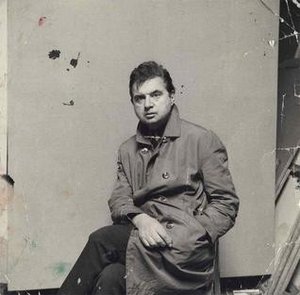
Francis Bacon
1909 - 1992 , Ireland
Quick Facts
- Artistic Movement Or Style: Expressionism
- Artists Or Movements Influenced By This Artist: ['Post-war Expressionism']
- Artists Who Influenced This Artist:
- Picasso
- Egon Schiele
- Date Of Birth: 1909-10-28
- Date Of Death: 1992-04-28
- Full Name: Francis Bacon
- Nationality: Irish-British
- Notable Artworks:
- Three Studies...
- Pope series
- George Dyer portrait
- Place Of Birth: Dublin, Ireland