Contemporary Realism Contemporary Realism · 1912
squam light (Edward Hopper, 1912)
Edward Hopper (1882–1967) made squam light. It dates from 1912. It belongs to the Contemporary Realism Contemporary Realism movement. It is made in acrylic on canvas.
- 1912
- Acrylic On Canvas

 Preview

 Hand Made Oil Painting
 Send
 Share
 Fact sheet


 Download
 Similars
 X-Ray
 Diaporama
 Q&A

 Stats
squam light, in brief
- Title
- squam light
- Artist
- Edward Hopper (1882–1967)
- Artist born in
- Upper Nyack, United States of America
- Date
- 1912
- Medium
- Acrylic On Canvas
- Period
- 19th Century
- Subject
- lighthouse scene, coastal landscape, edward hopper, atmospheric light, solitude theme, american realism
What does squam light depict?
A Study in Coastal Solitude: "Squam Light" by Edward Hopper
Edward Hopper’s “Squam Light,” painted in 1912, is more than just a depiction of a New England coastline; it's a carefully constructed meditation on isolation and the enduring presence of human endeavor against the vastness of nature. The painting immediately draws the viewer into a scene of quiet contemplation – a solitary lighthouse standing sentinel over a turbulent sea, its white form a beacon both literal and metaphorical. Hopper’s masterful use of light and shadow, hallmarks of his style, dramatically shapes the composition, emphasizing the stark geometry of the lighthouse against the diffuse, cloudy sky.
- Subject Matter: The primary subject is the iconic New England lighthouse, a symbol of guidance, safety, and connection. However, Hopper subtly subverts this traditional symbolism by presenting it in a state of quiet detachment.
- Composition: The placement of the houses – one prominent in the foreground, another receding into the distance – creates a sense of depth and invites the viewer to consider the lives unfolding within these modest dwellings.
Technique and Style: Hopper’s Realist Vision
Painted during a period when American realism was gaining prominence, “Squam Light” exemplifies Hopper's meticulous attention to detail and his ability to capture the essence of everyday life. His technique is characterized by precise brushwork and a restrained palette – primarily muted blues, grays, and whites – which contributes significantly to the painting’s melancholic mood. Hopper’s approach was rooted in observation; he spent considerable time studying the landscapes and people around him, translating his perceptions onto canvas with remarkable accuracy. The slightly hazy atmosphere, achieved through layering of paint, adds a sense of atmospheric perspective, further enhancing the realism of the scene.
Historical Context: A Moment of Transition
1912 marks a pivotal moment in American art history. Hopper was developing his distinctive style during this time, influenced by the burgeoning interest in depicting modern life and the growing awareness of urban alienation. The rise of industrialization and urbanization were beginning to reshape American society, leading to increased feelings of isolation and detachment – themes that would become central to Hopper’s oeuvre. This painting reflects a broader cultural shift towards introspection and a questioning of traditional values.
Symbolism and Emotional Impact
"Squam Light" resonates with viewers on an emotional level due to its inherent ambiguity. The lighthouse, though offering guidance, remains isolated; the houses suggest lives lived within quiet routines, perhaps lacking connection or purpose. Hopper’s work frequently explores themes of loneliness, alienation, and the search for meaning in a rapidly changing world. The painting's subdued palette and carefully constructed composition evoke a sense of melancholy and contemplation, inviting viewers to reflect on their own experiences of solitude and the relationship between humanity and the natural world. It is a powerful reminder of the quiet beauty and inherent sadness that can be found in even the most familiar landscapes.
High-resolution images of squam light
Protected by copyright: these files are for personal reference, not a licence to republish.
Edward Hopper, squam light (1912).
Questions on squam light, answered
What is the creation date of "squam light" by Edward Hopper?
"squam light" by Edward Hopper was created in 1912.
What technique was used for "squam light" by Edward Hopper?
Edward Hopper used the acrylic on canvas technique for "squam light". The technique defines the material nature of the original work.
What does "squam light" by Edward Hopper depict?
"squam light" by Edward Hopper depicts: lighthouse scene, coastal landscape, edward hopper, atmospheric light, solitude theme, american realism, nineteen eleven.
Can the image of "squam light" by Edward Hopper be freely reproduced?
Regarding copyright, "squam light" is still protected by copyright.
Which artist is "squam light" attributed to?
"squam light" is attributed to Edward Hopper.
What style does "squam light" belong to?
"squam light" is a work of Contemporary Realism Contemporary Realism. The movement indicates the artistic tradition the work is part of.
Where does "squam light" fall in Edward Hopper's career?
"squam light" belongs to the Mature Period Mature Period of Edward Hopper's career. This classification relates the work to the artist's development.
At what age did Edward Hopper make "squam light"?
Edward Hopper was 30 years old when creating "squam light" in 1912. The age is computed from the artist's birth year, 1882.
Why is the copyright status of "squam light" what it is?
"squam light" by Edward Hopper is still protected by copyright. Copyright duration runs from the artist's death, which occurred in 1967.
About the artist, Edward Hopper
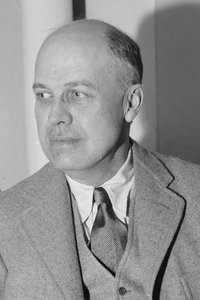
1882–1967, United States of America
Edward Hopper
The Quietude of the American Scene Edward Hopper was born in Upper Nyack, United States of America. His early years were spent observing the world with a steady eye, a habit that began with childhood sketches meticulously dated and signed. While his parents suggested a practical path in commercial illustration, his focus remained on fine art. He studied at the New York School of Art under William Merritt Chase and Robert Henri.
Also by Edward Hopper
 Nighthawks, The Art Institute of Chicago, Chica1942
 Automat (small)
 House by the Railroad1925
 New York Movie1939
Essays around squam light
 Harlem Renaissance vs. American Scene Painting: Defining Two Eras of US ArtDiscover the stylistic differences between Harlem Renaissance and American Scene Painting. Explore these iconic art movements now.
 American artworks of the 1940sIconic 1940s American works by Edward Hopper and Dorothea Lange. Explore the full collection online at OriginalUniqueArt.com.
 American artworks of the 1950sIconic 1950s American works by Edward Hopper and Richard Avedon define an era. Explore the full collection online at OriginalUniqueArt.com.