The Rise of Realism: Challenging Academic Conventions
American realism was a movement in art, music and literature that depicted contemporary social realities and the lives and everyday activities of ordinary people. The movement began in literature in the mid-19th century, and became an important tende...
At the dawn of the 20th century, a seismic shift occurred within the American art world. For decades, the prevailing aesthetic had favored idealized landscapes and portraits steeped in European tradition – echoes of the Hudson River School and the refined elegance of Sargent’s society portraits. But a new generation of artists, restless and attuned to the rapidly changing realities of urban life, began to question these established norms. They sought not to depict an imagined past or a romanticized present, but rather the raw, unvarnished truth of contemporary existence. This burgeoning movement, known as American Realism, wasn’t merely a stylistic departure; it was a deliberate rejection of academic conventions and a bold embrace of the everyday.
The roots of this rebellion can be traced back to earlier figures like Thomas Eakins and Winslow Homer, artists who dared to portray subjects with unflinching honesty. However, it was the confluence of social forces – unprecedented immigration, industrialization’s relentless march, and a growing awareness of class disparities – that truly fueled Realism's rise. Artists felt compelled to document these transformations, to give voice to those often overlooked by traditional art circles. This wasn’t simply about technical skill; it was about bearing witness, about creating a visual record of a nation grappling with its own identity.
The influence of European Realism and Impressionism also played a crucial role, though American artists weren't content to merely replicate these styles. They adapted them, infusing them with a distinctly American sensibility – a grittier palette, a more direct engagement with social issues, and an unwavering focus on the lives of ordinary people.
Ashcan School Pioneers: Capturing Urban Life's Gritty Truth
 Wikipedia: Ashcan School
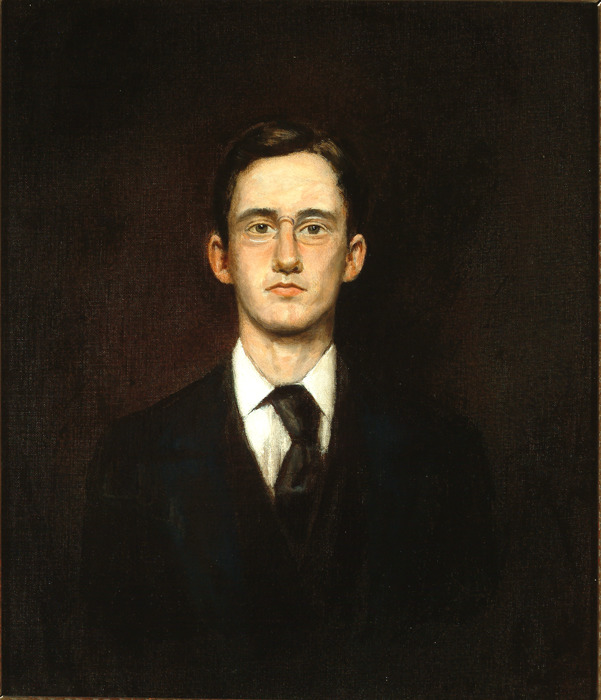
The Ashcan School, also called the Ash Can School, was an artistic movement in the United States during the late 19th-early 20th century that produced works portraying scenes of daily life in New York, often in the city's poorer neighborhoods. The ar...
Emerging from this broader Realist current was a particularly vibrant and provocative group known as the Ashcan School. Based primarily in New York City, these artists – Robert Henri, George Luks, William Glackens, John Sloan, and Everett Shinn among them – turned their attention to the city’s underbelly: its crowded tenements, bustling streets, and lively saloons. The moniker “Ashcan,” initially intended as a derogatory label, perfectly captured their subject matter – the dirt, grime, and unglamorous realities of urban life.
Henri, often considered the spiritual leader of the group, encouraged his followers to paint what they saw, to immerse themselves in the city’s rhythms and capture its essence with immediacy. Luks, a former sports cartoonist, brought a dynamic energy to his depictions of street scenes and boxing matches. Glackens focused on capturing the fleeting moments of everyday life – families enjoying a picnic, women shopping, children playing in the streets. Sloan, perhaps the most overtly political of the group, used his art to document the struggles of the working class and the inequalities of urban society.
Their paintings weren’t about idealized beauty; they were about capturing the energy, chaos, and humanity of a rapidly changing city. John Sloan's “McSorley’s Bar” (1912), for example, offers an intimate glimpse into the working-class life of New York City, portraying the camaraderie and rough charm of a local tavern. These artists weren’t afraid to confront uncomfortable truths, and their work often challenged the sensibilities of more conservative audiences.
Social Realism & the American Scene: Beyond Representation
Social realism is work produced by painters, printmakers, photographers, writers, filmmakers and some musicians that aims to draw attention to the real socio-political conditions of the working class as a means to critique the power structures behind...
As the Ashcan School gained prominence, its focus on social issues paved the way for the broader movement of Social Realism. While sharing a commitment to depicting contemporary life, Social Realist artists went further, explicitly aiming to critique the power structures behind the socio-political conditions they portrayed. This wasn’t simply about observation; it was about advocacy, about using art as a tool for social change.
The aftermath of the Great Crash and the subsequent Depression intensified this focus on social commentary. Artists like Raphael Soyer turned their attention to the plight of the unemployed and the struggles of working-class families. They sought to portray these individuals not merely as victims, but as heroic figures embodying strength and resilience in the face of adversity. The goal was to make art accessible to a wider audience, to connect with everyday people and inspire them to action.
The American Scene movement, which overlapped with Social Realism, further broadened this scope, encompassing regionalist artists who focused on capturing the unique character of different parts of the country. While not always explicitly political, these artists shared a commitment to portraying authentic American experiences, often celebrating rural life and traditional values.
Key Figures and Defining Works: Bellows, Sloan, and Glackens
George Bellows stands out as a towering figure within American Realism. While initially influenced by the Ashcan School’s gritty realism, he developed his own distinctive style characterized by powerful compositions and dramatic lighting. His paintings of boxing matches, such as “Dempsey and Firpo” (1924), are not merely depictions of sporting events; they are visceral explorations of human strength, violence, and the spectacle of modern life.
John Sloan’s work evolved over time, moving from early newspaper illustrations to more nuanced portrayals of urban life. His paintings and etchings often focused on the lives of women, capturing their struggles and aspirations with sensitivity and empathy. “Garaldine Lee, No. 2” (1916) exemplifies his ability to convey quiet contemplation and emotional depth.
William Glackens’s work is characterized by its vibrant energy and dynamic compositions. He captured the fleeting moments of everyday life – families enjoying a picnic, women shopping, children playing in the streets – with a sense of immediacy and joy. His paintings offer a glimpse into the pleasures and challenges of urban existence.
Thematic Concerns: Labor, Immigration, and Modernity
Several key themes consistently emerged within American Realist art. The plight of the working class was a recurring subject, as artists sought to document the harsh realities of factory life, the struggles for fair wages, and the inequalities of industrial society. Paintings depicting crowded tenements, sweatshops, and labor strikes served as powerful indictments of social injustice.
Immigration also played a central role, as artists captured the experiences of newly arrived immigrants – their hopes, dreams, and challenges. These paintings often depicted the overcrowded conditions of immigrant neighborhoods, the struggles to assimilate into American society, and the resilience of these communities.
The rapid pace of modernity itself was another key concern. Artists sought to capture the energy, chaos, and alienation of urban life – the bustling streets, towering skyscrapers, and relentless pursuit of progress. This often involved a sense of fragmentation and disorientation, reflecting the anxieties of a nation grappling with its own transformation.
Legacy and Influence: The Enduring Impact of American Realism
The impact of American Realism extends far beyond the early 20th century. Its commitment to depicting contemporary life with honesty and empathy paved the way for subsequent generations of artists who sought to engage with social issues and challenge established norms. The movement’s influence can be seen in the work of Regionalist painters like Grant Wood and Thomas Hart Benton, as well as later movements such as Photorealism.
More importantly, American Realism continues to resonate today because it reminds us of the importance of bearing witness, of giving voice to those often overlooked by mainstream culture. The paintings of Bellows, Sloan, Glackens, and their contemporaries offer a powerful glimpse into a pivotal moment in American history – a time of rapid change, social upheaval, and artistic innovation.
At OriginalUniqueArt.com, we are dedicated to making these masterpieces accessible to all. Explore our collection of American Realist paintings and discover the enduring power of art to illuminate the human condition. From custom reproductions to detailed appraisals, we offer a range of services to help you connect with the artworks that inspire you. Find your own piece of history today.