Switch to Print
 Read More







































 For artworks or reproductions larger than 105 cm (approximately 41 inches) on any side, the frame will be shipped as a kit, disassembled. This method ensures safe delivery and prevents damage during transport.


A Window onto Modernity: Capturing the Soul of Paris
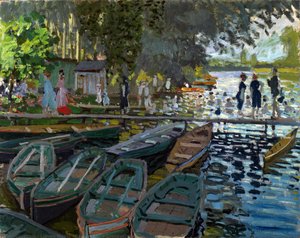
Painted in 1877, this iconic work offers a captivating glimpse into the heart of Parisian life during a period of rapid industrialization. Claude Monet doesn’t simply depict Gare Saint-Lazare; he translates its energy, atmosphere, and the very *feeling* of modernity onto canvas. This painting is more than just a railway station – it's a poetic statement about progress, transience, and the beauty found within the everyday.
Impressionistic Mastery: Light, Color & Technique
A quintessential example of Impressionism, this piece prioritizes capturing the fleeting effects of light and atmosphere over precise detail. Monet’s signature loose brushwork creates a dynamic surface, allowing colors to blend optically in the viewer's eye. He masterfully renders steam not as solid form, but as an ethereal presence that envelops the scene, diffusing light and creating a sense of movement. The muted palette – cool blues, grays, and whites punctuated by warm ochres and reds – evokes the hazy atmosphere of the station, while simultaneously highlighting the artificial illumination within.
The Rise of the Railway & Parisian Life
The late 19th century witnessed a dramatic transformation in urban life fueled by the expansion of railway networks. Gare Saint-Lazare, completed in 1869, became a symbol of this new era – connecting Paris to the rest of France and beyond. Monet’s series focusing on the station wasn't merely about documenting architecture; it was an exploration of how these modern structures impacted daily life and altered perceptions of time and space. He saw beauty where others might have seen only industry, elevating a functional building into a subject worthy of artistic contemplation.
Symbolism & Emotional Resonance
Beyond its depiction of industrial progress, this painting subtly explores themes of transience and the ephemeral nature of experience. The arriving and departing trains, the blurred figures on the platform – all suggest constant motion and change. While celebrating modernity, there’s a melancholic undercurrent, hinting at the fleeting moments that define human existence. The locomotive itself embodies power and speed, but also a sense of detachment and anonymity within the bustling urban landscape.
Bringing Parisian Elegance to Your Space
A reproduction of this masterpiece offers more than just aesthetic appeal; it’s an investment in art history and a conversation starter for any interior. The painting's atmospheric quality lends itself beautifully to various décor styles, from contemporary lofts to classic libraries. Its muted color palette provides a sophisticated backdrop, while its dynamic composition adds visual interest and depth. Imagine this artwork gracing your living room, study, or office – a timeless reminder of Paris’s enduring allure and the power of Impressionistic vision.
Questions & Answers
What is the emotional tone of "Gare Saint Lazare, Pari" by Claude Monet?
"Gare Saint Lazare, Pari" is associated with a reflective feeling. The emotional tone describes the impression the work gives.
What are the date and style of "Gare Saint Lazare, Pari" by Claude Monet?
"Gare Saint Lazare, Pari" by Claude Monet is dated 1877 and belongs to Impressionism.
What is "Gare Saint Lazare, Pari" about?
The themes present in "Gare Saint Lazare, Pari" by Claude Monet include parisian station, industrial progress, modern cityscape, steam & movement, train travel”, “urban life”, “monet’s paris”. Together they summarize the artwork's subject matter.
More about this painting
 Preview
 Send
Send Share
Share
 Details
 Guide
Guide

 Download
 Similars
 X-Ray
X-Ray Diaporama
 Q&A
Q&A Stats
Stats Top100