A Monumental Tapestry: The National Museum in Kraków
The National Museum in Kraków isn’t simply a building housing art; it is Poland itself rendered in brushstrokes, sculpted in metal, and woven into the very fabric of its history. Established in 1879, this institution stands as the nation's largest museum, a testament to centuries of creative resilience within the historic heart of Kraków. Its collection—a staggering 780,000 pieces spanning archaeology to modern art—offers an unparalleled journey through Poland’s aesthetic soul, a narrative that echoes with both triumph and profound loss. The story of the MNK is inextricably linked to the city it inhabits; from its initial roots within the venerable Sukiennice (Cloth Hall) on Kraków's Main Market Square, it has grown into a cultural beacon whose very existence embodies Poland’s enduring spirit.
The Echoes of Young Poland and Beyond
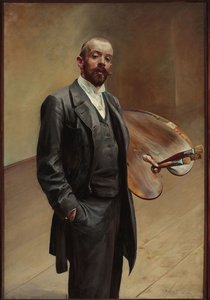
Within these walls reside masterpieces that define Polish artistic movements, none more powerfully than the *Young Poland* period—a fin-de-siècle surge of symbolism, decadence, and fervent national identity. To wander through these galleries is to be immersed in a world conjured by artists like Jacek Malczewski, whose paintings seamlessly blend mythological figures with introspective portraits, often imbued with a haunting sense of melancholy. Leon Wyczółkowski’s atmospheric landscapes capture the Polish countryside not as idyllic vistas but as spaces steeped in quiet beauty and subtle drama. The vibrant depictions of Kraków society by Włodzimierz Tetmajer offer glimpses into a world on the cusp of change, while the powerfully symbolic creations of Stanisław Wyspiański—a true polymath who left an indelible mark on Polish art, theatre, and design—resonate with a uniquely Polish sensibility. Beyond *Young Poland*, the 20th Century Polish Art Gallery showcases the dynamism of subsequent generations, revealing the influence of Cubism, Expressionism, Colorism, and avant-garde experimentation. The presence of iconic figures such as Olga Boznańska, celebrated for her captivating portraits that exude intimacy and psychological depth, further enriches this compelling collection. These are not merely paintings; they are windows into the Polish psyche, reflections of a nation grappling with its identity in a rapidly changing world.
Arms, Armour & Decorative Arts: A Tapestry of History
The National Museum’s scope extends far beyond painting and sculpture, offering a fascinating glimpse into Poland's military past through its Historical Militaria department. Imagine standing before meticulously crafted Polish armor from the 16th and 17th centuries—each plate reflecting not just craftsmanship but also the engineering prowess of generations. Alongside these imposing figures stand sabers gleaming with history, ornate saddles whispering tales of battles fought, and uniforms that evoke a sense of both grandeur and sacrifice. This collection isn’t simply about weaponry; it's a testament to Poland’s martial heritage, a tangible link to its complex past. Complementing this display are exquisite collections of Decorative Arts—gold, silver, ceramics, and other objects reflecting diverse historical periods and artistic styles. These pieces offer insight into the daily lives, tastes, and aesthetic sensibilities of past generations, revealing a nuanced understanding of Polish culture beyond the grand narratives of kings and battles. The detailed watercolor cityscapes of Stanisław Tondos provide another layer to this historical tapestry, documenting Kraków’s architectural heritage with remarkable precision.
Loss & Remembrance: A Shadow Over Brilliance
The museum's history is not without its shadows. The Second World War inflicted a devastating blow, as German forces systematically looted vast portions of the collection. While significant efforts were made to recover stolen artifacts after the war, over 1,000 remain missing—a poignant reminder of the cultural devastation wrought by conflict. Perhaps the most heartbreaking loss is Pieter Bruegel the Elder’s *The Fight Between Carnival and Lent*, a masterpiece donated in 1937 that vanished during the occupation. This absence serves as a powerful symbol of Poland's enduring struggle to preserve its heritage amidst turbulent times, fueling ongoing efforts to locate and repatriate lost treasures. The museum stands not only as a celebration of artistic achievement but also as a memorial to what was lost, ensuring that these stories are never forgotten—a solemn reminder of the fragility of culture in the face of destruction.
A Unique Cultural Beacon
What truly sets the National Museum in Kraków apart is its sheer scale and comprehensive scope. It’s more than just an art gallery; it's a cultural ecosystem encompassing archaeology, history, decorative arts, and modern expression. Its location within Kraków—a city steeped in historical significance and architectural beauty—adds to its allure. The museum isn’t simply *in* Kraków; it is intrinsically linked to the city’s identity, reflecting its spirit of resilience, creativity, and enduring cultural pride. A visit here is an immersive experience, offering something for every visitor—from seasoned art historians to curious travelers seeking a deeper understanding of Poland's captivating past and vibrant present. It is a place where history comes alive, where beauty endures, and where the soul of a nation finds its voice.