A Sanctuary of Flemish Splendor: Exploring the Diocesan Museum of Burgos Cathedral
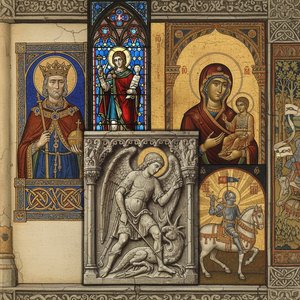
Nestled within the magnificent UNESCO World Heritage site of Burgos Cathedral, Spain, lies a museum dedicated to preserving and celebrating the artistic legacy of the Diocese – a testament to centuries of devotion and artistic patronage. More than just a repository of relics, it’s an immersive experience transporting visitors back in time to witness the evolution of sacred art and craftsmanship within one of Spain's most revered Gothic cathedrals.- Collection Highlights: The museum’s core comprises a breathtaking assemblage of religious paintings and sculptures spanning diverse periods – from the medieval era through the Baroque – reflecting stylistic influences ranging from Romanesque to Flemish Renaissance. Dominating the collection are exquisite Flemish panels, painstakingly crafted by masters like Hans Memling, showcasing unparalleled detail and luminosity; these artworks exemplify the artistic fervor of Northern Europe during their formative years.
- Ancient Codices & Liturgical Treasures: Delving deeper into ecclesiastical history reveals remarkable illuminated manuscripts – codices – adorned with intricate calligraphy and vibrant pigments. Alongside these textual treasures are precious liturgical objects—chalices, candlesticks, altar cloths—each bearing witness to the rituals and ceremonies that shaped spiritual life throughout the Diocese’s history.
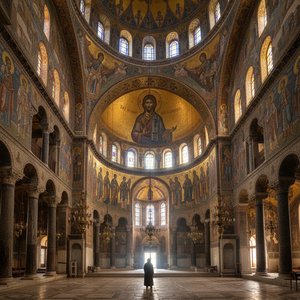
- Architectural Context: The museum occupies a space within the cathedral complex itself, specifically utilizing former monastic halls or chapter houses. This strategic placement enhances the visitor's journey, allowing them to appreciate the grandeur of the cathedral alongside its artistic treasures—a harmonious blend of architectural majesty and devotional artistry.
Founded in the 18th century as a charitable institution aimed at safeguarding ecclesiastical heritage, the Diocesan Museum’s mission has remained steadfast: to illuminate the spiritual narrative interwoven with artistic achievement. Its curators have championed scholarly research and meticulous conservation efforts, ensuring that future generations can contemplate these masterpieces.
- Notable Exhibitions: Throughout its history, the museum has hosted significant exhibitions focusing on themes such as Flemish painting techniques, Gothic sculpture, and the role of Burgundian patronage in shaping artistic expression. Recent initiatives have explored connections between medieval spirituality and contemporary art, fostering dialogue across eras.
What distinguishes Burgos Cathedral’s Diocesan Museum is its unparalleled intimacy—a chance to engage directly with the tangible embodiment of faith and artistic excellence within a UNESCO World Heritage site. Visitors can gain profound insight into the cultural landscape of Spain during the Gothic period, appreciating not only the beauty of the artworks but also their historical significance as symbols of piety and artistic innovation.
- Accessibility: The museum strives to accommodate visitors with disabilities; detailed accessibility information is available on the cathedral’s official website ( https://catedraldeburgos.es/patrimonio/museo-catedralicio/ ).
A pilgrimage to Burgos Cathedral culminates in a visit to this museum—a rewarding exploration for anyone captivated by art history, religious iconography, and the enduring legacy of European artistic traditions.