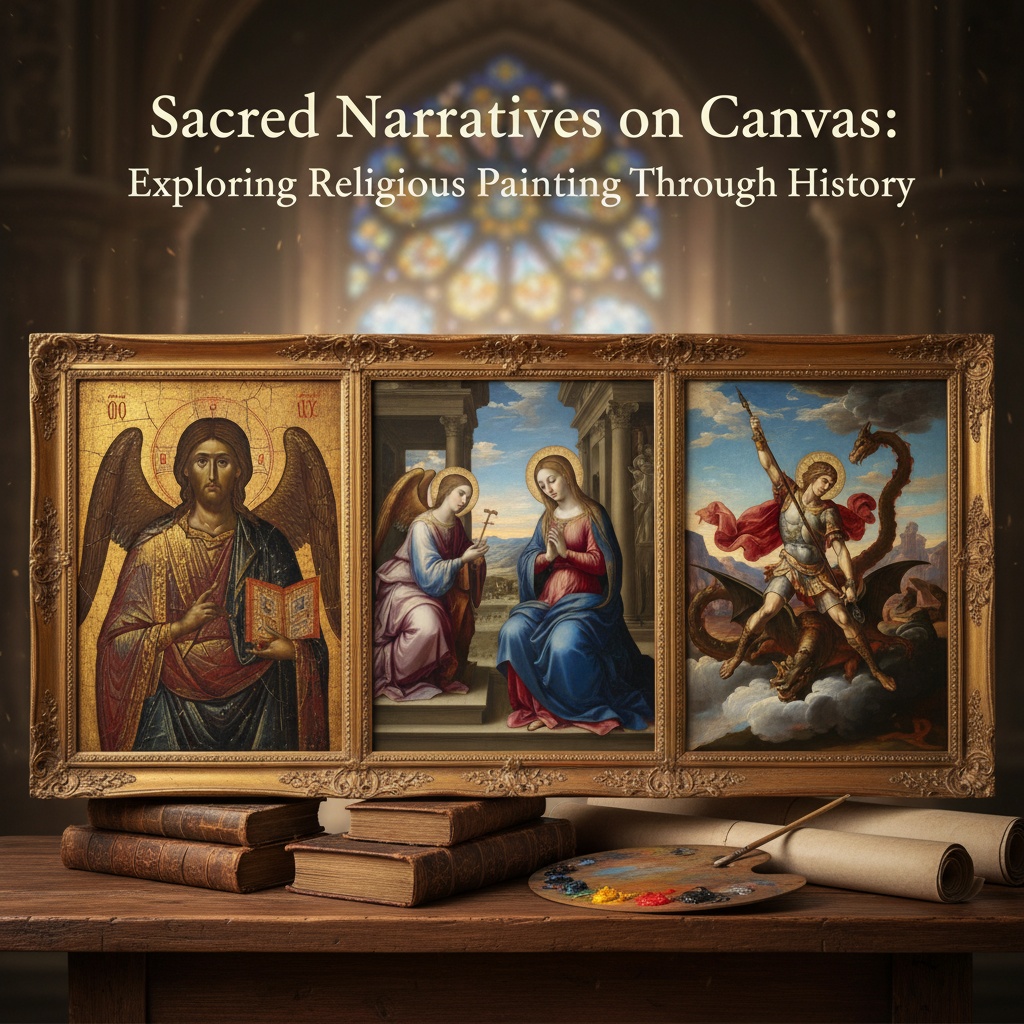
The Dawn of Devotion: Religious Art in Antiquity and Early Christianity
 Decoding Art History: A Guide to Recognizing Artistic Periods
Explore the fascinating world of art history! This guide decodes artistic periods & movements, helping you recognize styles and appreciate masterpieces. Enhance your art knowledge today!
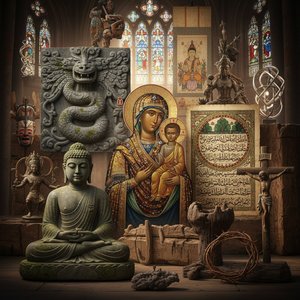
Long before the Renaissance masters graced canvases with their vision, humanity sought to visualize the divine. The earliest expressions of religious art weren’t confined to grand altarpieces or soaring frescoes; they were born from a fundamental human need to connect with the unseen, etched into cave walls, sculpted in stone, and woven into the very fabric of daily life. In ancient Egypt, elaborate tomb paintings depicted journeys to the afterlife, filled with symbolic representations of gods and goddesses intended to ensure safe passage for the deceased. Similarly, classical civilizations embraced mythology, portraying their pantheon of deities through breathtaking sculptures and murals – a testament to their beliefs and values. However, it was with the rise of Christianity that religious art began its most profound transformation.
The earliest Christians, facing persecution, often utilized discreet symbolism—the fish (ichthys) serving as a secret identifier, catacombs adorned with simple frescoes depicting biblical scenes. These weren’t intended for public display but were intimate expressions of faith within a clandestine community. As Christianity gained acceptance, art began to evolve beyond mere symbolic representation. The mosaics of early churches in Rome and Ravenna, shimmering with gold and vibrant color, depicted Christ as the Good Shepherd, Mary enthroned, and scenes from the Old and New Testaments. These weren’t simply illustrations; they were *theological statements* rendered in breathtaking visual form, designed to educate and inspire a largely illiterate population.
Byzantine Brilliance: Icons, Mosaics, and Spiritual Expression
The Eastern Roman Empire, or Byzantium, became the epicenter of religious art for over a thousand years. Here, the icon—a stylized portrait of Christ, Mary, saints, or biblical scenes—reached its zenith. Icons weren’t considered mere representations but windows into the divine realm, imbued with sacred power. The meticulous detail, the use of gold leaf to represent heavenly light, and the specific conventions governing their creation were all dictated by strict theological principles. Artists didn't strive for realism in the modern sense; instead, they aimed to convey spiritual truth through symbolic language and a deliberate flattening of perspective.
The magnificent mosaics adorning churches like Hagia Sophia in Constantinople exemplify Byzantine artistry. These vast, shimmering surfaces depicted biblical narratives and imperial portraits, creating an atmosphere of awe and reverence. The use of tesserae—small pieces of glass or stone—allowed for incredible detail and a captivating play of light. Beyond their aesthetic beauty, these mosaics served as powerful tools of religious instruction and imperial propaganda, reinforcing the authority of both church and state. This period saw the development of complex hierarchical compositions, where figures were arranged according to their spiritual importance, reflecting a carefully ordered cosmos.
Renaissance Transformations: Humanism, Realism, and the Divine
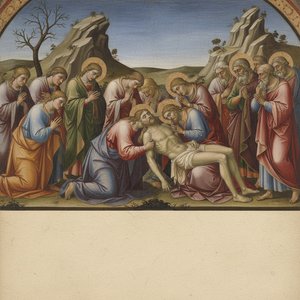
 Crucifixion
Fra Angelico’s ‘Crucifixion’ (1420) is a masterpiece of Early Renaissance art. Explore this poignant tempera painting's symbolism, detailed composition & historical significance at the Met.
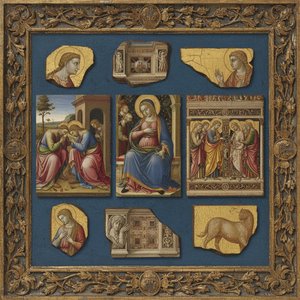
The Renaissance witnessed a seismic shift in artistic philosophy. While religious themes remained central, artists began to embrace humanism—a renewed interest in classical learning and a focus on the individual. This led to a dramatic departure from the stylized conventions of Byzantine art. Artists like Giotto di Bondone pioneered a more naturalistic approach, imbuing their figures with emotion and volume. His frescoes, such as “Saint Stephen” (featured at OriginalUniqueArt.com), demonstrate a newfound attention to anatomy, perspective, and realistic depiction of human form—a precursor to the High Renaissance.
Fra Angelico’s “Crucifixion” (also available through OriginalUniqueArt.com) exemplifies the Early Renaissance synthesis of religious devotion and humanist ideals. The painting's delicate colors, detailed composition, and poignant symbolism convey a profound sense of sorrow and sacrifice. Later masters like Michelangelo pushed the boundaries even further, achieving unparalleled anatomical accuracy and emotional intensity in works such as the Sistine Chapel ceiling. This period wasn’t about abandoning religious faith; it was about *reinterpreting* it through the lens of human experience. The use of chiaroscuro—the dramatic contrast between light and shadow—became a hallmark of Renaissance painting, adding depth and realism to sacred scenes.
Symbolism Unveiled: Decoding Common Motifs in Religious Painting
A halo (from Ancient Greek ἅλως, hálōs, 'threshing floor, disk'), also called a nimbus, aureole, glory or gloriole (Latin: gloriola, lit. 'little glory'), is a crown of light rays, circle or disk of light that surrounds a person in works of art. Th...
Religious paintings are replete with symbolism, often layered and complex. Understanding these motifs is crucial to appreciating the deeper meaning behind the artwork. The halo, for example—a circle of light surrounding a holy figure—represents sanctity and divine grace. Its origins can be traced back to ancient depictions of sun gods, but it became firmly associated with Christian iconography. Similarly, doves often symbolize the Holy Spirit, while lilies represent purity and the Virgin Mary.
The colors themselves carry symbolic weight: gold represents divinity, red signifies sacrifice and passion, blue embodies heaven and spiritual truth, and green symbolizes hope and renewal. Even seemingly mundane objects can hold profound meaning. A lamb might represent Christ as the sacrificial victim, while a peacock symbolizes immortality. Artists also employed specific compositional techniques to convey theological ideas. Hierarchical scale—depicting important figures larger than others—emphasized their spiritual authority. The arrangement of figures in triangular compositions often symbolized the Holy Trinity.
Beyond Representation: The Emotional Power of Sacred Art
Ultimately, religious painting transcends mere representation; it’s about evoking emotion and fostering a connection with the divine. Artists sought to create works that would inspire awe, reverence, and contemplation. The poignant expressions on the faces of Mary mourning her son, the dramatic lighting illuminating scenes of martyrdom, and the vibrant colors conveying heavenly glory—all were carefully crafted to elicit an emotional response from the viewer.
The enduring power of these artworks lies in their ability to tap into universal human emotions—love, loss, faith, and hope. Whether it’s Giotto's compassionate depiction of Saint Stephen or Fra Angelico’s tender portrayal of the Crucifixion, these paintings continue to resonate with audiences centuries later. They remind us of our shared humanity and the enduring search for meaning in a complex world.
The Enduring Legacy: Religious Painting's Influence on Modern Art
The influence of religious painting extends far beyond its historical context. The techniques developed during the Renaissance—perspective, chiaroscuro, anatomical accuracy—became foundational principles of Western art. Even artists who rejected traditional religious themes often drew inspiration from the compositional structures and symbolic language of their predecessors.
Furthermore, the emotional power of sacred art continues to inspire contemporary artists. From reinterpretations of biblical narratives to explorations of spirituality and faith, the legacy of religious painting remains vibrant and relevant today. At OriginalUniqueArt.com, we are proud to offer high-quality reproductions of these iconic masterpieces, allowing you to bring the beauty and inspiration of sacred art into your own home. Explore our collection and discover the timeless power of religious imagery—a testament to humanity’s enduring quest for meaning and connection with the divine. We invite you to delve deeper into the world of art history and find a piece that speaks to your soul.