Preview
 Send
Send Share
Share
 Details
 Guide
Guide

 Download
 Similars
 X-Ray
X-Ray Diaporama
 Stats
StatsHecate or the Three Fates
 Acrylic On Canvas
- WallArt
- Romanticism
 1795
1795 439.0 x 581.0 cm
 Tate Gallery
 Read More
Giclée / Art Print
Museum-quality giclée or canvas print with fast production and flexible finish options. ( Buy Hand Made Painting Switch to Digital Image)




P118B $10

P118H $10

P118W $10

P438Z $10

P508JH $12

P508YH $12

P805H $10

P805Z $10

P919BZ $10

P919G $10

P919XJ $10

P959ZH $10

P968JZ $12

W106C $8

W218G $10

W218JH $8

W218Y $10

W307PJ $10

W316G $10

W316PJ $8

W316Y $10

W398PJ $8

W4111J $10

W500HY $15

W500JH $15

W692G $12

W849H $8

W940BG $15

W953PJ $8




Pick from our preset sizes that match the artwork's original proportions.

Type the width and the height you need, to fit your frame or your wall. A print can only be cut, never made bigger than the picture, so a size with a different shape loses a part of the image. We send you a digital mockup to approve before we print anything. The picture shown on this page does not show the real cut — only the mockup does.
Worldwide Delivery () in 2 weeks instead of standard 4/5 weeks. (22 October)

Free Worldwide Express Shipping

High-Quality Linen Canvas

Full Shipping Insurance

Customs Tax Refund Guarantee

True Color Matching Guarantee

100-Day Return Policy (Defects Only)

100% Money-Back Guarantee

Bulk Discount Offer
 Glass option is only available in size under 110 CM

Hecate or the Three Fates
Giclée / Art Print
Reproduction Size
-


Total Price
$ 81
A Haunting Vision: William Blake’s “Hecate or the Three Fates”
William Blake's "Hecate or the Three Fates," painted in 1795, is not merely a depiction of figures; it’s an immersion into a profoundly layered and intensely personal vision. This arresting image, measuring a substantial 439 x 581 cm, transcends simple representation to become a potent exploration of fate, mortality, and the intertwined realms of the material and spiritual. The painting immediately draws the viewer in with its somber palette – predominantly blacks and deep browns – punctuated by the stark white of the seated woman’s garments and the luminous presence of the owl perched high above. It's a scene steeped in atmosphere, radiating an almost palpable sense of melancholy and quiet contemplation.
Blake’s technique is immediately recognizable: a masterful blend of drawing and printmaking, executed with a remarkable degree of detail despite the painting’s relatively small scale. The figures are rendered with a meticulousness that borders on obsessive, each line and shadow carefully considered to convey texture and form. Notice particularly the intricate folds of the woman's clothing, the delicate rendering of the dog’s fur, and the almost sculptural quality of the rock formation upon which the owl rests. This hybrid approach—drawing as the foundation, then embellished with a painterly hand—was characteristic of Blake’s practice, allowing him to simultaneously control both the precision of line and the expressive potential of color.
Decoding the Mythic Narrative
The subject matter itself is rich in mythological resonance. “Hecate,” the Greek goddess of magic, witchcraft, crossroads, and ghosts, is central to the composition. She’s often depicted as a three-faced figure, and here, we see her represented by the Three Fates – Clotho (spinner of fate), Lachesis (measurer of destiny), and Atropos (cutter of life). The woman seated in the lap, seemingly lost in contemplation, is widely interpreted to be Death herself, offering a glimpse into the inescapable nature of fate. The presence of the dog, traditionally associated with loyalty and guardianship, suggests a connection between earthly bonds and the cyclical nature of existence.
The books scattered throughout the scene are significant symbols as well. They represent knowledge, wisdom, and the pursuit of understanding – yet their placement also hints at the limitations of human intellect when confronted with the mysteries of fate and mortality. The owl, a creature often linked to prophecy and wisdom in Blake’s work, perches atop the rock, acting as a silent observer, a guardian of secrets, and perhaps even a messenger from the otherworld.
Romanticism and the Inner Landscape
“Hecate or the Three Fates” is firmly rooted within the Romantic movement, a period characterized by an intense focus on emotion, imagination, and the individual’s subjective experience. Blake was a key figure in this artistic revolution, rejecting the Enlightenment's emphasis on reason and embracing instead the power of intuition and visionary insight. This painting exemplifies that shift—it isn’t concerned with objective representation but rather with conveying a deeply felt emotional state and exploring the complexities of the human psyche.
Painted during a period of intense personal and spiritual searching for Blake, this work reflects his fascination with alchemy, mythology, and esoteric knowledge. He believed in a profound interconnectedness between all things—the material world and the spiritual realm—and sought to express this unity through his art. “Hecate or the Three Fates” is therefore not just a beautiful image; it’s a window into Blake's intensely personal worldview, offering a glimpse of his unique vision of the universe.
Bringing the Vision Home: A OriginalUniqueArt Reproduction
OriginalUniqueArt.com offers meticulously crafted hand-painted reproductions of William Blake’s “Hecate or the Three Fates,” allowing you to experience this iconic artwork in stunning detail and vibrant color. Our skilled artisans replicate Blake's intricate technique, capturing the painting’s atmospheric depth and symbolic richness with unparalleled accuracy. Available on canvas, linen, and archival paper, our reproductions are designed for lasting beauty and preservation.
- Authentic Detail: Each reproduction is created by hand, ensuring a level of fidelity that cannot be achieved through digital printing.
- Premium Materials: We use only the finest archival-quality materials to guarantee long-lasting color and vibrancy.
- Multiple Sizes & Finishes: Choose from a range of sizes and finishes to perfectly complement your space and style.
- A Window into Genius: Own a piece of art history and bring the visionary world of William Blake into your home.
Explore our selection of “Hecate or the Three Fates” reproductions today and discover the enduring power of this remarkable painting. (Click here to view available options)
Questions & Answers
What art movement does "Hecate or the Three Fates" by William Blake belong to?
"Hecate or the Three Fates" is a work of Romanticism. The movement indicates the artistic tradition the work is part of.
How strong are the colors of "Hecate or the Three Fates"?
"Hecate or the Three Fates" by William Blake is recorded with a muted saturation and a monochromatic intensity.
What subjects appear in "Hecate or the Three Fates" by William Blake?
"Hecate or the Three Fates" by William Blake depicts: mythology, fate, women, owls, books, london, visionary.
Artist Biography
A Visionary’s Journey: The Life and Art of William Blake
William Blake, born in London on November 28, 1757, was a figure perpetually out of step with his time, yet destined to become one of the most celebrated artists and poets of the Romantic Age. His life unfolded against the backdrop of a rapidly changing England—a world grappling with industrialization, political upheaval, and shifting spiritual beliefs. From humble beginnings as the son of a hosier, Blake’s early years were marked by an intensely vivid imagination and a propensity for visionary experiences that would profoundly shape his artistic trajectory. Though largely self-taught in formal academics, he received drawing instruction at a young age, quickly revealing a talent that hinted at the extraordinary path ahead. His apprenticeship with engraver James Basire proved pivotal, providing him not only with technical mastery but also an understanding of printmaking techniques he would later revolutionize. These early influences—the Gothic grandeur of Westminster Abbey, the classical forms of Raphael and Michelangelo—served as foundational elements in his developing aesthetic, though Blake was never one to remain bound by convention.The Illuminated World: Technique and Innovation
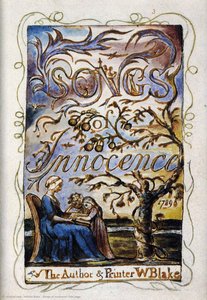
Blake’s artistic innovation wasn't merely about subject matter; it resided fundamentally in *how* he created. Dissatisfied with conventional engraving methods, he developed a unique process known as “illuminated printing.” This involved etching both text and illustrations onto copper plates, then hand-coloring the resulting prints—a laborious but deeply personal approach that allowed for complete artistic control. This wasn’t simply illustration accompanying poetry; it was an integrated art form where image and verse were inextricably linked, each enhancing the meaning of the other. His relief etching technique, born from a claimed visionary experience following his brother's death, further distinguished his work, granting it a distinctive textural quality and allowing for greater artistic freedom than traditional methods. Beyond printmaking, Blake also worked with watercolors and tempera paints, often depicting biblical scenes or fantastical subjects imbued with symbolic weight. A key characteristic of his style was a deliberate rejection of linear perspective in favor of a more emotive, symbolic representation—a flattening of space that drew the viewer into the heart of his visionary world.Themes of Innocence, Experience, and Rebellion
The core of Blake’s artistic output lies in its exploration of profound themes: the duality of innocence and experience, the constraints of reason versus the liberating power of imagination, and a fierce critique of societal norms.- Songs of Innocence and of Experience (1794), perhaps his most accessible work, presents a contrasting vision of childhood—one idyllic and untainted, the other marked by hardship and corruption.
- The Marriage of Heaven and Hell (1793) is a provocative prose poem that challenges conventional morality, celebrating energy, desire, and rebellion against restrictive doctrines.
- His illustrations for Dante’s *Divine Comedy* showcase his dramatic vision and ability to translate complex narratives into powerful visual imagery.
A Legacy Rediscovered: Blake's Enduring Influence
During his lifetime, William Blake remained largely marginalized, misunderstood by many of his contemporaries. His work was often dismissed as eccentric or even mad. He struggled financially throughout much of his life, relying on commissions and the support of a small circle of patrons like Thomas Butts. However, in the decades following his death on August 12, 1827, Blake’s reputation began to grow steadily. The Pre-Raphaelite Brotherhood, captivated by his visionary style and symbolic imagery, embraced him as a kindred spirit. Later movements—Symbolism and Modernism—found resonance in his emphasis on imagination, subjective experience, and spiritual themes. Today, William Blake is recognized as a pivotal figure in the Romantic movement, an artist whose work continues to inspire poets, painters, and thinkers across disciplines. His exploration of complex philosophical and religious ideas through art remains profoundly relevant, challenging us to question conventional wisdom and embrace the power of individual vision. Blake’s legacy isn't simply about his artistic achievements; it is about his unwavering commitment to creative freedom—a testament to the enduring power of imagination in a world often dominated by reason and constraint.
William Blake
1757 - 1827 , United Kingdom
Quick Facts
- Artistic Movement Or Style: Romanticism
- Artists Or Movements Influenced By This Artist:
- Pre-Raphaelite Brotherhood
- Symbolism
- Modernism
- Artists Who Influenced This Artist:
- Raphael
- Michelangelo
- Full Name: William Blake
- Nationality: English
- Notable Artworks:
- Songs of Innocence
- Songs of Experience
- The Tyger
- The Lamb
- Jerusalem
- The Marriage of Heaven and Hell
- Place Of Birth: London, United Kingdom
- Date Of Birth: 1757
- Date Of Death: 1827
Related Articles
John Varley I: Intimate Observation & the British Romantic Landscape
Explore the serene landscapes of John Varley I, a key figure in British Romanticism. Discover his unique watercolour style, collaboration with William Blake & lasting artistic legacy. Learn about collecting Varley's work.

Romantic Realism's Finest: 10 Masterpieces for Your Home | OriginalUniqueArt
Explore 10 defining masterpieces of Romantic Realism! Discover Courbet, Millet & Daumier's powerful paintings—capturing emotion and social realities. Find museum-quality reproductions for your home at OriginalUniqueArt.com.

William Blake: Romantic Visionary & Mystical Genius of the Imagination
Explore the mystical art & poetic genius of William Blake (1757-1827). Discover his revolutionary illuminated printing, rich symbolism, and lasting influence on Romanticism. Find handmade reproductions at OriginalUniqueArt.

Sir William Blake Richmond: A Visionary of Aestheticism & Symbolism
Explore the life & art of Sir William Blake Richmond, a pivotal figure bridging Pre-Raphaelitism and Aestheticism. Discover his stunning portraits, mosaics at St Paul's Cathedral, and lasting influence on Victorian art.

Echoes of Olympus: Mythological Narratives in Western Art Through the Ages
Explore the captivating history of mythological narratives in Western art! From ancient Greece to modern masterpieces, discover iconic artworks & symbolism. Expert analysis and high-quality reproductions at OriginalUniqueArt.