Introduction
To gaze upon these ten masterpieces is to step into a world suspended between dream and reality, where the raw power of human emotion collides with meticulous observation. The Romantic Realism movement, though relatively short-lived, left an indelible mark on art history—a testament to its profound exploration of the individual psyche within the context of a rapidly changing world.
Emerging in the mid-19th century, largely as a reaction against both the idealized classicism and the burgeoning industrialization that swept across Europe, Romantic Realism sought to depict life as it was , but not without acknowledging the subjective experience. It wasn’t simply about mirroring the external world; it was about conveying the internal landscapes of those who inhabited it—their hopes, fears, anxieties, and quiet moments of grace. The movement flourished in France, Germany, and beyond, fueled by social upheaval, political unrest, and a growing fascination with psychology and the human condition.
Artists like Courbet, Millet, and Daumier dared to portray everyday life—the laboring classes, scenes of rural poverty, and the complexities of modern urban existence—with an unprecedented level of honesty. They rejected the grand narratives of history painting in favor of intimate portraits of ordinary people, imbuing their subjects with dignity and pathos. But unlike strict Realism, which focused primarily on objective representation, Romantic Realism infused these depictions with a palpable emotional charge, often hinting at deeper symbolic meanings.
These artworks continue to resonate today because they speak to the universal human experience—our longing for connection, our struggle for meaning, and our enduring capacity for both joy and sorrow. They remind us that even in the face of hardship and uncertainty, there is beauty to be found in the mundane, and power in vulnerability. Prepare to embark on a journey through ten exceptional paintings, each a window into a world where reality and romance intertwine, offering profound insights into the human heart.
Mary Freer - John Constable
 Mary Freer - John Constable
Before John Constable embarked on Mary Freer in 1809, he famously wrote to his friend Archdeacon Fisher lamenting the difficulty of capturing “the spirit of a child’s countenance.” This wasn't merely about likeness; it was about conveying an inner life—a challenge that would define this exquisite portrait and cement its place among the great Romantic Realism masterpieces.
Constable achieves this through a masterful interplay of light and shadow, rendering Mary’s delicate features with breathtaking precision. Her contemplative gaze, slightly parted lips, and gentle posture invite us into her world, evoking a sense of quiet vulnerability. Unlike the grand historical narratives favored by earlier generations, Constable focuses on the intimacy of a single moment, imbuing it with profound emotional depth.
The painting’s technical brilliance—the soft textures of skin and hair, the subtle gradations of color—are hallmarks of Romantic Realism. But it's the artist’s ability to capture Mary’s spirit that truly sets this work apart. The dark background isolates her figure, drawing our attention directly to her face and amplifying the emotional resonance of her expression.
To surround oneself with such artistry is to cultivate an atmosphere of thoughtful contemplation—a space where creativity can flourish. Mary Freer isn’t just a beautiful portrait; it's a reminder that even in moments of quiet solitude, there is beauty, depth, and enduring power. A piece like this elevates any home office or study into a sanctuary for focused work and inspired reflection, embodying the Romantic Realism movement’s core values.
A Harlot's Progress, plate 6 - William Hogarth
 A Harlot's Progress, plate 6 - William Hogarth
To gaze upon these ten masterpieces is to step into a world suspended between dream and reality, a realm where the raw power of nature collides with the intimate struggles of the human spirit. The Romantic Realism movement, though relatively short-lived, left an indelible mark on art history – a potent fusion born from the embers of Romanticism’s passion and the burgeoning desire for objective truth that characterized the mid-19th century.
Emerging in France around 1830, Romantic Realism arose as a reaction against both the idealized classicism of earlier generations and the increasingly detached academic styles. It was an era defined by social upheaval – the aftermath of revolution, the rise of industrialization, and a growing awareness of the plight of the working class. Artists sought to depict life as it truly was , not as it ought to be, but they did so with a distinctly Romantic sensibility: emphasizing emotion, atmosphere, and often, a profound sense of melancholy.
These weren’t merely depictions of everyday scenes; they were windows into the soul. The artists who championed this movement – Courbet, Millet, Daumier, and others – dared to portray the lives of ordinary people with dignity and compassion, challenging societal norms and sparking crucial conversations about class, labor, and justice. They embraced a palette often grounded in earthy tones, mirroring the realities they observed, yet infused their work with dramatic lighting and expressive brushwork that conveyed deep emotional resonance.
Why do these works continue to captivate us today? Because at their core, they speak to universal human experiences – love, loss, hardship, resilience. They remind us of the beauty found in simplicity, the power of empathy, and the enduring struggle for a more just world. The following ten paintings represent not simply artistic achievements, but pivotal moments in our collective understanding of ourselves and the society we inhabit. Prepare to be moved, challenged, and inspired as we embark on this journey through the heart of Romantic Realism.
Untitled 6 - William Blake
 Untitled 6 - William Blake
Imagine stepping into a world where the raw energy of emotion collides with meticulous detail – a place where the idealized visions of Romanticism meet the unflinching gaze of Realism. This is the realm of Romantic Realism, an art movement that blossomed in the mid-19th century as a response to both the aristocratic grandeur of Neoclassicism and the burgeoning industrial revolution. It wasn’t merely about depicting life *as it was*, but rather how it felt – the weight of societal pressures, the quiet dignity of everyday people, and the sublime beauty found within the mundane.
Born from a period of immense social upheaval—the aftermath of revolutions, the rise of nationalism, and rapid urbanization—Romantic Realism sought to capture the human condition with unprecedented honesty. Artists moved away from historical or mythological subjects, turning their attention instead to contemporary life: laborers in fields, families at home, portraits that revealed not just likeness but also character and inner turmoil. France, particularly through the Salon exhibitions, became a central hub for this artistic exploration, though its influence quickly spread across Europe and beyond.
These weren't simply paintings; they were statements. They challenged conventions, sparked dialogue about class, poverty, and political injustice, and ultimately redefined what art could be—a mirror reflecting not just the world’s surface, but also its soul. The brushstrokes themselves often carry a palpable sense of empathy, inviting us to connect with the subjects on a deeply human level.
Today, these masterpieces continue to resonate because they speak to universal truths about love, loss, struggle, and resilience. They remind us that beauty can be found in imperfection, that dignity exists in all walks of life, and that art has the power to not only reflect society but also to shape it. Over the next few moments, we will embark on a journey through ten extraordinary artworks that epitomize this powerful movement—each one a window into a world both familiar and profoundly moving.
Feeding the Bird - Winslow Homer
 Feeding the Bird - Winslow Homer
To gaze upon these ten masterpieces is to step into a world suspended between dreams and reality—a realm where the raw, unvarnished truth of human experience intertwines with an almost ethereal longing. The Romantic Realism movement, though relatively short-lived, left an indelible mark on art history, born from a desire to depict life as it *was*, not as it was idealized. It wasn’t simply about mirroring the visible world; it was about capturing its soul.
Emerging in the mid-19th century, Romantic Realism arose as a reaction against both the polished perfection of Neoclassicism and the increasingly industrializing world around them. Artists felt compelled to portray the lives of ordinary people—the laborers, the farmers, the marginalized—with an honesty that had rarely been seen before. This was a period of immense social change; revolutions simmered across Europe, and the burgeoning working class demanded recognition. The movement’s roots lay in a complex interplay of philosophical currents: a fascination with the individual, a growing awareness of social injustice, and a yearning for authenticity.
These weren't merely paintings; they were statements. They challenged conventional notions of beauty, heroism, and subject matter. The artists who spearheaded this movement—Courbet, Millet, Daumier, and others—used their canvases to expose the harsh realities of poverty, labor, and political oppression, but also to celebrate the dignity and resilience of the human spirit. Their work often carried a quiet power, a sense of empathy that transcended social boundaries.
Today, these artworks continue to resonate with us because they speak to universal truths about the human condition. They remind us of our shared struggles, our hopes, and our vulnerabilities. The emotional weight of their subjects—the weariness in a laborer’s eyes, the quiet strength of a mother’s embrace—remains profoundly moving. Over the following pages, we will explore ten paintings that exemplify the core tenets of Romantic Realism, each a window into a specific moment in time and a testament to the enduring power of art to illuminate the human experience. Prepare to be captivated by their beauty, challenged by their honesty, and moved by their timeless relevance.
wreck by the sea - Caspar David Friedrich
 wreck by the sea - Caspar David Friedrich
Imagine stepping into a world where the raw power of nature collides with the intimate realities of human life. A place where grand historical narratives are interwoven with the quiet dignity of everyday existence. This is the realm of Romantic Realism, an art movement that blossomed in the 19th century as a profound response to both the Enlightenment’s emphasis on reason and the burgeoning Industrial Revolution's societal shifts.
Born from the ashes of Neoclassicism and preceding the full embrace of Impressionism, Romantic Realism sought to bridge an apparent divide. Artists weren’t content with idealized forms or purely intellectual compositions; they yearned to depict truth—but not simply as it *was*, but as it *felt*. This meant a deep engagement with emotionality, often expressed through dramatic landscapes, powerful depictions of social issues, and a renewed focus on the individual within the broader context of history and nature. Think of a world grappling with rapid change – urbanization, political upheaval, and the rise of new ideologies – and you begin to understand the urgency that fueled this artistic expression.
The movement wasn’t monolithic; it manifested differently across Europe, from the sweeping historical canvases of France to the more introspective works emerging in Germany and England. However, a common thread united these artists: a desire to capture the complexities of the human condition with unflinching honesty and poetic sensitivity.
The ten masterpieces we’re about to explore aren't merely beautiful paintings; they are windows into a pivotal moment in history—a time when artists dared to look beyond surface appearances and confront the profound questions of existence. They continue to resonate today because they speak to universal themes: love, loss, injustice, hope, and the enduring power of the human spirit. Prepare to be moved, challenged, and inspired as we journey through these iconic works that defined an era and continue to shape our understanding of art and life itself.
Harrowing - Winslow Homer
 Harrowing - Winslow Homer
Imagine stepping into a world where the raw power of nature collides with the intimate lives of everyday people. A place where grand historical narratives are interwoven with deeply personal emotions, and where beauty isn't idealized but found in the grit and truth of existence. This is the realm of Romantic Realism – an art movement that blossomed in the mid-19th century as a response to both the rigid academic traditions and the burgeoning industrial revolution.
Born from the ashes of Neoclassicism and fueled by the social and political upheavals of the time, Romantic Realism sought to capture the complexities of human experience with unprecedented honesty. Artists rejected the polished perfection favored by earlier generations, instead turning their gaze towards the realities of life – often focusing on the struggles of the working class, the beauty of the natural world, and the emotional weight of historical events. It was a period marked by a growing sense of national identity, social consciousness, and an increasing fascination with individual expression.
This movement wasn’t simply about depicting what *was*, but how it *felt*. Think of the somber hues reflecting the anxieties of a changing world, or the dramatic lighting emphasizing the emotional turmoil within a subject's eyes. Romantic Realism aimed to evoke empathy, provoke thought, and challenge viewers to confront uncomfortable truths.
The ten masterpieces we’re about to explore aren't merely paintings; they are windows into another time, offering profound insights into the human condition. They continue to resonate today because they speak to universal themes of love, loss, injustice, and the enduring power of the human spirit. Prepare to be moved by their beauty, challenged by their honesty, and captivated by the stories they tell – stories that remain as relevant now as they were when first painted.
Join us as we journey through these iconic works, uncovering the historical context, artistic techniques, and lasting legacy of Romantic Realism. Let's begin...
Souvenir of Loch Lomond - Paul Gustave Doré
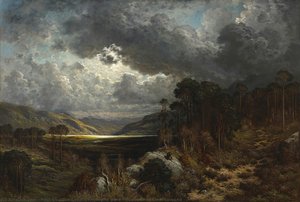 Souvenir of Loch Lomond - Paul Gustave Doré
Imagine stepping into a world where the raw power of nature collides with the intimate realities of human life. A place where grand landscapes aren’t merely backdrops, but active participants in our stories – reflecting our hopes, fears, and enduring spirit. This is the realm of Romantic Realism, an art movement that blossomed in the 19th century as a profound response to both the Industrial Revolution and the lingering echoes of Neoclassicism.
Born from a desire to move beyond idealized forms and academic constraints, Romantic Realism sought truth – not in perfect representation, but in authentic emotion. It was an era defined by societal upheaval, rapid technological advancements, and a growing fascination with the individual’s place within the vastness of existence. Artists began turning their gaze towards everyday life, capturing scenes of labor, rural communities, and the sublime beauty (and often harshness) of the natural world.
But Romantic Realism wasn't simply about depicting what *was*; it was about conveying how things *felt*. A palpable sense of atmosphere – a brooding sky, the weight of solitude, the quiet dignity of working people – became paramount. Artists like Courbet and Millet challenged conventional notions of beauty, elevating the lives of ordinary individuals to heroic status. They weren’t just painting pictures; they were making statements about social justice, human resilience, and the power of observation.
These ten masterpieces represent a pivotal moment in art history – a turning point where artists dared to look beyond the polished surfaces of tradition and delve into the complexities of the human condition. They continue to resonate today because they speak to universal themes: our connection to nature, the struggle for dignity, and the enduring power of hope amidst adversity. Prepare to be transported by works that are both breathtakingly beautiful and profoundly moving – a testament to the artists who dared to see the world with new eyes.
Over the following pages, we’ll explore these iconic paintings, uncovering their hidden stories and revealing why they remain so powerfully relevant in our modern world. Let us begin…
The Scottish Highlands - Paul Gustave Doré
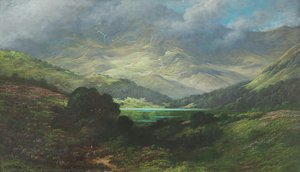 The Scottish Highlands - Paul Gustave Doré
To gaze upon these ten masterpieces is to step into a world suspended between dreams and reality—a realm where the raw, unfiltered truth of human experience intertwines with an almost ethereal longing. The Romantic Realism movement, though relatively short-lived, left an indelible mark on art history, born from the tumultuous currents of the 19th century.
Emerging as a reaction against both the idealized classicism of earlier periods and the burgeoning industrialization that threatened to strip away individuality, Romantic Realism sought to depict life as it truly *was*, not as it was imagined. It arose in France during the 1830s and 40s, fueled by social upheaval—the aftermath of revolution, the rise of a new middle class, and a growing awareness of the plight of the common person. Artists like Courbet and Millet dared to portray everyday laborers, rural scenes, and unvarnished portraits with an honesty that shocked and captivated audiences.
But Romantic Realism was not merely about documenting social conditions; it was deeply infused with a sense of emotional intensity—a yearning for authenticity, a celebration of nature’s power, and often, a quiet rebellion against the established order. These paintings aren't simply *about* something; they *feel* like something – a weight of history, a glimmer of hope, a profound connection to the human spirit.
The works we present here represent the pinnacle of this movement—canvases that continue to resonate with contemporary viewers because they speak to universal themes: love and loss, struggle and resilience, beauty and decay. They remind us that even in the face of hardship, there is dignity, grace, and a profound sense of humanity worth preserving. Prepare to be transported, challenged, and moved by these ten defining masterpieces—each a window into a world both familiar and profoundly distant.
Old Women or Time - Francisco José de Goya y Lucientes
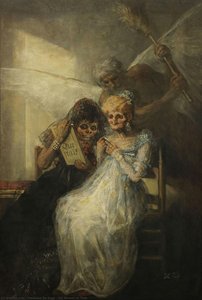 Old Women or Time - Francisco José de Goya y Lucientes
To gaze upon these ten masterpieces is to step into a world suspended between dream and reality—a realm where the raw, unfiltered truth of human experience intertwines with the sublime beauty of nature. The Romantic Realism movement, though relatively short-lived, left an indelible mark on art history, born from a desire to capture not just what was seen, but how it felt to be alive in a rapidly changing world.
Emerging in the mid-19th century, Romantic Realism arose as a reaction against both the idealized classicism of earlier generations and the increasingly industrializing society that threatened to strip away individuality. It was an era defined by social upheaval—the aftermath of revolution, the rise of nationalism, and the burgeoning anxieties of modernity. Artists sought refuge in portraying everyday life, but not with detached objectivity. Instead, they imbued their subjects with a profound emotional weight, often focusing on the struggles of the working class, the dignity of rural existence, and the power of the natural world to evoke both awe and melancholy.
These weren’t simply paintings; they were windows into the souls of individuals grappling with universal themes: love, loss, faith, and the search for meaning. The brushstrokes themselves often carry a sense of urgency, mirroring the artists' passionate engagement with their subjects. The color palettes, frequently muted yet intensely evocative, reflect the somber realities of the time, punctuated by moments of breathtaking luminosity.
Today, these artworks continue to resonate because they speak to something deeply human within us all—a longing for authenticity, a recognition of shared vulnerability, and an appreciation for the beauty that can be found even in the midst of hardship. Prepare to be transported as we explore ten defining works that encapsulate the spirit of Romantic Realism, each a testament to the enduring power of art to illuminate the complexities of the human condition.
The Neophyte (First Experience of the Monastery) - Paul Gustave Doré
 The Neophyte (First Experience of the Monastery) - Paul Gustave Doré
Imagine stepping into a world where the raw power of nature collides with the intimate realities of human life. A place where grand landscapes aren't merely backdrops, but active participants in our stories, and everyday people are elevated to heroic stature. This is the realm of Romantic Realism – an art movement that dared to blend the sublime emotionality of Romanticism with the unflinching observation of Realism.
Emerging in the mid-19th century, primarily across Europe and America, Romantic Realism arose as a response to both the Industrial Revolution’s dehumanizing effects and the perceived artificiality of academic art. It was a period of rapid social change, burgeoning nationalism, and a growing fascination with the individual's place within a vast and often indifferent universe. Artists began to reject idealized depictions in favor of portraying life as it truly was – flawed, complex, and deeply personal.
But this wasn’t simply about photographic accuracy. Romantic Realism sought something more profound: the emotional truth embedded within the tangible world. Think of a weathered face etched with hardship, reflecting a lifetime of struggle, or a storm-swept coastline mirroring the turbulence of the human spirit. These artists weren't just painting what they saw; they were conveying how it felt to be alive during a time of upheaval and transformation.
The ten masterpieces we’re about to explore represent the pinnacle of this movement. They are works that not only captured the spirit of their age but continue to resonate with us today because they speak to universal human experiences – love, loss, resilience, and our enduring connection to the natural world. Prepare to be moved by scenes of quiet dignity, breathtaking beauty, and a profound sense of empathy for the lives depicted within them. These paintings are not just windows into the past; they are mirrors reflecting our own hopes, fears, and dreams.
Conclusion
To gaze upon these ten masterpieces is to step into a world where the heart and mind converge, where the tangible realities of life are imbued with an almost mystical significance. The Romantic Realism movement, born from the turbulent currents of the 19th century, sought not merely to depict what *is*, but to reveal what *feels*. It was an era grappling with rapid industrialization, societal upheaval, and a burgeoning sense of individual consciousness—a time when artists turned inward, seeking solace and truth in the human experience.
Emerging as a reaction against both the rigid formality of Neoclassicism and the unrestrained emotionalism of earlier Romanticism, Romantic Realism found its power in portraying everyday life with an unprecedented level of detail and psychological depth. These were not idealized scenes or grand historical narratives, but intimate glimpses into the lives of ordinary people—their struggles, their joys, their quiet moments of contemplation. Artists like Courbet, Millet, and Daumier dared to elevate the working class and the marginalized to the canvas, challenging conventional notions of beauty and subject matter.
What makes these works so enduringly resonant today is their profound humanity. They speak to universal themes of love, loss, hope, and despair—emotions that transcend time and culture. The textures of paint itself seem to breathe with life, inviting us to not just *see* the scene before us, but to *feel* it in our very bones. The light filtering through a window, the weight of labor etched on a worker's face, the quiet dignity of a mother holding her child—these are details that resonate across generations.
As we embark on this journey through these ten defining works, prepare to be moved, challenged, and perhaps even transformed. Each painting is a portal into another world, a testament to the power of art to illuminate the human condition and remind us of our shared vulnerability and resilience. Let us approach them not as mere objects of aesthetic appreciation, but as windows into the souls of those who came before us—and ultimately, into our own.