Preview
 Send
Send Share
Share
 Details
 Guide
Guide

 Download
 Similars
 X-Ray
X-Ray Diaporama
 Stats
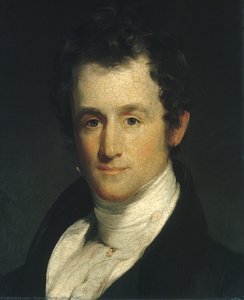
StatsSally Etting
 Oil On Canvas
- WallArt
- Romanticism
 1808
1808- 19th Century
 76.0 x 63.0 cm
 The Jewish Museum
 Read More
Hand Made Oil Reproduction
Hand-painted oil on canvas in your size and frame, made to order by our artists. ( Switch to Print Switch to Digital Image)




P118B $10

P118H $10

P118W $10

P438Z $10

P508JH $12

P508YH $12

P805H $10

P805Z $10

P919BZ $10

P919G $10

P919XJ $10

P959ZH $10

P968JZ $12

W106C $8

W218G $10

W218JH $8

W218Y $10

W307PJ $10

W316G $10

W316PJ $8

W316Y $10

W398PJ $8

W4111J $10

W500HY $15

W500JH $15

W692G $12

W849H $8

W940BG $15

W953PJ $8




Pick from our preset sizes that match the artwork's original proportions.

Type the width and the height you need, to fit your frame or your wall. This is hand-painted, so for a size with a different shape the artist can paint a bit more around the picture, or cut a bit — you choose. We send you a digital mockup to approve before the painting starts. The picture shown on this page does not show the real result — only the mockup does.
After order, OriginalUniqueArt.com team will email client for instructions and provide a mockup preview
Worldwide Delivery () in 3/4 weeks instead of standard 5 weeks. (20 October). No compromise on quality.

Free Worldwide Express Shipping

High-Quality Linen Canvas

Full Shipping Insurance

Customs Tax Refund Guarantee

True Color Matching Guarantee

100-Day Return Policy (Defects Only)

100% Money-Back Guarantee

Bulk Discount Offer
 Glass option is only available in size under 110 CM

Sally Etting
Reproduction Medium
Reproduction Size
-


Total Price
$ 300
A Vision of Grace: The Timeless Allure of Sally Etting
In the quiet, luminous depths of Thomas Sully’s 1808 masterpiece, Sally Etting, one finds more than a mere likeness of a young woman; one encounters a window into the soul of early American refinement. As the young nation sought to define its own identity amidst the echoes of revolution, Sully captured a moment of profound stillness and dignity. The portrait presents Sally, a daughter of prominent Pennsylvania lineage, draped in an elegant white gown that seems to catch the very essence of light. Her gaze, directed softly away from the viewer, suggests a state of deep contemplation, inviting those who stand before the canvas to share in her silent, intellectual reverie. It is a painting that does not demand attention through dramatic movement, but rather commands it through an undeniable, serene presence.
The technical brilliance of Sully’s execution serves to elevate this portrait from a social record to a work of high art. Utilizing oil on canvas, the artist employed meticulous brushwork to create a surface texture that feels almost tactile. The way the light dances across the delicate folds of her white dress and the subtle sheen of her pearl necklace demonstrates a mastery of neoclassical technique. Sully’s ability to manipulate light and shadow—a hallmark of his training under the great Benjamin West—allows for a luminous quality that breathes life into the subject. The composition is anchored by a rich, deep red curtain in the background, a classic device that provides a striking color contrast to the pristine white of the sitter's attire, adding a layer of theatrical depth and warmth to the overall scene.
Symbolism and the Spirit of an Era
Beyond its aesthetic splendor, Sally Etting is steeped in the symbolic language of the Federal period. The neoclassical style, characterized by balance, restraint, and idealized beauty, was a deliberate choice for an era striving for stability and moral virtue. Every element, from the carefully rendered drapery to the poised posture of the subject, speaks to the aspirations of a burgeoning American aristocracy that valued lineage, education, and grace. The presence of the red curtain suggests a stage-like setting, perhaps nodding to Sully’s own theatrical roots, yet it also serves to frame Sally as a figure of importance, cocooned in an atmosphere of sophisticated privacy.
For the discerning collector or interior designer, this artwork offers a profound emotional resonance. It possesses the rare ability to anchor a room with its sense of history and quiet strength. Whether placed in a sunlit gallery or a stately study, the painting brings an air of sophistication and intellectual depth to any environment. As a high-quality reproduction, it allows the splendor of Sully’s brushwork and the evocative mood of the early 19th century to be integrated into modern living spaces, providing a timeless connection to the artistry that helped shape the American visual identity.
Questions & Answers
How can I get a digital file of "Sally Etting" by Thomas Sully?
A digital image of "Sally Etting" by Thomas Sully can be purchased on its Digital Image page: a high-resolution digital image download.
Does "Sally Etting" have an augmented reality preview?
The AR Preview page of "Sally Etting" by Thomas Sully uses augmented reality to show the artwork in your own space, on a compatible device.
How is the color composition of "Sally Etting" by Thomas Sully built?
In "Sally Etting", a balanced contrast is paired with a unified palette harmony.
Artist Biography
A Transatlantic Brushstroke: The Life and Art of Thomas Sully
Born under the skies of Horncastle, Lincolnshire in 1783, Thomas Sully’s journey was one of remarkable transatlantic passage – not merely geographical, but artistic and cultural. His story isn't simply that of a painter; it is a reflection of the burgeoning American identity finding its voice through portraiture. The son of actors, Matthew and Sarah Chester Sully, young Thomas experienced an itinerant childhood when his family emigrated to Charleston, South Carolina in 1792, seeking new opportunities on the American stage. This early exposure to performance, to capturing fleeting expressions and embodying character, would profoundly shape his artistic sensibility. Initially drawn into the world of theatre himself as a tumbler, Sully’s innate talent soon found expression through a different medium: paint. An apprenticeship with an insurance broker revealed an aptitude for detail, but it was the guidance of Charles Fraser, a local artist, and later his brother-in-law Jean Belzons, that truly ignited his passion for miniature painting – a foundation upon which he would build a distinguished career.From Miniature to Monumental: Forging an American Style
Sully’s artistic development wasn't confined by geographical boundaries. A period of study in London with the esteemed Benjamin West, beginning in 1808, proved pivotal. While West was a significant figure in his own right, it was the influence of Thomas Lawrence that truly captivated Sully. Lawrence’s elegant style, his mastery of light and texture, and his ability to capture both likeness and character resonated deeply with the young American artist. He returned to the United States imbued with this aesthetic, earning him the moniker “the Sir Thomas Lawrence of America.” However, Sully didn't merely imitate; he adapted and refined these influences, forging a distinctly American style that blended European sophistication with a uniquely New World sensibility. His portraits weren’t simply representations of wealth or status; they were explorations of personality, imbued with psychological depth and emotional resonance. He quickly established himself in Philadelphia, becoming a leading portraitist and capturing the likenesses of prominent figures like Thomas Jefferson, John Quincy Adams, and Andrew Jackson – men who shaped the nation's destiny.Beyond Likeness: Historical Narratives and Artistic Legacy
While celebrated for his portraits, Sully’s artistic ambition extended beyond capturing individual faces. He ventured into historical painting with works like *The Passage of the Delaware* (1819), a grand depiction of Washington's iconic crossing – a piece that demonstrated his ability to handle large-scale compositions and imbue them with dramatic power. This willingness to engage with historical narratives broadened his appeal and cemented his place in the American art world. His prolific output—over 2,300 paintings over seven decades—testifies to both his skill and his relentless dedication. He wasn’t merely a painter of the elite; he documented an era, preserving the faces and stories of a nation undergoing rapid transformation. Sully's influence extended beyond his own canvases. He was a dedicated teacher, mentoring numerous artists including Marcus Aurelius Root, who would later become a pioneer in photography.A Patron of Culture: Music, Society, and Enduring Influence
Sully’s contributions weren’t limited to the visual arts. As a founding member of Philadelphia's Musical Fund Society, he demonstrated a deep commitment to fostering cultural life within his community. This involvement speaks to a broader artistic sensibility – an understanding that art in all its forms enriches society and elevates the human spirit. His work was even adapted for use on United States coinage, further solidifying his place in the national consciousness. Though Romanticism and Neoclassicism were dominant movements during his lifetime, Sully’s style transcended easy categorization. He skillfully blended elements of both, creating a unique aesthetic that prioritized emotional depth, technical precision, and psychological insight. Today, Thomas Sully's paintings hang in prestigious museums across the country, continuing to captivate audiences with their beauty, elegance, and enduring power. His legacy remains as a testament to the transformative potential of art and the enduring allure of the human face.
Thomas Sully
1783 - 1872 , United Kingdom
Quick Facts
- Full Name: Thomas Sully
- Nationality: British-American
- Date Of Birth: 1783
- Date Of Death: 1872
- Place Of Birth: Horncastle, United Kingdom
- Notable Artworks:
- Passage of the Delaware
- Portraits of Jefferson
- Portraits of Adams
- Portraits of Lafayette
- Artistic Movement Or Style: Romanticism, Neoclassicism
- Artists Who Influenced This Artist:
- Benjamin West
- Thomas Lawrence
- Artists Or Movements Influenced By This Artist: ['American portraiture']
Related Articles

American Realism's Defining Works: 10 Masterpieces for Your Home
Explore 10 defining American Realism masterpieces – Hopper, Homer & more. Discover the stories behind these iconic paintings and bring timeless art to your home with OriginalUniqueArt's museum-quality reproductions. Explore the full collection online.

Neoclassical Portraiture: The Timeless Elegance of Order, Grace, and Academic Mastery
Explore the refined world of Neoclassical portraiture. Discover the mastery of line, light, and order through an expert exploration of academic art history, from Jacques-Louis David to Jean-Antoine Houdon. Immerse yourself in the timeless elegance of classical realism.
American Regionalism: A Crucible of Identity – Exploring Themes of Place, Labor & Social Commentary
Explore American Regionalism's powerful depiction of the American heartland during the Great Depression. Discover Grant Wood, Thomas Hart Benton & more. Expert analysis & high-quality art reproductions at OriginalUniqueArt.

Charles Willson Peale: Portraiture, Enlightenment Ideals & Shaping American Identity
Explore the life & art of Charles Willson Peale – Revolutionary portraitist, scientist, and founder of America’s first museum. Discover his iconic paintings of Washington & the Enlightenment ideals that shaped a nation.

Grant Wood & American Regionalism: Identity, Myth & the Rural Landscape
Explore the world of Grant Wood & American Regionalism with OriginalUniqueArt. Discover the symbolism behind 'American Gothic', recurring themes, and the movement's lasting impact on art history. High-quality reproductions available.