Preview
 Send
Send Share
Share
 Details
 Guide
Guide

 Download
 Similars
 X-Ray
X-Ray Diaporama
 Stats
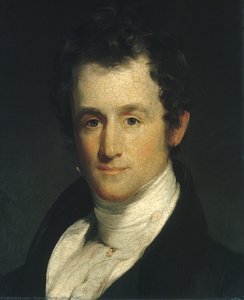
StatsMrs. Edward Hudson


 Read More
Giclée / Art Print
Museum-quality giclée or canvas print with fast production and flexible finish options. ( Buy Hand Made Painting Switch to Digital Image)




P118B $10

P118H $10

P118W $10

P438Z $10

P508JH $12

P508YH $12

P805H $10

P805Z $10

P919BZ $10

P919G $10

P919XJ $10

P959ZH $10

P968JZ $12

W106C $8

W218G $10

W218JH $8

W218Y $10

W307PJ $10

W316G $10

W316PJ $8

W316Y $10

W398PJ $8

W4111J $10

W500HY $15

W500JH $15

W692G $12

W849H $8

W940BG $15

W953PJ $8




Pick from our preset sizes that match the artwork's original proportions.

Type the width and the height you need, to fit your frame or your wall. A print can only be cut, never made bigger than the picture, so a size with a different shape loses a part of the image. We send you a digital mockup to approve before we print anything. The picture shown on this page does not show the real cut — only the mockup does.
Worldwide Delivery () in 2 weeks instead of standard 4/5 weeks. (14 October)

Free Worldwide Express Shipping

High-Quality Linen Canvas

Full Shipping Insurance

Customs Tax Refund Guarantee

True Color Matching Guarantee

100-Day Return Policy (Defects Only)

100% Money-Back Guarantee

Bulk Discount Offer
 Glass option is only available in size under 110 CM

Mrs. Edward Hudson
Giclée / Art Print
Reproduction Size
-


Total Price
$ 81
A Portrait of Refined Grace: Mrs. Edward Hudson by Thomas Sully
Thomas Sully’s “Mrs. Edward Hudson,” painted in 1814, is more than just a portrait; it's a meticulously crafted tableau of wealth, social standing, and the quiet dignity of the era. Housed within the Detroit Institute of the Arts, this oil on canvas masterpiece offers a captivating glimpse into the world of Regency-era New York society, specifically the refined circles surrounding Edward Hudson, a prominent financier and art collector. Sully’s skill lies not merely in capturing likeness but in imbuing his subject with an air of composure and subtle elegance – qualities that speak volumes about her position within the social hierarchy.
The painting immediately draws the eye to Mrs. Hudson herself, presented against a softly rendered background that suggests a luxurious interior—likely a drawing room or salon. Her attire, a simple yet elegant white gown adorned with a delicate lace collar, is a deliberate choice, emphasizing her status and reflecting the prevailing fashion of the time. The careful attention to detail in the fabric’s texture, achieved through Sully's masterful use of brushstrokes and layering of oil paint, adds a remarkable sense of realism and tactile quality. Her long hair, pulled back into a sophisticated bun, further reinforces this image of restrained elegance – a hallmark of the period’s aesthetic.
The Language of Portraiture: Technique and Style
Sully's style is deeply rooted in the Neoclassical tradition, yet infused with a distinctly Romantic sensibility. He was heavily influenced by Thomas Lawrence, whose portraits were known for their flattering compositions and emphasis on capturing the sitter’s personality. Sully expertly employs this technique here, creating an image that is both realistic and idealized. The use of light and shadow – *chiaroscuro* – is particularly noteworthy; it sculpts Mrs. Hudson's face, highlighting her features and adding depth to the overall composition. The subtle modeling of the fabric and the delicate rendering of the lace collar demonstrate Sully’s exceptional technical skill.
Furthermore, note the careful attention to background detail – the suggestion of furniture, drapery, and perhaps a glimpse of a landscape through a window—all contribute to creating a believable and immersive setting. This meticulousness was crucial in establishing the sitter's social context and reinforcing her wealth and status. The painting’s scale is also significant; it commands attention, reflecting the importance placed on portraiture as a means of documenting and celebrating individuals within society.
A Window into 19th-Century Society
“Mrs. Edward Hudson” offers a valuable window into the social dynamics of early 19th-century America. Edward Hudson himself was a key figure in the burgeoning New York art market, and his wife’s portrait reflects the importance of patronage and social connections within this world. The painting speaks to the values of the era – refinement, decorum, and the careful cultivation of appearances. It's a testament to the role of women in shaping society through their influence and wealth.
Considering that Thomas Hudson (a different artist) was a leading English portraitist during this period, Sully’s work demonstrates a fascinating transatlantic exchange of artistic ideas and techniques. The influence of Hudson’s style—particularly his focus on capturing the essence of his subjects—can be seen in Sully's approach to portraiture. The painting also connects to broader historical trends, such as the rise of the merchant class and the increasing importance of art collecting during this era.
Recreating a Masterpiece: A OriginalUniqueArt Reproduction
OriginalUniqueArt is proud to offer meticulously crafted hand-painted reproductions of “Mrs. Edward Hudson.” Our skilled artists replicate Sully’s technique, color palette, and attention to detail with the utmost precision, ensuring that your reproduction captures the essence of this iconic work. Whether you're a seasoned art collector or simply seeking to add a touch of timeless elegance to your home, our reproductions provide an authentic and beautiful way to experience the artistry of Thomas Sully. Explore our range of sizes and framing options to find the perfect addition to your collection – a tangible link to a captivating moment in American history.
Questions & Answers
Can I use augmented reality to see "Mrs. Edward Hudson" by Thomas Sully in my room?
"Mrs. Edward Hudson" has an augmented reality preview: the artwork's AR Preview page shows it in your own space on a compatible device.
What aliases or alternate names does Thomas Sully have?
Other names recorded for Thomas Sully, creator of "Mrs. Edward Hudson", include Sir Thomas Lawrence of America.
Where is the portrait format of "Mrs. Edward Hudson" recommended to be displayed?
With its portrait shape, a reproduction of "Mrs. Edward Hudson" is suggested for a living room.
Artist Biography
A Transatlantic Brushstroke: The Life and Art of Thomas Sully
Born under the skies of Horncastle, Lincolnshire in 1783, Thomas Sully’s journey was one of remarkable transatlantic passage – not merely geographical, but artistic and cultural. His story isn't simply that of a painter; it is a reflection of the burgeoning American identity finding its voice through portraiture. The son of actors, Matthew and Sarah Chester Sully, young Thomas experienced an itinerant childhood when his family emigrated to Charleston, South Carolina in 1792, seeking new opportunities on the American stage. This early exposure to performance, to capturing fleeting expressions and embodying character, would profoundly shape his artistic sensibility. Initially drawn into the world of theatre himself as a tumbler, Sully’s innate talent soon found expression through a different medium: paint. An apprenticeship with an insurance broker revealed an aptitude for detail, but it was the guidance of Charles Fraser, a local artist, and later his brother-in-law Jean Belzons, that truly ignited his passion for miniature painting – a foundation upon which he would build a distinguished career.From Miniature to Monumental: Forging an American Style
Sully’s artistic development wasn't confined by geographical boundaries. A period of study in London with the esteemed Benjamin West, beginning in 1808, proved pivotal. While West was a significant figure in his own right, it was the influence of Thomas Lawrence that truly captivated Sully. Lawrence’s elegant style, his mastery of light and texture, and his ability to capture both likeness and character resonated deeply with the young American artist. He returned to the United States imbued with this aesthetic, earning him the moniker “the Sir Thomas Lawrence of America.” However, Sully didn't merely imitate; he adapted and refined these influences, forging a distinctly American style that blended European sophistication with a uniquely New World sensibility. His portraits weren’t simply representations of wealth or status; they were explorations of personality, imbued with psychological depth and emotional resonance. He quickly established himself in Philadelphia, becoming a leading portraitist and capturing the likenesses of prominent figures like Thomas Jefferson, John Quincy Adams, and Andrew Jackson – men who shaped the nation's destiny.Beyond Likeness: Historical Narratives and Artistic Legacy
While celebrated for his portraits, Sully’s artistic ambition extended beyond capturing individual faces. He ventured into historical painting with works like *The Passage of the Delaware* (1819), a grand depiction of Washington's iconic crossing – a piece that demonstrated his ability to handle large-scale compositions and imbue them with dramatic power. This willingness to engage with historical narratives broadened his appeal and cemented his place in the American art world. His prolific output—over 2,300 paintings over seven decades—testifies to both his skill and his relentless dedication. He wasn’t merely a painter of the elite; he documented an era, preserving the faces and stories of a nation undergoing rapid transformation. Sully's influence extended beyond his own canvases. He was a dedicated teacher, mentoring numerous artists including Marcus Aurelius Root, who would later become a pioneer in photography.A Patron of Culture: Music, Society, and Enduring Influence
Sully’s contributions weren’t limited to the visual arts. As a founding member of Philadelphia's Musical Fund Society, he demonstrated a deep commitment to fostering cultural life within his community. This involvement speaks to a broader artistic sensibility – an understanding that art in all its forms enriches society and elevates the human spirit. His work was even adapted for use on United States coinage, further solidifying his place in the national consciousness. Though Romanticism and Neoclassicism were dominant movements during his lifetime, Sully’s style transcended easy categorization. He skillfully blended elements of both, creating a unique aesthetic that prioritized emotional depth, technical precision, and psychological insight. Today, Thomas Sully's paintings hang in prestigious museums across the country, continuing to captivate audiences with their beauty, elegance, and enduring power. His legacy remains as a testament to the transformative potential of art and the enduring allure of the human face.
Thomas Sully
1783 - 1872 , United Kingdom
Quick Facts
- Full Name: Thomas Sully
- Nationality: British-American
- Date Of Birth: 1783
- Date Of Death: 1872
- Place Of Birth: Horncastle, United Kingdom
- Notable Artworks:
- Passage of the Delaware
- Portraits of Jefferson
- Portraits of Adams
- Portraits of Lafayette
- Artistic Movement Or Style: Romanticism, Neoclassicism
- Artists Who Influenced This Artist:
- Benjamin West
- Thomas Lawrence
- Artists Or Movements Influenced By This Artist: ['American portraiture']
Related Articles

Oil on Canvas: A Historical & Technical Exploration of a Timeless Artistic Medium
Explore the rich history & enduring techniques of oil painting on canvas. Discover the science behind its longevity, conservation practices, and contemporary relevance. Expert insights for art enthusiasts.

The Enduring Legacy of Oil on Canvas: Technique, History & Aesthetic Impact
Explore the rich history & techniques of oil painting – from Renaissance masters to Impressionism. Discover pigments, layering methods, and why this timeless medium endures. Expert insights for artists & art enthusiasts.

The Soul of Impressionism: Why Oil on Canvas Captures Eternal Light and Timeless Emotion
Discover the enchanting alchemy of Impressionism. Explore how the mastery of oil on canvas, through glazing and impasto, captures eternal light and emotion. Perfect for lovers of Monet and Van Gogh seeking the profound depth of hand-painted fine art.
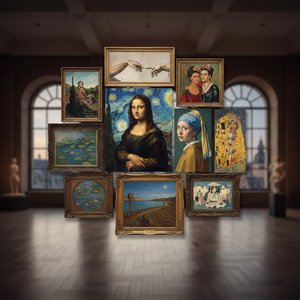
Oil on Canvas Masters: 10 Paintings That Redefined Art History |
Journey through art history with our guide to 10 legendary oil on canvas masterpieces! Explore iconic works by Van Gogh, Monet & Rembrandt. Find museum-quality reproductions and elevate your home decor at . Discover all masterpieces online.

The Enduring Legacy of Oil on Canvas: Technique, History & Contemporary Practice
Explore the rich history & enduring techniques of oil painting on canvas. Discover the science behind its longevity, conservation practices, and contemporary relevance. Expert insights for art enthusiasts.