Switch to Print
 Read More







































 For artworks or reproductions larger than 105 cm (approximately 41 inches) on any side, the frame will be shipped as a kit, disassembled. This method ensures safe delivery and prevents damage during transport.


Rogier van der Weyden’s Descent from the Cross: A Masterpiece of Emotion and Detail
Rogier van der Weyden’s *Deposition* (c. 1435), housed in the Museo del Prado, Madrid, stands as a cornerstone of Early Netherlandish painting—a testament to artistic innovation and profound spiritual contemplation. More than just a depiction of biblical narrative, it embodies the ethos of its time: meticulous observation coupled with fervent emotion, reflecting the burgeoning humanist spirit alongside enduring religious devotion.
- Subject Matter: The painting portrays Jesus Christ being lowered from the cross by Joseph of Arimathea and Nicodemus, marking a pivotal moment in Christian theology—the descent into death and subsequent resurrection. This scene draws heavily upon Gospel accounts detailing the events surrounding Jesus’s crucifixion.
- Style & Technique: Van der Weyden's style exemplifies the culmination of Gothic formalism and the nascent Renaissance aesthetic. Characterized by flattened perspectives, stylized drapery folds, and a dramatic use of chiaroscuro (light and shadow), it distinguishes itself from its predecessors while retaining a solemn grandeur. The artist skillfully employs oil paint on panel—a technique that allowed for unprecedented realism and tonal nuance compared to tempera—capturing the textures of flesh, fabric, and wood with astonishing accuracy.
- Historical Context: Created during the High Gothic period in Leuven, Belgium, *Deposition* reflects the artistic fervor of its era. The painting’s commission by the Leuven Guild of Archers underscores the importance of civic patronage in fostering artistic excellence. Simultaneously, it aligns with broader theological debates concerning the Virgin Mary's role as intercessor and the symbolism surrounding death and resurrection—themes central to Christian faith.
Symbolism: Layers of Meaning Beyond the Biblical Narrative
Beyond its immediate depiction of Jesus’s descent, *Deposition* is replete with symbolic gestures that resonate deeply within Christian iconography. The positioning of Mary and John—Mary swooning in grief at the base of the cross supported by John—represents divine sorrow and maternal compassion. The three women assisting Joseph and Nicodemus symbolize the Church's role as witnesses to Christ’s suffering and triumph. Furthermore, the crossbows adorning the corners of the composition serve as emblems of civic pride and honor—a deliberate reference to the guild that commissioned the artwork.
Emotional Impact: Capturing Grief and Reverence
Van der Weyden's masterful rendering of human emotion is arguably the painting’s most compelling achievement. The figures are portrayed with palpable anguish, their faces etched with sorrow—a testament to the artist’s ability to convey psychological depth through visual representation. The slumped shoulders and contorted bodies underscore the profound vulnerability experienced by those witnessing Jesus’s death. This emotional intensity elevates *Deposition* beyond mere illustration; it invites viewers into a contemplative dialogue about faith, suffering, and redemption.
Influence & Legacy: A Template for Centuries of Artists
*Deposition* served as an inspiration for countless artists throughout subsequent centuries—most notably Rembrandt van Rijn in 1634. Rembrandt’s dramatic portrayal of light and shadow—a stylistic departure from Van der Weyden’s meticulous realism—demonstrates the enduring influence of Early Netherlandish painting on European artistic tradition. The image continues to resonate with audiences today, embodying timeless themes of compassion, grief, and spiritual contemplation.
Questions & Answers
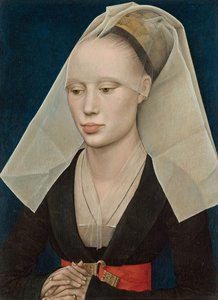
How do medium and movement combine in "Deposition (detail) (9)"?
"Deposition (detail) (9)" by Rogier van der Weyden combines the acrylic on canvas technique with the Early Netherlandish Renaissance style. Technique and movement describe the making and the style of the work.
What is the luminance of "Deposition (detail) (9)" by Rogier van der Weyden?
"Deposition (detail) (9)" by Rogier van der Weyden has a gentle luminance luminance. Luminance describes how much light the colors appear to reflect.
How many people view "Deposition (detail) (9)"?
A Stats page exists for "Deposition (detail) (9)". It charts the monthly visits of the artwork and of the artist's other works, with country and language breakdowns.
More about this painting
 Preview
 Send
Send Share
Share
 Details
 Guide
Guide

 Download
 Similars
 X-Ray
X-Ray Diaporama
 Q&A
Q&A Stats
Stats