
 Preview
 Send
Send Share
Share
 Details
 Guide
Guide

 Download
 Similars
 X-Ray
X-Ray Diaporama
 Stats
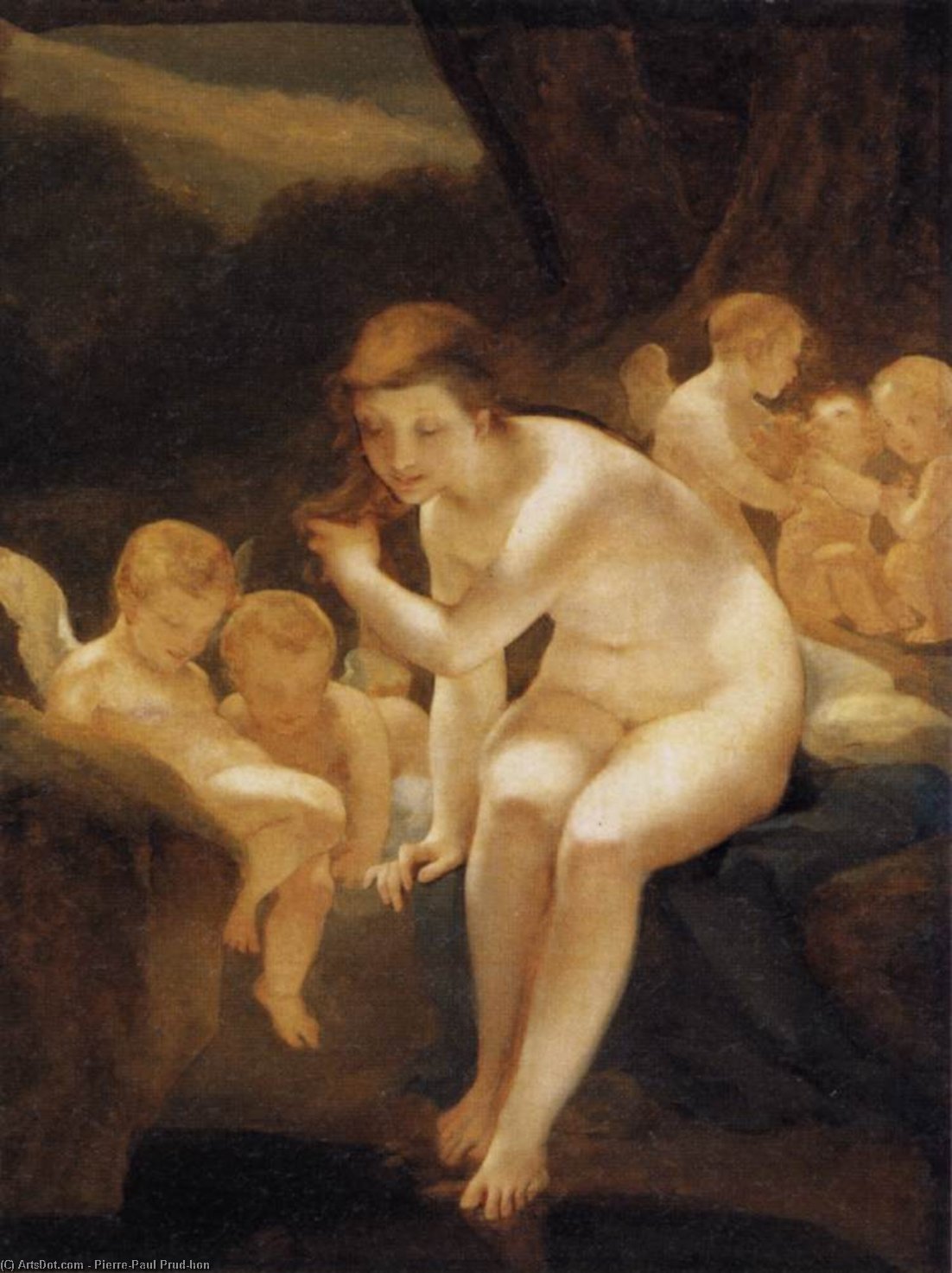
StatsVenus Bathing
 Acrylic On Canvas
- WallArt
- Neoclassical Sensibility
 1810
1810 134.0 x 103.0 cm
 The Louvre
 Read More
Hand Made Oil Reproduction
Hand-painted oil on canvas in your size and frame, made to order by our artists. ( Switch to Print Switch to Digital Image)




P118B $10

P118H $10

P118W $10

P438Z $10

P508JH $12

P508YH $12

P805H $10

P805Z $10

P919BZ $10

P919G $10

P919XJ $10

P959ZH $10

P968JZ $12

W106C $8

W218G $10

W218JH $8

W218Y $10

W307PJ $10

W316G $10

W316PJ $8

W316Y $10

W398PJ $8

W4111J $10

W500HY $15

W500JH $15

W692G $12

W849H $8

W940BG $15

W953PJ $8




Pick from our preset sizes that match the artwork's original proportions.

Type the width and the height you need, to fit your frame or your wall. This is hand-painted, so for a size with a different shape the artist can paint a bit more around the picture, or cut a bit — you choose. We send you a digital mockup to approve before the painting starts. The picture shown on this page does not show the real result — only the mockup does.
After order, OriginalUniqueArt.com team will email client for instructions and provide a mockup preview
Worldwide Delivery () in 3/4 weeks instead of standard 5 weeks. (26 October). No compromise on quality.

Free Worldwide Express Shipping

High-Quality Linen Canvas

Full Shipping Insurance

Customs Tax Refund Guarantee

True Color Matching Guarantee

100-Day Return Policy (Defects Only)

100% Money-Back Guarantee

Bulk Discount Offer
 Glass option is only available in size under 110 CM

Venus Bathing
Reproduction Medium
Reproduction Size
-


Total Price
$ 300
Venus Bathing: A Symphony of Light and Grace
Pierre-Paul Prud’hon's “Venus Bathing” stands as a cornerstone of Neoclassical art, embodying the era’s pursuit of idealized beauty and rational order. Painted in 1810 during a period marked by significant artistic upheaval—the waning influence of Rococo giving way to Romantic fervor—this monumental oil on canvas (134 x 103 cm) resides within the hallowed halls of the Musée du Louvre, Paris, ensuring its enduring legacy.
- Composition and Narrative: The painting’s central focus is Venus, Roman goddess of love and fertility, depicted in a serene posture as she indulges in bathing rituals. Prud’hon skillfully arranges figures—Venus herself, accompanied by three cherubs—against a dark landscape backdrop to maximize dramatic impact and highlight the luminous quality of the scene.
- Neoclassical Style: Prud’hon meticulously adhered to Neoclassical principles, prioritizing clarity, proportion, and restraint. The artist's masterful use of chiaroscuro – the interplay between light and shadow – sculpts Venus’ form with remarkable precision, conveying a palpable sense of volume and texture.
- Symbolism & Emotion: Beyond its aesthetic beauty, “Venus Bathing” resonates with profound symbolic meaning. Venus represents not merely sensual desire but also purity, innocence, and divine grace—themes central to Neoclassical thought. The cherubs’ playful gestures subtly infuse the composition with vitality and optimism.
- Technique & Detail: Prud’hon's meticulous brushwork demonstrates an unparalleled dedication to realism. Every contour of Venus’ skin is rendered with painstaking accuracy, capturing the softness and luminescence characteristic of classical sculpture. The artist’s attention to detail extends to the subtle nuances of color and texture within the landscape, creating a harmonious visual experience.
Historical Context: Bridging Eras
The painting emerged from a pivotal moment in European art history—the transition from Rococo extravagance to Romantic idealism. While Rococo celebrated opulent ornamentation and fleeting emotion, Neoclassicism championed reason, order, and moral virtue, drawing inspiration from the artistic achievements of ancient Greece and Rome. Prud’hon skillfully navigated this evolving aesthetic landscape, synthesizing elements of both styles into a singular masterpiece.
Light as Sculptural Element
Prud'hon’s masterful manipulation of light is arguably the painting’s most striking feature. He employs chiaroscuro to sculpt Venus’ body and imbue the scene with an ethereal glow, mirroring the techniques employed by sculptors like Antonio Canova. This deliberate use of illumination elevates “Venus Bathing” beyond mere depiction—it transforms it into a luminous embodiment of classical beauty.
Influence & Legacy
"Venus Bathing" continues to inspire artists and captivate audiences today, cementing Prud’hon's place as one of the foremost painters of his time. Its enduring appeal lies in its timeless portrayal of feminine grace and its masterful execution—a testament to the artist’s unwavering commitment to Neoclassical ideals.
Questions & Answers
Is Pierre-Paul Prud'hon, creator of "Venus Bathing", known under other names?
Other names recorded for Pierre-Paul Prud'hon, creator of "Venus Bathing", include Prudhon.
What level of contrast does "Venus Bathing" by Pierre-Paul Prud'hon show?
The light-dark contrast of "Venus Bathing" is recorded as statement. Contrast describes how strongly light and dark areas differ.
Where can I find a guide to "Venus Bathing"?
The Guide page of "Venus Bathing" by Pierre-Paul Prud'hon offers a printable two-sheet factsheet: the artwork with its identity table, a decade band placing it in the artist's lifetime, other works by the artist, the measured color palette, and ready-to-copy citations in four styles.
Artist Biography
Pierre-Paul Prud'hon: A Life in Art
- Born: Cluny, France (1758)
- Died: 1823
- Nationality: French
Pierre-Paul Prud’hon was a pivotal figure in French art, bridging the transition from Neoclassicism to Romanticism. Born in Cluny, Saône-et-Loire, France, his artistic journey reflects the changing aesthetic landscape of late 18th and early 19th century Europe. He is celebrated for both his allegorical paintings and portraits, demonstrating a mastery of chiaroscuro and realism that captivated audiences and influenced subsequent generations.
Early Life and Training
- Provincial Beginnings: Prud’hon received his initial artistic training in the French provinces.
- Dijon Scholarship: In 1774, he secured a municipal scholarship to attend the École de Dessin in Dijon, marking a significant step towards formal artistic education.
- Rome and Neoclassical Influences: He traveled to Rome in 1784, where he immersed himself in the study of classical art, particularly admiring the works of Canova and Correggio. This period profoundly shaped his early style, imbuing it with a sense of elegance and idealized form characteristic of Neoclassicism.
Artistic Career and Royal Patronage
- Revolutionary Allegories: Prud’hon's work gained prominence during the French Revolution, producing vignettes, book illustrations, and allegorical paintings that resonated with republican ideals.
- Napoleon's Court Painter: His talent attracted the attention of Napoleon Bonaparte, who commissioned him to paint portraits of both Joséphine de Beauharnais and Marie-Louise d’Autriche. The portrait of Joséphine, in particular, depicted her not as an empress but as a captivating woman, fueling speculation about a possible romantic relationship between the artist and the former queen.
- Bridging Styles: Prud'hon skillfully navigated the evolving artistic trends of his time, incorporating elements of both Neoclassicism and Romanticism into his work. While maintaining a classical foundation in composition and form, he infused his paintings with emotional depth and dramatic lighting that foreshadowed the Romantic movement.
Major Works and Artistic Legacy
- Madame Georges Anthony and Her Two Sons (1796): An early example of his portraiture skills, showcasing a refined elegance.
- The Soul Breaking the Links Holding it to the Earth: A powerful allegorical work demonstrating his ability to convey complex emotions through symbolic imagery.
- The Dream of Happiness: A poignant exploration of human aspirations and desires.
- Crucifixion (1822): Commissioned for St. Etienne's Cathedral in Metz, now housed in the Louvre, this work is considered one of his most significant achievements.
- Justice and Divine Vengeance Pursuing Crime: A monumental masterpiece that anticipates the dramatic intensity of Géricault’s *The Raft of the Medusa*.
Influence and Historical Significance
Prud'hon exerted a considerable influence on subsequent generations of French artists. His mastery of chiaroscuro, his ability to imbue portraits with psychological depth, and his synthesis of Neoclassical and Romantic styles made him a highly respected figure in the art world. Artists such as Théodore Géricault and Eugène Delacroix acknowledged his impact, drawing inspiration from his dramatic compositions and emotional expressiveness. Stendhal, Millet, and Baudelaire also recognized Prud'hon’s artistic merit, further solidifying his place in French cultural history.

Pierre-Paul Prud'hon
1758 - 1823 , France
Quick Facts
- Full Name: Pierre-Paul Prud'hon
- Nationality: French
- Date Of Birth: 1758
- Date Of Death: 1823
- Place Of Birth: Cluny, France
- Notable Artworks:
- Madame Georges Anthony and her sons
- The Soul Breaking the Links
- The Dream of Happiness
- Crucifixion
- Justice and Divine Vengeance
- Artistic Movement Or Style: Neoclassicism & Romanticism
- Artists Who Influenced This Artist:
- Antonio Canova
- Leonardo da Vinci
- Correggio
- Artists Or Movements Influenced By This Artist:
- Théodore Géricault
- Delacroix
Related Articles
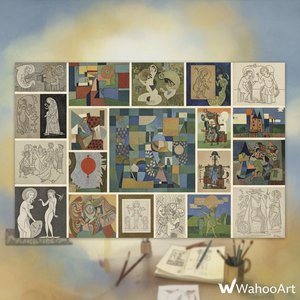
Paul Klee's Masterpieces: Explore 25 Iconic Paintings & Prints | OriginalUniqueArt
Journey through Paul Klee's 25 most iconic paintings & prints. Explore his abstract style, Bauhaus influence, and vibrant color palettes. Find museum-quality art reproductions & decor ideas at OriginalUniqueArt.com. Discover all masterpieces online.
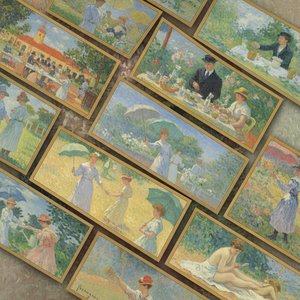
Renoir's Masterpieces: Explore 25 Iconic Paintings & Bring Art Home | OriginalUniqueArt
Explore 25 iconic Pierre-Auguste Renoir paintings! Discover the stories behind Impressionist masterpieces like 'Dance at Le Moulin de la Galette' & 'Luncheon of the Boating Party'. Find museum-quality art reproductions and elevate your home decor with OriginalUniqueArt.com.
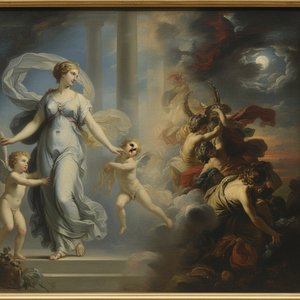
Pierre-Paul Prud'hon: Exploring Neoclassical Sensibility & Romantic Precursors
Explore the captivating world of Pierre-Paul Prud'hon, a pivotal French painter bridging Neoclassicism & Romanticism. Discover his allegorical masterpieces and lasting influence on 19th-century art history.

Georges Seurat's Masterpieces: 25 Paintings That Defined Pointillism | OriginalUniqueArt
Explore 25 iconic Georges Seurat paintings & discover the brilliance of Pointillism. From 'La Grande Jatte' to his harbor scenes, delve into art history with OriginalUniqueArt.com. Find museum-quality reproductions for your home decor. Explore the full collection online!

Cézanne's Masterpieces: 25 Iconic Artworks to Transform Your Space
Journey through 25 iconic artworks by Paul Cézanne – a master of Impressionism and Post-Impressionism. Explore his landscapes, still lifes, and the stories behind these timeless masterpieces. Discover museum-quality reproductions & curated decor at OriginalUniqueArt.com.


