
 Preview
 Send
Send Share
Share
 Details
 Guide
Guide

 Download
 Similars
 X-Ray
X-Ray Diaporama
 Q&A
Q&A Stats
StatsCircumcision

- 23.0 x 50.0 cm


 Read More
Giclée / Art Print
Museum-quality giclée or canvas print with fast production and flexible finish options. ( Buy Hand Made Painting Switch to Digital Image)




P118B $10

P118H $10

P118W $10

P438Z $10

P508JH $12

P508YH $12

P805H $10

P805Z $10

P919BZ $10

P919G $10

P919XJ $10

P959ZH $10

P968JZ $12

W106C $8

W218G $10

W218JH $8

W218Y $10

W307PJ $10

W316G $10

W316PJ $8

W316Y $10

W398PJ $8

W4111J $10

W500HY $15

W500JH $15

W692G $12

W849H $8

W940BG $15

W953PJ $8




Pick from our preset sizes that match the artwork's original proportions.

Type the width and the height you need, to fit your frame or your wall. A print can only be cut, never made bigger than the picture, so a size with a different shape loses a part of the image. We send you a digital mockup to approve before we print anything. The picture shown on this page does not show the real cut — only the mockup does.
Worldwide Delivery () in 2 weeks instead of standard 4/5 weeks. (14 November)

Free Worldwide Express Shipping

High-Quality Linen Canvas

Full Shipping Insurance

Customs Tax Refund Guarantee

True Color Matching Guarantee

100-Day Return Policy (Defects Only)

100% Money-Back Guarantee

Bulk Discount Offer
 Glass option is only available in size under 110 CM

Circumcision
Giclée / Art Print
Reproduction Size
-


Total Price
$ 81
The Depiction of Circumcision by Mariotto Albertinelli
In "Circumcision" by Mariotto Albertinelli, a sacred ritual unfolds within a quiet, solemn space. The scene captures the moment of the ritual circumcision of the infant Jesus, a profound event that anchors the composition. Completed about 1503, the work brings the viewer into a space of deep religious significance. Every figure present seems caught in a state of quiet reverence, their presence emphasizing the weight of the ceremony. The air feels heavy with the gravity of the divine act being performed.
The subject matter reflects the intense theological concerns of the Renaissance era. Mariotto Albertinelli focuses on the intersection of human experience and divine purpose. Through this depiction, the painting emphasizes themes of purity and divine grace. The figures gather around the child, their postures suggesting a shared understanding of the spiritual importance of this rite. There is a sense of stillness that allows the viewer to witness the gravity of the moment as it happens.
Composition and Visual Elements of the Scene
The scene unfolds within a solemn indoor setting, where the architecture speaks of classical order. Arches and columns frame the space, creating a sense of structured permanence around the central event. At the heart of this arrangement lies a large stone sarcophagus. Its lid and sides bear intricate carvings that catch the light, grounding the composition with a heavy, tactile presence. The weight of the stone anchors the entire arrangement, drawing the eye toward the center of the ritual.
Figures surround the sarcophagus, their bodies held in postures of prayer and deep contemplation. On the left, a man draped in a yellow robe and a blue cloak holds a scroll or document, his presence adding a layer of scholarly or scriptural weight to the gathering. To the right, another figure clutches a book or manuscript, reinforcing the atmosphere of sacred knowledge. These figures do not merely occupy the space; they inhabit it with a quiet, focused energy that directs all attention toward the central stone.
In the background, additional figures appear as observers, watching from a distance to complete the sense of a communal, sacred moment. The spatial arrangement guides the gaze through the architectural layers, from the foregrounded figures to the receding depths of the chapel. Every element, from the texture of the carved stone to the specific items held by the witnesses, contributes to a moment held in stillness.
Technique and Material Composition
The oil on panel surface holds a quiet, solemn energy. Albertinelli works with a muted palette, leaning heavily into earthy tones that ground the sacred scene in a sense of tangible reality. Ochre, umber, and Sienna dominate the visual field, creating a somber atmosphere that invites a sense of reverence. These deep, grounded colors wrap around the figures, providing a steady foundation for the narrative unfolding within the chapel setting.
Amidst these subdued tones, sudden splashes of blue and yellow emerge to guide the eye. These deliberate touches of color draw attention to specific figures and architectural details, breaking the monochromatic weight of the earth tones. The artist employs a careful use of perspective, constructing a convincing illusion of depth that expands the confined space of the scene. This spatial arrangement allows the viewer to step into the room, feeling the weight of the stone and the presence of those gathered in prayer.
Related Works by Mariotto Albertinelli
The artistic spirit of Albertinelli flows through several other significant compositions that echo the religious fervor of his era. One finds his hand in the Visitation, a work housed within the Galleria degli Uffizi. This piece is widely regarded as his most significant achievement, capturing a profound moment of meeting between two women. The way he handles light and form in this work reveals the same dedication to narrative clarity seen in his other religious depictions.
His creative vision also extends to the Annunciation, a work that highlights his ability to handle sacred subjects with grace. This theme appears again within a larger, cohesive structure: the altarpiece created for the Chapel of Congregazione di San Martino. This significant commission features multiple panels that weave a larger theological story, including depictions of the Nativity. Each panel within that altarpiece contributes to a unified atmosphere of devotion, much like the quiet intensity found in the scene of the Circumcision.
Questions & Answers
Why is the copyright status of "Circumcision" what it is?
The copyright status of "Circumcision" - in the public domain - its copyright has expired - follows from the artist's death in 1515.
What colors dominate "Circumcision" by Mariotto Albertinelli?
The color identity of "Circumcision" by Mariotto Albertinelli: an earthy palette, dominated by espresso (#3b322c).
What does "Circumcision" by Mariotto Albertinelli depict, and in what mood?
"Circumcision" by Mariotto Albertinelli depicts religious scene, circumcision event, renaissance figures, classical architecture, earth tones palette, italian art history, florentine painting, in a calm mood. Subject and atmosphere together describe the work.
Artist Biography
Mariotto Albertinelli: A Florentine Renaissance Painter
- Born: Florence, Italy (1474)
- Died: 1515
Early Life and Training
Mariotto di Bigio di Bindo Albertinelli was born in Florence as the son of a gold beater. He was an only child, and his mother died when he was just five years old. Initially trained as a gold beater until the age of 12, he then became a pupil of Cosimo Rosselli, sharing studies with Fra Bartolomeo. The close friendship between Albertinelli and Fra Bartolomeo led them to establish a joint studio in Florence by 1494.
Artistic Development and Influences
Albertinelli’s style demonstrates the influence of several prominent artists including Perugino, Piero di Cosimo, Lorenzo di Credi, and Flemish painters. His early works, produced independently of Fra Bartolomeo, are stylistically distinct and reveal a sophisticated taste for detail. Piero di Cosimo introduced him to Flemish techniques, enriching his artistic palette. A period of independence followed Fra Bartolomeo’s entry into the Dominican order in 1500, allowing Albertinelli to develop his own voice while still maintaining a connection to his former mentor's style.
Major Works and Collaborations
- The Visitation (1503): Housed in the Uffizi Gallery, this is considered Albertinelli’s masterpiece. It depicts the biblical story of Elizabeth visiting Mary, showcasing his skill in composition, narrative depiction, and blending influences from Fra Bartolomeo and Perugino.
- Altarpiece for the Chapel of Congregazione di San Martino: This altarpiece includes panels depicting the Visitation, Annunciation, Nativity, and Circumcision. It demonstrates Albertinelli's ability to create a cohesive narrative across multiple panels.
- Kress Tondo: Initially attributed solely to Fra Bartolomeo, it is now believed that Albertinelli used his partner’s cartoon in its creation, highlighting their collaborative relationship.
- Annunciation (1511): A joint work with Fra Bartolomeo, showcasing a period of stylistic convergence and collaboration.
Historical Significance and Legacy
Albertinelli's artistic career reflects the dynamic shifts within Florentine painting during the High Renaissance. His ability to synthesize diverse influences—Perugino’s grace, Flemish detail, and Leonardo’s sfumato technique—created a unique style that contributed to the richness of Florentine art. He trained notable artists such as Jacopo da Pontormo, Innocenzo di Pietro Francucci da Imola, and Giuliano Bugiardini, ensuring his influence extended beyond his own works. Despite facing financial difficulties later in life, Albertinelli left behind a body of work that demonstrates his skill and artistic versatility, solidifying his place within the Florentine Renaissance.

Mariotto Albertinelli
1474 - 1515 , Italy
Quick Facts
- Full Name: Mariotto Albertinelli
- Nationality: Italian
- Date Of Birth: 1474
- Date Of Death: 1515
- Place Of Birth: Florence, Italy
- Notable Artworks:
- Visitation (1503)
- Scenes from Genesis panels
- Artistic Movement Or Style: Florentine Renaissance
- Artists Who Influenced This Artist:
- Perugino
- Piero di Cosimo
- Lorenzo di Credi
- Leonardo da Vinci
- Fra Bartolomeo
- Artists Or Movements Influenced By This Artist:
- Jacopo da Pontormo
- Giuliano Bugiardini
Related Articles

Chiaroscuro and Conviction: The Weight of Ritual in Baroque Sacred Art
Explore the dramatic power of Baroque sacred art through masters like Crespi. Discover the profound impact of light and shadow today.

Heavenly Visions: A Curated Journey Through the Divine Masterpieces of Art History
Explore the profound beauty of religious art history. From Renaissance grace to Baroque drama, discover the stories behind iconic divine masterpieces and learn how to bring museum-quality, hand-painted oil reproductions into your home with OriginalUniqueArt.com.

25 Must-See Masterpieces at the Uffizi Gallery: A Journey Through Renaissance Brilliance
Embark on a breathtaking journey through the Uffizi Gallery's finest. From Botticelli to Da Vinci, explore 25 iconic Renaissance masterpieces and their timeless stories. Find inspiration for museum-quality art reproductions and decor. Discover all masterpieces on OriginalUniqueArt.com.
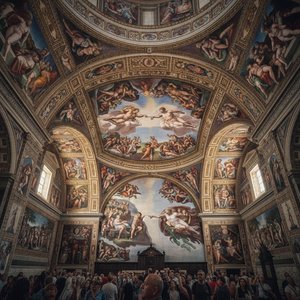
25 Masterpieces of the Sistine Chapel: A Journey Through Michelangelo's Divine Art
Step into the divine beauty of the Sistine Chapel. Explore 25 iconic Renaissance masterpieces by Michelangelo and beyond. From breathtaking frescoes to timeless legends, find inspiration for museum-quality art reproductions and decor. Discover all masterpieces on OriginalUniqueArt.com.
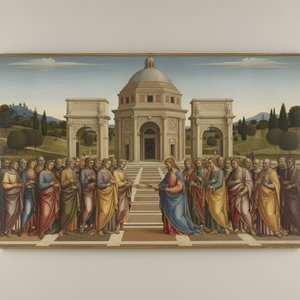
Pietro Perugino: Umbrian Master of Serenity & Precursor to Raphael's High Renaissance
Explore the life & art of Pietro Perugino, a pivotal Renaissance master and Raphael’s influential teacher. Discover his serene compositions, Sistine Chapel frescoes, and lasting legacy with OriginalUniqueArt.


