Text size

() ·

A painting made for you, by hand

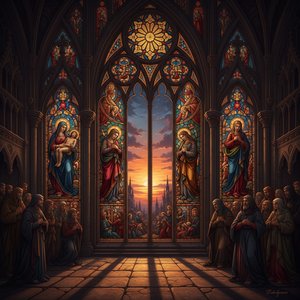
The Annunciation and Two Saints

Hand Made Oil Reproduction

Hand-painted oil on canvas in your size and frame, made to order by our artists. ( Switch to Print Switch to Digital Image)

Collectible Description

Experience the breathtaking Annunciation by Lippo Memmi & Simone Martini! This iconic Gothic masterpiece, housed at the Uffizi Gallery, showcases exquisite detail and spiritual beauty.

Artist Biography

Discover Lippo Memmi (c.1291-1356), a pivotal Sienese painter and key follower of Simone Martini. Explore his elegant International Gothic masterpieces, including the iconic 'Madonna della Febbre', and refined artistic style.

from ·

Chapter 1

How large should it be?

Slide to change the size; the picture on the left shows the frame at its real width. The proportions of the original are kept.

Standard
custom
CM
INCH

Pick from our preset sizes that match the artwork's original proportions.

width
height

Type the width and the height you need, to fit your frame or your wall. This is hand-painted, so for a size with a different shape the artist can paint a bit more around the picture, or cut a bit — you choose. We send you a digital mockup to approve before the painting starts. The picture shown on this page does not show the real result — only the mockup does.

Chapter 2

How should it arrive?

Choose the edges of the stretched canvas

Choose your frame

Corner sample of the WhiteWrap canvas edge finish, stretched on solid wood bars
White $1
Corner sample of the BlurSideWrap canvas edge finish, stretched on solid wood bars
Blurside $1
Corner sample of the ExtendedWrap canvas edge finish, stretched on solid wood bars
Extended $1
Corner sample of the P118B picture frame: moulded polystyrene, 5 cm wide and 3 cm thick
P118B $10
Corner sample of the P118H picture frame: moulded polystyrene, 5 cm wide and 3 cm thick
P118H $10
Corner sample of the P118W picture frame: moulded polystyrene, 5 cm wide and 3 cm thick
P118W $10
Corner sample of the P438Z picture frame: moulded polystyrene, 5.5 cm wide and 3.5 cm thick
P438Z $10
Corner sample of the P508JH picture frame: moulded polystyrene, 7 cm wide and 3.5 cm thick
P508JH $12
Corner sample of the P508YH picture frame: moulded polystyrene, 7 cm wide and 3.5 cm thick
P508YH $12
Corner sample of the P805H picture frame: moulded polystyrene, 5 cm wide and 3.5 cm thick
P805H $10
Corner sample of the P805Z picture frame: moulded polystyrene, 5 cm wide and 3.5 cm thick
P805Z $10
Corner sample of the P919BZ picture frame: moulded polystyrene, 7 cm wide and 3.5 cm thick
P919BZ $10
Corner sample of the P919G picture frame: moulded polystyrene, 7 cm wide and 3.5 cm thick
P919G $10
Corner sample of the P919XJ picture frame: moulded polystyrene, 7 cm wide and 3.5 cm thick
P919XJ $10
Corner sample of the P959ZH picture frame: moulded polystyrene, 5 cm wide and 3 cm thick
P959ZH $10
Corner sample of the P968JZ picture frame: moulded polystyrene, 6 cm wide and 4 cm thick
P968JZ $12
Corner sample of the W106C picture frame: solid wood, 5 cm wide and 3 cm thick
W106C $8
Corner sample of the W218G picture frame: solid wood, 5 cm wide and 3 cm thick
W218G $10
Corner sample of the W218JH picture frame: solid wood, 5 cm wide and 3 cm thick
W218JH $8
Corner sample of the W218Y picture frame: solid wood, 5 cm wide and 3 cm thick
W218Y $10
Corner sample of the W307PJ picture frame: solid wood, 6 cm wide and 3 cm thick
W307PJ $10
Corner sample of the W316G picture frame: solid wood, 6 cm wide and 3 cm thick
W316G $10
Corner sample of the W316PJ picture frame: solid wood, 6 cm wide and 3 cm thick
W316PJ $8
Corner sample of the W316Y picture frame: solid wood, 6 cm wide and 3 cm thick
W316Y $10
Corner sample of the W398PJ picture frame: solid wood, 5 cm wide and 3 cm thick
W398PJ $8
Corner sample of the W4111J picture frame: solid wood, 6.5 cm wide and 3.5 cm thick
W4111J $10
Corner sample of the W500HY picture frame: solid wood, 7 cm wide and 5 cm thick
W500HY $15
Corner sample of the W500JH picture frame: solid wood, 7 cm wide and 5 cm thick
W500JH $15
Corner sample of the W692G picture frame: solid wood, 8 cm wide and 4 cm thick
W692G $12
Corner sample of the W849H picture frame: solid wood, 5 cm wide and 3 cm thick
W849H $8
Corner sample of the W940BG picture frame: solid wood, 7.5 cm wide and 4.5 cm thick
W940BG $15
Corner sample of the W953PJ picture frame: solid wood, 6 cm wide and 3.5 cm thick
W953PJ $8
Corner sample of the H24-GOLD picture frame: carved wood with gesso, 10 cm wide and 6 cm thick
H24-GOLD $30
Corner sample of the H24-SILVER picture frame: carved wood with gesso, 10 cm wide and 6 cm thick
H24-SILVER $30
Corner sample of the H36-GOLD picture frame: carved wood with gesso, 15 cm wide and 6.5 cm thick
H36-GOLD $45
Corner sample of the H36-SILVER picture frame: carved wood with gesso, 15 cm wide and 6.5 cm thick
H36-SILVER $45
Frame preview
Framed

Moulding: . Overall size with the frame: .

Chapter 3

Who paints it, and should anything change?

Examples of what can be changed: Replace face with customer photo; Add pet (e.g., replace cat with dog); Include hidden message in background; Change background landscape or elements.
After order, OriginalUniqueArt.com team will email client for instructions and provide a mockup preview

Worldwide Delivery () in 3/4 weeks instead of standard 5 weeks. (1 November). No compromise on quality.

Chapter 4

The finishing touches

A nameplate, as in a museum?

Engraved Bronze Plaque Details

This elegant plaque features the artist's name and the title of the artwork, finely engraved for a timeless presentation.

It is made from bronze with a refined, elegant finish. The text is precisely laser-engraved for a sharp and permanent result. Measuring 9x2 cm, the plaque is compact yet easy to read. It's built to be durable and scratch-resistant, offering a professional, museum-quality look. Mounting is simple thanks to the included adhesive backing.

Transparent Acrylic Plaque Details

The plaque includes essential engraved details such as the artist's name, the title of the artwork, the date it was created, the type of media used-like oil on canvas or watercolor-a brief description of the piece, and a QR code that links to the complete artwork information.

It is crafted from clear acrylic, offering a sleek, modern appearance. The text is UV-engraved in black to ensure strong visual contrast. With a size of 10x15 cm, it ensures optimal readability. It comes equipped with two metal hooks for secure wall mounting. The plaque is designed to be weather-resistant, making it suitable for various environments, and it includes interactive features that work seamlessly with smartphone scanning.

Black Acrylic Plaque Details

This elegant plaque includes engraved information such as the artist's name, the title of the artwork, the date it was created, the type of media used (like oil on canvas or watercolor), a short description of the artwork, and a QR code for quick access to more information.

The plaque itself is made from refined black acrylic with a premium finish. The text is laser-engraved in white for high contrast and readability. Its size is 10x15 cm, designed to be easy to read. It comes with two metal hooks for professional mounting. The design is sleek and fits any interior style. It is also weather-resistant and durable, with built-in digital integration for mobile compatibility.

A protective varnish?

When do you need it?

Chapter 5

Your painting, as you ordered it

The Annunciation and Two Saints

Reproduction Medium

Reproduction Size

-

Elite Senior Artist

More detail, finesse, and extra production time

-

Reproduction Frame

-

-

For artworks or reproductions larger than 105 cm (approximately 41 inches) on any side, the frame will be shipped as a kit, disassembled. This method ensures safe delivery and prevents damage during transport.

Professional assembly required - this is not a DIY product.
The kit must be assembled and the canvas stretched by an experienced professional framer, using wood glue (not supplied), a canvas stretching plier and clamps to hold the bars square while the glue dries. Incorrect assembly or uneven canvas tension can permanently damage the artwork and is not covered by our warranty.

  • All solid wood bars are included, precisely cut to size.

  • Assembled with the screws provided, plus wood glue for the corner joints, which is not supplied and must be sourced by your framer.

  • Professional tools are required and not included: a canvas stretching plier (tensioner) and clamps to hold the bars square while the glue dries.

Important:
The corner joints require wood glue, the bars must be held with clamps until the glue is fully dry, and tightening the canvas on the assembled frame requires a canvas stretching plier. None of these are included in the kit. Please arrange an experienced professional framer before ordering this size.

Nameplate

-

-

Protective Varnish

Glossy Varnish (enhances colors, protects against light/moisture)

-

Customize My Artwork

Examples of what can be changed: Replace face with customer photo; Add pet (e.g., replace cat with dog); Include hidden message in background; Change background landscape or elements.

-

Urgent

Worldwide Delivery () in 3/4 weeks instead of standard 5 weeks. (1 November). No compromise on quality.

-

Express Shipping

Worldwide Delivery () in 5 weeks. (8 November).

Included

Total Price

$ 300

Total Price $ 300

Glass option is only available in size under 110 CM

Included with every order

  • Free Worldwide Express Shipping
  • High-Quality Linen Canvas
  • Full Shipping Insurance
  • Customs Tax Refund Guarantee
  • True Color Matching Guarantee
  • 100-Day Return Policy (Defects Only)
  • 100% Money-Back Guarantee
  • Bulk Discount Offer

The Annunciation and Two Saints: A Gothic Masterpiece of Siena

Within the hallowed halls of the Galleria degli Uffizi in Florence resides “The Annunciation and Two Saints,” a painting that transcends mere religious depiction, blossoming into a profound meditation on grace, divine communication, and the burgeoning beauty of the International Gothic style. Attributed primarily to Lippo Memmi, yet undeniably shaped by his brother-in-law Simone Martini’s influence, this tempera-on-wood artwork from 1333 offers a captivating glimpse into the artistic heart of Siena during a pivotal moment in European art history.

The scene unfolds with an almost startling immediacy. The Archangel Gabriel, rendered with exquisite detail and a subtle dynamism, appears before the Virgin Mary, his gesture conveying both urgency and reverence. His wings are spread wide, capturing a fleeting moment of celestial arrival, while his face reflects a solemnity tempered by compassion. Mary’s reaction is equally compelling – a mixture of surprise, apprehension, and acceptance, subtly conveyed through her posture and the delicate curve of her hand.

Beyond the central figures, the painting is rich with symbolic detail. The two flanking saints, Saint Margaret and Saint Ansanus, are presented in circular medallions, their presence adding layers of devotional significance to the composition. The use of lapis lazuli – a notoriously expensive pigment imported from distant lands – within these medallions speaks volumes about the commission’s prestige and the collective wealth invested in this sacred artwork. The meticulous application of gold leaf, lavishly adorning the throne, the drapery, and the halos, further emphasizes the painting's opulence and its connection to divine splendor.

A Symphony of Line and Color: Artistic Technique

Lippo Memmi’s mastery is evident in the painting’s remarkably refined linear quality. The artist skillfully employs a technique reminiscent of illuminated manuscripts from the French court, characterized by elongated figures, intricate detailing, and a sense of ethereal beauty. This “northern European” style, as art historians often describe it, stands apart from the more robust and voluminous forms prevalent in Florentine painting at the time. The meticulous rendering of textures – the velvet folds of Mary’s robe, the polished marble floor, the delicate feathers of the angel’s wings – demonstrates Memmi's exceptional technical skill.

The color palette is equally sophisticated, dominated by rich blues and golds that evoke a sense of sacred light. The use of lapis lazuli, alongside other precious pigments, creates an atmosphere of otherworldly radiance. Notice how the artist subtly employs chiaroscuro – the interplay of light and shadow – to sculpt the figures and create depth within the composition. This masterful manipulation of color and light not only enhances the painting’s visual appeal but also contributes to its emotional impact.

Historical Context: Siena's Artistic Renaissance

“The Annunciation and Two Saints” is deeply rooted in the artistic and religious landscape of Siena during the 14th century. It was created as part of a larger cycle of altarpieces commissioned to honor the city’s patron saints, reflecting Siena’s civic pride and its commitment to religious devotion. This commission coincided with a period of remarkable artistic flourishing in Siena, marked by the emergence of talented artists like Memmi and Martini.

The painting's style—a harmonious blend of Byzantine influences, French manuscript illumination, and emerging Gothic trends—reflects the cosmopolitan nature of Sienese art at the time. It’s a testament to the city’s role as a major center for artistic production and exchange. The work was intended to be displayed in the chapel of Saint Ansanus within Siena Cathedral, serving as a focal point for worship and a symbol of the city's faith.

Symbolism and Emotional Resonance

Beyond its technical brilliance and historical significance, “The Annunciation and Two Saints” resonates with profound symbolic meaning. The scene itself—the announcement of Jesus’ birth—is one of the most iconic narratives in Christian art. However, Memmi elevates this familiar story through his masterful depiction of human emotion and spiritual grace.

Mary's reaction – a mixture of surprise, humility, and acceptance – speaks to the profound mystery of faith. The angel’s gesture embodies divine communication and the promise of salvation. The painting invites viewers to contemplate not only the miraculous event depicted but also the deeper themes of hope, love, and redemption. It is a work that continues to inspire awe and reverence centuries after its creation.

OriginalUniqueArt offers meticulously crafted, hand-painted oil reproduction reproductions of this extraordinary masterpiece, allowing art enthusiasts to bring the beauty and spiritual depth of “The Annunciation and Two Saints” into their homes or studios. Experience the artistry firsthand – a timeless testament to the genius of Lippo Memmi and Simone Martini.

Questions & Answers

What style does "The Annunciation and Two Saints" belong to?

The movement associated with "The Annunciation and Two Saints" by Lippo Memmi is International Gothic. This classification situates the work among related artists and artworks.

What is the creation date of "The Annunciation and Two Saints" by Lippo Memmi?

"The Annunciation and Two Saints" dates from 1333. The date places the work within Lippo Memmi's career and its era.

How big is the original "The Annunciation and Two Saints"?

The original "The Annunciation and Two Saints" by Lippo Memmi measures 184 x 210 cm.

More about this painting

Preview AR preview Switch to Print Switch to Digital Image Send
Details Guide Add to favorites Download Similars X-Ray Diaporama Q&A Stats

In numbers

  • 1333the year it was painted
  • 29frames to choose from
  • standard sizes, in its own proportions
  • 5weeks to paint and deliver it
Lippo Memmi

Lippo Memmi

1291 - 1356, Italy

Quick facts about Lippo Memmi

  • Full Name: Lippo Memmi
  • Nationality: Italian
  • Date Of Birth: 1291
  • Date Of Death: 1356
  • Place Of Birth: Siena, Italy
  • Notable Artworks:
    • Annunciation with St. Margaret...
    • Virgin of Mercy
    • La Madonna della Febbre
  • Artistic Movement Or Style: International Gothic
  • Artists Who Influenced This Artist: ['Simone Martini']
  • Artists Or Movements Influenced By This Artist: ['Sienese artists']

Artist Biography

A Sienese Master of Grace and Devotion

Lippo Memmi, born around 1291 in the heart of Siena, Italy, stands as a pivotal figure in the transition from the Byzantine-rooted traditions of medieval painting towards the burgeoning elegance of the International Gothic style. Though often discussed in relation to his celebrated brother-in-law and mentor, Simone Martini, recent scholarship increasingly recognizes Memmi’s distinct artistic voice and significant contributions to 14th-century Sienese art. His early life was steeped in artistry; as the son of Memmo di Filippuccio, a painter himself, Lippo likely received his initial training within his father's workshop, gaining foundational skills that would later be refined under Martini’s guidance. This familial and professional connection proved crucial, shaping not only his technique but also his artistic sensibility. The close relationship fostered a collaborative spirit evident in some of their most renowned works, yet Memmi ultimately forged a path marked by a unique blend of inherited tradition and personal innovation.

Embracing the International Gothic

Memmi’s art is deeply embedded within the aesthetic principles of the International Gothic style that flourished across Europe during his lifetime. This movement prioritized elegance, refined detail, and a decorative approach to painting—a departure from the more austere styles of earlier periods. However, Memmi didn't simply adopt these new trends; he synthesized them with the enduring influence of Byzantine art, which remained strong in Siena. His figures often retain a certain formality and frontality reminiscent of Byzantine icons, yet they are imbued with a newfound grace and emotional depth. A hallmark of his technique is the meticulous rendering of fabrics, adorned with intricate patterns, and the distinctive use of stamped tin halos embellished with radiating gold leaf—details that showcase both technical skill and an appreciation for luxurious ornamentation. He was also a master miniaturist, employing sgraffito techniques to achieve delicate effects in his smaller works, demonstrating a remarkable attention to detail and a refined artistic sensibility.

Collaborations and Commissions

Throughout his career, Memmi undertook numerous significant commissions that attest to his growing reputation. Perhaps the most celebrated of these is the Annunciation with St. Margaret and St. Ansanus (1333), created in collaboration with Simone Martini for the Uffizi Gallery. This masterpiece exemplifies the International Gothic style, showcasing their combined mastery of line, composition, and color. Beyond this collaborative effort, Memmi received independent commissions that allowed him to further develop his individual style. The Virgin of Mercy, also known as the “Madonna dei Raccomandati,” commissioned for Orvieto Cathedral, demonstrates his ability to create deeply devotional images resonating with contemporary audiences. La Madonna della Febbre, a particularly revered icon, received a papal coronation in 1631 and is now enshrined within Saint Peter’s Basilica in Rome—a testament to its enduring spiritual significance and miraculous reputation. Furthermore, the frescoes attributed to him (formerly credited to Barna) in the Collegiate Church of San Gimignano represent a substantial body of work revealing his narrative skills and artistic vision.

From Avignon to Lasting Legacy

Memmi’s career took an intriguing turn when he followed Simone Martini to the Papal court in Avignon during the mid-14th century. This period exposed him to new patrons, artistic influences, and a broader European context. While in Avignon, he continued to refine his style and expand his repertoire. Upon returning to Siena, he remained active until his death in 1356, continuing to produce works that reflected both the traditions of Sienese painting and the innovations of the International Gothic movement. Over time, Memmi’s style evolved, becoming characterized by softer qualities and a tranquil spirit compared to earlier Duecento masters. He is now recognized as the foremost follower of Simone Martini, playing a crucial role in shaping Sienese art during a period of significant artistic change. His contribution to the development and dissemination of the International Gothic style remains undeniable, and his influence extended to subsequent generations of artists, particularly those working in Siena after the devastation of the Black Death. Recent scholarship has moved beyond viewing him solely as Martini’s follower, celebrating his unique contributions and solidifying his place as a significant artist in his own right.

A Reassessment of Artistic Merit

For many years, Lippo Memmi was overshadowed by the brilliance of Simone Martini. However, contemporary art historians are increasingly recognizing the subtlety and sophistication of his work. His paintings possess a quiet dignity and emotional resonance that sets them apart. The delicate modeling of faces, the graceful drapery, and the luminous use of color all contribute to an atmosphere of serene beauty. Memmi’s ability to blend Byzantine formality with Gothic elegance created a distinctive style that influenced artists for decades after his death. His legacy is not merely one of imitation or continuation but of thoughtful adaptation and artistic innovation—a testament to his skill, vision, and enduring contribution to the rich tapestry of Italian art history.

Quick Facts

  • Subject or theme: Religious scene
  • Influences: Illuminated manuscripts
  • Title: The Annunciation
  • Artist: Lippo Memmi
  • Movement: Gothic
  • Medium: Tempera on wood

Art Quiz

There is only one correct answer for each question.

Question 1:
What is the primary artistic style of "The Annunciation and Two Saints"?
Question 2:
In what year was "The Annunciation and Two Saints" painted?
Question 3:
Which of the following best describes the collaboration between Lippo Memmi and Simone Martini on this painting?
Question 4:
What material is prominently used in the painting's decoration, contributing to its opulent appearance?
Question 5:
The painting’s style is often compared to what other artistic tradition, suggesting a possible influence?