Romanticism · 1826
The Cornfield (John Constable, 1826)
John Constable (1776–1837) made The Cornfield. It dates from 1826. It belongs to the Romanticism movement. It is made in oil on canvas. It is kept at National Gallery in London, United Kingdom. It measures 143 × 122 cm.
- 1826
- Oil On Canvas
- 143 × 122 cm
- National Gallery, London

 Preview

 Hand Made Oil Painting
 Send
 Share
 Fact sheet


 Download
 Similars
 X-Ray
 Diaporama
 Q&A

 Stats
The Cornfield, in brief
- Title
- The Cornfield
- Artist
- John Constable (1776–1837)
- Artist born in
- East Bergholt, United Kingdom
- Date
- 1826
- Medium
- Oil On Canvas
- Dimensions
- 143 × 122 cm
- Where to see it
- National Gallery, London, United Kingdom
- Movement
- Romanticism
- Period
- 19th Century
- Subject
- landscape, rural life, english countryside, pastoral scene, natural light, farming
What does The Cornfield depict?
The Cornfield: A Celebration of Rural England
John Constable's "The Cornfield," painted in 1826, is more than just a landscape; it’s an evocative portrayal of rural life and the deep connection between humanity and nature. This oil-on-canvas masterpiece, residing within the esteemed National Gallery in London, captures a fleeting moment – “Landscape: Noon,” as it was originally titled – with remarkable detail and emotional depth. Measuring 143 x 122 cm, the painting exemplifies Constable's commitment to realism and his profound love for the Suffolk countryside surrounding his home in Dedham Vale.
Composition and Technique: A Symphony of Light and Detail
The composition is carefully orchestrated to draw the viewer into the scene. A lane gently slopes towards a bend, leading the eye through a vibrant cornfield bathed in the warm light of midday. A shepherd boy drinks from a pool, while sheep graze peacefully nearby, creating a sense of tranquility and pastoral harmony. The presence of horses and a dog further enriches the narrative, depicting everyday life within this idyllic setting. Constable’s technique is characterized by meticulous brushwork and an exceptional understanding of natural light. He paid close attention to botanical accuracy, consulting with botanist Henry Phillips to ensure the precise depiction of flora. This dedication to detail elevates the painting beyond mere representation; it becomes a celebration of the English countryside's inherent beauty.
Historical Context: Romanticism and the Rise of Landscape Painting
"The Cornfield" emerged during the Romantic era, a period that emphasized emotion, individualism, and the sublime power of nature. Constable’s work stood apart from the prevailing artistic trends of historical painting, instead championing the beauty of everyday landscapes. His focus on personal observation and emotional connection with his surroundings was revolutionary for its time. The painting reflects a growing appreciation for rural life in 19th-century England, as industrialization began to transform the nation's landscape. Constable’s dedication to capturing the authenticity of this changing world resonated deeply with contemporary audiences.
Symbolism and Emotional Impact: A Sense of Peace and Belonging
Beyond its aesthetic beauty, "The Cornfield" carries a profound symbolic weight. The corn itself represents abundance and prosperity, while the tranquil scene evokes a sense of peace and belonging. Constable’s masterful use of light creates an atmosphere of warmth and serenity, inviting viewers to immerse themselves in the idyllic setting. The solitary figure of the shepherd boy suggests contemplation and connection with nature, reinforcing the painting's overall message of harmony and tranquility. The work continues to inspire awe and admiration, reminding us of the enduring power of art to capture the essence of a place and evoke deep emotional responses.
Which museum holds The Cornfield?
National Gallery
London, United Kingdom
The History of the National Gallery The National Gallery is an art museum located in Trafalgar Square in the City of Westminster, in Central London, England. Its origins trace back to 1824, when the British government acquired thirty-eight paintings from the estate of John Julius Angerstein. This initial act of acquisition transformed a private collection into a public resource.


High-resolution images of The Cornfield

John Constable, The Cornfield (1826), National Gallery. Public domain.
Colours matched to the original by a digital expert, the file finely retouched, faithful to the artist's brushwork.
Own the high-resolution fileQuestions on The Cornfield, answered
Where is "The Cornfield" by John Constable on display today?
The original "The Cornfield" by John Constable is held at the National Gallery, London, United Kingdom. A reproduction allows the work to be displayed at home.
When was "The Cornfield" made?
"The Cornfield" by John Constable was created in 1826.
What medium is "The Cornfield" by John Constable executed in?
"The Cornfield" is executed in oil on canvas.
What size is "The Cornfield" by John Constable in real life?
"The Cornfield" measures 143 x 122 cm in its original form. Original dimensions are a useful reference when choosing a reproduction size.
What subjects appear in "The Cornfield" by John Constable?
The subjects of "The Cornfield" are landscape, rural life, english countryside, pastoral scene, natural light, farming, shepherds, trees.
Can the image of "The Cornfield" by John Constable be freely reproduced?
Regarding copyright, "The Cornfield" is in the public domain - its copyright has expired.
Who created "The Cornfield"?
"The Cornfield" is attributed to John Constable.
What style does "The Cornfield" belong to?
"The Cornfield" is a work of Romanticism. The movement indicates the artistic tradition the work is part of.
Which period of John Constable's career does "The Cornfield" belong to?
Within John Constable's career, "The Cornfield" falls in the Mature Period. The phase helps compare it with the artist's other works.
About the artist, John Constable
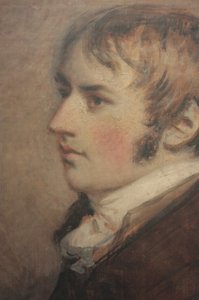
1776–1837, United Kingdom
John Constable
Early Life, Family and Training John Constable was born in 1776 in the village of East Bergholt, Suffolk. He was the second son of Golding and Ann (Watts) Constable. His father was a prosperous corn and coal merchant who owned Flatford Mill. This connection to the river and the local trade meant that the rhythms of the water and the movement of goods were part of the household's daily life.
Also by John Constable
 The Hay Wain1821
 View of Salisbury Cathedral from the Bishop's Grounds1823
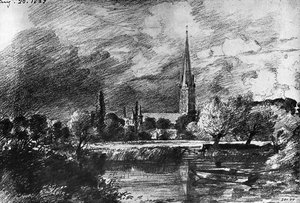 Salisbury cathedral
 The Hay-Wain (detail)1821

Essays around The Cornfield
 25 Must-See Masterpieces at the Yale Center for British ArtExplore 25 iconic works from Turner to Hogarth at Yale Center for British Art. Discover every masterpiece on OriginalUniqueArt.com.
 10 Iconic Masterpieces That Defined Romantic Landscape PaintingExperience the sublime power of Romantic landscape painting. From Caspar David Friedrich to J.M.W. Turner, explore 10 iconic masterpieces a…
 Mastering the English Landscape: The Top 25 Artworks by John ConstableImmerse yourself in the soul of the English countryside with our curated guide to John Constable's top 25 masterpieces. Explore the emotive…