Preview
 Send
Send Share
Share
 Details
 Guide
Guide

 Download
 Similars
 X-Ray
X-Ray Diaporama
 Q&A
Q&A Stats
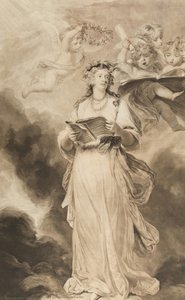
StatsAn Unknown Woman
 Oil On Canvas
- WallArt
- Romantic Landscape
 1811
1811 76.0 x 65.0 cm
 Yale Center for British Art
 Read More
Giclée / Art Print
Museum-quality giclée or canvas print with fast production and flexible finish options. ( Buy Hand Made Painting Switch to Digital Image)




P118B $10

P118H $10

P118W $10

P438Z $10

P508JH $12

P508YH $12

P805H $10

P805Z $10

P919BZ $10

P919G $10

P919XJ $10

P959ZH $10

P968JZ $12

W106C $8

W218G $10

W218JH $8

W218Y $10

W307PJ $10

W316G $10

W316PJ $8

W316Y $10

W398PJ $8

W4111J $10

W500HY $15

W500JH $15

W692G $12

W849H $8

W940BG $15

W953PJ $8




Pick from our preset sizes that match the artwork's original proportions.

Type the width and the height you need, to fit your frame or your wall. A print can only be cut, never made bigger than the picture, so a size with a different shape loses a part of the image. We send you a digital mockup to approve before we print anything. The picture shown on this page does not show the real cut — only the mockup does.
Worldwide Delivery () in 2 weeks instead of standard 4/5 weeks. (29 October)

Free Worldwide Express Shipping

High-Quality Linen Canvas

Full Shipping Insurance

Customs Tax Refund Guarantee

True Color Matching Guarantee

100-Day Return Policy (Defects Only)

100% Money-Back Guarantee

Bulk Discount Offer
 Glass option is only available in size under 110 CM

An Unknown Woman
Giclée / Art Print
Reproduction Size
-


Total Price
$ 81
A Portrait of Quiet Longing: Unveiling James Ward’s “An Unknown Woman”
James Ward's "An Unknown Woman," painted in 1811, isn’t merely a depiction of a woman; it’s a poignant study in unspoken desire and the bittersweet ache of unrequited affection. This intimate portrait, rendered in oil on canvas with meticulous detail, captures a moment suspended between observation and yearning – a silent narrative whispered across time. Ward, a key figure in 19th-century British art, skillfully blended influences from his brother-in-law, George Morland, with the burgeoning Romantic sensibility of the era, creating an image that resonates with both classical grace and emotional depth.
The subject, identified only as “An Unknown Woman,” is seated in a simple chair, her gaze directed towards the viewer – a direct address that immediately establishes a connection. Her attire, a modest yellow dress adorned with a delicate white lace collar and a bonnet, speaks to the social conventions of the period while simultaneously hinting at an underlying vulnerability. The background, subtly rendered with two chairs and a potted plant, provides context without distracting from the central figure. Notice the careful attention to light and shadow; Ward masterfully employs chiaroscuro – the dramatic contrast between light and dark – to sculpt the woman’s face and create a sense of depth and mystery.
The Romantic Palette: Technique and Artistic Influence
Ward's technique is characterized by a remarkable level of realism tempered with an expressive use of color. He employs a restrained palette, dominated by muted earth tones – ochres, browns, and greys – that lend the scene a sense of quiet dignity. However, subtle touches of yellow in the dress and hints of green in the foliage introduce warmth and vitality. The brushwork is smooth and refined, reflecting Ward’s meticulous approach to detail. The painting's composition—the woman centered within the frame, her gaze fixed on the viewer—is a deliberate choice designed to draw the eye and invite contemplation. It echoes the conventions of portraiture while simultaneously imbuing the image with an emotional charge.
Ward’s artistic development is particularly fascinating. Initially influenced by Morland's genre scenes, he gradually transitioned towards more ambitious landscapes and portraits, absorbing elements from artists like Benjamin West and Thomas Lawrence. “An Unknown Woman” represents a pivotal moment in his career, showcasing his growing mastery of psychological portraiture and his ability to convey complex emotions through subtle gestures and expressions.
Symbolism and the Unspoken Narrative
Beyond its technical merits, "An Unknown Woman" is rich in symbolic meaning. The woman’s averted gaze suggests a guardedness, a reluctance to fully reveal her thoughts or feelings. Her posture—seated calmly yet with an air of quiet intensity—hints at a deep well of emotion. The painting invites us to speculate about her story: who is she? What has brought her to this moment of contemplation? The lack of explicit narrative allows the viewer to project their own experiences and emotions onto the image, transforming it into a mirror reflecting our own desires and vulnerabilities.
Furthermore, the title itself—"An Unknown Woman"—underscores the painting’s central theme: the power of unspoken longing. It speaks to the universal human experience of unfulfilled affections and the poignant beauty of moments that remain forever shrouded in mystery. The image resonates with a timeless quality, capturing a fleeting glimpse into the heart of human emotion.
A Timeless Masterpiece: Reproduction and Interpretation
Reproductions of “An Unknown Woman” offer a remarkable opportunity to experience Ward’s artistry firsthand. Whether displayed in a formal gallery setting or incorporated into a personal interior design scheme, this painting continues to captivate viewers with its quiet intensity and evocative beauty. Consider framing the reproduction in a classic style to complement the painting's historical context, or opt for a contemporary frame that adds a touch of modern flair. The image’s subtle color palette and nuanced composition make it an ideal choice for creating a serene and contemplative atmosphere.
Questions & Answers
How does "An Unknown Woman" by James Ward connect Romantic Landscape to the artist's home country?
"An Unknown Woman" connects the Romantic Landscape movement with United Kingdom through its creator's birthplace.
Can I examine "An Unknown Woman" in more detail?
The X-Ray view of "An Unknown Woman" by James Ward is on the artwork's X-Ray page: an interactive examination of the image through eleven optical layers.
What stage of James Ward's development does "An Unknown Woman" represent?
"An Unknown Woman" represents the Mature Period of James Ward.
Artist Biography
James Ward: A Life in British Art
James Ward (1769-1859) was a prominent British painter renowned for his captivating animal paintings, romantic landscapes, and insightful portraits. Though often overshadowed by contemporaries, his unique style and skill significantly impacted the development of British art during the 19th century.
Early Life and Training
Born on October 23, 1769, in London, United Kingdom, James Ward was the younger brother of engraver William Ward. His early artistic inclinations were nurtured within a creative family environment. While he received some formal training, his development was largely self-directed and heavily influenced by observation and practice.
Artistic Development & Influences
Ward’s career is conventionally divided into two distinct periods regarding influence. Initially, until around 1803, his work bore a strong resemblance to that of his brother-in-law, George Morland, characterized by genre scenes and a focus on everyday life. Following this period, he became deeply inspired by the Baroque master Peter Paul Rubens, adopting a more dynamic composition, rich color palette, and dramatic use of light and shadow.
Notable Works & Artistic Style
Ward’s singular style set him apart from many contemporaries. He excelled in various genres, including history painting, portraiture, landscape, and animal art. Some of his most celebrated works include:
- Gordale Scar (1814/15): Considered his masterpiece, this dramatic depiction of a Yorkshire gorge exemplifies the sublime qualities of English Romanticism.
- The Deer Stealer (1823): Commissioned by Theophilus Levett, this painting showcases Ward’s skill in narrative and animal representation.
- John Levett Hunting at Wychnor, Staffordshire (1817): A portrait of one of his patrons, demonstrating his ability to capture both likeness and atmosphere.
His paintings are characterized by a meticulous attention to detail, particularly in the rendering of animals, combined with a romantic sensibility that emphasizes the beauty and power of nature.
Commissions & Exhibitions
Ward enjoyed patronage from prominent figures like Theophilus Levett, leading to numerous commissions. He regularly exhibited his work at the Royal Academy, gaining recognition for his skill and originality. His admission as a member in 1811 solidified his standing within the British art establishment.
Later Life & Legacy
Ward continued to paint prolifically until a stroke in 1855 curtailed his career. He passed away on November 17, 1859, in relative poverty despite his earlier success.
Despite facing financial hardship later in life, James Ward’s influence on British art remains undeniable. His unique blend of realism and romanticism paved the way for future generations of animal painters and landscape artists. His works are now held in prestigious collections such as Tate Britain and the Yale Center for British Art.
Historical Significance
James Ward occupies a significant position within the transition from the Neoclassical to the Romantic era in British art. He bridged the gap between traditional genre painting and the burgeoning interest in landscape and naturalism, leaving behind a legacy of captivating works that continue to inspire and delight.

James Ward
1769 - 1859 , United Kingdom
Quick Facts
- Name: James Ward
- Movement: Romanticism
- Birth Date: October 23, 1769
- Death Date: November 17, 1859
- Birth Place: London, United Kingdom
- Nationality: British
- Date Of Birth: 1769
- Date Of Death: 1859
- Influenced By:
- George Morland
- Rubens
- Notable Works:
- Gordale Scar
- The Deer Stealer
- John Levett Hunting at Wychnor
- Place Of Birth: London, United Kingdom
Related Articles
James Sant: Capturing Victorian Childhood & the Evolving Landscape of British Genre Painting
Explore the life & art of James Sant (1820-1916), renowned Victorian portraitist to Queen Victoria. Discover his captivating depictions of childhood, landscapes, and aristocratic society. Learn about his legacy & find fine art reproductions.

Whistler's Masterpieces: Explore 25 Iconic Paintings & Aesthetic Art for Your Home
Journey through 25 iconic James Abbott McNeill Whistler paintings! Explore his masterpieces of Aestheticism, from 'Nocturne in Black and Gold' to captivating portraits. Find museum-quality art reproductions & elevate your home decor with OriginalUniqueArt.com. Discover the full collection online.
James Ward: A Study in British Romantic Landscape and Animal Painting
Explore the captivating world of James Ward (1769-1859), a master of British Romantic landscape & animal painting. Discover his iconic 'Gordale Scar' and exquisite portraits – a timeless art investment. Learn about his influences, style, and enduring legacy.

Sir Alfred Munnings' Masterpieces: 25 Paintings That Define Equine Art | OriginalUniqueArt
Explore 25 iconic Sir Alfred Munnings paintings! Discover the beauty of British Impressionism, equine art & rural England. Find museum-quality reproductions and elevate your home decor with OriginalUniqueArt. Explore the full collection online.

Dante Gabriel Rossetti's 25 Masterpieces: A Journey Through Victorian Art & Symbolism | OriginalUniqueArt
Explore 25 iconic artworks by Dante Gabriel Rossetti, a leading Pre-Raphaelite artist. Discover the stories behind masterpieces like 'Proserpine' & 'Beata Beatrix'. Find museum-quality art reproductions and elevate your home decor with OriginalUniqueArt.com.