

 Preview
 Send
Send Share
Share
 Details
 Guide
Guide

 Download
 Similars
 X-Ray
X-Ray Diaporama
 Stats
StatsCrossing the Bridge
 Oil On Canvas
- WallArt
- Rococo Elegance
 1730
1730- Early Modern
 59.0 x 72.0 cm
 Hermitage Museum
 Read More
Hand Made Oil Reproduction
Hand-painted oil on canvas in your size and frame, made to order by our artists. ( Switch to Print Switch to Digital Image)




P118B $10

P118H $10

P118W $10

P438Z $10

P508JH $12

P508YH $12

P805H $10

P805Z $10

P919BZ $10

P919G $10

P919XJ $10

P959ZH $10

P968JZ $12

W106C $8

W218G $10

W218JH $8

W218Y $10

W307PJ $10

W316G $10

W316PJ $8

W316Y $10

W398PJ $8

W4111J $10

W500HY $15

W500JH $15

W692G $12

W849H $8

W940BG $15

W953PJ $8




Pick from our preset sizes that match the artwork's original proportions.

Type the width and the height you need, to fit your frame or your wall. This is hand-painted, so for a size with a different shape the artist can paint a bit more around the picture, or cut a bit — you choose. We send you a digital mockup to approve before the painting starts. The picture shown on this page does not show the real result — only the mockup does.
After order, OriginalUniqueArt.com team will email client for instructions and provide a mockup preview
Worldwide Delivery () in 3/4 weeks instead of standard 5 weeks. (23 October). No compromise on quality.

Free Worldwide Express Shipping

High-Quality Linen Canvas

Full Shipping Insurance

Customs Tax Refund Guarantee

True Color Matching Guarantee

100-Day Return Policy (Defects Only)

100% Money-Back Guarantee

Bulk Discount Offer
 Glass option is only available in size under 110 CM

Crossing the Bridge
Reproduction Medium
Reproduction Size
-


Total Price
$ 300
A Pastoral Dream in Pastel: The Enchantment of Crossing the Bridge
In the soft, luminous glow of the 18th century, few artists captured the ephemeral beauty of a summer afternoon as masterfully as François Boucher. His work, "Crossing the Bridge," serves as a breathtaking window into the Rococo era—a period defined by an unapologetic pursuit of grace, leisure, and aesthetic delight. At first glance, the viewer is transported to an idealized countryside, where the stresses of urban life dissolve into a tranquil tableau of pastoral serenity. A woman, moving with effortless poise, leads her horse and sheep across a weathered stone bridge, her journey mirrored by the slow, rhythmic presence of grazing cows and a watchful dog. This is not merely a landscape; it is a carefully orchestrated symphony of movement and stillness, designed to evoke a sense of profound peace and aristocratic nostalgia.
< p>The composition itself is a masterclass in balance and visual storytelling. Boucher employs a sophisticated pyramidal structure, anchoring the eye with the imposing silhouette of a majestic castle perched atop a distant hillside. This architectural weight provides a sense of permanence that contrasts beautifully with the fleeting, delicate nature of the foreground elements. The bridge acts as more than just a physical path; it serves as a narrative conduit, guiding the observer’s gaze from the intimate details of the animals and the traveler toward the grand, aspirational heights of the fortress. Through this clever arrangement, Boucher creates a sense of depth that invites the viewer to step into the canvas, wandering through the lush greenery and feeling the warmth of the sun-drenched landscape.Technique and the Radiance of Rococo Light
To behold "Crossing the Bridge" is to witness the pinnacle of Rococo technique. Boucher was a virtuoso of trompe l'oeil effects, utilizing meticulous layering of pigments to breathe life into textures that feel almost tactile. One can almost sense the coarse wool of the sheep, the sturdy grain of the stone bridge, and the velvet softness of the meadow grass. His palette is famously ethereal, dominated by a romantic spectrum of pinks, peaches, and lavenders. These pastel hues do not merely decorate the scene; they bathe it in an atmospheric light that softens the edges of reality, creating a dreamlike quality that is both captivating and soothing.
The artist’s brushwork remains a subject of profound admiration for collectors and historians alike. While his strokes are delicate enough to capture the subtle gradations of a cloud or the gentle ripple of water, they possess an underlying confidence that lends the scene its vitality. This balance between precision and fluidity is what allows the painting to transcend mere imitation of nature, instead offering an elevated, idealized version of it. For the interior designer or the discerning art lover, this piece offers a unique opportunity to introduce a sense of historical grandeur and luminous warmth into a space, acting as a focal point that radiates elegance and timeless charm.
A Legacy of Elegance for the Modern Collector
Beyond its aesthetic brilliance, "Crossing the Bridge" carries the weight of historical significance. Created in 1730, during the reign of Louis XV, the painting reflects the cultural values of a society that found beauty in the pastoral and the idyllic. The inclusion of livestock is not merely incidental; it pays homage to the agricultural foundations of French life, reimagined through a lens of aristocratic refinement. It is a celebration of a world where nature and civilization exist in perfect, harmonious equilibrium.
For those seeking to adorn their homes or galleries with works of profound emotional impact, a high-quality reproduction of this Boucher masterpiece offers more than just decoration. It provides an infusion of culture and a constant reminder of the enduring power of beauty. Whether placed in a sunlit morning room or a sophisticated study, "Crossing the Bridge" continues to inspire awe, offering a quiet sanctuary of color and light that remains as relevant and enchanting today as it was three centuries ago.
Questions & Answers
Which room is "Crossing the Bridge" by François Boucher recommended for?
"Crossing the Bridge" by François Boucher is recommended for a living room. This suggestion is based on the work's subject, colors and mood.
What is "Crossing the Bridge" made with?
"Crossing the Bridge" is executed in oil on canvas.
Is "Crossing the Bridge" by François Boucher a light or a dark artwork?
"Crossing the Bridge" is shadow overall, and its luminance is soft shadow.
Artist Biography
François Boucher: A Life in Rococo
François Boucher (1703-1770) was a pivotal figure in 18th-century French art, renowned as one of the most celebrated painters of the Rococo era. His work embodies the elegance, sensuality, and playful spirit that defined this influential style.
Early Life and Training
Born on September 29, 1703, in Paris, France, François Boucher’s artistic journey began under the tutelage of his father, Jean Boucher, a painter himself. At the age of seventeen, he caught the eye of François Lemoyne, leading to a brief but impactful apprenticeship. He further honed his skills with engraver Jean-François Cars before achieving a significant milestone: winning the prestigious Grand Prix de Rome in 1720.
Rise to Prominence and Artistic Development
Boucher’s time in Italy, following his win at the Grand Prix, proved formative. Upon returning to France, he was admitted to the Académie Royale de Peinture et de Sculpture in 1731. His *morceau de réception*, “Rinaldo and Armida” (1734), immediately established him as a master of the Rococo style. This period saw his artistic voice fully emerge, characterized by delicate brushwork, pastel palettes, and an emphasis on mythological and pastoral themes.
Key Works and Themes
Boucher’s oeuvre is remarkably diverse, encompassing mythology, portraiture, genre scenes, and decorative arts. Some of his most celebrated works include:
- “The Breakfast” (1739): A charming depiction of domestic life featuring his wife and children.
- “The Triumph of Venus” (1740-1751): A series of paintings showcasing Boucher’s mastery of mythological narratives.
- Numerous portraits of Madame de Pompadour, the influential mistress of King Louis XV, solidifying his position at court.
- Landscape paintings like “The Setting of the Sun”, demonstrating a lyrical and idyllic vision of nature.
Recurring themes in Boucher’s work include love, beauty, leisure, and the idealized world of mythology. His paintings often evoke a sense of playful eroticism and refined elegance.
Influence and Legacy
Boucher's influence extended far beyond painting. He designed costumes and sets for the theater, created tapestries for the Beauvais workshops, and collaborated with the Gobelins Manufactory. His appointment as *Premier Peintre du Roi* in 1765 cemented his status as the leading artist of the French Rococo.
While later critics questioned the perceived superficiality of Rococo art, Boucher’s impact on subsequent generations is undeniable. He influenced artists such as Jean-Honoré Fragonard and contributed significantly to the development of Neoclassicism through his students.
Historical Significance
François Boucher's work provides a valuable window into the tastes and values of 18th-century French society. His paintings reflect the aristocratic culture of the era, characterized by luxury, refinement, and a pursuit of pleasure. He remains a significant figure in art history, celebrated for his technical skill, artistic innovation, and enduring contribution to the Rococo style.

François Boucher
1703 - 1770 , France
Quick Facts
- Name: François Boucher
- Movement: Rococo
- Birth Date: September 29, 1703
- Death Date: 1770
- Birth Place: Paris, France
- Nationality: French
- Date Of Birth: 1703
- Date Of Death: 1770
- Influenced By: François Lemoyne, Jean-François Cars
- Notable Works:
- Rinaldo and Armida
- The Breakfast
- Madame Boucher
- The Setting of the Sun
- Vulcan Presenting Venus with Arms for Aeneas
- Place Of Birth: Paris, France
Related Articles
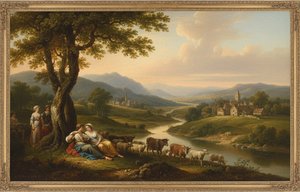
Idyllic Visions: Exploring the Pastoral Tradition in Western Art – Themes, Techniques & Enduring Appeal
Explore the rich history of pastoral art from classical Arcadia to contemporary interpretations. Discover key artists, themes & collecting tips at OriginalUniqueArt.

Rococo's Radiant Legacy: 10 Masterpieces for Your Home |
Indulge in the elegance of Rococo! Explore 10 masterpieces by Fragonard, Boucher & Watteau. Discover the stories behind these iconic paintings and bring timeless art to your home with museum-quality reproductions from .
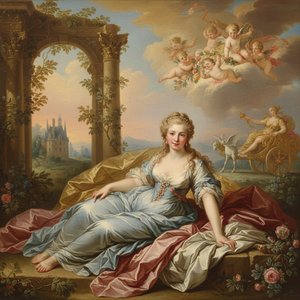
François Boucher: Rococo Master of Myth, Sensuality, and the French Court
Explore the captivating world of François Boucher, master of Rococo painting! Discover his iconic works, aristocratic patronage, and lasting influence on French art history. Learn more at OriginalUniqueArt.

Idyllic Visions: Exploring the Pastoral Scene in Art History – From Arcadia to Modern Interpretations
Explore the captivating history of pastoral art from classical Arcadia to modern masterpieces. Discover key artists like Millet & Cole at OriginalUniqueArt. Find serene landscape paintings for your home.

The Rococo Aesthetic: Opulence, Rebellion & the Pursuit of Pleasure in 18th-Century Art
Explore the opulent world of Rococo art! Discover its origins, key artists like Watteau & Boucher, and lasting influence on design. Expert insights for collectors & enthusiasts.


