The Classical Roots of Arcadia: Myth and Early Representations
The pastoral genre of literature, art, or music depicts an idealised form of the shepherd's lifestyle – herding livestock around open areas of land according to the seasons and the changing availability of water and pasture. The target audience is t...
The pastoral tradition, at its heart, is a longing—a yearning for a simpler existence, an idealized harmony between humanity and nature. This desire finds its earliest expression in the myth of Arcadia, a remote region of Greece celebrated by poets like Theocritus in the 3rd century BCE. Arcadia wasn’t merely a geographical location; it became a state of mind, a locus amoenus – a beautiful, peaceful place—populated by shepherds and nymphs living free from the complexities of urban life. Theocritus's verses weren’t necessarily realistic depictions of rural existence, but rather carefully constructed fantasies that offered an escape for his audience. These early poems established key motifs: gentle landscapes, unrequited love, musical contests, and a sense of melancholy tinged with beauty. Virgil, in his *Eclogues*, further solidified Arcadia's place in the Western imagination, transforming it into a symbol of political refuge during times of turmoil. His shepherds weren’t simply tending flocks; they were often thinly veiled representations of Roman poets seeking solace from the chaos of civil war.
Early visual representations of Arcadian scenes were relatively rare, existing primarily as decorative elements in mosaics and frescoes. However, the underlying themes – a reverence for nature, idealized figures, and a sense of tranquility – began to permeate artistic consciousness. The influence wasn’t immediate or widespread; it was a seed planted that would blossom more fully during later periods. The importance of these early texts lay not in their literal depiction of rural life, but in the creation of an enduring archetype—a vision of paradise lost and perpetually sought.
From Baroque Grandeur to Rococo Charm: Pastoral Landscapes in the 17th & 18th Centuries
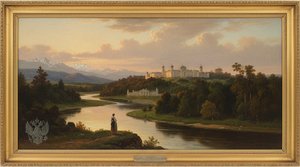
 Pastoral landscape
Explore Jan Frans van Bloemen’s "Pastoral Landscape," a Baroque masterpiece showcasing lush scenery & classical figures. Oil on canvas, rich detail, & serene beauty – a timeless work of art.
The 17th and 18th centuries witnessed a flourishing of pastoral painting, driven by both aristocratic patronage and a growing appreciation for landscape as an independent genre. Artists like Esaias van de Velde, exemplified in his 1613 ‘Arcadian Landscape’, captured the serene beauty of Dutch rural life with meticulous detail. Cattle graze peacefully, sheep dot rolling hills, and a solitary figure—often a shepherd or traveler—adds a touch of human presence to the scene. These paintings weren’t simply topographical records; they were carefully constructed compositions designed to evoke a sense of calm and order. The Baroque period favored dramatic lighting and dynamic compositions, but even within this grand style, pastoral scenes offered a respite from the intensity of religious or historical subjects.
As tastes shifted towards the Rococo in the 18th century, pastoral landscapes became increasingly delicate and refined. Jan Frans van Bloemen’s “Pastoral Landscape” embodies this aesthetic—lush scenery, classical figures engaged in leisurely pursuits, and a palette of soft, harmonious colors. Oil on canvas, rich detail, and serene beauty define his work. These paintings were often commissioned as decorative elements for opulent salons, reflecting the aristocratic desire for elegance and refinement. The pastoral became associated with notions of leisure, pleasure, and idealized love—a world far removed from the realities of courtly life.
The Romantic Idealization of Nature: A Pastoral Response to Industrialization
The rise of industrialization in the 19th century profoundly impacted artistic sensibilities. As cities grew and landscapes were transformed by factories and railways, artists turned increasingly to nature as a source of solace and inspiration. The Romantic movement embraced the pastoral tradition with renewed fervor, but their approach was often imbued with a sense of melancholy and a heightened awareness of loss. Artists sought not simply to depict idyllic scenes, but to capture the sublime—the awe-inspiring power and beauty of the natural world.
This period saw a shift from idealized representations towards more emotionally charged landscapes that reflected the artist’s personal response to nature. The pastoral became intertwined with themes of spirituality, mortality, and the transience of human existence. Artists began to explore the darker aspects of rural life—the harsh realities of labor, the vulnerability of nature, and the inevitability of change.
American Visions of the Pastoral: Moran, Cole, and the Sublime Landscape
 A Pastoral Landscape
Discover 'A Pastoral Landscape' by Thomas Moran! This Romantic painting captures serene American West beauty. Explore its details & learn about the artist at Flint Institute of Arts.
The American landscape offered a unique context for the pastoral tradition. Artists like Thomas Moran captured the serene beauty of the American West with breathtaking detail in paintings such as ‘A Pastoral Landscape’. His work wasn’t simply about depicting scenery; it was about celebrating the vastness and untamed wilderness of the continent. The Romantic sensibility found fertile ground in America, where artists sought to capture a sense of national identity through their depictions of nature.
Thomas Cole, founder of the Hudson River School, similarly explored the American landscape with a profound sense of spirituality. His paintings often depicted dramatic scenes of mountains, forests, and rivers—landscapes that evoked a sense of awe and wonder. Cole’s work wasn't merely about aesthetic beauty; it was about conveying a moral message—a reverence for nature and a warning against the dangers of unchecked progress. These American artists infused the pastoral tradition with a distinctly national character, celebrating the unique beauty and grandeur of their homeland.
Beyond Nostalgia: The Para-Pastoral – Contemporary Artists Reimagining Rural Life
Today, a new strain of pastoral art is emerging—one that resists the urge to romanticize or idealize. Katie White has termed this approach the “para-pastoral,” and it’s characterized by a willingness to confront the complexities and contradictions of rural life. Contemporary artists are exploring themes of ecological urgency, political tension, and social change through their depictions of landscapes.
Rather than offering an escape from reality, these artists present a more nuanced and often unsettling vision of the countryside. They question who has access to land, what histories it conceals, and how rural spaces fit into the global story of climate and capitalism. This isn’t about rejecting the pastoral tradition altogether; it's about reimagining it for a new era—one that demands critical engagement with the challenges facing our planet. Artists are using elements from Virgil’s classical Arcadia to construct a new one, often incorporating graffiti-like aesthetics or abstract forms.
Collecting Pastoral Art: Themes, Styles, and Finding Your Serene Vision
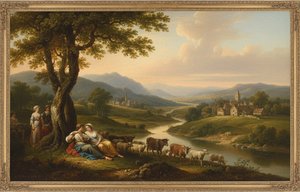 Idyllic Visions: Exploring the Pastoral Tradition in Western Art – Themes, Techniques & Enduring Appeal
Explore the rich history of pastoral art from classical Arcadia to contemporary interpretations. Discover key artists, themes & collecting tips at OriginalUniqueArt.
Whether you're drawn to the classical serenity of Arcadian landscapes, the Baroque grandeur of Dutch scenes, or the Romantic intensity of American paintings, collecting pastoral art can be a deeply rewarding experience. Consider what resonates with you personally—do you prefer idealized depictions of nature or more emotionally charged landscapes? Are you interested in specific artists or movements?
When building your collection, pay attention to themes and styles. Look for works that evoke a sense of calm, beauty, and tranquility. Explore the rich history of the genre and discover the key artists who have shaped its evolution. At OriginalUniqueArt.com, we offer a wide selection of handmade oil paintings and museum-quality prints, allowing you to bring the timeless beauty of pastoral art into your home. Our expert team can provide personalized guidance on style advice, size recommendations, or gift selection. We also offer custom reproduction services, transforming your favorite photos into stunning artworks in the style of a chosen artist. Begin your journey today and discover the serene vision that speaks to you.