
 Send
Send Share
Share
 Details
 Guide
Guide

 Download
 Similars
 Diaporama
 Stats
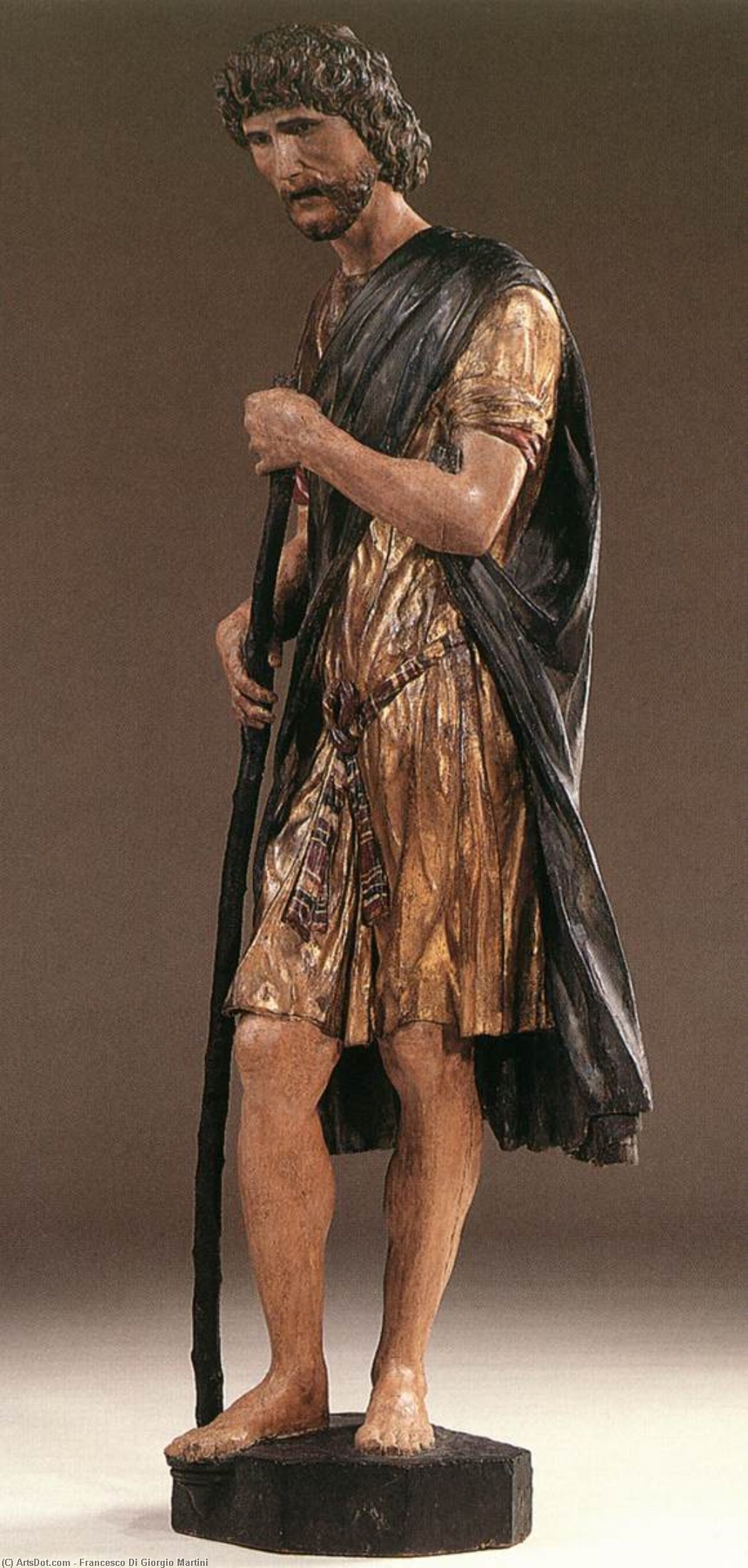
StatsSt Christopher


 Read More
Purchase a high-resolution, enhanced digital image, far superior to the online preview.
Each file is meticulously prepared by our in-house specialists using advanced tools and expert manual retouching. We ensure every image has exceptional clarity, precise color accuracy, and fine detail.
The final file is delivered via email within 72 hours, optimized for immediate use in professional, editorial, and print environments. This is the same quality trusted by top-tier design studios, publishers, and galleries.
Digital Image
Download a high-resolution file for personal display, printing, and creative projects. ( Switch to Print Buy Hand Made Painting)
Included in Every Digital Image Order
Expert Digital Delivery, Guaranteed
When you choose OriginalUniqueArt.com, you're not just getting an image - you're receiving a professionally enhanced digital artwork, crafted with precision and backed by a satisfaction guarantee. Here's everything that comes with your order, automatically:

Fast Email Delivery
Your high-resolution digital image file will be emailed to you within 72 hours of ordering - ready for immediate use.

AI-Enhanced Digital File
Your artwork is professionally optimized using advanced AI tools and manual editing, ensuring maximum detail, clarity, and color accuracy.

Free Lifetime Re-Delivery
Accidentally deleted or lost your file? No worries - we'll resend it to you anytime, free of charge.

No Import Fees - Ever
Enjoy your artwork instantly with zero customs, duties, or delivery fees - digital downloads are always tax-free.

Color Accuracy Guarantee
We ensure your digital image reflects the original colors as closely as possible using professional tools and color management.

100-Day Satisfaction Guarantee
If you're not satisfied with your digital image, we'll revise it or refund 100% within 100 days - no questions asked.

100% Money-Back Guarantee
Not satisfied? Get a full refund within 100 days of receiving your digital file - no questions asked.

Bulk Order Discounts
Buy 3 images, save 10% - Buy 5, save 15% - Buy 10+, save 20%. Great for creative projects, galleries, and agencies.
The Enduring Radiance of St Christopher
To gaze upon this sculpture of St Christopher is to encounter not merely carved stone, but a profound meditation on protection, passage, and divine guidance. The figure stands with an almost palpable serenity, embodying the steadfast strength required to shepherd life across perilous waters. Francesco di Giorgio Martini, in carving this piece around 1494, captured the very essence of Renaissance piety blended with startling naturalism. Observe the meticulous rendering of the drapery; the golden-hued tunic speaks of importance and grace, contrasting beautifully with the deep shadows cast by the dark cloak draped over one shoulder. These folds are not arbitrary markings but eloquent narratives etched into the material, demonstrating an unparalleled mastery of form.
A Masterpiece of Renaissance Realism
Francesco di Giorgio Martini was more than just a sculptor; he was a polymath whose genius spanned architecture, engineering, and the visual arts. This work is a perfect crystallization of his era's intellectual fervor—the desire to marry classical idealism with acute human observation. The realism here is breathtaking. From the thoughtful set of the beard and the gentle curve of the brow to the supportive grip on the staff in his right hand, every detail suggests an intimate understanding of the human form under duress and at rest. The composition itself is inherently balanced, drawing the eye across the figure’s calm, forward-directed gaze, inviting the viewer into a moment of quiet contemplation.
Symbolism of Passage and Protection
The subject matter itself carries immense weight. St Christopher, traditionally depicted bearing the Christ child across a river, symbolizes the ultimate act of protection—the safe passage from one state of being to another. While this particular rendition focuses on his powerful, grounded presence, the symbolism remains potent: he is the guide through life's currents. The contrast between the solid marble base and the luminous quality suggested by the garments elevates the piece beyond mere portraiture; it becomes an allegory for faith itself—a steady hand in turbulent times. It speaks to those who seek reassurance and enduring support.
Bringing Sacred Artistry Home
For the collector or designer, this sculpture offers a unique opportunity to integrate high Renaissance narrative into contemporary living spaces. The sophisticated interplay of textures—the imagined softness of the fabric against the permanence of stone—lends an air of timeless gravitas to any room. Owning a reproduction of Martini’s work is not simply acquiring art; it is curating a focal point steeped in history, artistry, and enduring spiritual resonance. It serves as a quiet monument to human resilience, beautifully preserved for modern admiration.
Artist Biography
The Renaissance Polymath: The Life and Vision of Francesco di Giorgio Martini
In the vibrant tapestry of the Italian Quattrocento, few figures loom as large or as multifaceted as Francesco di Giorgio Martini. A true homo universalis, his intellect spanned the boundaries between the ethereal beauty of fine art and the rigorous precision of engineering. Born in Siena in 1439, Martini emerged from a period of profound cultural transformation, where the shadows of the Middle Ages were being chased away by the light of humanism. His life was not merely a career in art, but a lifelong pursuit of understanding the underlying geometry of the universe, whether expressed through the delicate brushstroke of a Madonna or the fortified walls of an ideal city.
Martini’s artistic journey began under the watchful eye of Vecchietta, a master of the Sienese School whose style favored rhythmic, frieze-like compositions. While his early training instilled in him a deep respect for religious iconography and the graceful traditions of Siena, Francesco possessed an unquenchable thirst for innovation. He looked beyond the local traditions toward the burgeoning Florentine interest in linear perspective and classical antiquity. This intellectual curiosity allowed him to transcend the decorative nature of his predecessors, infusing his works with a newfound psychological depth and a sophisticated command of spatial relationships that would later echo the genius of Leonardo da Vinci.
A Synthesis of Spirit and Structure
The breadth of Martini’s creative output is nothing short of staggering. As a painter, he possessed a rare ability to marry the divine with the tangible. In masterpieces such as Madonna and Child with Saints and Angels, one observes a profound tenderness paired with a rigorous structural clarity. His religious works, including the monumental Coronation of the Virgin for the Siena Cathedral, demonstrate his capacity to synthesize classical grandeur with the emotive power required by sacred art. He did not merely depict holy figures; he placed them within a world that felt architecturally sound and physically present.
However, to view Martini solely through the lens of a painter is to miss the heartbeat of his true genius. His contributions to architecture and military engineering were equally transformative. Through his Trattato di architettura, he provided much more than mere technical drawings; he offered a visionary blueprint for the città ideale—the ideal city. His detailed illustrations and manuscripts reveal a mind obsessed with the harmony of proportion and the strategic necessity of defense. In these sketches, we see the seeds of modern urban planning, where beauty and utility exist in a delicate, calculated balance.
Legacy of an Architectural Visionary
The historical significance of Francesco di Giorgio Martini lies in his ability to bridge the gap between the artist's intuition and the engineer's logic. He was a man who saw no distinction between the grace of a sculpted limb and the strength of a stone bastion. His influence rippled through the Renaissance, shaping the way subsequent generations approached the concept of design as an integrated discipline. His life, which concluded in Siena in 1502, left behind a legacy that continues to resonate in the study of both art history and architectural theory.
To reflect on his enduring impact, one might consider the following pillars of his greatness:
- Mastery of Perspective: His role in transitioning Sienese art from decorative tradition to the spatial depth of the High Renaissance.
- Architectural Innovation: The development of theoretical frameworks for urban design and fortification that influenced centuries of engineering.
- Humanist Integration: The seamless blending of classical anatomical study with religious devotion and scientific inquiry.
- The Polymathic Ideal: Serving as a definitive model for the Renaissance creator, where art, science, and intellect are inseparable.

Francesco di Giorgio Martini
1439 - 1502 , Italy
Quick Facts
- Artistic Movement Or Style: Renaissance
- Artists Or Movements Influenced By This Artist: ['Leonardo da Vinci']
- Artists Who Influenced This Artist: ['Andrea del Verrocchio']
- Date Of Birth: Sept. 23, 1439
- Full Name: Francesco Maurizio di Giorgio Martini
- Nationality: Italian
- Notable Artworks:
- Nativity
- Coronation of the Virgin
- Place Of Birth: Siena, Italy