
 Send
Send Share
Share
 Details
 Guide
Guide

 Download
 Similars
 Diaporama
 Q&A
Q&A Stats
StatsUNE MAISON RUSTIQUE


 Read More
Giclée / Art Print
Museum-quality giclée or canvas print with fast production and flexible finish options. ( Buy Hand Made Painting Switch to Digital Image)




































Pick from our preset sizes that match the artwork's original proportions.

Type the width and the height you need, to fit your frame or your wall. A print can only be cut, never made bigger than the picture, so a size with a different shape loses a part of the image. We send you a digital mockup to approve before we print anything. The picture shown on this page does not show the real cut — only the mockup does.
Worldwide Delivery () in 2 weeks instead of standard 4/5 weeks. (3 November)

Free Worldwide Express Shipping

High-Quality Linen Canvas

Full Shipping Insurance

Customs Tax Refund Guarantee

True Color Matching Guarantee

100-Day Return Policy (Defects Only)

100% Money-Back Guarantee

Bulk Discount Offer
 Glass option is only available in size under 110 CM

UNE MAISON RUSTIQUE
Giclée / Art Print
Reproduction Size
-


Total Price
$ 81
A Glimpse into Rustic Dutch Life
To gaze upon Une Maison Rustique is to step through a veil of time, directly into the quiet heart of 17th-century Dutch provincial life. This piece captures more than just a scene; it encapsulates a mood—a deep, abiding sense of nostalgia and simple contentment. The composition centers around a weathered farmhouse or tavern, serving as the anchor for a gathering of figures whose very presence speaks to community and enduring tradition. The artist has masterfully rendered an everyday moment, transforming the mundane into something profoundly beautiful and evocative. One can almost smell the damp earth and hear the low murmur of conversation drifting from this painted tableau.
Mastery in Earth Tones and Texture
Technically, the work is a testament to the period's dedication to capturing tangible reality. The palette is wonderfully restrained, dominated by rich, earthy tones—the deep browns of aged wood, the muted tans of sun-bleached fabric, and soft, dusty greens that speak of time passing gently. Notice how the artist has built depth through subtle layering; the figures occupy the immediate foreground, drawing us in, while the receding trees and distant structures utilize atmospheric perspective to create a believable sense of space within the circular frame. The texture is palpable, whether it’s suggested by the rough grain of the building's facade or the soft folds of the clothing. This meticulous attention to surface detail elevates the piece beyond mere depiction; it becomes an object imbued with history.
The Echoes of the Dutch Golden Age
This work resonates deeply with the spirit of the Dutch Golden Age, particularly the genre scenes favored by masters who chronicled the lives of ordinary people. While executed in a style reminiscent of artists like Egbert van der Poel, it speaks to a broader cultural moment where domesticity and rural life were celebrated subjects. The soft, diffused lighting bathes the entire scene in a gentle glow, suggesting either the quietude of an overcast afternoon or the warm embrace of late daylight. This careful handling of light is key; it avoids drama, opting instead for a tranquil illumination that settles over the viewer.
Symbolism of Simplicity and Connection
Beyond its aesthetic appeal, Une Maison Rustique carries a quiet symbolic weight. The gathering itself suggests themes of fellowship and resilience—the human need to connect amidst the passage of time. The rustic setting acts as an antidote to the clamor of modern existence, offering instead a visual balm. For collectors and designers alike, this piece offers more than decoration; it offers an emotional anchor. It invites contemplation on what truly constitutes richness: is it in opulence, or in the shared warmth found before a humble, sturdy home?
Bringing History Home
Whether you are considering this as a centerpiece for a dining room, a gallery accent, or simply a treasured reproduction to enhance your personal sanctuary, the enduring quality of Une Maison Rustique is undeniable. Its blend of technical virtuosity and heartfelt storytelling ensures that it will not merely hang on a wall, but rather breathe life into a space, whispering tales of Dutch history and timeless human connection with every passing glance.
Questions & Answers
Is "UNE MAISON RUSTIQUE" typical of what Egbert van der Poel usually created?
"UNE MAISON RUSTIQUE" depicts genre scene, rustic life, dutch art, farmhouse, earthy tones, ceramic plate, rural setting, while Egbert van der Poel's recorded themes are dutch genre painting tradition, everyday rural life depiction, nostalgia for simple pleasures, genre scenes of daily routine. Comparing the two shows how the work relates to the artist's usual subjects.
How do I preview a reproduction of "UNE MAISON RUSTIQUE" by Egbert van der Poel?
A preview of "UNE MAISON RUSTIQUE" by Egbert van der Poel is available on the artwork's Preview page.
What does "UNE MAISON RUSTIQUE" share with the rest of Egbert van der Poel's output?
Within Egbert van der Poel's output, "UNE MAISON RUSTIQUE" sits in the Dutch Golden Age style, alongside the themes of dutch genre painting tradition, everyday rural life depiction, nostalgia for simple pleasures, genre scenes of daily routine.
Artist Biography
A Witness to Disaster: The Life and Art of Egbert van der Poel
Egbert van der Poel, a name perhaps less celebrated than some of his Dutch Golden Age contemporaries, nevertheless occupies a vital and poignant space within the artistic landscape of 17th-century Netherlands. Born in Delft in 1621, into a family of artisans—his father being a goldsmith—Van der Poel’s life unfolded against a backdrop of burgeoning prosperity and, tragically, devastating calamity. While details surrounding his early training remain somewhat elusive, art historical accounts suggest potential tutelage under Esaias van de Velde, known for his expansive landscapes, and Aert van der Neer, master of atmospheric light effects. Further connections are proposed to painter Adriaen Lievensz van der Poel, believed to be his brother, and studies with Cornelis Saftleven in Rotterdam, hinting at a formative period steeped in diverse artistic influences. These early exposures would shape Van der Poel’s own distinctive style, blending detailed observation with a dramatic flair for capturing both the tranquility of everyday life and the chaos of unforeseen events.From Landscapes to Lament: Artistic Development and Key Themes
Van der Poel's artistic journey began with a focus on landscape painting, a popular genre during the Dutch Golden Age. However, he quickly demonstrated an aptitude for *genre* scenes—depictions of everyday life—imbued with a remarkable attention to detail. His early works reveal the subtle influence of his potential mentors; echoes of Van de Velde’s panoramic vistas and Van Neer's evocative use of light can be discerned in his compositions. The dynamic arrangements favored by Saftleven likely contributed to the sense of movement and drama that would become a hallmark of Van der Poel’s style. In 1650, he formally registered with the Guild of St. Luke in Delft as a landscape painter, solidifying his professional standing within the artistic community. A year later, he married Aeltgen Willems van Linschooten in Maassluis, near Rotterdam, and together they would build a family—a son and three daughters—while navigating the complexities of life in a rapidly changing world. But it was an event that shattered the peace of Delft in 1654 that would indelibly mark Van der Poel’s artistic legacy.The Delft Explosion: A Moment Frozen in Time
On October 12, 1654, a catastrophic explosion ripped through Delft, detonating a gunpowder store and leveling much of the city. Living within the affected area at the time, Van der Poel witnessed firsthand the unimaginable devastation. This event became the defining subject of his artistic output. Unlike many artists who might shy away from depicting such horror, Van der Poel confronted it head-on, creating a series of paintings that served as both a historical record and a deeply moving lament for the lives lost and the city shattered. The Explosion of the Delft Magazine, perhaps his most iconic work, vividly portrays the immediate aftermath—a scene of utter chaos, with buildings reduced to rubble, figures scrambling amidst the debris, and smoke billowing into the sky. These paintings are not merely depictions of destruction; they are powerful testaments to human resilience in the face of tragedy. Other works like Barnyard Scene and Fire in a Village, while seemingly disparate subjects, demonstrate his continued fascination with scenes of disruption and dramatic events.Style, Significance, and Lasting Legacy
Van der Poel’s artistic style is characterized by its realism, meticulous attention to detail, and a generally muted color palette that lends a somber tone to his work. He masterfully employed light and shadow to create depth and atmosphere, drawing the viewer into the heart of each scene. His compositions often feature dynamic arrangements of figures and objects, enhancing the overall sense of drama and immediacy. While not as widely celebrated during his lifetime as some of his peers, Van der Poel’s historical significance lies in his unique documentation of the Delft gunpowder explosion—paintings that serve as invaluable visual records of a pivotal moment in Dutch history. He died in Rotterdam in 1664, leaving behind a body of work that continues to resonate with viewers today. His paintings offer a glimpse into the world of the Dutch Golden Age, capturing not only its beauty and prosperity but also its vulnerability and capacity for tragedy. They remind us that even amidst artistic grandeur, there is always room for bearing witness—for remembering, and for honoring those whose stories might otherwise be lost to time.- Born: Delft, Netherlands (1621)
- Died: Rotterdam, Netherlands (1664)
- Known For: Genre scenes, landscapes, depictions of the Delft gunpowder explosion
- Influences: Esaias van de Velde, Aert van der Neer, Cornelis Saftleven

Egbert van der Poel
1621 - 1664 , Netherlands
Quick Facts
- Artistic Movement Or Style: Dutch Golden Age
- Artists Who Influenced This Artist:
- Esaias van de Velde
- Aert van der Neer
- Cornelis Saftleven
- Date Of Birth: 1621
- Date Of Death: 1664
- Full Name: Egbert van der Poel
- Nationality: Dutch
- Notable Artworks:
- The Explosion of the Delft Magazine
- Barnyard Scene
- Fire in a Village
- Place Of Birth: Delft, Netherlands
Related Articles
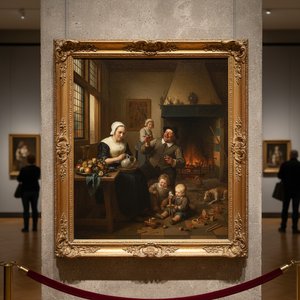
Genre Painting: A Window into Daily Life & Societal Values of the Dutch Golden Age
Explore the captivating world of Dutch Golden Age genre painting! Discover realistic depictions of daily life, masterful artists like Ostade & Metsu, and hidden symbolism. Learn about this influential art movement with OriginalUniqueArt.
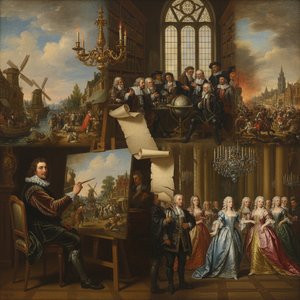
Illuminating a Century of Change: Artistic Expression & Societal Shifts in 17th-Century Europe
Explore the artistic brilliance of the 17th-century Dutch Golden Age & Baroque period. Discover Rembrandt, genre painting, and chiaroscuro techniques. Expert insights for art lovers & collectors.
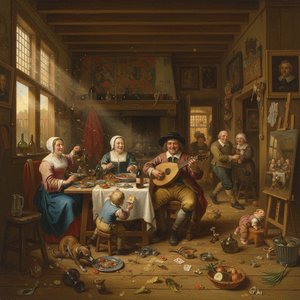
Jan Steen: A Master of Dutch Genre Painting & the Golden Age
Explore the life & art of Jan Steen, a leading Dutch Golden Age painter renowned for his humorous genre scenes & insightful social commentary. Discover his techniques, legacy, and collecting tips.
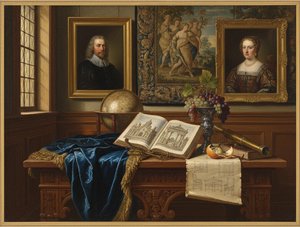
Masterpieces of the 17th Century: Art, History & Decor Inspiration | OriginalUniqueArt
Journey through 17th century art with masterpieces by Rembrandt, Vermeer & Caravaggio. Explore Baroque paintings, Dutch Golden Age techniques & timeless beauty. Find museum-quality reproductions and elevate your home decor on OriginalUniqueArt.com.

Chiaroscuro and Character: A Definitive Guide to Light and Shadow in the Dutch Baroque Era
Explore the dramatic mastery of the Dutch Baroque era. Discover how masters like Rembrandt used chiaroscuro to transform everyday life into timeless art. An expert guide for collectors and enthusiasts seeking to understand the profound interplay of light and shadow.


