Text size

() ·

A painting made for you, by hand

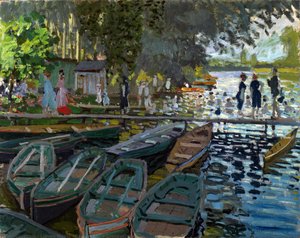
Riverbank at Argenteuil

Hand Made Oil Reproduction

Hand-painted oil on canvas in your size and frame, made to order by our artists. ( Switch to Print Switch to Digital Image)

Collectible Description

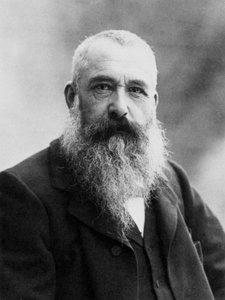
Claude Monet

Artist Biography

Claude Monet was an Impressionist master known for his Water Lilies series. Discover the beauty of his light-filled landscapes today.

from ·

Chapter 1

How large should it be?

Slide to change the size; the picture on the left shows the frame at its real width. The proportions of the original are kept.

Standard
custom
CM
INCH

Pick from our preset sizes that match the artwork's original proportions.

width
height

Type the width and the height you need, to fit your frame or your wall. This is hand-painted, so for a size with a different shape the artist can paint a bit more around the picture, or cut a bit — you choose. We send you a digital mockup to approve before the painting starts. The picture shown on this page does not show the real result — only the mockup does.

Chapter 2

How should it arrive?

Choose the edges of the stretched canvas

Choose your frame

Corner sample of the WhiteWrap canvas edge finish, stretched on solid wood bars
White $1
Corner sample of the BlurSideWrap canvas edge finish, stretched on solid wood bars
Blurside $1
Corner sample of the ExtendedWrap canvas edge finish, stretched on solid wood bars
Extended $1
Corner sample of the P118B picture frame: moulded polystyrene, 5 cm wide and 3 cm thick
P118B $10
Corner sample of the P118H picture frame: moulded polystyrene, 5 cm wide and 3 cm thick
P118H $10
Corner sample of the P118W picture frame: moulded polystyrene, 5 cm wide and 3 cm thick
P118W $10
Corner sample of the P438Z picture frame: moulded polystyrene, 5.5 cm wide and 3.5 cm thick
P438Z $10
Corner sample of the P508JH picture frame: moulded polystyrene, 7 cm wide and 3.5 cm thick
P508JH $12
Corner sample of the P508YH picture frame: moulded polystyrene, 7 cm wide and 3.5 cm thick
P508YH $12
Corner sample of the P805H picture frame: moulded polystyrene, 5 cm wide and 3.5 cm thick
P805H $10
Corner sample of the P805Z picture frame: moulded polystyrene, 5 cm wide and 3.5 cm thick
P805Z $10
Corner sample of the P919BZ picture frame: moulded polystyrene, 7 cm wide and 3.5 cm thick
P919BZ $10
Corner sample of the P919G picture frame: moulded polystyrene, 7 cm wide and 3.5 cm thick
P919G $10
Corner sample of the P919XJ picture frame: moulded polystyrene, 7 cm wide and 3.5 cm thick
P919XJ $10
Corner sample of the P959ZH picture frame: moulded polystyrene, 5 cm wide and 3 cm thick
P959ZH $10
Corner sample of the P968JZ picture frame: moulded polystyrene, 6 cm wide and 4 cm thick
P968JZ $12
Corner sample of the W106C picture frame: solid wood, 5 cm wide and 3 cm thick
W106C $8
Corner sample of the W218G picture frame: solid wood, 5 cm wide and 3 cm thick
W218G $10
Corner sample of the W218JH picture frame: solid wood, 5 cm wide and 3 cm thick
W218JH $8
Corner sample of the W218Y picture frame: solid wood, 5 cm wide and 3 cm thick
W218Y $10
Corner sample of the W307PJ picture frame: solid wood, 6 cm wide and 3 cm thick
W307PJ $10
Corner sample of the W316G picture frame: solid wood, 6 cm wide and 3 cm thick
W316G $10
Corner sample of the W316PJ picture frame: solid wood, 6 cm wide and 3 cm thick
W316PJ $8
Corner sample of the W316Y picture frame: solid wood, 6 cm wide and 3 cm thick
W316Y $10
Corner sample of the W398PJ picture frame: solid wood, 5 cm wide and 3 cm thick
W398PJ $8
Corner sample of the W4111J picture frame: solid wood, 6.5 cm wide and 3.5 cm thick
W4111J $10
Corner sample of the W500HY picture frame: solid wood, 7 cm wide and 5 cm thick
W500HY $15
Corner sample of the W500JH picture frame: solid wood, 7 cm wide and 5 cm thick
W500JH $15
Corner sample of the W692G picture frame: solid wood, 8 cm wide and 4 cm thick
W692G $12
Corner sample of the W849H picture frame: solid wood, 5 cm wide and 3 cm thick
W849H $8
Corner sample of the W940BG picture frame: solid wood, 7.5 cm wide and 4.5 cm thick
W940BG $15
Corner sample of the W953PJ picture frame: solid wood, 6 cm wide and 3.5 cm thick
W953PJ $8
Corner sample of the H24-GOLD picture frame: carved wood with gesso, 10 cm wide and 6 cm thick
H24-GOLD $30
Corner sample of the H24-SILVER picture frame: carved wood with gesso, 10 cm wide and 6 cm thick
H24-SILVER $30
Corner sample of the H36-GOLD picture frame: carved wood with gesso, 15 cm wide and 6.5 cm thick
H36-GOLD $45
Corner sample of the H36-SILVER picture frame: carved wood with gesso, 15 cm wide and 6.5 cm thick
H36-SILVER $45
Frame preview
Framed

Moulding: . Overall size with the frame: .

Chapter 3

Who paints it, and should anything change?

Examples of what can be changed: Replace face with customer photo; Add pet (e.g., replace cat with dog); Include hidden message in background; Change background landscape or elements.
After order, OriginalUniqueArt.com team will email client for instructions and provide a mockup preview

Worldwide Delivery () in 3/4 weeks instead of standard 5 weeks. (7 November). No compromise on quality.

Chapter 4

The finishing touches

A nameplate, as in a museum?

Engraved Bronze Plaque Details

This elegant plaque features the artist's name and the title of the artwork, finely engraved for a timeless presentation.

It is made from bronze with a refined, elegant finish. The text is precisely laser-engraved for a sharp and permanent result. Measuring 9x2 cm, the plaque is compact yet easy to read. It's built to be durable and scratch-resistant, offering a professional, museum-quality look. Mounting is simple thanks to the included adhesive backing.

Transparent Acrylic Plaque Details

The plaque includes essential engraved details such as the artist's name, the title of the artwork, the date it was created, the type of media used-like oil on canvas or watercolor-a brief description of the piece, and a QR code that links to the complete artwork information.

It is crafted from clear acrylic, offering a sleek, modern appearance. The text is UV-engraved in black to ensure strong visual contrast. With a size of 10x15 cm, it ensures optimal readability. It comes equipped with two metal hooks for secure wall mounting. The plaque is designed to be weather-resistant, making it suitable for various environments, and it includes interactive features that work seamlessly with smartphone scanning.

Black Acrylic Plaque Details

This elegant plaque includes engraved information such as the artist's name, the title of the artwork, the date it was created, the type of media used (like oil on canvas or watercolor), a short description of the artwork, and a QR code for quick access to more information.

The plaque itself is made from refined black acrylic with a premium finish. The text is laser-engraved in white for high contrast and readability. Its size is 10x15 cm, designed to be easy to read. It comes with two metal hooks for professional mounting. The design is sleek and fits any interior style. It is also weather-resistant and durable, with built-in digital integration for mobile compatibility.

A protective varnish?

When do you need it?

Chapter 5

Your painting, as you ordered it

Riverbank at Argenteuil

Reproduction Medium

Reproduction Size

-

Elite Senior Artist

More detail, finesse, and extra production time

-

Reproduction Frame

-

-

For artworks or reproductions larger than 105 cm (approximately 41 inches) on any side, the frame will be shipped as a kit, disassembled. This method ensures safe delivery and prevents damage during transport.

Professional assembly required - this is not a DIY product.
The kit must be assembled and the canvas stretched by an experienced professional framer, using wood glue (not supplied), a canvas stretching plier and clamps to hold the bars square while the glue dries. Incorrect assembly or uneven canvas tension can permanently damage the artwork and is not covered by our warranty.

  • All solid wood bars are included, precisely cut to size.

  • Assembled with the screws provided, plus wood glue for the corner joints, which is not supplied and must be sourced by your framer.

  • Professional tools are required and not included: a canvas stretching plier (tensioner) and clamps to hold the bars square while the glue dries.

Important:
The corner joints require wood glue, the bars must be held with clamps until the glue is fully dry, and tightening the canvas on the assembled frame requires a canvas stretching plier. None of these are included in the kit. Please arrange an experienced professional framer before ordering this size.

Nameplate

-

-

Protective Varnish

Glossy Varnish (enhances colors, protects against light/moisture)

-

Customize My Artwork

Examples of what can be changed: Replace face with customer photo; Add pet (e.g., replace cat with dog); Include hidden message in background; Change background landscape or elements.

-

Urgent

Worldwide Delivery () in 3/4 weeks instead of standard 5 weeks. (7 November). No compromise on quality.

-

Express Shipping

Worldwide Delivery () in 5 weeks. (14 November).

Included

Total Price

$ 300

Total Price $ 300

Glass option is only available in size under 110 CM

Included with every order

  • Free Worldwide Express Shipping
  • High-Quality Linen Canvas
  • Full Shipping Insurance
  • Customs Tax Refund Guarantee
  • True Color Matching Guarantee
  • 100-Day Return Policy (Defects Only)
  • 100% Money-Back Guarantee
  • Bulk Discount Offer

Riverbank at Argenteuil – A Dawn of Impressionism

Claude Monet’s “Riverbank at Argenteuil,” painted in 1877, isn't merely a depiction of a riverside scene; it’s arguably the genesis point of Impressionism itself. This unassuming canvas holds within it the very essence of what would revolutionize artistic perception and forever alter the landscape of European art.

Painted during Monet’s formative years alongside fellow artists like Renoir and Sisley, “Riverbank at Argenteuil” embodies Boudin's influence—the crucial introduction to plein air painting. Boudin championed capturing light and atmosphere directly from nature, a radical departure from the studio traditions of academic art. Monet embraced this philosophy wholeheartedly, prioritizing observation over meticulous detail.

  • Subject Matter: The scene portrays Argenteuil, a charming village nestled along the Seine River near Paris, frequented by artists and intellectuals. It captures a tranquil morning bathed in soft sunlight.
  • Style: Impressionism—characterized by loose brushstrokes and vibrant color palettes—is evident throughout. Monet eschewed blending colors on the palette, opting instead for juxtaposing complementary hues to create shimmering effects of light.
  • Technique: Monet employed oil paints applied in rapid succession, layering thin glazes to build up tonal variations and capturing fleeting moments of illumination. The brushstrokes are visible, conveying a sense of immediacy and spontaneity.

Beyond its aesthetic beauty, “Riverbank at Argenteuil” carries profound symbolic weight. It represents not just a picturesque landscape but also the burgeoning spirit of modern life—the pursuit of leisure, camaraderie, and engagement with the natural world. The sailboats drifting across the water symbolize aspiration and movement, mirroring Monet’s own artistic journey.

The painting's emotional impact is palpable: serenity, peace, and a celebration of beauty. It invites viewers to contemplate the ephemeral nature of experience and to appreciate the transformative power of light. “Riverbank at Argenteuil” remains an enduring testament to Monet’s genius—a cornerstone of Impressionism and a masterpiece that continues to inspire awe and admiration.

The Artist and His Legacy

Claude Monet (1840-1926) stands as one of the titans of modern art, revered for his unwavering dedication to capturing the subtleties of light and color. He wasn’t just painting what he saw; he was striving to convey how it *felt*. His prolific output—over 2,300 paintings—established him as a pioneer of Impressionism and cemented his place in artistic history.

Exploring Impressionist Technique

Monet's revolutionary technique—the cornerstone of Impressionism—involved applying paint in short, broken strokes that blended optically rather than physically on the canvas. This method allowed him to capture the fleeting effects of light and atmosphere with unprecedented accuracy.

  • Color Theory: Monet understood color theory deeply, utilizing complementary colors (like blue and orange) to intensify hues and create vibrant contrasts.
  • Layering Glazes: He built up tonal variations through multiple thin layers of translucent glaze—a technique that enhanced luminosity and depth without obscuring the underlying brushstrokes.

Reproductions of “Riverbank at Argenteuil” offer a remarkable opportunity to experience Monet’s vision firsthand, transporting viewers back to a pivotal moment in artistic innovation.

Beyond Monet: Fellow Impressionists and Artistic Context

Claude Monet wasn't alone on his artistic quest. Artists like Pierre-Auguste Renoir, Edgar Degas, Camille Pissarro, and Alfred Sisley collaborated closely with him, sharing a commitment to capturing the beauty of everyday life and experimenting with new visual languages.

“Riverbank at Argenteuil” emerged during a period of significant artistic ferment—the Impressionist movement challenged the conventions of academic painting and ushered in an era of unprecedented creative freedom.

Questions & Answers

What does "Riverbank at Argenteuil" share with the rest of Claude Monet's output?

"Riverbank at Argenteuil" shares with Claude Monet's other works its Impressionism style and the recorded themes: inspired by boudin’s plein air technique., reflects romanticism's focus on nature., a cornerstone of impressionist aesthetics., represents giverny's serene landscape..

Where do the visitors of "Riverbank at Argenteuil" by Claude Monet come from?

The Stats page of "Riverbank at Argenteuil" by Claude Monet presents public visit statistics: monthly visits of this artwork, a comparison with the artist's most viewed works, and where its visitors come from.

What feeling does "Riverbank at Argenteuil" by Claude Monet convey?

"Riverbank at Argenteuil" by Claude Monet conveys a tranquil feeling within an overall serene mood.

More about this painting

Preview AR preview Switch to Print Switch to Digital Image Send
Details Guide Add to favorites Download Similars X-Ray Diaporama Q&A Stats

In numbers

  • 1877the year it was painted
  • 29frames to choose from
  • standard sizes, in its own proportions
  • 5weeks to paint and deliver it
Claude Monet

Claude Monet

1840 - 1926, France

Quick facts about Claude Monet

  • Full Name: Oscar-Claude Monet
  • Nationality: French
  • Date Of Birth: 1840
  • Date Of Death: 1926
  • Place Of Birth: Paris, France
  • Notable Artworks:
    • Impression, Sunrise
    • Water Lilies
    • Haystacks
    • Rouen Cathedral
  • Artistic Movement Or Style: Impressionism
  • Artists Who Influenced This Artist:
    • Eugène Boudin
    • J.M.W. Turner
  • Artists Or Movements Influenced By This Artist: ['Modern Art']

Artist Biography

A Life Shaped by Light and Water

The story of Oscar-Claude Monet begins in the streets of Paris, though his heart was often found wandering the salt-misted air of Le Havre. As a young boy, he moved to Normandy, where his father initially hoped he would follow a path in commerce. Yet, the boy possessed a restless eye for detail, finding early success by selling charcoal caricatures to local acquaintances. It was during these formative years that a chance encounter with Eugène Boudin changed everything. Boudin did not merely offer lessons in oil paint; he introduced the young man to the practice of painting en plein air, teaching him to set his easel directly within the unpredictable elements of nature.

This early training instilled a lifelong obsession with the fleeting moment. When the Franco-Prussian War forced him into the streets of London, Monet found himself absorbing the atmospheric effects seen in the works of J.M.W. Turner. He returned to France with a new understanding of how mist and light could dissolve solid forms. In Paris, he sought formal instruction under Charles Gleyre, where he formed deep bonds with fellow painters like Auguste Renoir. These friendships were forged in a shared desire to break away from the rigid, dark constraints of the academic Salon, seeking instead a way to record the world as it was actually perceived by the eye.

The Rebellion of Impression

The year 1874 marked a turning point for this group of rebels. Dissatisfied with conservative standards, they organized their own independent exhibitions. It was during one such showing that his painting, Impression, Sunrise, gave a name to a movement that many initially viewed with derision. The term "Impressionism" emerged from the very criticism meant to mock his loose brushstrokes and unfinished appearance. Monet did not recoil from this label; he embraced it, using it to define a style centered on the subjective sensation of a scene.

His technique became a study in optical truth. He applied unmixed colors side-by-side, a method known as broken color, allowing the viewer's eye to blend the hues. He rejected traditional dark grounds, opting instead for light-colored primers that added a new brightness to his canvases. His work often focused on the following elements:

  • The use of rapid, visible brushstrokes to capture movement.
  • The study of how sunlight alters the appearance of a single subject over time.
  • The rejection of linear perspective in favor of asymmetrical, flattened arrangements influenced by Japanese prints.

Giverny and the Final Vision

In 1883, Monet settled in Giverny, creating a sanctuary that would become his most profound subject. He transformed his property into an elaborate garden, complete with a water lily pond and a Japanese bridge. This was no mere landscape; it was a living laboratory where he could observe the interplay of light on water and foliage under controlled conditions. The gardens at Giverny provided him with a steady stream of inspiration for decades.

The later years of his life were defined by the monumental Water Lilies series. These vast canvases, often painted while he struggled with cataracts, moved toward a near-abstract state where the horizon line vanished entirely. He painted the same pond repeatedly, documenting the way shadows danced across the surface at dusk or how morning mist clung to the lilies. Through these works, he achieved a sense of immersion, inviting anyone who looked upon them to lose themselves in a world of pure, shifting color. He left behind a legacy that fundamentally altered the trajectory of modern art, proving that the most transient moment could be captured through the power of paint.

Quick Facts

  • Subject or theme: Landscape; Riverbank scene;
  • Artist: Claude Monet
  • Artistic style: Impressionist
  • Year: 1877